Fire Emblem: Fortune’s Weave Review: A Triumphant Tactical Masterpiece for the Nintendo Switch 2

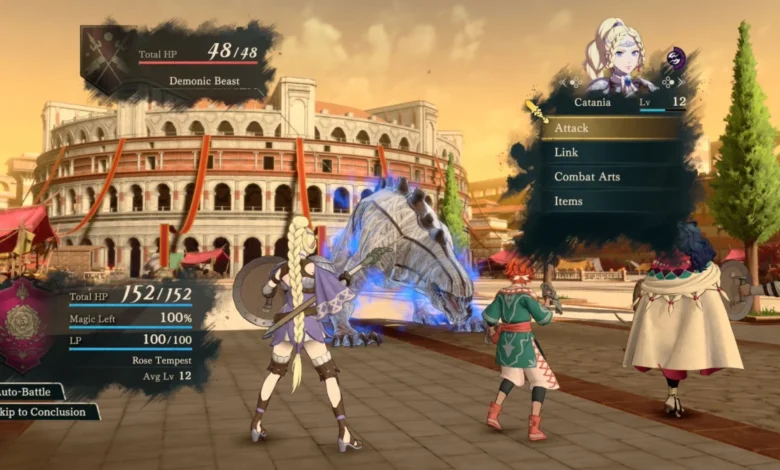
The landscape of tactical role-playing games has a new benchmark following the official release of Fire Emblem: Fortune’s Weave. Launching exclusively for the Nintendo Switch 2 on September 17, 2026, the latest installment in Nintendo and Intelligent Systems’ acclaimed franchise has been met with widespread critical acclaim. Building upon the structural successes of predecessors like Fire Emblem: Three Houses, Fortune’s Weave expands the scope of turn-based strategy through a massive multi-path narrative, refined combat mechanics, and deep exploration elements. Reviewers have highlighted the title as an essential purchase for early adopters of the hardware, with playthroughs easily exceeding 200 hours for completionists seeking to uncover every narrative thread.

Chronology and Narrative Structure
The core narrative of Fire Emblem: Fortune’s Weave is set in the land of Dagda and centers around its capital, Dagsion, which is governed by the Divine Sovereign, Solel. The plot initiates with a foundational prologue designed to onboard newcomers to the franchise’s mechanics before branching out into a grand arena event known as the Heroic Games. In this tournament, four distinct protagonists—collectively referred to as the Flame Lords—compete for the ultimate prize: a single wish granted by the Divine Sovereign.
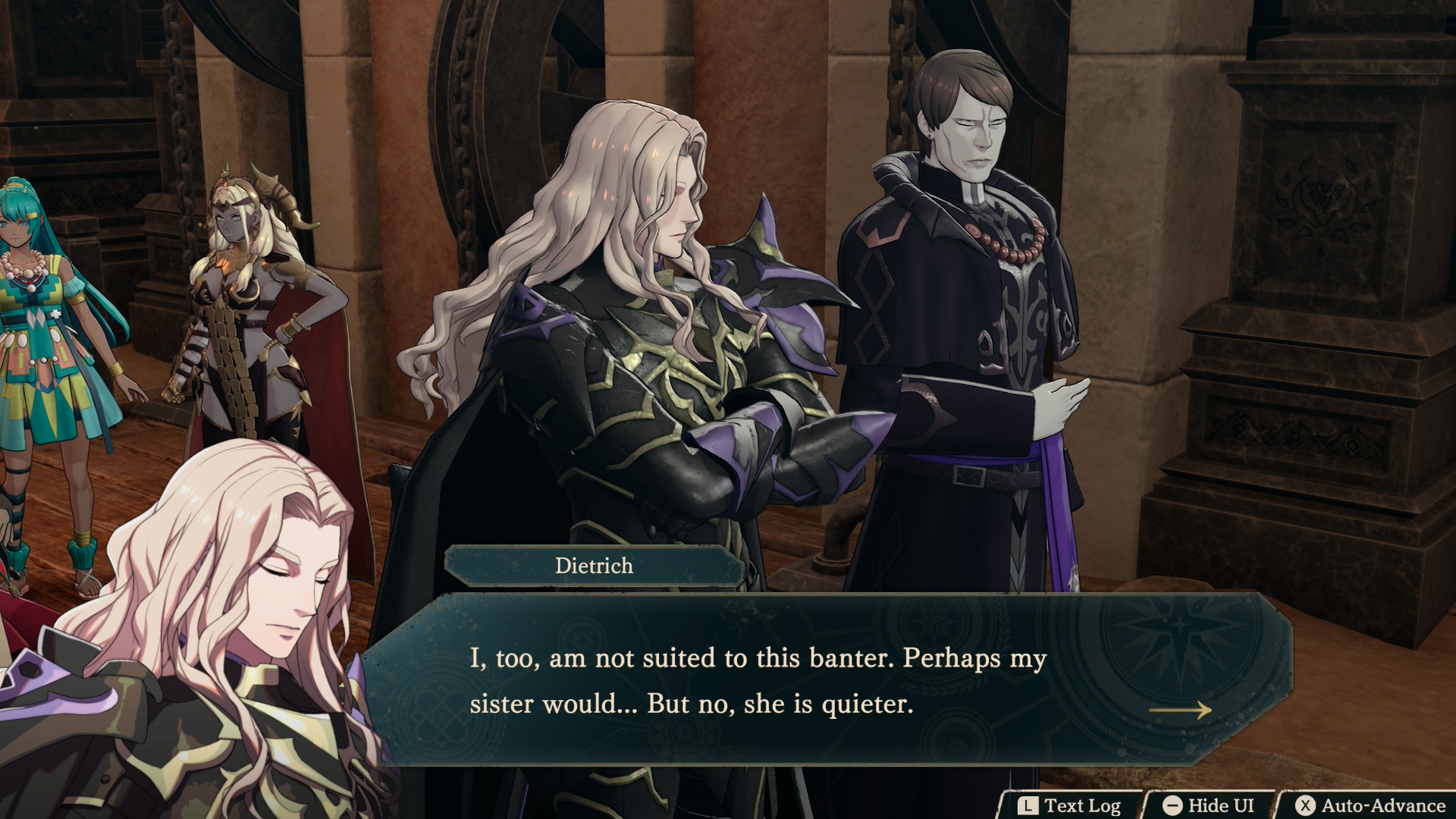
The game is structured across three distinct phases that dictate the flow of the campaign. Part I introduces players to the individual paths of the four Flame Lords: Dietrich, Leda, Theodora, and Cai. Operating from a centralized hub, players can experience these journeys in any chosen sequence without the burden of replaying the introductory prologue. Each path offers a distinct tonal quality, specific supporting casts, and personal motivations, while cross-path storytelling rewards players by answering questions and recontextualizing events witnessed in alternative routes.
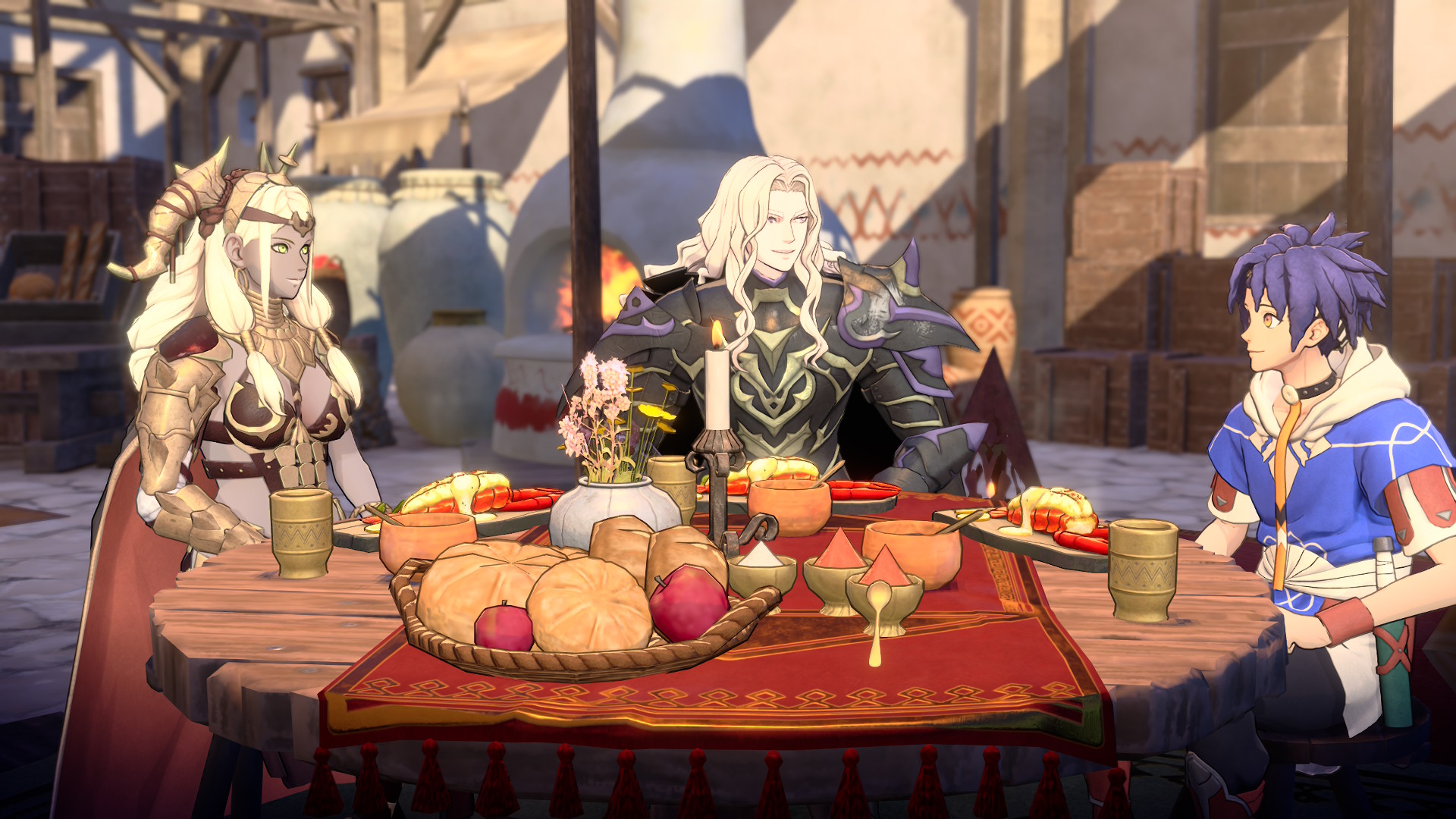
Part II transitions the campaign into the War Arc, where the separate paths begin to converge. While narrative variations narrow during this phase, strategic approaches to combat shift significantly based on the preceding choices. Finally, Part III unites all four Flame Lords under the command of the player-avatar. This climactic finale allows commanders to leverage accumulated inventories, unique abilities, and a diverse roster of recruited units in a decisive confrontation against the demonic god Balor.
Gameplay Mechanics and Tactical Depth
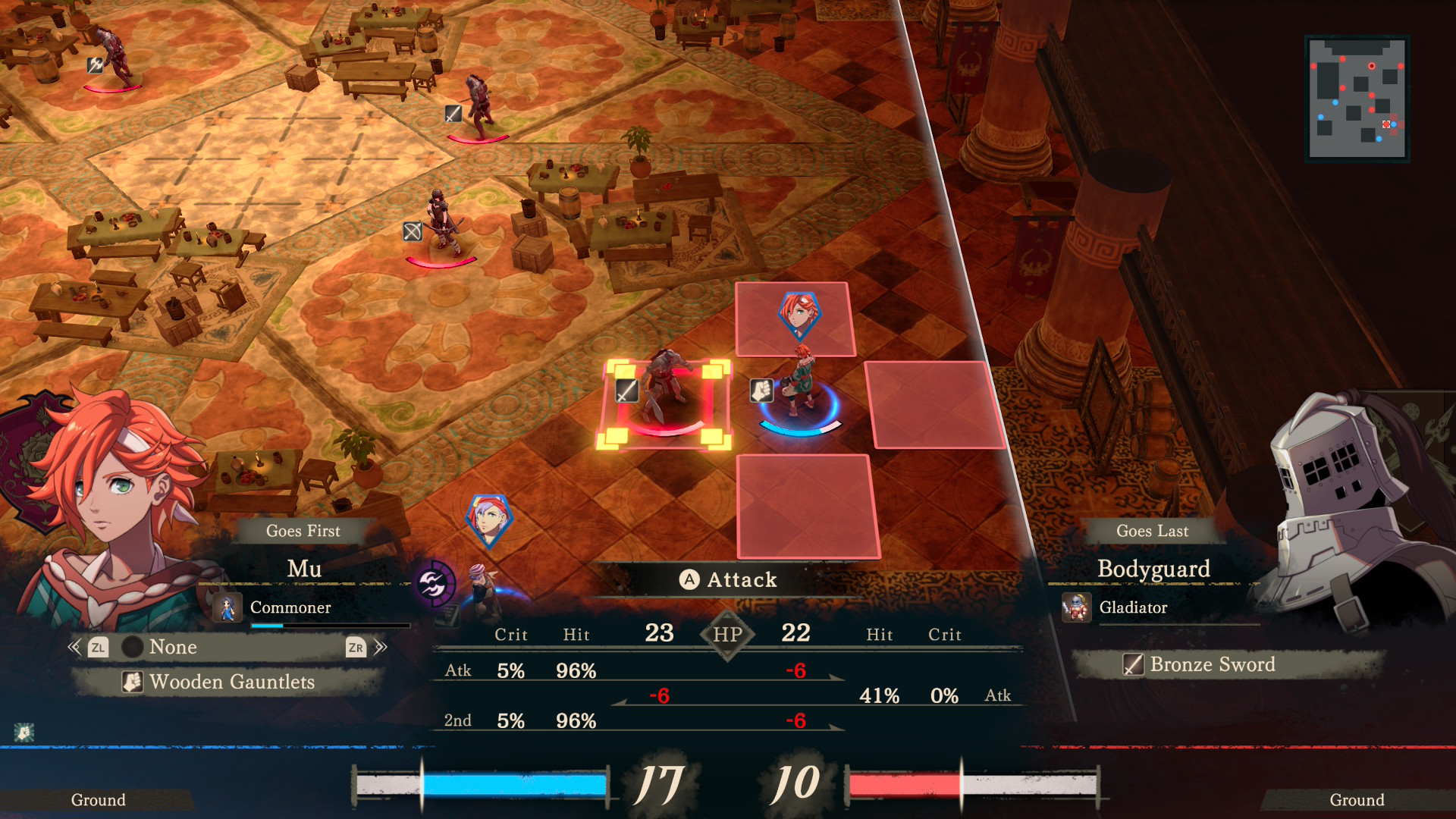
At its core, Fire Emblem: Fortune’s Weave retains the traditional grid-based tactical combat that has defined the franchise for decades. Returning systems such as weapon durability and tactical Combat Arts are complemented by new additions, including Blaze Arts. These mechanics require players to sacrifice character Health Points (HP) in exchange for heightened damage output, increased mobility, or strategic battlefield buffs. Managing the resulting depletion of the health gauge introduces a risk-reward dynamic that prevents the mechanic from functioning as an unrestricted advantage.
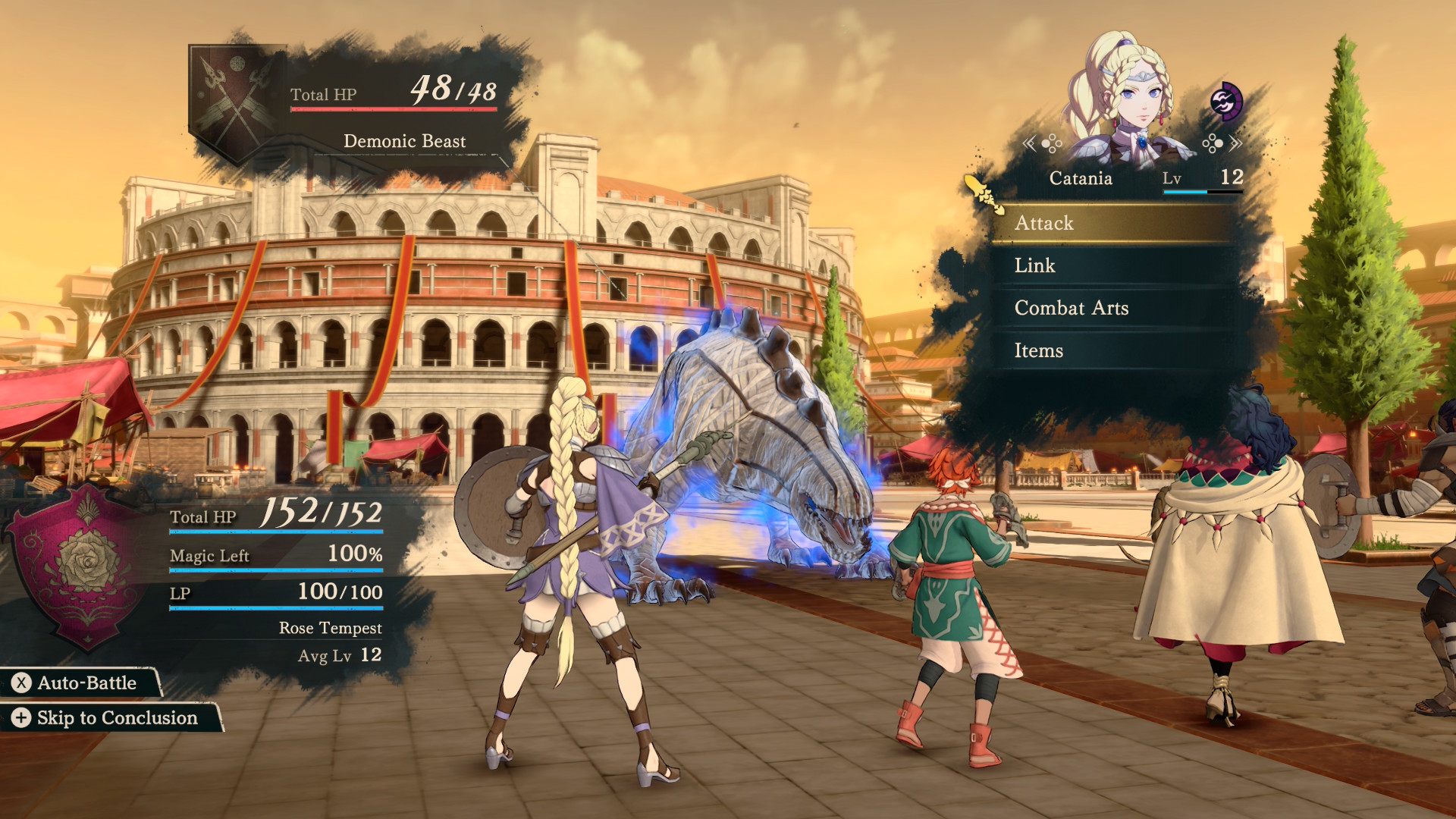
Beyond standard tactical skirmishes, the title incorporates 3D dungeon-crawling segments featuring "Clash Battles." These encounters blend light action elements with traditional turn-based JRPG combat, offering a streamlined alternative for players seeking to accelerate unit progression and class mastery without engaging exclusively in grid-based maps. Mission objectives extend beyond simple routing of enemy forces, frequently tasking players with defeating colossal adversaries, rescuing civilians from environmental hazards, or intercepting fleeing targets.
To accommodate varying player preferences, the game features customizable difficulty settings. The traditional "Classic" mode enforces permanent unit death upon defeat in battle, whereas "Casual" mode allows fallen units to return in subsequent chapters. Additionally, a rewind mechanic known as Blessings enables players to reverse tactical errors by a specific number of turns, though its usage is typically tied to the chosen difficulty tier.
World-Building, Exploration, and Technical Performance
Outside of active combat, Fortune’s Weave emphasizes social simulation and hub-based resource management within the capital city of Dagsion. Facilities such as training grounds, shopping districts, inns for viewing support conversations, and examination halls for class promotions allow players to optimize their roster. Subquests, town exploration, and auxiliary interactions—including distinct mechanics centered on character bonding—contribute to the game’s pacing, alternating between high-stakes narrative chapters and downtime periods.
Developed specifically for the Nintendo Switch 2, the title leverages the upgraded hardware to deliver refined character models, increased resolution, and a vibrant color palette compared to prior generation releases. While background asset textures remain relatively basic and the software does not target a locked 60 frames per second, performance stability remains consistent across both docked and handheld play modes. The audio presentation features an eclectic score ranging from traditional orchestral battle themes to ambient synth arrangements, supported by comprehensive voice acting for the primary and supporting casts.
Broader Market Implications
The release of Fire Emblem: Fortune’s Weave arrives during a crucial window for Nintendo’s successor console, reinforcing the hardware’s appeal to dedicated role-playing game enthusiasts. By offering a sprawling campaign that routinely surpasses 100 hours of content, the title addresses consumer demand for high-value software early in the platform’s lifecycle. Alongside other major software releases on the system, Fortune’s Weave solidifies the Nintendo Switch 2 as a robust marketplace for expansive, story-driven experiences, setting a high standard for future tactical releases in the industry.
Related posts: