Apple Unveils ‘Apple Upgrade’ Device Leasing Program in Strategic Shift to Subscription Model

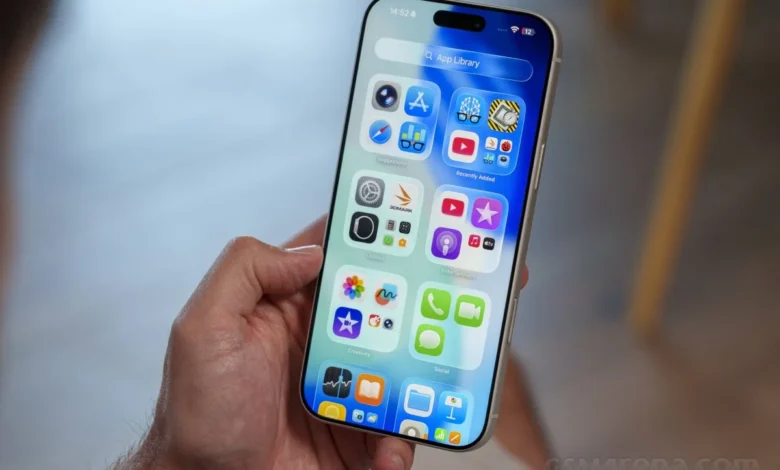
Apple is reportedly preparing to launch a significant new device leasing program, dubbed "Apple Upgrade," in partnership with the Swedish fintech giant Klarna. This initiative, first brought to light by a Bloomberg report, signals a strategic pivot for the Cupertino-based technology behemoth, aiming to transform how consumers acquire and utilize its premium hardware. The program, designed to operate akin to a subscription service, is slated to commence on July 28 and will necessitate a soft credit check as part of its enrollment process.
The core structure of Apple Upgrade revolves around fixed-term leases for various Apple devices. iPhones and Apple Watches will be available on 24-month lease agreements, while iPads and Macs will feature longer 36-month terms. This structured payment model is expected to make Apple’s often high-priced devices more accessible to a broader consumer base, especially in an economic climate marked by rising costs and inflationary pressures.
Decoding the Program: Inclusions, Exclusions, and Flexibility
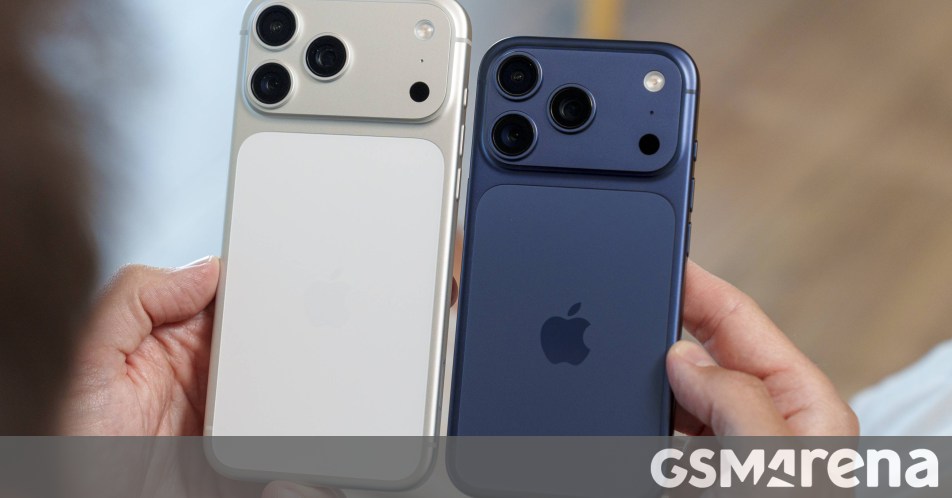
While designed to enhance accessibility, the program will not extend to Apple’s entire product catalog. Specific entry-level or newly introduced models are slated for exclusion. The Apple Watch SE, the base iPad model, the recently launched iPhone 16, and the MacBook Neo will reportedly not be eligible for the Apple Upgrade program. This selective inclusion strategy suggests Apple might be aiming to guide customers towards specific tiers of its product lineup through the leasing option, or perhaps to manage initial supply and demand for new, highly anticipated releases like the iPhone 16 and MacBook Neo through outright sales channels. The exclusion of the iPhone 16, despite its prices being listed in related promotional material, indicates a potential strategy to differentiate purchasing pathways for its latest flagship device.
A key feature designed to offer consumers flexibility is the option to pay off a device early or upgrade to a newer model before the lease term concludes. This provision addresses a common concern among technology enthusiasts regarding being locked into older hardware. Furthermore, at the culmination of the lease period, users will face a choice: either return the device or retain ownership, presumably by paying a residual value or completing a final purchase payment. This flexibility is a critical component for consumer appeal, offering pathways that cater to different user preferences regarding device longevity and ownership.
However, a notable departure from Apple’s existing offerings is the exclusion of AppleCare from the Apple Upgrade program. Unlike the long-standing iPhone Upgrade Program (IUP), which bundles AppleCare+ for comprehensive coverage, the new leasing model will not include this service. This implies that users will need to independently purchase AppleCare or alternative insurance options to protect their leased devices, adding another layer of consideration for potential participants.
Timeline and Transition: Phasing Out the Old, Ushering in the New
The launch of Apple Upgrade on July 28 marks not only the introduction of a new service but also the sunsetting of an established one. Apple reportedly plans to discontinue its current iPhone Upgrade Program (IUP) simultaneously with the debut of Apple Upgrade. The IUP, which has been a staple for many iPhone users seeking annual upgrades and bundled AppleCare+, represented an earlier iteration of Apple’s foray into structured device acquisition. Its discontinuation underscores Apple’s intent to consolidate and streamline its financing offerings under the new, broader "Apple Upgrade" umbrella.
This transition occurs roughly a month after Apple implemented significant price hikes across nearly all its device categories, with the exception of iPhones. This chronological sequence suggests a deliberate strategy. The price adjustments, which made Apple’s hardware even more premium, could have potentially deterred some consumers. The introduction of Apple Upgrade, therefore, appears to be a timely response designed to mitigate the impact of these higher price points, offering an alternative pathway for customers to continue accessing Apple’s ecosystem without the immediate burden of a full upfront purchase.
The Strategic Imperative: Contextualizing Apple’s Move
Apple’s move into a more comprehensive device leasing model is not an isolated event but rather a calculated step within a broader industry trend and Apple’s own evolving business strategy. The global economy has witnessed a significant shift from outright ownership to subscription-based services across various sectors, from entertainment and software to automotive. Consumers increasingly value access and flexibility over permanent possession, particularly for high-value items that undergo rapid technological advancements.
For Apple, this strategy aligns perfectly with its intensified focus on growing its services revenue. While hardware sales remain the bedrock of its business, the services segment—which includes App Store commissions, Apple Music, iCloud, Apple TV+, and Apple Arcade—has become a crucial growth engine, offering higher margins and more predictable, recurring revenue streams. A device leasing program, by essentially turning hardware acquisition into a recurring payment model, blurs the lines between product and service, effectively bringing hardware more directly into the services fold. This creates a "sticky" customer base, as users are incentivized to remain within the Apple ecosystem for the duration of their lease and beyond.
Klarna’s Role in the Partnership
The partnership with Klarna is a critical enabler for Apple Upgrade. Klarna, a leading global "Buy Now, Pay Later" (BNPL) provider, brings extensive expertise in consumer credit assessment, payment processing, and managing installment plans. While Apple has its own financial services arm, evidenced by the Apple Card, leveraging Klarna’s established infrastructure and experience in the leasing and financing space allows Apple to rapidly deploy this new program without having to build out an entirely new backend for credit and payment management on such a scale.
Klarna’s involvement also potentially broadens the reach of Apple Upgrade. As a well-known name in the consumer finance space, Klarna might attract a demographic already comfortable with BNPL solutions, extending Apple’s market penetration beyond its traditional customer segments. For Klarna, partnering with Apple, one of the world’s most valuable brands, represents a significant endorsement and an opportunity to expand its footprint in the premium electronics market.
Financial and Market Implications
The introduction of Apple Upgrade carries substantial financial and market implications for Apple, its competitors, and consumers alike.
Bolstering Apple’s Service Revenue Stream:
The most direct financial benefit for Apple is the creation of a new, predictable, and recurring revenue stream. Instead of sporadic, large hardware purchases, Apple will secure steady monthly payments from a substantial portion of its user base. This model enhances financial stability, reduces revenue volatility, and further diversifies Apple’s income beyond direct hardware sales. Analysts widely view such moves as positive for long-term shareholder value, as recurring revenue models often command higher valuations. The integration of hardware payments into a subscription-like framework is a powerful mechanism for customer retention, making it harder for users to switch to competing platforms once they are embedded in a leasing cycle.
Enhancing Consumer Affordability and Market Reach:
For consumers, the program directly addresses the increasing cost of premium smartphones, tablets, and computers. By spreading the cost over 24 or 36 months, Apple Upgrade significantly lowers the upfront financial barrier to owning the latest Apple devices. This affordability push is crucial for maintaining market share, especially in saturated markets where upgrade cycles are lengthening due to device durability and high prices. It also positions Apple to attract new customers who might have previously been priced out of its ecosystem. The ability to upgrade early also caters to the segment of users who always want the latest technology, potentially accelerating refresh cycles for this group.
Competitive Landscape and Industry Response:
Apple’s move is likely to send ripples through the competitive landscape. Rivals like Samsung, Google, and Microsoft, which also offer premium hardware, may feel pressure to introduce similar, more flexible acquisition models to remain competitive. While carrier-subsidized payment plans have long existed, a direct manufacturer-led leasing program with upgrade flexibility offers a distinct value proposition. This could lead to an industry-wide shift towards more subscription-based hardware models, further blurring the lines between tech companies and financial service providers.

A Closer Look at Consumer Considerations
While offering clear benefits, consumers engaging with Apple Upgrade should consider several factors:
- Total Cost of Ownership: It’s essential for consumers to carefully compare the total cost of leasing over the 24 or 36-month term versus purchasing the device outright. While leasing offers lower monthly payments, the cumulative cost might sometimes exceed the direct purchase price, especially if the option to keep the device at the end of the lease involves a significant residual payment. Transparency in these figures will be crucial.
- Absence of AppleCare: The lack of bundled AppleCare requires users to proactively seek out separate insurance for their leased devices. This adds an additional monthly expense and administrative step, which was previously integrated into the IUP. Users must weigh the risk of device damage or loss against the cost of independent coverage.
- Credit Impact: While a "soft credit check" is less impactful than a hard inquiry, participation in a leasing program still involves a financial commitment that could affect a consumer’s credit profile over time. Responsible financial management will be key.
- Flexibility vs. Ownership: The program offers flexibility in upgrading and end-of-lease choices. However, for those who prefer outright ownership and longer device retention, a leasing model may not always be the most economical choice. The decision will depend on individual upgrade habits and financial priorities.
- Environmental Impact: The "return or keep" option at the end of the lease could have positive environmental implications. If a significant number of devices are returned, Apple could implement more robust refurbishment and recycling programs, contributing to a more circular economy for electronics.
Expert and Analyst Perspectives
Industry analysts are largely expected to view the Apple Upgrade program positively for Apple’s long-term strategy. The consistent, recurring revenue stream is a significant draw, contributing to the "stickiness" of the Apple ecosystem. Furthermore, the program is seen as a clever way to maintain sales momentum despite increasing device prices and a challenging economic environment. Some analysts might raise questions about potential cannibalization of outright sales or the complexity of managing multiple financing options, but the overarching sentiment is likely to be that of a smart strategic move to fortify Apple’s position in the evolving consumer electronics market. The ability to control the end-of-life cycle for devices also offers Apple greater control over its secondary market and potential refurbishment operations.
The Future of Apple Device Ownership
The launch of Apple Upgrade signifies a pivotal moment in Apple’s retail strategy and potentially the broader consumer electronics industry. It reinforces the shift towards an "access economy" where consumers increasingly pay for the use of products rather than outright ownership. This model not only benefits Apple by securing predictable revenue but also appeals to a consumer base grappling with the escalating costs of premium technology.
As the July 28 launch approaches, all eyes will be on how consumers respond to this new offering. Its success will likely dictate the future direction of Apple’s hardware acquisition programs and could serve as a blueprint for other technology manufacturers looking to adapt to changing consumer behaviors and economic realities. The Apple Upgrade program is more than just a financing option; it’s a statement about the future of technology consumption, where the lines between product and service continue to converge.
Related posts: