InfiMaker K1 Unveils Desktop 5-Axis CNC Machine Powered by AI, Redefining Accessibility in Manufacturing

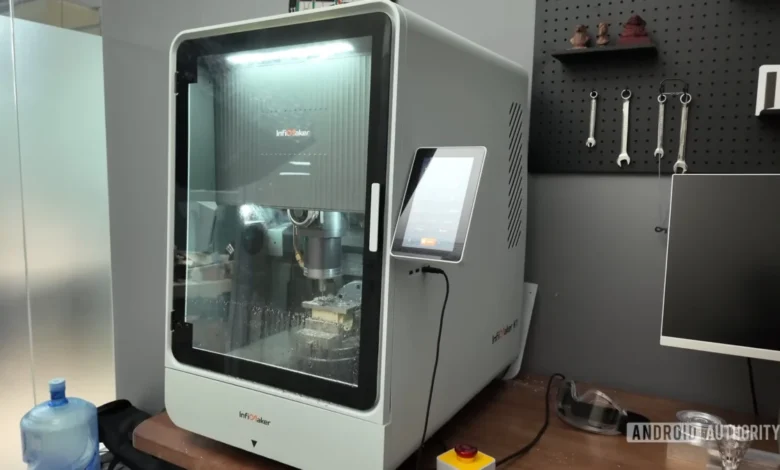
A remarkable innovation in manufacturing technology has emerged from Shenzhen, China, promising to democratize industrial-grade precision machining for a broad new audience. InfiMaker, a pioneering company, recently showcased its K1 desktop 5-axis CNC machine, a device capable of transforming raw materials into intricate products with unprecedented ease. What sets the K1 apart is not merely its compact form factor or its ability to carve complex shapes from solid blocks of metal, but its integrated artificial intelligence (AI) software, which streamlines the design-to-toolpath process from minutes, making sophisticated manufacturing accessible even to those without extensive engineering or machining expertise.
A New Era of Desktop Manufacturing: The InfiMaker K1 Unveiled
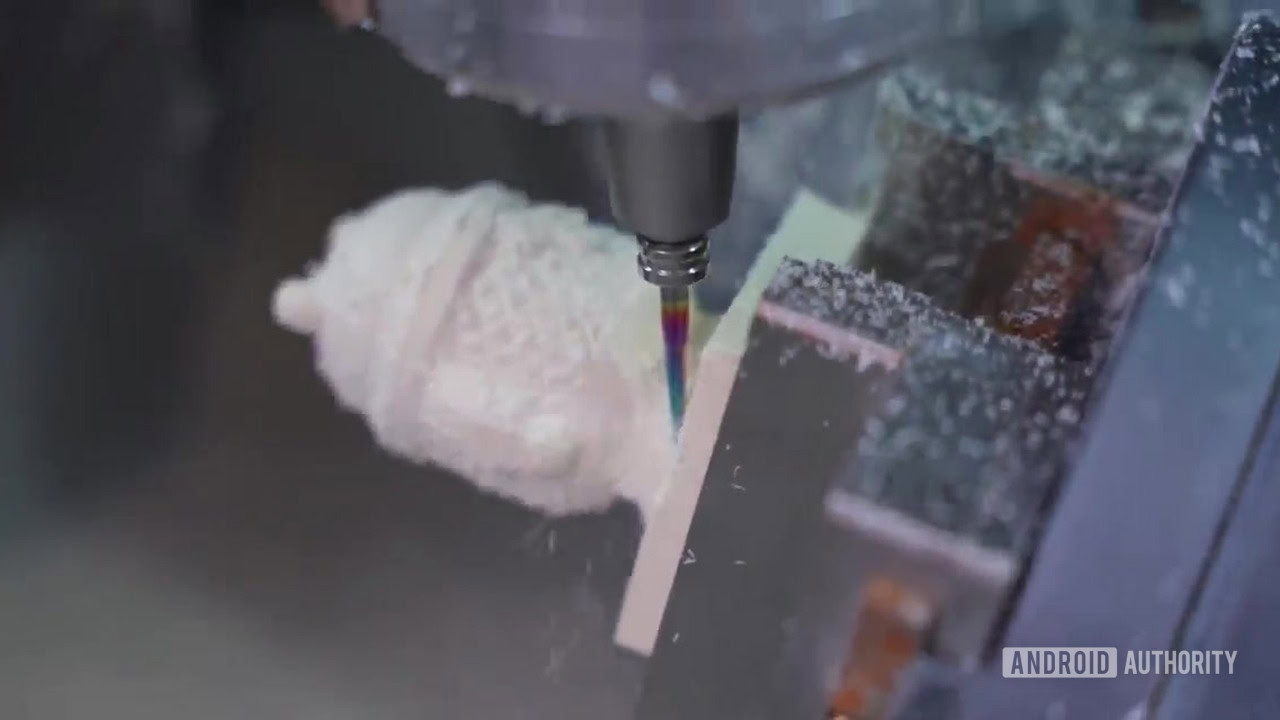
The unveiling took place at InfiMaker’s headquarters, where a demonstration highlighted the K1’s transformative capabilities. A small white Android bot, reminiscent of the Android 6.0 Marshmallow era, was presented as a prime example of the machine’s output. While seemingly simple, the figure was carved from a single solid block of material, with its entire design and machining blueprint generated by AI from a basic 2D image in a matter of minutes. This rapid iteration, from flat visual to machine-ready toolpath, represents a significant leap from traditional manufacturing workflows that often demand hours of specialized software manipulation.
The central piece of this innovation is the InfiMaker K1, a desktop 5-axis Computer Numerical Control (CNC) machine. Unlike its industrial counterparts, which are typically immense, costly, and require highly specialized operators, the K1 is designed to fit seamlessly into a studio, workshop, or even a home environment. It boasts the ability to machine a diverse range of robust materials, including aluminum, steel, and even titanium, making it far more than a mere hobbyist tool. Its primary claim to fame, however, is its intuitive design philosophy: enabling individuals with creative ideas to bring them to life without first needing to become seasoned machinists.
Democratizing Precision: Bridging the Gap from Idea to Product
Before the advent of machines like the K1, the world of CNC machining was largely confined to industrial settings and expert practitioners. Yet, the physical world around us is teeming with products that originated on CNC machines. From the intricate components of high-end cameras and drones to critical automotive parts, robotic joints, and even everyday items like photo frames, countless manufactured goods begin their journey as a raw block of material shaped by a CNC machine. The sheer ubiquity of CNC-produced parts belies the high barrier to entry traditionally associated with the technology.
Conventional industrial CNC machines come with substantial price tags, often running into tens or hundreds of thousands of dollars, and demand operators who have undergone years of rigorous training to master their complexities. InfiMaker’s proposition with the K1 challenges this paradigm directly. It’s not just a smaller CNC machine; it’s a fully capable industrial-grade tool re-engineered for accessibility, targeting designers, engineers, artists, and small businesses who possess innovative ideas but lack the resources or time to become machining experts.
Design Philosophy: Industrial Power, Consumer Aesthetic
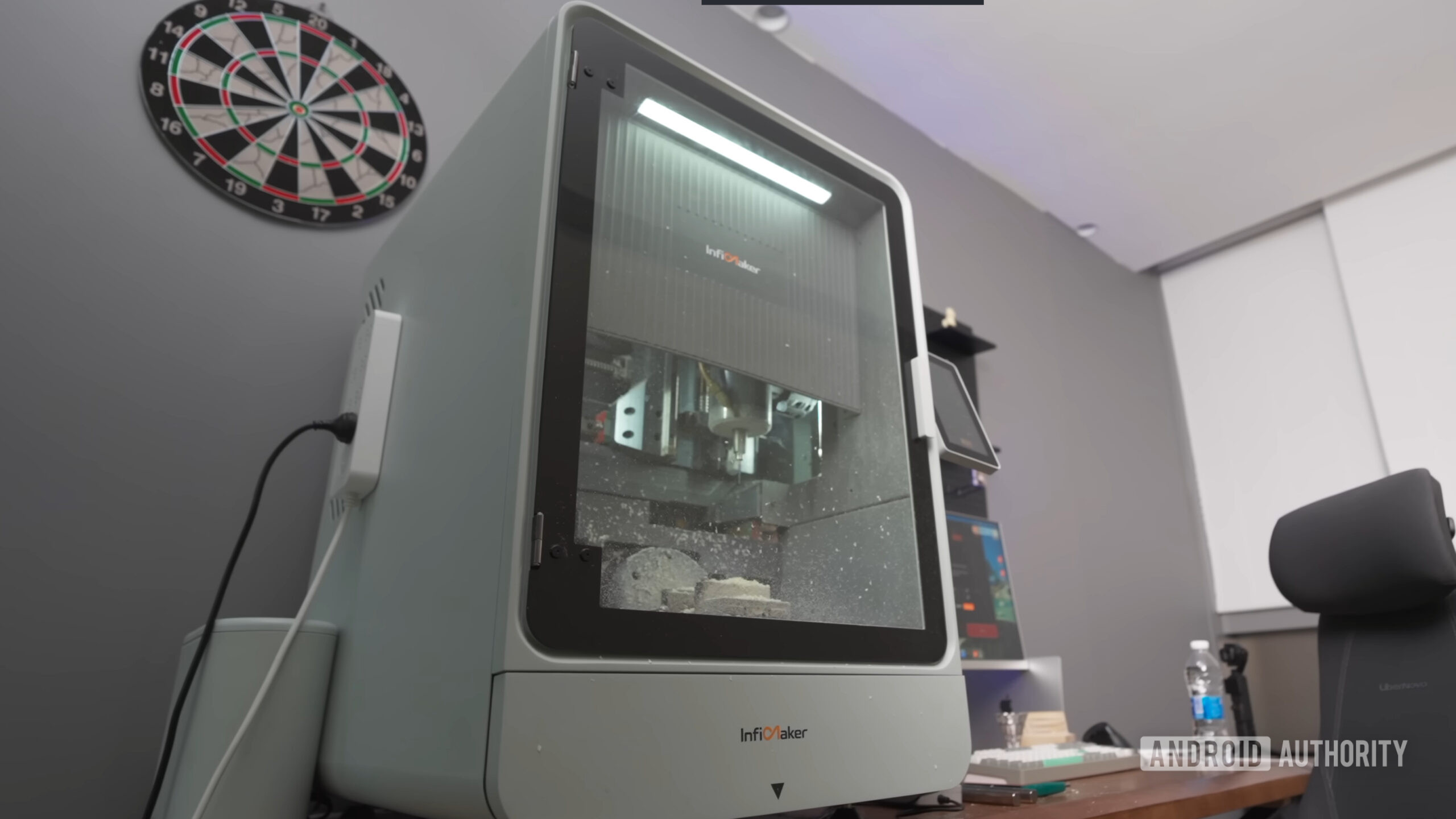
The first striking aspect of the K1 is its appearance. Eschewing the intimidating, exposed mechanisms and rugged industrial aesthetic of traditional CNC equipment, the K1 features a clean, enclosed design that would not look out of place on a modern kitchen counter or in a design studio. Bowen Xie, the founder and CEO of InfiMaker, explained the rationale behind this deliberate design choice. He observed that conventional CNC machines are often intimidating by their very nature, built for trained professionals rather than casual users.
Xie’s vision was shaped by his experiences over a decade ago in robotics competitions, where he found himself spending more time grappling with complex machine shop tools than actually developing his creative concepts. This frustration led him and his team to envision a different kind of machine—one that felt inviting and natural to use. The design team repeatedly referenced the elegance and user-friendliness of a high-end espresso machine as their benchmark, aiming to create a tool that users would want to interact with daily, rather than feeling unqualified to approach. This premium, approachable aesthetic serves a dual purpose: it makes the K1 visually appealing and signals its intended audience—creators with ideas, not just experienced machinists.
Understanding 5-Axis Machining: Unlocking Complex Geometries
At the heart of the K1’s advanced capabilities lies its 5-axis machining technology, a significant upgrade from the more common 3-axis systems. To understand its importance, one must first grasp the fundamentals. Most conventional CNC machines operate along three linear axes: X (left-right), Y (front-back), and Z (up-down). A 5-axis machine introduces two additional rotational axes, typically around the X and Y axes, allowing both the cutting tool and the workpiece to rotate simultaneously. This dynamic movement enables the machine to approach a part from virtually any angle, eliminating the need for manual repositioning and re-fixturing, which is a time-consuming and often error-prone process in 3-axis machining.
Bowen Xie provided a simple yet effective analogy to explain 5-axis to a novice: "3-axis is like your wrist in a cast, only able to carve straight down without moving around. With 5-axis, your wrist is free again, able to move around." This freedom of movement is precisely what unlocks a new universe of complex geometries. Examples shown included a propeller fan and a pineapple, objects whose intricate curves, undercuts, and organic forms are simply impossible to achieve with a standard 3-axis machine. The ability to create such detailed and complex models without multiple setups dramatically enhances design freedom and manufacturing efficiency. Observing the K1 in action, with all five axes moving in concert, truly resembles a choreographed "dance" rather than a mere mechanical milling operation, showcasing its sophisticated control.
Engineering the Compact Powerhouse: Challenges and Innovations
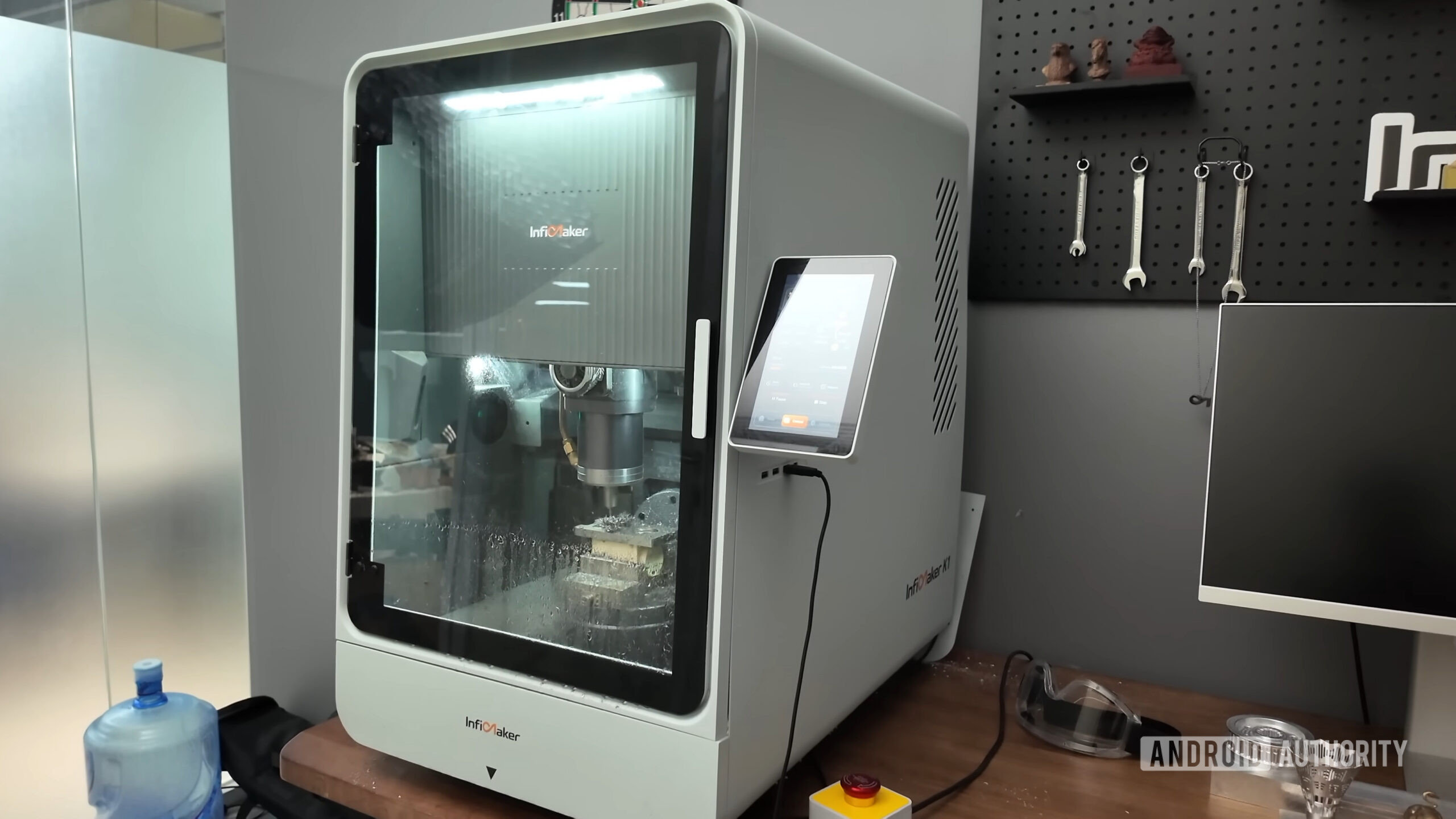
Developing a desktop 5-axis CNC machine with industrial capabilities presented substantial engineering challenges for the InfiMaker team. The primary difficulty, as engineers explained, lay in finding the optimal balance between price, size, rigidity, and weight. Achieving high precision and the ability to cut hard materials typically requires massive, heavy, and expensive structures to absorb vibrations and maintain stability. InfiMaker conducted extensive experiments, simulations, and real-world cutting tests to fine-tune every specification, ensuring robust performance within a compact footprint.
The machine’s weight, at 110 kilograms, initially seemed considerable for a "desktop" unit. However, the engineers clarified that this mass is crucial for maintaining precision during operation. The inherent vibrations generated during high-speed machining can degrade accuracy over time, and a substantial, rigid frame is essential to counteract this. This design choice underscores InfiMaker’s commitment to delivering industrial capability in a compact form, prioritizing precision and stability even if it means a heavier unit than one might initially expect for a desktop device. Every design decision, from the choice of materials for the frame to the internal mechanics, was geared towards achieving industrial-grade precision in a size suitable for a studio or maker space.
InfiStudio: AI-Powered Simplicity in Workflow
Perhaps the most revolutionary aspect of the InfiMaker K1 is its accompanying software, InfiStudio. Traditionally, moving from a design idea to a machine-ready toolpath for CNC machining involves a multi-step, technically demanding process. Users typically need to master Computer-Aided Design (CAD) software to create a 3D model of their part, followed by Computer-Aided Manufacturing (CAM) software to generate the specific machining instructions (toolpaths) for the CNC machine. This entire process can consume hours, even for experienced users, before a single cut is made.
InfiStudio is engineered to largely bypass this complexity, especially for creative, image-driven work. The software leverages AI to generate a 3D model directly from a 2D image or even a text description. The author’s personal experience demonstrated this seamless workflow: simply dragging a classic Marshmallow Android bot image into InfiStudio resulted in a fully rotatable, inspectable 3D model within one to two minutes. While InfiMaker confirms that precision parts can still be imported directly via traditional CAD/CAM files, the AI-driven approach significantly lowers the barrier for entry.
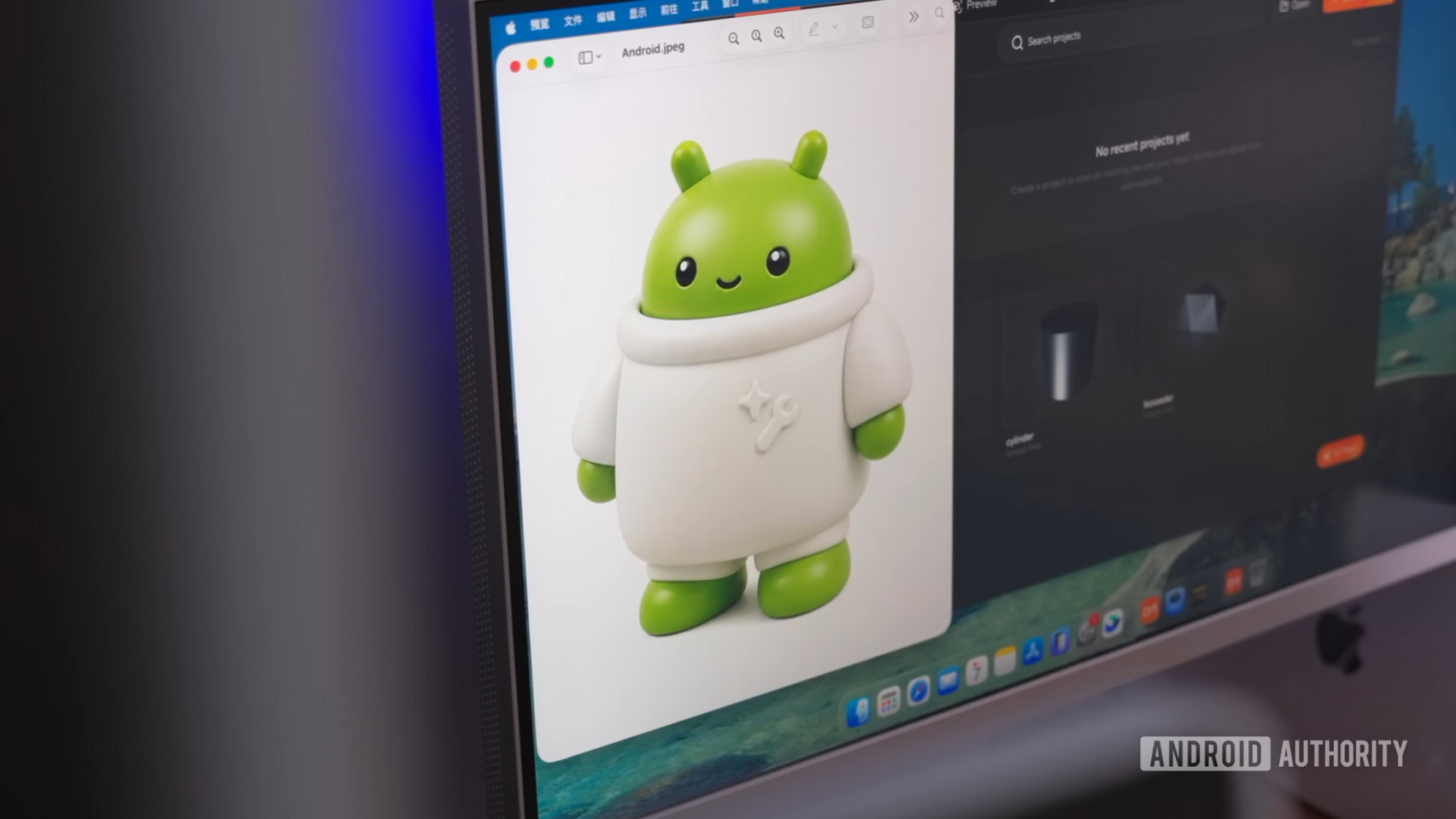
Once the 3D model is generated, the user selects the material and sets approximate block dimensions (InfiStudio has a built-in system to determine the material’s real dimensions). The process felt remarkably similar to using a 3D printer: import, make minor adjustments, and click "generate." InfiStudio even provides a preview of the generated toolpath and an estimated machining time, offering full transparency before committing to the cut.
Adding to the K1’s automation and user-friendliness is its automatic tool changer (ATC). This six-slot unit handles tool swaps mid-job without any manual intervention, including the essential touch probe used for precise setup. This feature allows users to genuinely initiate a machining job and walk away, returning to a finished part, a stark contrast to the constant supervision and manual tool changes often required by less automated machines. This level of automation is critical to InfiMaker’s vision of a truly accessible manufacturing experience.
Validating Precision: The Puzzle Piece Test and Industrial Standards
While InfiStudio’s software convenience is impressive, the core capability of any CNC machine lies in its precision. To demonstrate the K1’s accuracy, InfiMaker presented a compelling real-world test: two separately machined metal pieces designed to interlock perfectly, like a puzzle. Even a minuscule deviation in the machine’s accuracy would prevent a clean fit. The demonstration showed the two pieces clicking together flawlessly, validating the K1’s claimed 0.01mm precision. This level of accuracy is typically associated with much larger, significantly more expensive industrial machines, making it a powerful testament to the K1’s engineering.
When questioned about why InfiMaker didn’t pursue even higher-end industrial specifications, Bowen Xie’s response was direct and aligned with the company’s mission. InfiMaker’s goal was never to build a machine capable of producing components for a SpaceX rocket—a domain requiring years of dedicated training and specialized facilities. Instead, their objective was accessibility: packaging industrial-grade 5-axis capability into a user-friendly format for designers and creators who have never operated a CNC machine.
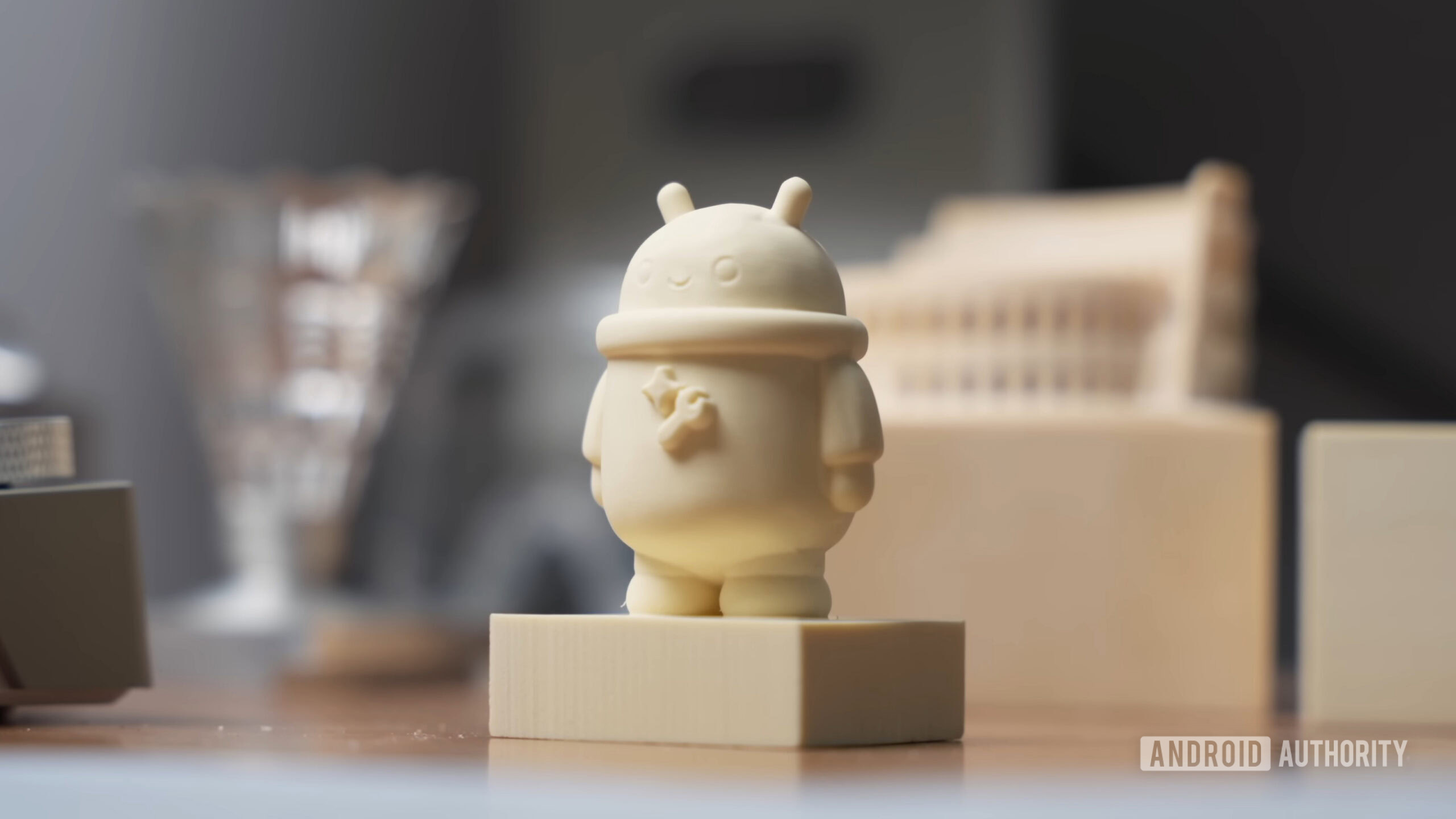
This framing helps define whether the K1 is a "serious tool" or merely a "well-designed hobbyist toy." InfiMaker asserts that "serious" capability stems from two synergistic factors: robust output capability and simplified workflow. On the output side, the K1 features a powerful 1,500W spindle capable of cutting real metals like aluminum and brass, not just soft materials such as foam or plastic. On the workflow side, the six-tool ATC and InfiStudio’s autonomous toolpath generation eliminate the need for constant manual intervention, ensuring a high success rate where users can "press start, walk away, and come back to a finished part."
Materials and Capabilities: Beyond Hobbyist Limitations
The InfiMaker K1’s published specifications further elaborate on its capabilities. The spindle is rated up to 20,000 RPM, indicating high-speed machining potential for various materials. Beyond aluminum and brass, the K1’s comprehensive material compatibility list includes copper, various woods, acrylic, machinable wax, jade, resin, and even steel and titanium for lighter-duty applications. This broad material versatility positions the K1 as a highly adaptable tool for a wide range of creative and engineering projects, from intricate jewelry and artistic sculptures to functional prototypes and small-batch production runs. The ability to handle such a diverse array of materials with high precision solidifies its claim as a serious manufacturing instrument rather than a limited hobbyist device.
Market Impact and Future Implications
The introduction of the InfiMaker K1 has significant implications for various sectors. For product designers and engineers, it offers an unprecedented ability to rapidly prototype complex parts in a desktop environment, accelerating innovation cycles. Small businesses and startups can leverage the K1 for on-demand, small-batch manufacturing, reducing reliance on costly external fabrication services and bringing production in-house. Educational institutions and maker spaces could also benefit immensely, providing students and enthusiasts with hands-on experience in advanced manufacturing without the prohibitive costs and complexities of traditional industrial machinery.
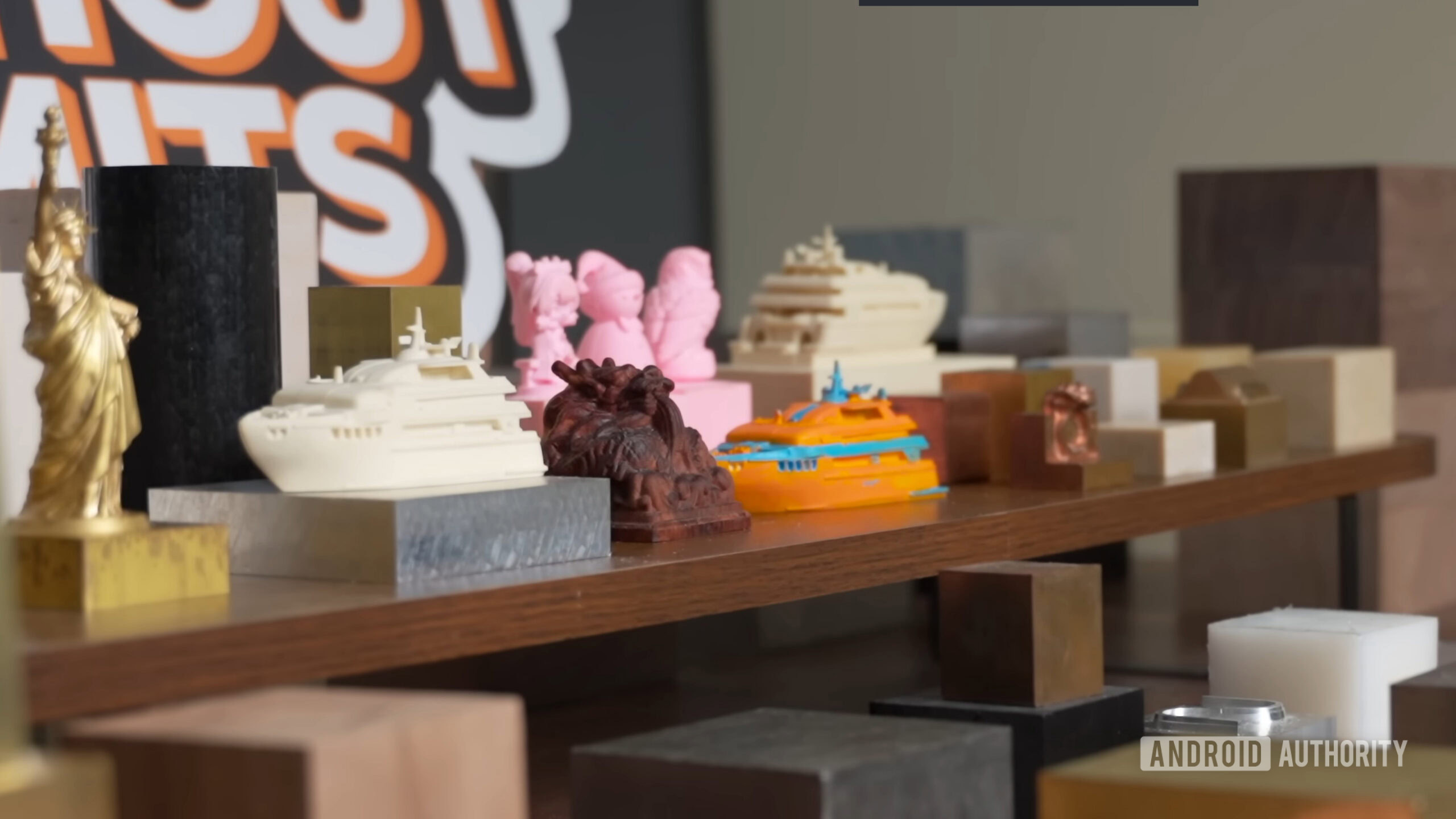
The K1’s approach, combining 5-axis CNC with AI-driven software, positions it as a complementary, and in some cases, superior alternative to 3D printing. While 3D printing excels at additive manufacturing and complex internal structures, CNC machining, particularly 5-axis, offers superior material strength, surface finish, and precision for subtractive manufacturing, especially with metals. The K1 effectively bridges the gap between digital design and physical realization, empowering a new generation of creators to turn their ideas into tangible products with remarkable efficiency. This democratizing force could potentially foster a new wave of localized manufacturing and custom product creation, decentralizing aspects of production that were once the sole domain of large factories.
Availability and Early Bird Opportunities
The InfiMaker K1 is set to launch its crowdfunding campaign on Kickstarter in July 2026. Ahead of the official launch, InfiMaker is offering an enticing early bird opportunity. Prospective backers can secure a $50 refundable deposit, which locks in a special VIP price of $4,999 for the K1. For those who do not reserve a spot in advance, the backer price will be $5,199.
After a comprehensive demonstration and hands-on experience with the K1 in Shenzhen, the most lasting impression was not solely about its impressive technical specifications, but about the sheer simplicity of its operation. For someone who has never engaged with CAD software or learned intricate toolpath strategies, the ability to transform a basic image into a finished, metal-capable part underscored InfiMaker’s core promise. Regardless of its eventual success on Kickstarter, the InfiMaker K1 undeniably achieves its stated goal: delivering genuine industrial manufacturing capability in a package so approachable that it feels at home in a personal studio, rather than confined to a factory floor. This machine represents a compelling vision for the future of accessible, high-precision manufacturing.
Related posts: