Samsung Galaxy S26 FE Review: A Streamlined Flagship Experience or a Compromised Value Proposition?


Samsung continues its annual tradition of capping off its flagship smartphone cycle with a Fan Edition (FE) release, arriving just ahead of the late-summer window in major markets like the United States and the United Kingdom. Released globally on September 4, 2026, the Samsung Galaxy S26 FE is engineered to deliver a streamlined version of the premium Galaxy S experience—focusing heavily on core performance, battery longevity, and advanced software integration—while shaving down the cost for budget-conscious consumers. However, a localized price hike this generation introduces complex market dynamics, forcing buyers to heavily weigh the trade-offs between the FE moniker and Samsung’s "full-fat" flagship alternatives.
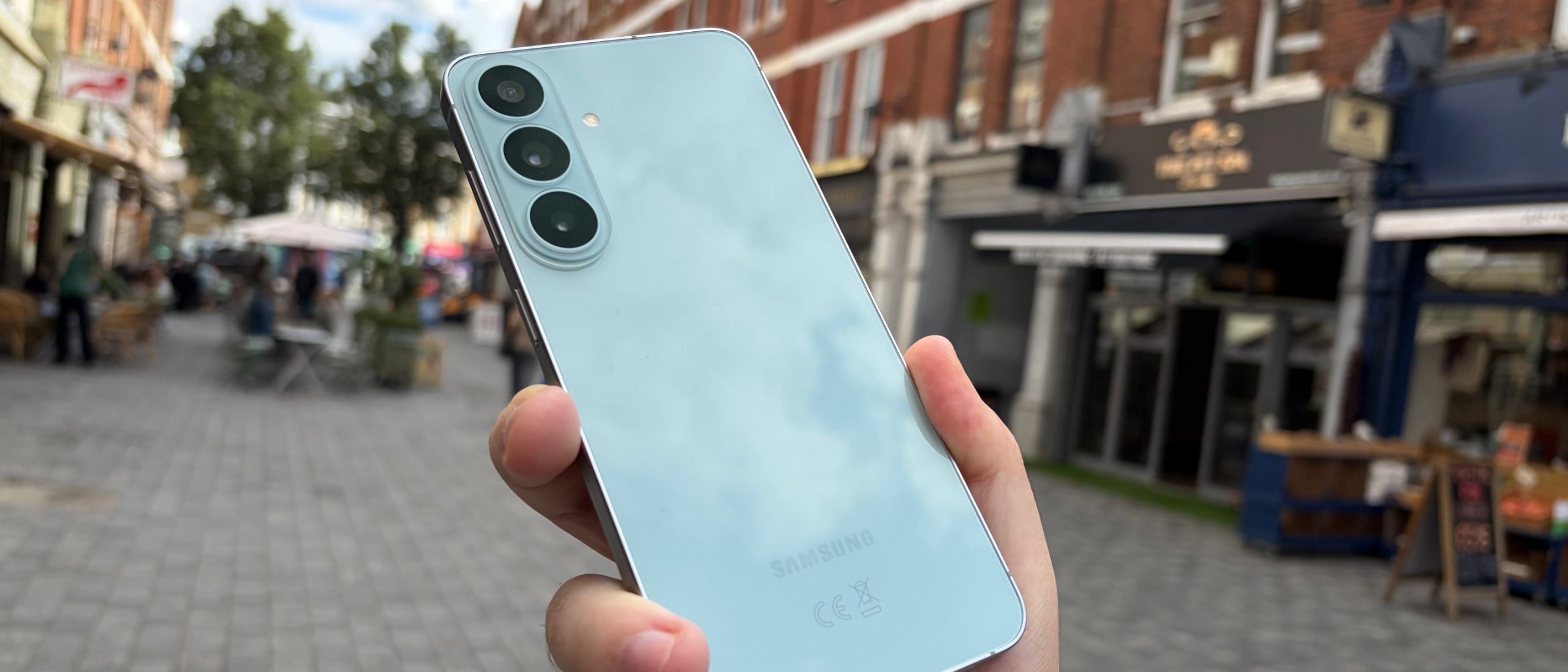
Priced starting at $699 / £699 / AU$1,149 for the baseline 128GB iteration, the S26 FE represents a $50 / £50 / AU$50 increase compared to its predecessor, the Galaxy S25 FE. This modest upward adjustment narrows the financial gap between the FE tier and standard flagship models. For instance, a $200 / £180 / AU$400 difference separates the S26 FE from the base Samsung Galaxy S26, while a $400 / £400 / AU$700 delta exists between the FE and the larger Galaxy S26 Plus. Because standard Galaxy S26 variants typically offer double the default storage out of the box, direct cost comparisons require careful consideration of consumer storage needs. To offset the initial hardware expenditure, Samsung is bundling six months of Google AI Pro—valued at approximately $120 / £114 / AU$200—providing users with expanded cloud storage capabilities and enhanced Gemini functionality.
Chronology and Market Positioning
Historically, Samsung utilizes the FE lineup to clear out mature manufacturing pipelines while testing market appetite for flagship-adjacent pricing structures. Released initially on September 4, 2026, the device arrives in three distinct storage configurations depending on the region: a 128GB model priced at $699 / £699 / AU$1,149; a 256GB option retailing for $799 / £799 / AU$1,299; and a region-exclusive 512GB tier available in select international markets like the UK (£949) and Australia (AU$1,599).
The release strategy reflects Samsung’s broader attempt to capture market share in the upper-mid-range sector, positioning the S26 FE directly against competitors from Google and Apple. Yet, industry analysts note that pricing the FE too close to standard flagships risks cannibalizing sales or driving consumers toward fully featured alternatives that offer superior long-term hardware value.
Hardware Specifications and Design Evolution
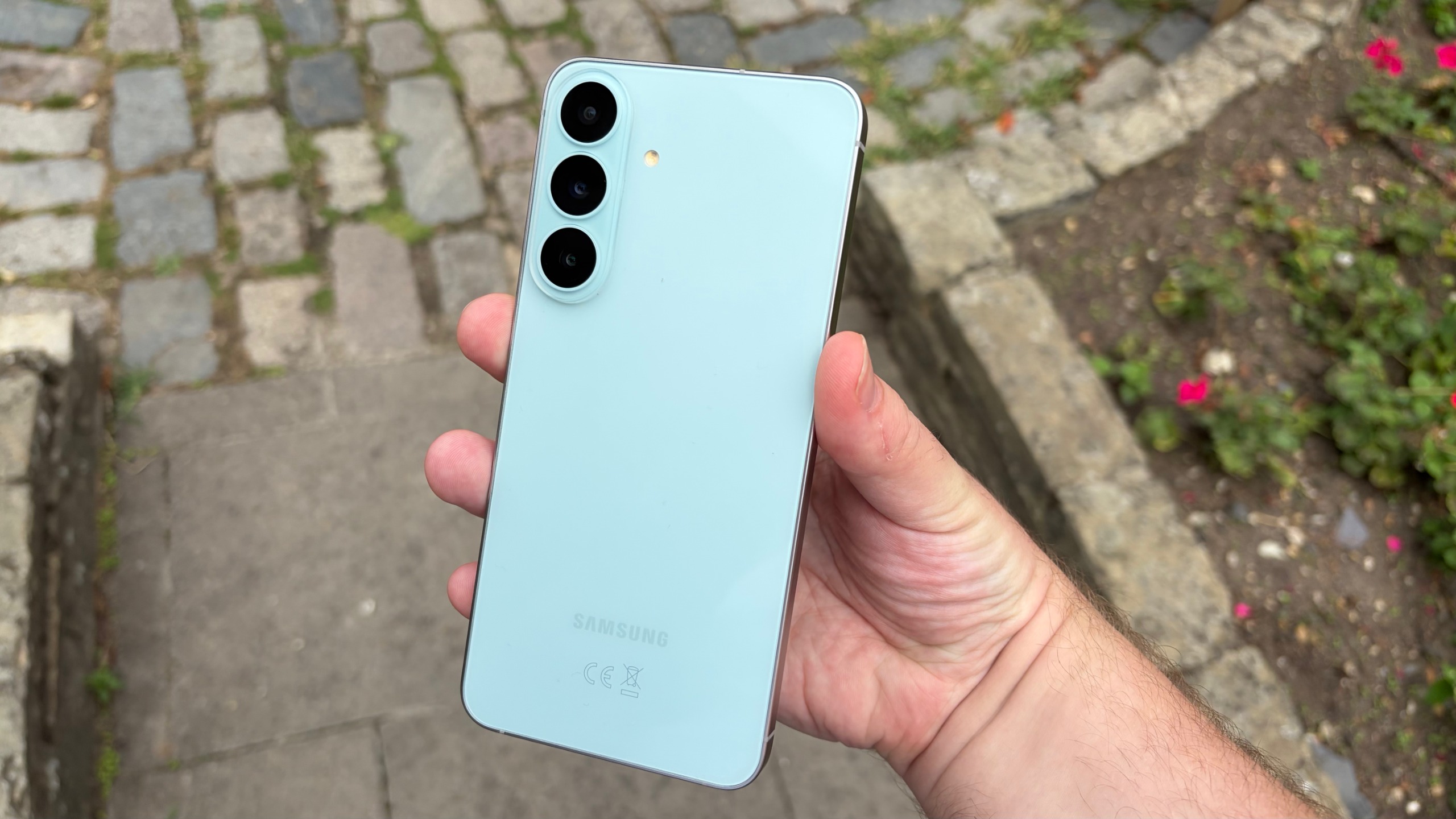
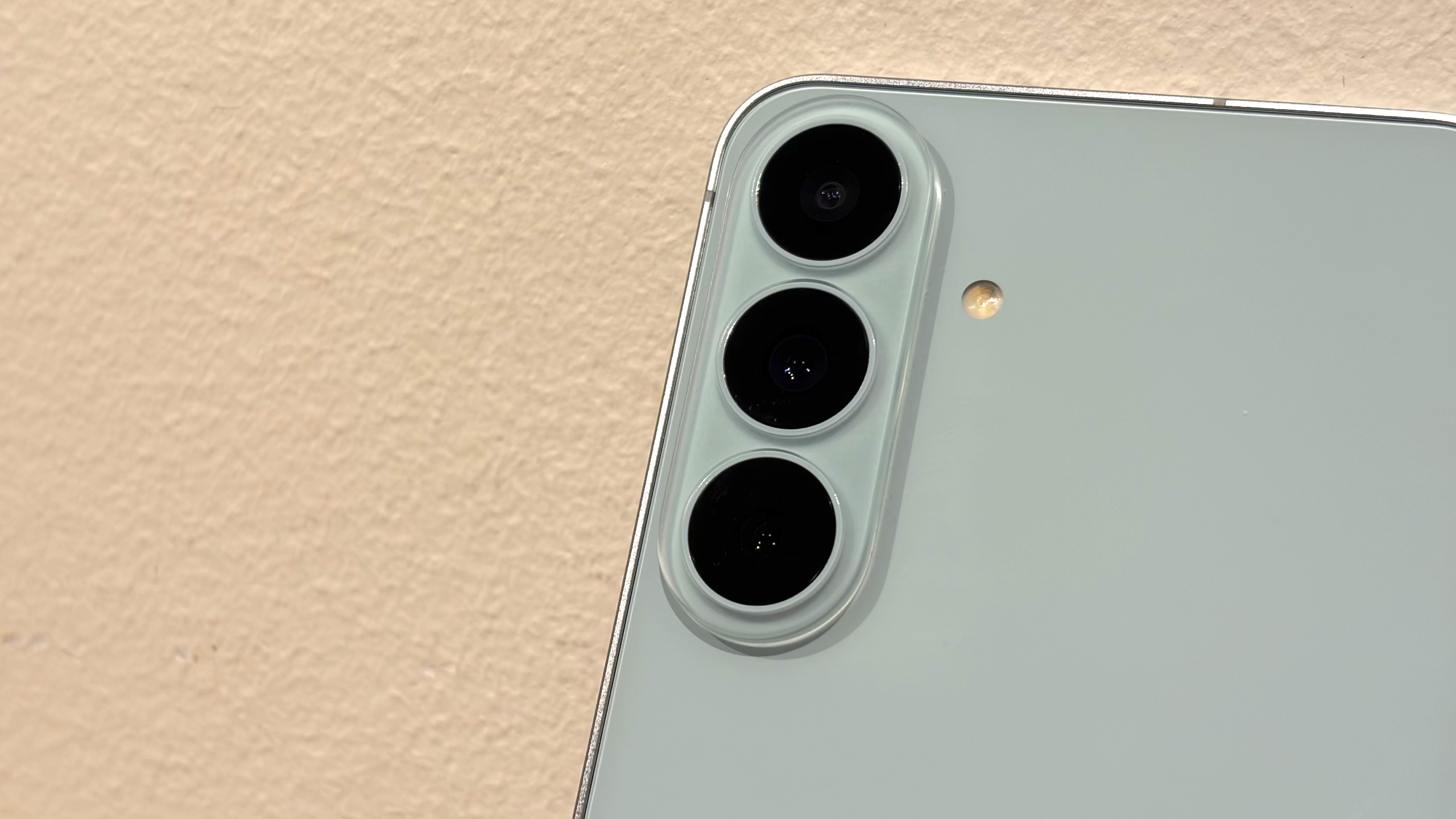
In terms of physical architecture, the Galaxy S26 FE maintains close parity with the previous generation. Measuring 161.6 x 76.9 x 7.4mm and weighing 193 grams, the handset features flat aluminum rails, rounded corners, and a triple-lens camera array embedded flush into the rear panel. Aesthetic differentiators between the FE and the core S26 models include a glossy rear finish rather than a matte texture, along with a slightly thicker chin bezel beneath the display.
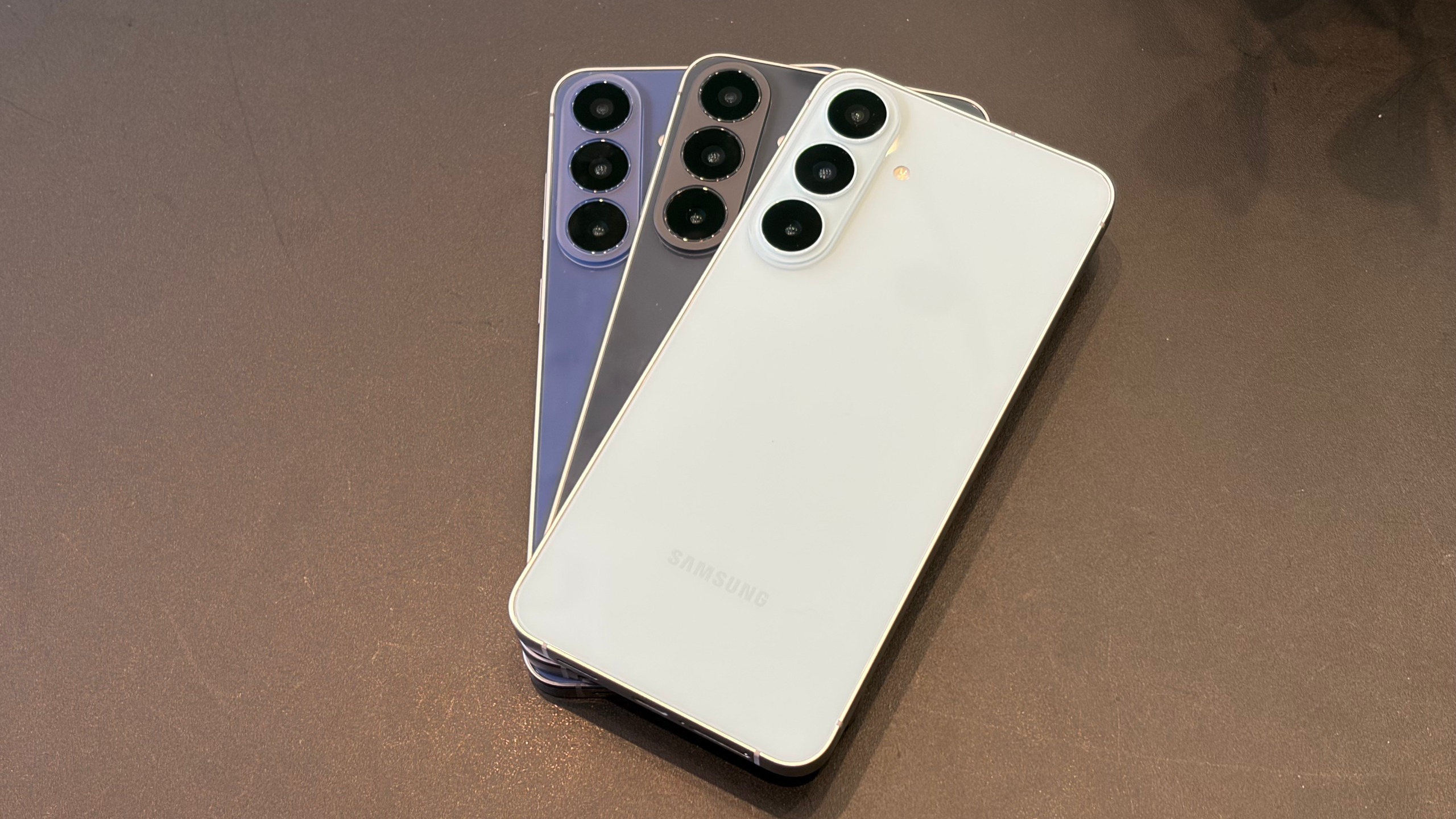
Samsung offers the device in three colorways: Graphite, Blueberry, and Pistachio. Durability is managed via IP68 water and dust resistance, paired with Gorilla Glass Victus Plus protection on both the front and back surfaces. While robust, this glass generation sits one step behind the advanced shielding found on the standard S26 and S26 Plus models.
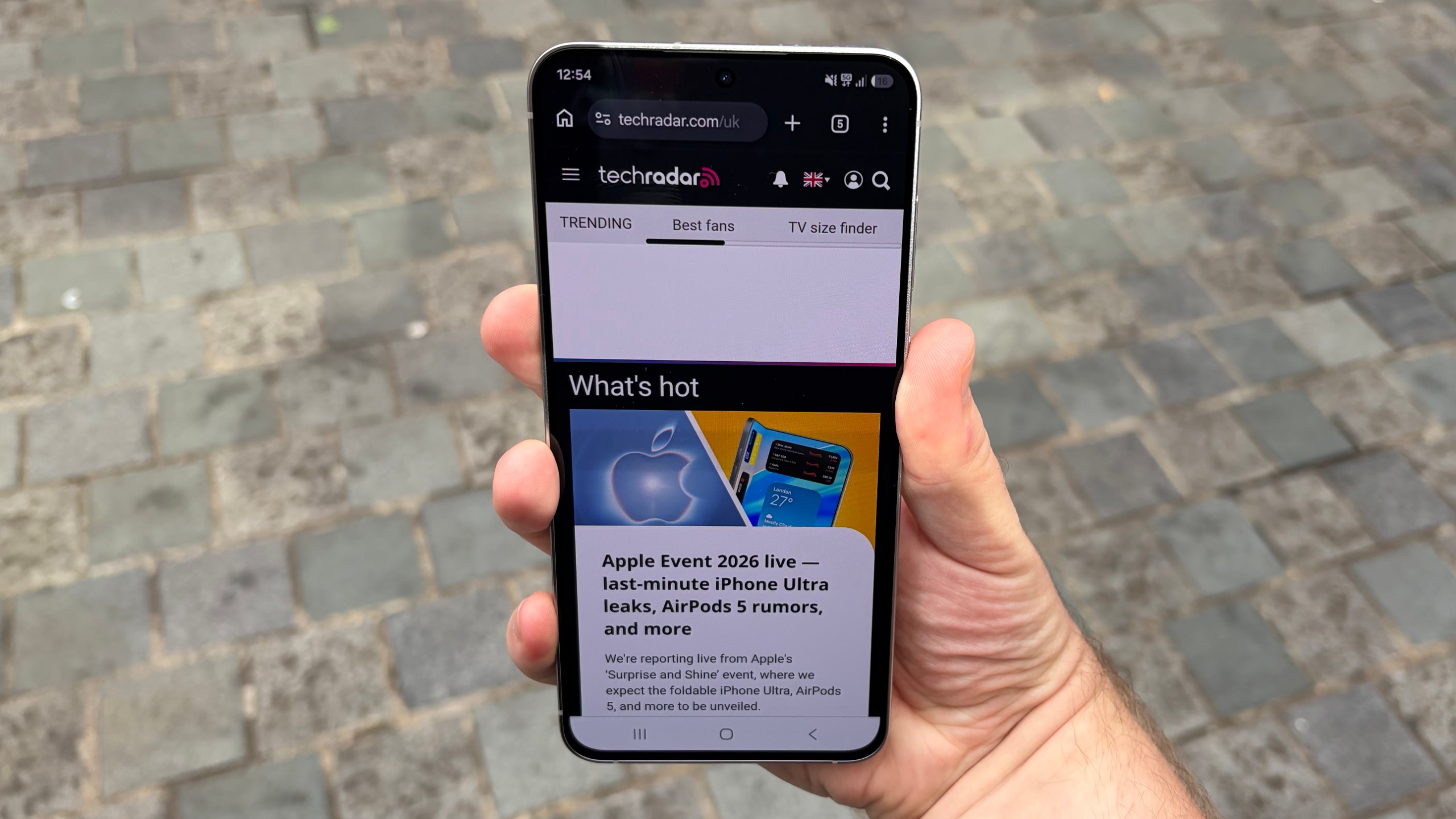
The front of the device is dominated by a 6.7-inch Dynamic AMOLED 2X display, matching the screen dimensions of the S26 Plus. However, technical compromises are evident: the panel resolution maxes out at FHD+ (1080 x 2340) rather than QHD, and peak brightness tops out at 1,900 nits compared to the 2,600-nit threshold of its more expensive siblings. Despite these reductions, the screen delivers vibrant color reproduction, strong contrast, and acceptable legibility under direct sunlight.
Performance and Internal Architecture
Under the hood, the Galaxy S26 FE departs from the Qualcomm Snapdragon 8 Elite Gen 5 silicon utilized in the broader S26 family, opting instead for Samsung’s in-house Exynos 2500 chipset paired with 8GB of RAM.
Benchmark testing reveals a nuanced performance profile. While the Exynos 2500 lags marginally in single-core CPU evaluations—recording a Geekbench 6 single-core score of 2,361—it demonstrates competitive multi-core results at 7,831. Furthermore, the chipset excels in graphical workloads, achieving a standout score of 10,526 in the 3DMark Solar Bay ray-tracing benchmark. This indicates that the device is well-equipped for mobile gaming and intensive graphical rendering, though its 8GB RAM ceiling can introduce bottlenecks during heavy multitasking compared to the 12GB standard found across the rest of the S26 lineup.
Camera Capabilities and Photographic Performance
The camera configuration centers on a 50MP wide primary lens (f/1.8), supported by a 12MP ultra-wide sensor (f/2.2), an 8MP 3x telephoto lens (f/2.4), and a 12MP front-facing selfie camera (f/2.2).
Real-world testing highlights a distinct capability split among the lenses. The primary 50MP sensor performs reliably, capturing balanced dynamic range and rich color saturation in complex lighting conditions. High-resolution sensor cropping also enables an effective in-sensor 2x zoom mode that preserves fine detail. However, the secondary lenses present limitations; the 3x telephoto sensor yields flatter, darker images compared to the dedicated 10MP telephoto units on standard S26 models, and the ultra-wide lens occasionally produces drab color profiles in overcast settings. Portrait photography remains a strength, benefiting from Samsung’s refined depth-sensing algorithms and accurate subject isolation.
Software Ecosystem and Longevity
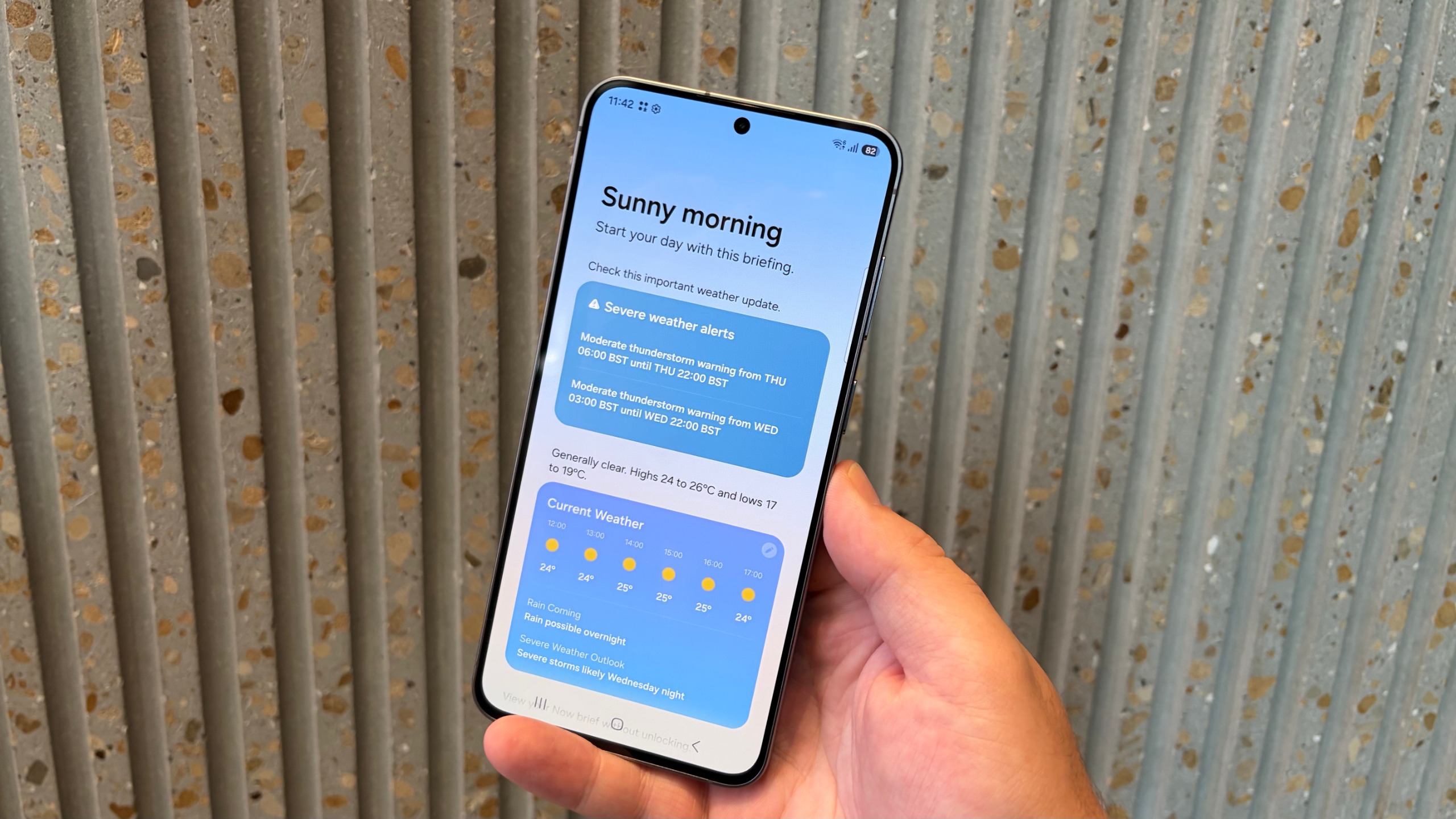
The S26 FE ships with One UI 9 pre-installed, based on Android 17. This gives the device an immediate software advantage over other S26 models that launch with beta iterations of the operating system.
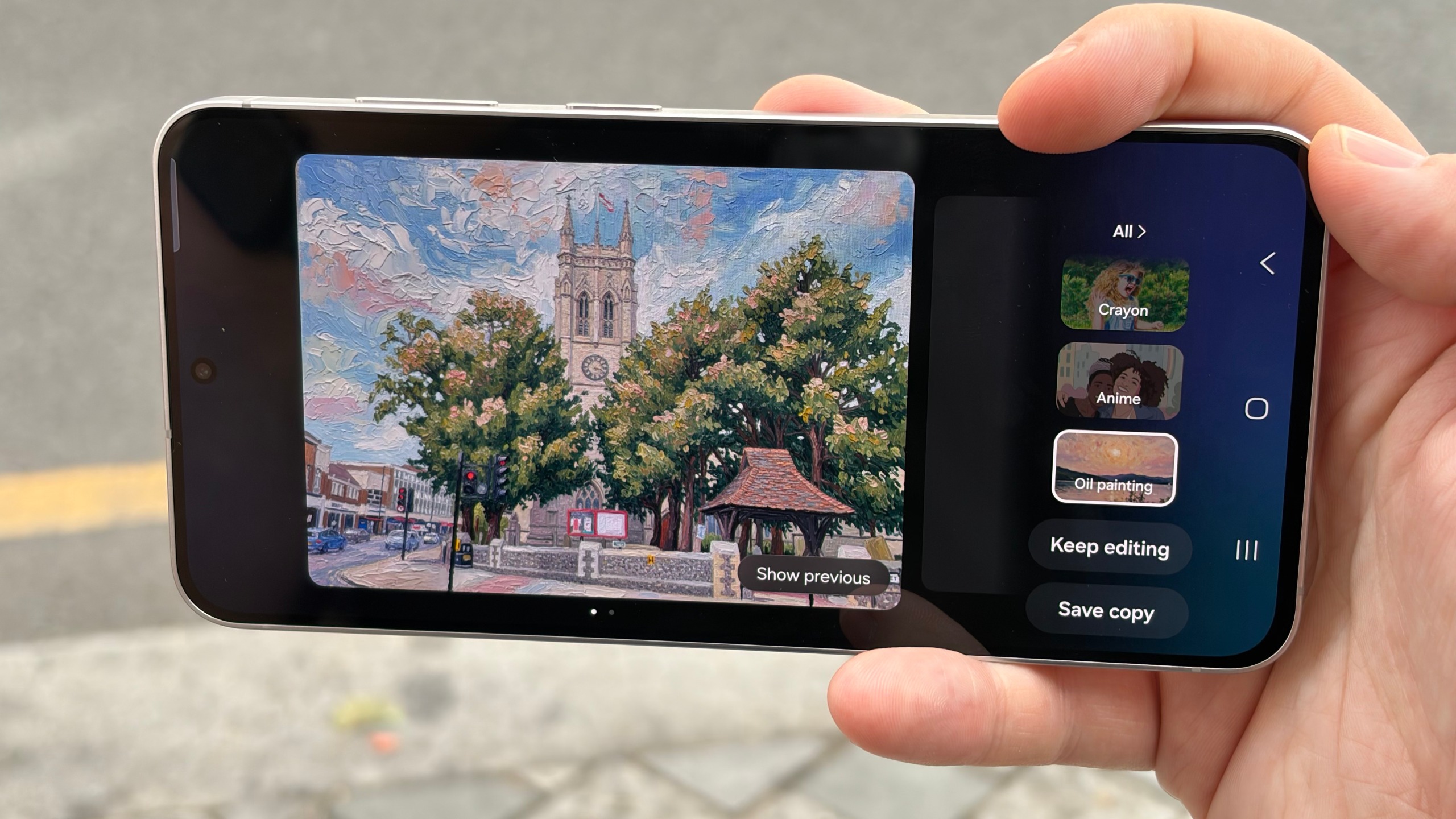
Software features include advanced utilities such as FanCam (a subject-tracking video tool ported from Samsung’s foldable lineup), Photo Assist, Audio Eraser, and expanded Gemini AI integrations. Productivity enhancements are anchored by Now Brief, customizable widget cards, and Now Nudge capabilities. Crucially, Samsung guarantees seven generations of Android upgrades and seven years of security patches, matching its flagship tier and offering extended support compared to mid-range alternatives like the Galaxy A57.
Battery Life and Charging Metrics
Equipped with a 4,900mAh battery—identical in capacity to the Galaxy S26 Plus—the FE delivers reliable endurance. Official manufacturer testing estimates up to 29 hours of continuous video playback. In practical daily usage involving messaging, media consumption, and web browsing, the device typically consumes roughly 40% of its charge over a standard workday, comfortably clearing a full day of independent operation.
Charging infrastructure supports 45W wired input and 15W wireless charging, though the device lacks Qi2 compatibility. Using a compatible 45W charger, the handset achieves approximately a 43% charge in 15 minutes and a full 100% replenishment in 58 minutes.

Broader Implications and Market Impact
The Samsung Galaxy S26 FE occupies a complex space within the consumer electronics landscape. By delivering core flagship attributes—such as strong gaming performance, dependable battery longevity, and long-term software support—at a sub-flagship price point, it serves value-driven buyers looking for a large-screen ecosystem device.
However, incremental price increases and hardware concessions in the camera and display departments mean that consumers must carefully evaluate whether the savings justify the compromises. For buyers willing to expand their budgets marginally, core flagship models offer superior longevity, advanced optics, and hardware headroom that may yield better long-term value.