Apple iPhone 18 Pro Pre-Orders Open Alongside Massive Hardware Refresh and Fierce Global Competition

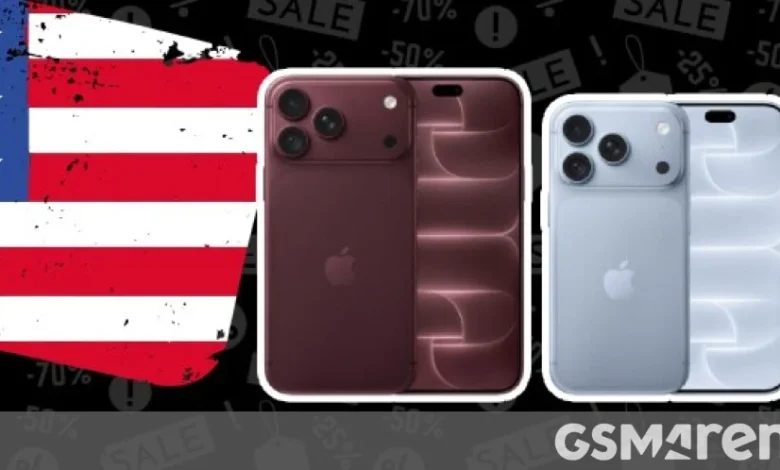
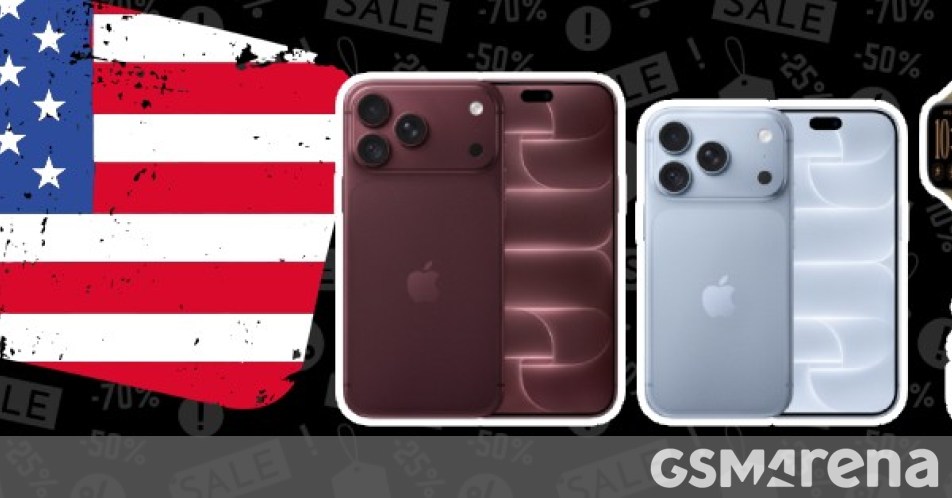
The global smartphone market has officially entered its most active autumn cycle as pre-orders for Apple’s flagship iPhone 18 Pro and iPhone 18 Pro Max open their windows to consumers worldwide. Arriving hot on the heels of controversial price adjustments that saw Apple increase the baseline costs of the iPhone 16, iPhone 17, and iPhone Air series by $100 across various international markets, the latest Pro iterations bypass entry-level vanilla releases—which are traditionally slated for subsequent release cycles—to focus entirely on high-performance engineering. With zero promotional pre-order incentives provided by the Cupertino-based tech giant, consumer demand is serving as a direct test of brand loyalty against an increasingly aggressive and technologically sophisticated competitive landscape spanning Samsung, Google, and emerging foldable form factors.
At the core of the newly launched iPhone 18 Pro and Pro Max models lies a monumental manufacturing milestone: the integration of the industry’s first commercial 2-nanometer processor. Designated the A20 Pro, this silicon architecture pushes clock speeds to unprecedented heights, peaking at 4.93GHz and delivering exceptional benchmark metrics across initial Geekbench evaluations. Alongside raw compute capability, Apple has prioritized longevity and imaging versatility. Both Pro devices claim substantially extended battery endurance—most notably realized in the larger Pro Max footprint—while introducing a complex mechanical variable aperture ranging from f/1.5 to f/4.0 on the primary 48-megapixel 1/1.28-inch camera sensor. This advanced hardware configuration aims to capture professional-grade depth-of-field control historically reserved for standalone mirrorless cameras.
The Traditional Smartphone Landscape: Apple Versus Samsung and Google
For buyers reluctant to absorb Apple’s premium pricing structure or traditional carrier lock-in agreements via major telecommunications providers such as AT&T, T-Mobile, and Verizon, the broader flagship ecosystem presents significant financial and feature-based alternatives.
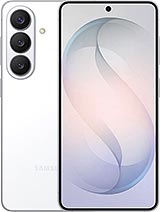
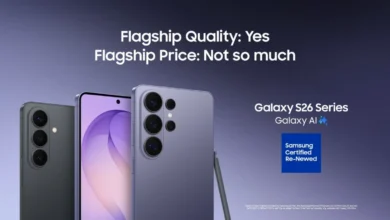
Samsung’s competing Galaxy S26 series provides a direct point of comparison for the 6.3-inch market segment. Offering a similarly sized 120Hz LTPO display panel, the standard Galaxy S26 undercuts the iPhone 18 Pro significantly in retail pricing. However, imaging compromises are apparent: Samsung equips its baseline model with a modest 10-megapixel 3x telephoto (67mm equivalent) and a 12-megapixel ultra-wide lens, trailing Apple’s robust dual-48-megapixel telephoto (4x/100mm) and ultra-wide architecture. Furthermore, Samsung continues to omit native magnetic wireless charging capabilities from its traditional bar-form flagships.
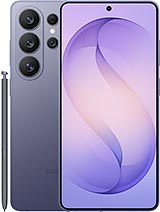
Stepping up to the 6.9-inch category, the Galaxy S26 Ultra presents a more formidable challenge, retailing at a lower price point than both the iPhone 18 Pro Max and, remarkably, the smaller iPhone 18 Pro. The S26 Ultra bridges the hardware gap with a 200-megapixel 1/3-inch main sensor, a 10-megapixel 3x telephoto, an auxiliary 50-megapixel 5x telephoto (111mm equivalent), and a 50-megapixel ultra-wide module. Beyond optics, Samsung differentiates its Ultra tier with proprietary productivity features including the integrated S Pen stylus and a hardware-level Privacy Display mode.
Google similarly contests the 6.3-inch sector with the Pixel 11 Pro, though promotional discounts remain sparse. While Google’s custom Tensor G6 processor successfully mitigates the severe thermal and battery efficiency drawbacks plaguing its predecessor, raw processing metrics continue to lag behind Apple’s A20 Pro and Qualcomm’s Snapdragon 8 Elite Gen 5 for Galaxy. Nevertheless, the Pixel 11 Pro holds distinct advantages in its photographic array—consisting of a 50-megapixel 1/1.3-inch primary sensor, a 48-megapixel 5x telephoto (106mm equivalent), and a 48-megapixel ultra-wide lens—while introducing "Pixelsnap," Google’s proprietary iteration of magnetic wireless charging. The larger Pixel 11 Pro XL mirrors these exact optical specifications within a 6.8-inch display framework.
The Foldable Frontier: Apple Enters the Fold
Perhaps the most disruptive element of the current product cycle is Apple’s expansion into foldable devices. Traditionally hesitant to pioneer new hardware categories without established market maturity, Cupertino has officially introduced the iPhone Duo, its inaugural wide-aspect foldable smartphone.

While pre-orders for the iPhone Duo are scheduled to commence in mid-October with retail availability following a week later, prospective buyers are already weighing its merits against established heavyweights. Because the North American market features limited alternatives in the wide foldable category, the iPhone Duo’s primary adversary is Samsung’s refined Galaxy Z Fold8.
From a purely ergonomic standpoint, Samsung retains a physical advantage. The Galaxy Z Fold8 measures a slender 9.7mm in thickness and weighs a remarkable 201g, easily outclassing the iPhone Duo’s bulkier 11.3mm profile and 254g weight. While both devices utilize near-identical 7.6-inch internal displays with comparable aspect ratios, Samsung benefits from years of iterative software optimization via One UI. Conversely, the iPhone Duo marks Apple’s maiden voyage in adapting iOS dynamically from an external cover screen to an expansive internal canvas. Apple attempts to offset this transitional learning curve by incorporating stylus support and an under-display front-facing camera—technologies Samsung elected to abandon in previous iterations.

Optically, the devices run neck-and-neck. The iPhone Duo utilizes a 48-megapixel primary sensor equipped with sensor-shift optical image stabilization (OIS) paired with a 48-megapixel 120-degree ultra-wide lens. The Galaxy Z Fold8 counters with a 50-megapixel lens-shift OIS main camera and a matching 50-megapixel ultra-wide module.
For users seeking maximum capability in a book-style form factor, Samsung also offers the Galaxy Z Fold8 Ultra. Boasting an 8-inch internal display featuring a nearly 1:1 aspect ratio and a tall, narrow 6.5-inch cover screen, the Ultra maintains a remarkably low weight of 215g and an ultra-thin 8.9mm chassis—making it a mere 0.1mm thicker than the conventional bar-form iPhone 18 Pro Max, which weighs 249g. The Ultra tier introduces a comprehensive camera suite anchored by a 200-megapixel 1/3-inch main sensor, a dedicated 10-megapixel 3x telephoto lens absent from both the standard Z Fold8 and the iPhone Duo, and a 50-megapixel ultra-wide camera.

Google rounds out the large-format foldable space with the Pixel 11 Pro Fold. Featuring an 8-inch multitasking-optimized interior display backed by years of Android foldable software development, the device suffers from the performance limitations of the Tensor G6 chipset. Its camera configuration diverges from its slab-built siblings, employing a 48-megapixel 1/1.56-inch primary sensor, a 10.8-megapixel 5x telephoto (112mm equivalent), and a 10.5-megapixel 127-degree ultra-wide sensor, while retaining standard magnetic wireless charging support. For users exploring alternative form factors outside traditional flagships, Samsung’s clamshell-style Galaxy Z Fold8 Flip—powered by the customized Snapdragon 8 Elite Gen 5 platform in North American markets—offers a 6.9-inch internal screen and a 4.1-inch cover display at a price point competitive with traditional ultra-tier slabs.
Ecosystem Refresh: Wearables and Audio Additions
Accompanying the massive hardware rollout of its smartphone fleet, Apple has concurrently updated its peripheral and wearable ecosystems. The Apple Watch Series 12 introduces hardware-level enhancements, featuring redesigned optical and electrical heart rate sensors engineered for heightened clinical accuracy. Furthermore, the Series 12 debuts a suite of machine-learning-driven audio accessibility features, including ambient sound detection for hearing-impaired users, automated conversational summarization, and an active contextual audio memory capable of recalling previously heard musical tracks.

For extreme athletes and enterprise outdoor users, the Apple Watch Ultra 4 shifts its engineering focus toward energy optimization. While official milliamp-hour (mAh) capacity metrics remain undisclosed by corporate leadership, the Ultra 4 achieves a rated 50 hours of continuous normal usage—representing an eight-hour improvement over its predecessor, the Ultra 3. When toggled into Low Power Mode, battery longevity stretches to an exceptional 84 hours, representing a 12-hour gain over previous generation hardware.
In the audio sector, Apple has countered its reputation for prohibitive pricing by introducing the AirPods 5 at a reduced retail cost while simultaneously upgrading core acoustic performance. The new wireless earbuds feature enhanced active noise cancellation, improved transparency mode fidelity, spatial audio algorithms, and Adaptive EQ. Consumers can select between two configurations: a standard iteration featuring USB-C wired charging, and a $20 premium tier incorporating integrated wireless charging capabilities directly into the carrying case.

As pre-orders progress and consumer deliveries near, the technology sector faces a critical juncture. Apple’s aggressive hardware advancements—highlighted by 2nm silicon and unprecedented structural diversification into foldables—will test whether the global consumer base is willing to absorb escalating baseline prices amidst a fiercely competitive macroeconomic backdrop.