Apple Unveils AirPods 5, Apple Watch Series 12, and Ultra 4: Pre-Orders Open Ahead of September 18 Release


Following Apple’s landmark autumn hardware showcase, consumers and technology enthusiasts can now secure the company’s latest ecosystem additions. Apple officially introduced the AirPods 5, the Apple Watch Series 12, and the rugged Apple Watch Ultra 4, marking another major milestone in the tech giant’s consumer electronics roadmap. Pre-orders for the complete lineup are officially live across major online retailers, including Amazon, ahead of the official in-store release scheduled for Friday, September 18.
The latest announcements continue Apple’s strategy of pushing the envelope in health technology, audio engineering, and processor efficiency. While the external aesthetics of these devices maintain the refined design language expected from the Cupertino-based manufacturer, the internal upgrades represent significant generational leaps. This year’s hardware cycle focuses heavily on biometric precision, intelligent audio processing, and accessibility, aiming to cement Apple’s dominance in the highly competitive wearables and hearables markets.
AirPods 5: Democratizing Active Noise Cancellation
The fifth-generation AirPods arrive with a distinct pricing and feature strategy designed to make premium audio technologies more accessible to a broader consumer base. In a notable departure from previous product cycles, Active Noise Cancellation (ANC) is now a standard feature across both tiers of the AirPods 5 lineup. This technology, which was previously restricted to higher-end models or the Pro series, filters out ambient environmental noise more effectively than ever before.
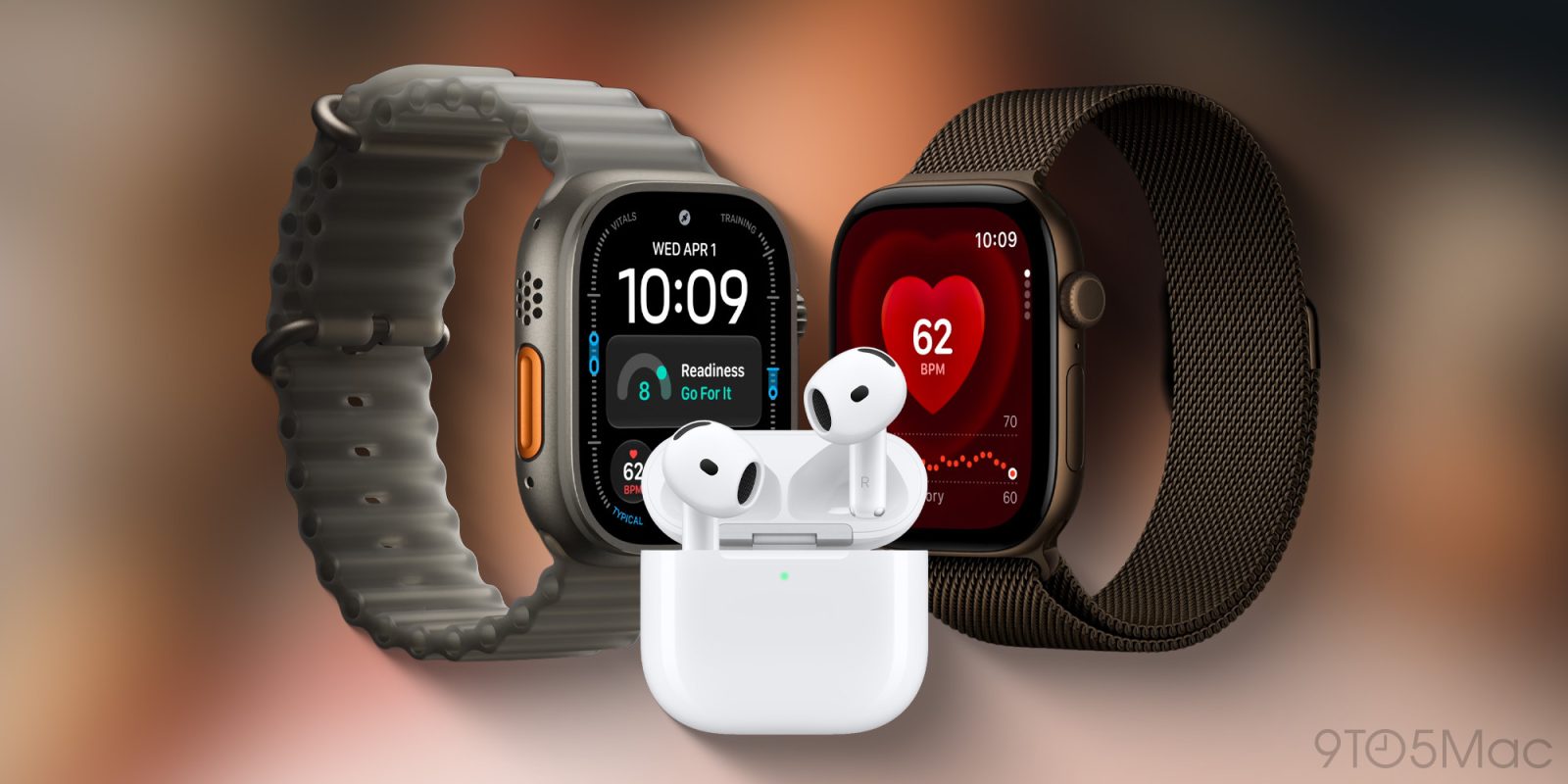
Early hands-on evaluations suggest a marked improvement in ANC performance, driven by upgraded computational audio algorithms and more sensitive internal microphones. However, Apple has maintained structural differentiation between the base and premium models. The entry-level variant lacks on-stem volume controls and a wireless charging case, requiring users to rely on manual adjustments via connected devices or wired charging solutions. Conversely, the higher-end model delivers approximately an extra hour of battery life on a single charge, alongside wireless charging capabilities and tactile stem controls.
Industry analysts note that by bringing ANC to the baseline AirPods tier, Apple is directly challenging competitors in the mid-tier true wireless stereo (TWS) market. The strategy aims to capture budget-conscious consumers who refuse to compromise on noise isolation features.

Apple Watch Series 12 and Ultra 4: The Next Evolution in Health Sensing
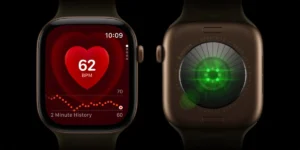
Health and wellness tracking remain central to the Apple Watch value proposition, and the Series 12 alongside the Apple Watch Ultra 4 introduces the most comprehensive sensor overhaul in years. Apple has branded this new architecture as the Health Sensing System.
The new hardware utilizes higher-frequency heart rate and heart rate variability (HRV) sensors. This enhanced data acquisition rate powers a brand-new readiness score feature, which evaluates metrics such as sleep quality, recent physical strain, and resting heart rate to advise users on whether to push through a workout or prioritize recovery. This feature brings the Apple Watch closer to parity with specialized athletic recovery ecosystems, such as Oura and Whoop, while leveraging the robust data integration of the Apple Health platform.
In addition to physiological tracking, the Series 12 and Ultra 4 introduce advanced Audio Intelligence capabilities. Features such as Live Rewind and Siri Recap are integrated directly into the wrist-worn interface, allowing users to process voice notes, meeting summaries, and ambient audio cues with minimal latency. These capabilities are powered by advanced on-device neural processing units (NPUs), ensuring that user data remains private and processed locally without requiring cloud offloading.

The Apple Watch Ultra 4 builds upon these health and processing foundations with a rugged titanium chassis, extended battery life tailored for endurance athletes, and enhanced multi-band GPS tracking. Designed for extreme environments, the Ultra 4 targets mountaineers, divers, and long-distance endurance competitors who require maximum durability and precision telemetry.
New Aesthetics: Translucent Ocean Bands and Seasonal Colorways
Complementing the hardware releases, Apple has updated its accessory ecosystem with a vibrant array of new Apple Watch bands. Among the most notable additions are the translucent Ocean Band options for the Apple Watch Ultra, which combine industrial durability with a striking visual aesthetic.
Design analysts point out that translucent materials are making a strong comeback across consumer electronics, echoing nostalgic design cues from the late 1990s and early 2000s while utilizing modern, durable elastomeric polymers. Additional color refreshes have been rolled out for the standard Sport Bands, Solo Loops, and braided loops, giving users more customization options to match their personal style.

Market Implications and Availability
The launch of the AirPods 5, Apple Watch Series 12, and Apple Watch Ultra 4 comes at a crucial time for the consumer technology sector, which has experienced fluctuating demand amid macroeconomic pressures. By introducing meaningful feature upgrades—such as standardizing ANC on AirPods and introducing advanced biometric readiness scores on the Apple Watch—Apple aims to incentivize device upgrades among users holding onto older hardware generations, such as the Series 8 or AirPods 3.
Pre-orders are currently open across authorized digital storefronts and the Apple Online Store. Shipments and in-store availability will officially commence on Friday, September 18. As review embargoes lift and initial consumer impressions surface, market watchers will closely monitor whether these enhancements translate into strong fourth-quarter sales figures for Apple’s wearables division.
Related posts: