Malaysia Seizes $12 Million in Advanced AI Chips at Kuala Lumpur International Airport, Exposing Growing Semiconductor Smuggling Networks

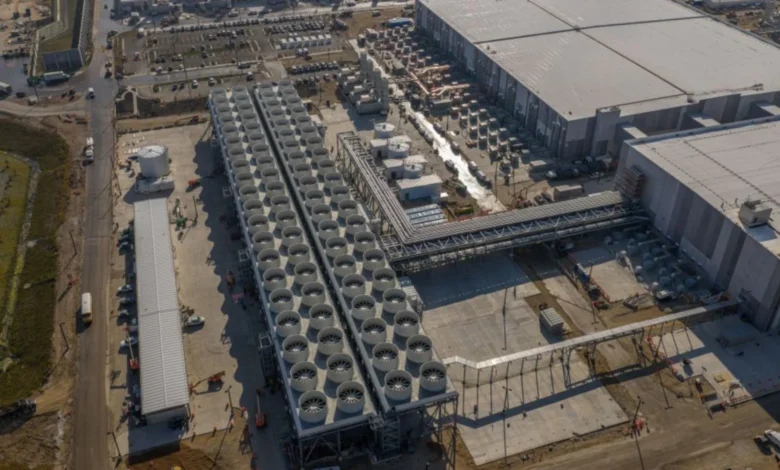
Malaysian customs authorities have intercepted a massive illicit shipment of high-performance artificial intelligence hardware valued at over $12 million (49.5 million Malaysian ringgit). The bust, executed within the secure confines of the Kuala Lumpur International Airport (KLIA) free trade zone, highlights the escalating global illicit trade in critical semiconductor components. Driven by strict international export controls, geopolitical trade restrictions, and an insatiable global demand for generative AI infrastructure, criminal syndicates are increasingly turning to complex smuggling operations to move restricted hardware across international borders.
The Operation and Seizure Details
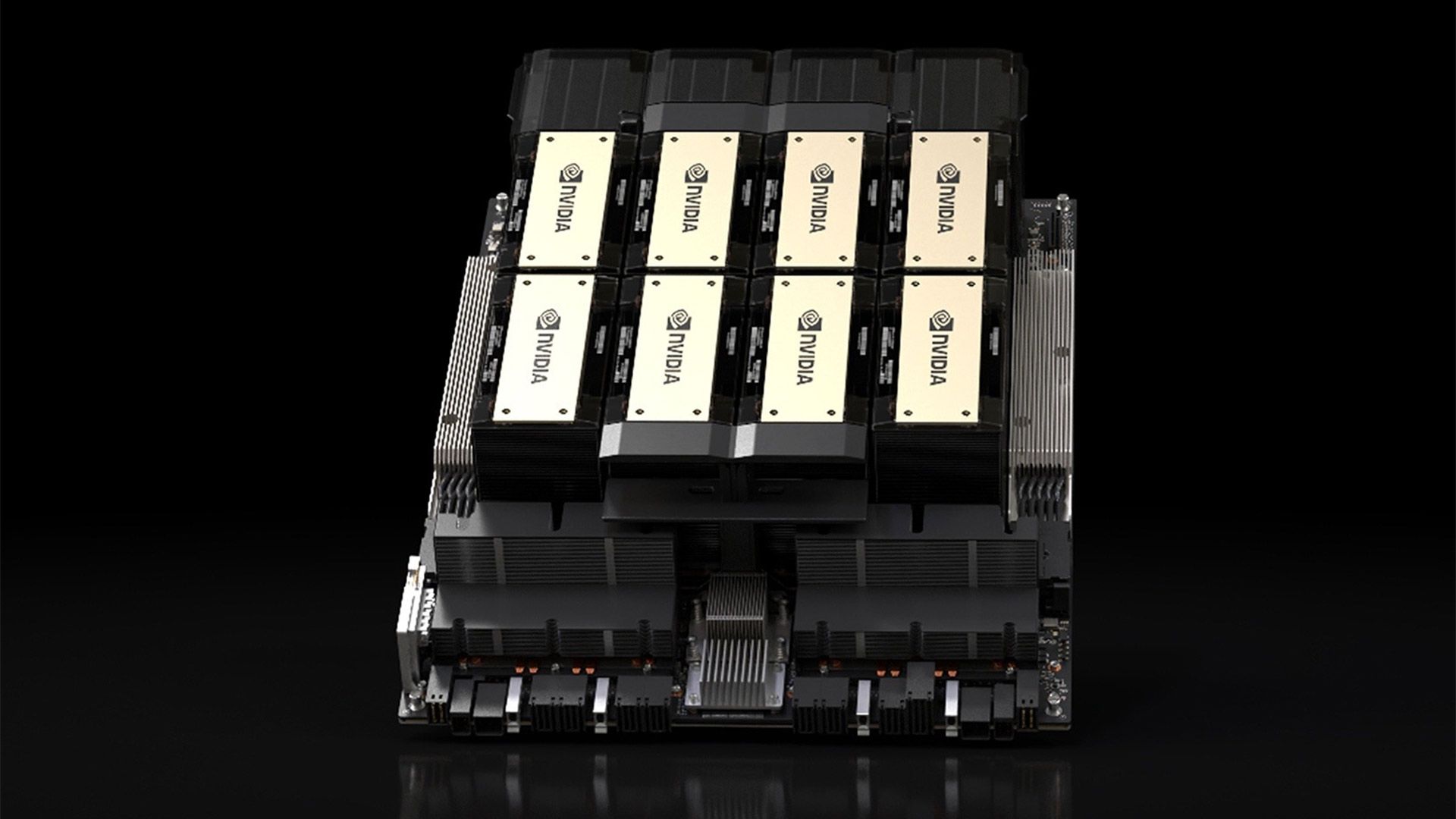
The enforcement action took place on October 15, though details of the operation were formally made public following preliminary investigations. According to reports from customs officials, law enforcement personnel targeted a suspicious cargo handling facility within the KLIA free trade zone. Inside the facility, authorities discovered 30 server racks densely packed with advanced, high-end AI processing units.
Preliminary tracking and shipping manifests indicate that the multi-million-dollar cargo originated from an unspecified Asian manufacturing and transit hub and was scheduled for delivery to another undisclosed destination within the region. The sophisticated nature of the consignment—housed directly within fully assembled server chassis rather than standard component packaging—suggests the operation was orchestrated by a well-funded smuggling network capable of bypassing standard logistics scrutiny.
Malaysian customs officials have launched an expansive cross-border investigation to identify the local fixers, freight forwarders, and ultimate beneficiaries tied to the shipment. Investigators are examining whether the seized hardware includes restricted enterprise-grade GPUs subject to strict extraterritorial oversight, such as those manufactured by industry leaders like Nvidia and AMD, which have become prime commodities on the black market due to strict export licensing regulations imposed by major Western economies.
A Timeline of Semiconductor Export Controls and Black Market Proliferation
The interception at Kuala Lumpur International Airport is not an isolated incident, but rather the latest development in a rapidly evolving geopolitical landscape surrounding semiconductor logistics. To understand the gravity of the October 15 seizure, it is necessary to examine the regulatory trajectory that created the lucrative black market for high-end AI hardware:
- October 2022: The United States Department of Commerce implements sweeping export controls designed to restrict the flow of advanced computing chips, supercomputer items, and semiconductor manufacturing equipment to specific foreign adversaries, primarily targeting China’s military and technological modernization capabilities.
- October 2023: Recognizing loopholes in the initial framework, U.S. regulators update the semiconductor export restrictions. The revised rules tighten performance thresholds, capture a broader array of graphics processing units (GPUs) designed for machine learning, and extend the licensing requirements to intermediate third-party nations to prevent transshipment.
- Throughout 2024–2025: As global demand for large language model (LLM) training infrastructure skyrockets, legitimate enterprise access to cutting-edge AI accelerators faces massive supply bottlenecks. Simultaneously, grey-market and black-market pricing for enterprise server units surges exponentially, creating multi-million-dollar profit margins for illicit supply chain operators.
- Mid-2025: Transshipment hubs across Southeast Asia, the Middle East, and parts of Eastern Europe face heightened scrutiny from international intelligence agencies and local customs enforcement. Reports emerge of shell companies importing restricted silicon under false declarations or mislabeled freight codes.
- October 15, 2026: Malaysian customs authorities execute the landmark KLIA raid, seizing 30 servers containing over $12 million worth of advanced AI chips, marking one of the most significant physical hardware seizures in the region to date.
The Geopolitical and Economic Pressures Fueling Smuggling Rings
The emergence of sophisticated semiconductor smuggling syndicates is a direct byproduct of the friction between global trade globalization and targeted national security policies. Advanced AI accelerators—such as those utilized in hyperscale data centers to train complex neural networks—have effectively transformed into strategic geopolitical assets, frequently compared to modern crude oil or enriched uranium.
When major governments place strict caps on which entities can legally acquire high-performance processing hardware, a shadow economy inevitably develops. Entities facing legal acquisition barriers are often willing to pay staggering markups to secure the computational power necessary to remain competitive in the global artificial intelligence race.
Free trade zones and regional transshipment hubs, while vital for legitimate international commerce, present distinct vulnerabilities. These zones are designed to expedite the movement of goods with minimal regulatory friction and delayed customs duties. Smuggling rings routinely exploit these streamlined procedures by routing prohibited shipments through multiple intermediary nations, altering shipping documentation, and utilizing front companies to obscure the ultimate chain of custody.
Industry Implications and Response from Stakeholders
While semiconductor manufacturers such as Nvidia implement rigorous tracking protocols, cryptographic locks, and strict compliance audits for their direct enterprise clients, policing the secondary and tertiary resale market remains an immense challenge. Once enterprise-grade servers are legally sold to initial purchasers, tracking their subsequent relocation, resale, or disassembly becomes exceptionally difficult once they enter international logistics networks.
Industry analysts note that enforcement actions like the one executed in Malaysia serve as a critical deterrent, but they also underscore the reality that current border security frameworks are struggling to keep pace with high-value, low-volume technological contraband. Unlike bulky contraband, millions of dollars worth of advanced computational power can be packed into a modest number of server racks, making air cargo an attractive vector for criminal organizations.
In the wake of the October 2026 seizure, trade compliance experts anticipate that regional authorities across Asia will ramp up inspections on high-tech freight passing through major transit corridors. Governments are under mounting international pressure to close regulatory loopholes within free trade zones, harmonize customs data-sharing agreements, and impose harsher criminal penalties on individuals and corporate entities linked to semiconductor smuggling.
Broader Outlook for the Global AI Hardware Supply Chain
As the artificial intelligence industry continues its relentless expansion, the security of the semiconductor supply chain will remain a focal point for governments, manufacturers, and logistics operators alike. The $12 million seizure at Kuala Lumpur International Airport demonstrates both the high stakes involved in the global technology sector and the determination of law enforcement agencies to dismantle illicit procurement networks.
Moving forward, regulatory bodies are expected to mandate tighter verification processes for the secondary transit of high-performance computing systems. However, as long as substantial disparities persist between global demand and legal supply channels, the temptation for illicit smuggling syndicates to test border defenses will remain high, ensuring that technological contraband stays firmly in the crosshairs of international customs enforcement.