Electrek Podcast: Rivian Earnings, Waymo Partners with Toyota, Ford Bets on V2H for Fathom, and More

The landscape of sustainable transport and clean energy is experiencing a period of intense transformation, defined by shifting financial realities, strategic alliances, and technological leaps in vehicle-to-grid capabilities. In the latest episode of the Electrek Podcast, industry analysts and editors convened to break down the most significant developments shaping the electric vehicle (EV) market and autonomous driving sector. This week’s broadcast focuses on Rivian’s latest quarterly financial disclosures, an unexpected and powerful partnership between Waymo and Toyota, and Ford’s ambitious bet on vehicle-to-home (V2H) technology for its upcoming Fathom electric pickup truck.
As automakers navigate a complex macroeconomic environment marked by fluctuating consumer demand, supply chain optimizations, and fierce global competition, these developments offer a clear window into where the industry is heading.
Rivian Earnings: Navigating the Path to Profitability Amid Scale-Up Pressures
Rivian Automotive remains one of the most closely watched pure-play electric vehicle manufacturers in the United States, second only to Tesla in terms of consumer recognition and market presence in the lifestyle adventure EV segment. The company’s latest financial earnings report provides a critical barometer for the health of startup EV makers attempting to scale manufacturing while managing staggering capital expenditures.
During the podcast, the panel analyzed Rivian’s recent financial results, focusing heavily on production volume, delivery numbers, and per-unit manufacturing costs. Over the past several quarters, Rivian has been aggressively working to reduce its cost of goods sold (COGS) through internal re-engineering programs, most notably the transition to its next-generation electrical architecture and the introduction of in-house drive units.
Despite these operational improvements, the company continues to post net losses as it absorbs the high costs of ramping up production at its Normal, Illinois manufacturing plant and prepares for the future construction of its multi-billion-dollar facility in Georgia. Analysts on the show discussed the delicate balance Rivian must strike between preserving liquidity and investing in long-term growth. With traditional automakers scaling back or delaying their near-term EV targets due to slower-than-expected adoption curves, Rivian’s ability to achieve positive gross margins by the end of the fiscal cycle is viewed as an existential milestone. The market response to the earnings report highlighted ongoing investor anxiety regarding cash burn, even as consumer demand for the R1T pickup and R1S SUV remains relatively resilient in the face of high interest rates.
Autonomous Horizons: Waymo and Toyota Forge Strategic Alliance
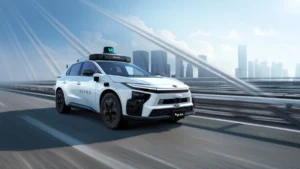
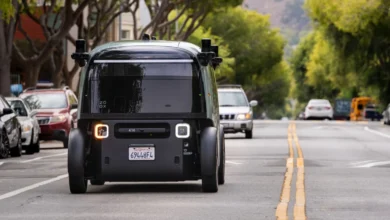
In the realm of autonomous mobility, the partnership between Waymo and Toyota represents a monumental shift in how self-driving technology developers and traditional automotive giants intend to commercialize robotaxis and automated driving systems. Waymo, a subsidiary of Alphabet Inc., has long been the frontrunner in commercial autonomous ride-hailing, operating public services in major metropolitan areas such as San Francisco, Phoenix, Los Angeles, and Austin.
The newly announced collaboration between Waymo and Toyota brings together the software prowess and sensor suite expertise of the Alphabet-backed enterprise with the unmatched vehicle manufacturing scale and engineering precision of the world’s largest traditional automaker. The podcast discussion highlighted the strategic implications of this partnership, particularly regarding vehicle hardware integration. Until now, Waymo has relied heavily on modified platforms from Chrysler (such as the Pacifica Hybrid) and Jaguar (the I-Pace). Integrating Waymo’s sixth-generation autonomous hardware suite directly into dedicated Toyota platforms signals a transition from experimental retrofits to purpose-built, mass-produced autonomous vehicles.
Industry observers note that this partnership could significantly accelerate Waymo’s geographical expansion strategy. By leveraging Toyota’s robust global supply chain and vehicle platform architecture, Waymo can bypass many of the manufacturing hurdles that have historically slowed the deployment of large autonomous fleets. Furthermore, the collaboration underscores a growing realization among legacy automakers that developing competitive full self-driving (FSD) software internally is an exceptionally costly and resource-intensive endeavor, making partnerships with established tech leaders an increasingly attractive alternative.
Ford’s Strategic Pivot: Betting Big on V2H for the Fathom Electric Pickup

Energy independence and grid resilience are rapidly becoming primary selling points in the consumer and commercial EV markets. Ford Motor Company, which has already established a strong foothold in the electric truck segment with the F-150 Lightning, is doubling down on bidirectional charging capabilities. The latest focal point of this strategy is the upcoming Fathom electric pickup truck, which features deeply integrated vehicle-to-home (V2H) technology as a core architectural pillar.
During the podcast segment dedicated to Ford, the hosts examined the engineering and consumer implications of making V2H a mainstream feature. Unlike traditional EVs that only draw power from the grid, V2H-enabled vehicles like the Fathom can act as mobile energy storage units capable of powering an entire residential home during grid outages, peak pricing hours, or natural disasters.
Ford’s aggressive deployment of V2H is built upon the success of its previous ecosystem investments, including the Ford Charge Station Pro and home integration systems developed in partnership with residential solar and energy storage providers. However, the introduction of the Fathom takes this concept a step further by tailoring the vehicle’s electrical architecture specifically for heavy-duty commercial and high-demand consumer applications.
The panel discussed how V2H capabilities are fundamentally changing the consumer value proposition of electric trucks. For contractors, utility workers, and suburban homeowners alike, the ability to store tens or even hundreds of kilowatt-hours of energy in a vehicle driveway transforms the truck from a mere mode of transportation into an essential household utility asset. As electrical grids face increasing strain from extreme weather events and rising electricity demand, Ford’s focus on bidirectional charging positions the company at the intersection of automotive manufacturing and decentralized energy infrastructure.
Broader Market Implications and Future Outlook
The convergence of Rivian’s financial stabilization efforts, Waymo and Toyota’s autonomous alliance, and Ford’s energy-centric vehicle design highlights a broader maturation process within the global automotive industry. The initial wave of electric vehicle enthusiasm, characterized by speculative valuations and simplistic promises of rapid industry disruption, has given way to a more pragmatic, execution-focused era.

As discussed in the podcast, automakers and technology firms are recognizing that long-term success requires solving complex systemic challenges. For EV manufacturers, profitability and efficient supply chain management are paramount. For autonomy developers, scalable hardware integration and regulatory compliance dictate the pace of commercial rollout. And for legacy giants, redefining the vehicle not just as a mechanical conveyance, but as an interactive node within a broader digital and energy ecosystem, is essential for maintaining market relevance.
Listeners and industry watchers tuning into the live stream and subsequent podcast archive are encouraged to engage with the ongoing dialogue surrounding these critical shifts. As these stories continue to evolve over the coming quarters, the decisions made today by companies like Rivian, Waymo, Toyota, and Ford will establish the operational and technological baseline for sustainable transport for decades to come.
The full episode of the Electrek Podcast, featuring detailed commentary and analysis on these topics, remains available for streaming on YouTube and across all major podcast distribution platforms.