Nvidia GeForce RTX 5080 Leaks Point to Next-Generation GPU Performance and Architectural Leaps

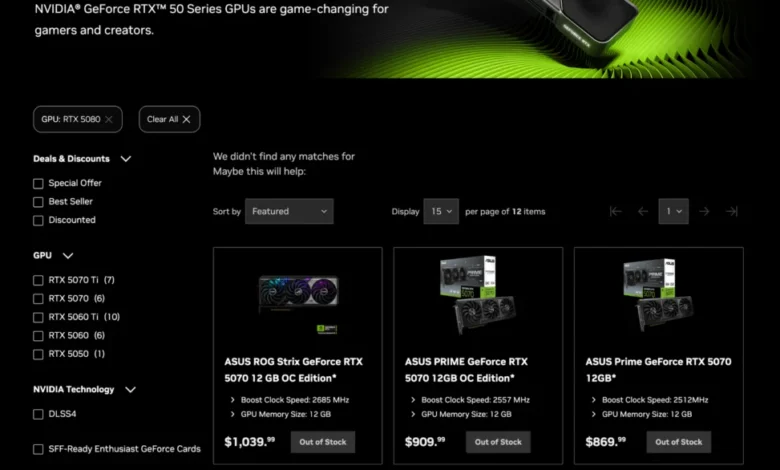
The global semiconductor and PC gaming landscape is once again shifting as early intelligence, benchmark leaks, and supply chain rumors converge around Nvidia’s highly anticipated next-generation graphics hardware. At the epicenter of this anticipation is the Nvidia GeForce RTX 5080, a high-end graphics processing unit (GPU) poised to succeed the immensely popular RTX 4080 and RTX 4080 Super. As enthusiasts, system builders, and enterprise researchers look toward the future of real-time ray tracing and artificial intelligence integration, the details surrounding Nvidia’s upcoming Blackwell-based architecture are beginning to paint a clearer, albeit unofficial, picture of what the next era of high-performance computing will look like.
While Nvidia has maintained a measured official roadmap, industry insiders, board partners, and manufacturing leaks have steadily revealed key performance metrics, architectural philosophies, and anticipated market positioning for the RTX 5080. Expected to sit comfortably beneath the elusive flagship tier while delivering generational leaps over its predecessors, the card represents a crucial litmus test for how consumer hardware will handle increasingly demanding software workloads, ranging from path-traced AAA video games to complex local machine learning models.
Background Context and Architectural Evolution
To understand the weight carried by the GeForce RTX 5080, one must look at the trajectory of Nvidia’s recent architectural cycles. The introduction of the Ada Lovelace architecture with the RTX 40-series brought monumental advancements in power efficiency, DLSS 3 frame generation, and raw ray-tracing throughput. However, those cards also faced significant scrutiny regarding retail pricing, power connector controversies, and generational performance segmentation.
The upcoming RTX 50-series, built upon the anticipated Blackwell architecture (named after the renowned mathematician and statistician David Blackwell), aims to address these friction points while pushing the boundaries of silicon fabrication. Early reports suggest that Nvidia is partnering closely with Taiwan Semiconductor Manufacturing Company (TSMC) to utilize an advanced, customized node—widely believed to be a derivative of TSMC’s 4nm process—designed specifically to maximize transistor density and clock frequencies while maintaining strict thermal limits.
Unlike previous generations where performance uplifts were primarily driven by raw clock speed increases and larger cache sizes, the Blackwell architecture is heavily optimized for parallel tensor operations and advanced memory sub-systems. This shift reflects the changing nature of consumer computing, where GPUs are no longer evaluated solely by their rasterization frame rates in traditional video games, but by their ability to execute complex neural network inferences locally on the user’s desktop.
Anticipated Specifications and Performance Metrics
While official specifications remain closely guarded within Nvidia’s corporate headquarters in Santa Clara, a consensus has emerged among hardware analysts and supply chain leak aggregates regarding the hardware configuration of the GeForce RTX 5080.
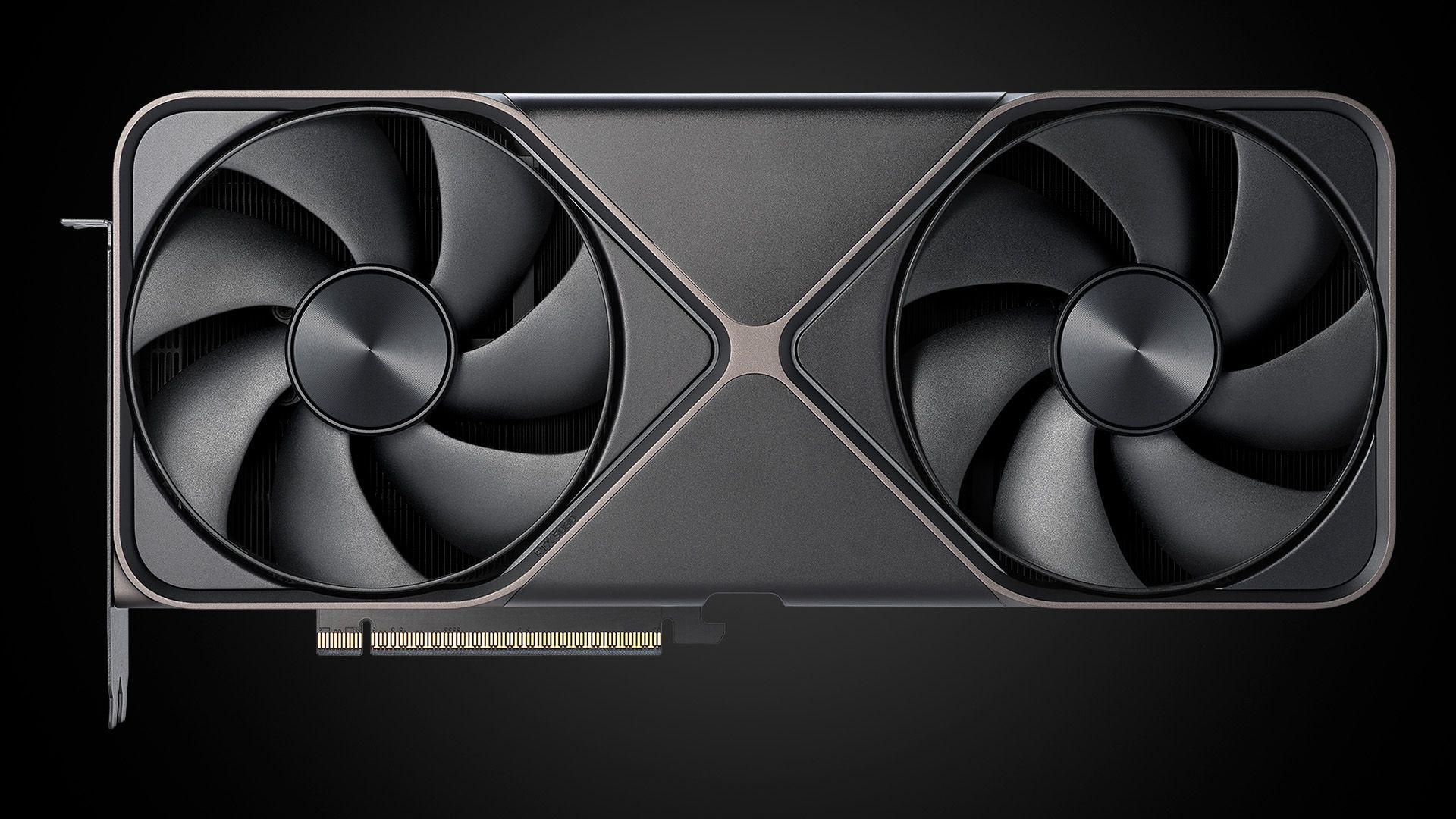
At the core of the expected card is a robust graphics processor utilizing a significantly redesigned streaming multiprocessor (SM) layout. Rumors point to a substantial increase in CUDA core counts compared to the RTX 4080, alongside next-generation RT (Ray Tracing) cores designed to handle complex bounding volume hierarchy (BVH) traversal with drastically reduced performance penalties. Furthermore, the inclusion of fourth-generation Tensor Cores is expected to introduce new data formats and accelerated processing capabilities tailored for advanced AI frameworks and future iterations of Nvidia’s proprietary Deep Learning Super Sampling (DLSS) technology.
Memory configuration has historically been a point of intense debate among hardware enthusiasts, and the RTX 5080 is no exception. Current industry leaks suggest that the card will embrace ultra-fast GDDR7 memory. The transition from GDDR6X to GDDR7 represents a monumental leap in memory bandwidth, potentially crossing the threshold into territory previously reserved for enterprise-grade accelerators. This massive bandwidth pipeline is considered essential for feeding the high-speed processing cores, particularly when rendering uncompressed high-resolution textures or managing expansive generative AI datasets in local memory.
Bus width and total video RAM (VRAM) capacity remain subjects of speculation. While some industry insiders argue for a conservative memory buffer to maintain market segmentation, consumer demand for higher VRAM capacities—driven by poorly optimized modern PC ports and local large language model (LLM) execution—has put pressure on hardware manufacturers to deliver more generous memory footprints out of the box.
Timeline and Market Strategy
The timeline for the release of Nvidia’s next-generation consumer GPUs has been the subject of intense speculation throughout the tech sector. Traditionally, Nvidia utilizes major technology conventions, such as CES (Consumer Electronics Show) in Las Vegas or its own specialized GTC (GPU Technology Conference) events, to unveil flagship product stacks.
Industry trackers and financial analysts suggest a staged rollout strategy. Historically, Nvidia prefers to launch its ultra-enthusiast flagship models first, followed rapidly by high-end enthusiast variants such as the RTX 5080, before cascading down to mainstream and entry-level offerings over the course of several quarters. If historical precedents and current supply chain indicators hold true, public announcements and formal product unveilings could materialize in the early months of the upcoming calendar year, with retail availability following closely behind.
This timing aligns strategically with broader market dynamics. Competitors in the discrete GPU space, including AMD and Intel, are simultaneously preparing their own next-generation architectures, ensuring that the high-end desktop market will experience fierce competition across both performance and pricing vectors.
Economic and Industry Implications
The introduction of hardware as powerful as the anticipated GeForce RTX 5080 carries profound implications for multiple interconnected industries, including PC gaming, software development, and the burgeoning consumer AI ecosystem.
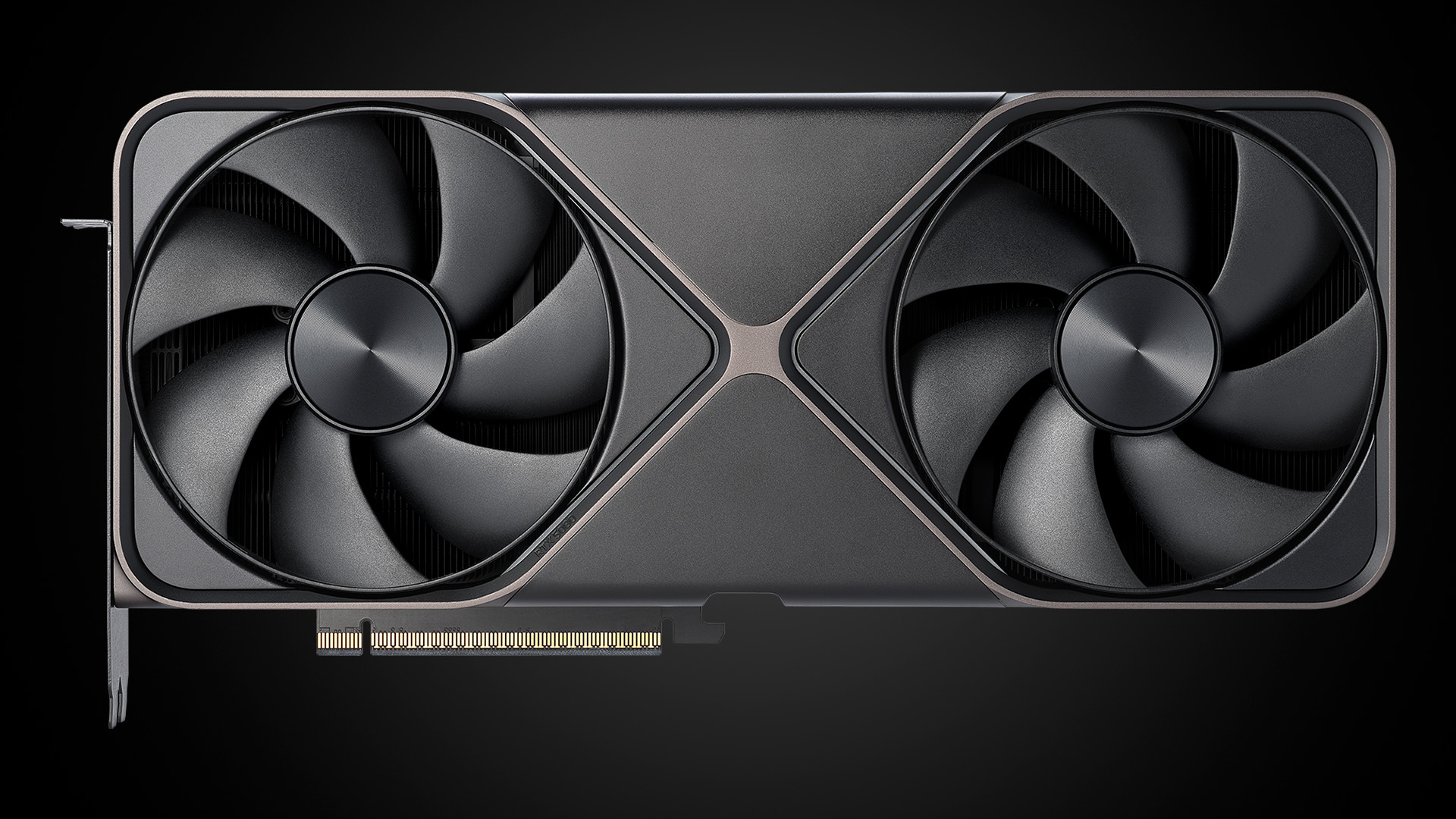
For PC gamers, the card represents the realization of true, uncompromised path-tracing at high refresh rates without relying exclusively on aggressive reconstruction techniques. As game engines increasingly adopt unified lighting models that demand real-time simulation of light bounce, refraction, and shadow casting, the underlying hardware must scale accordingly. The RTX 5080 is expected to serve as the benchmark platform for developers building the next generation of visual experiences.
Simultaneously, the democratization of local artificial intelligence continues to accelerate. With the rising popularity of tools capable of generating images, transcribing audio, and running localized language models, consumers increasingly view their GPUs as versatile compute engines rather than mere gaming accelerators. A high-end card with advanced tensor hardware and high-bandwidth GDDR7 memory provides an attractive alternative to cloud-based services, offering data privacy and low-latency execution for developers, hobbyists, and digital creators.
However, these technological advancements also raise questions regarding affordability and power consumption. As silicon fabrication nodes become more complex and expensive, the manufacturing cost of cutting-edge GPUs has risen steadily over successive generations. Industry analysts will be watching closely to see how Nvidia prices the RTX 5080 relative to its predecessor, particularly in an economic climate where consumer spending on discretionary electronics faces various macroeconomic pressures. Additionally, power supply requirements and thermal management will remain critical considerations for system builders, as higher performance ceilings frequently translate into increased thermal design power (TDP) thresholds.
Conclusion and Outlook
As the hardware community awaits official confirmation from Nvidia, the collective body of leaks, architectural projections, and industry analysis points toward a transformative product cycle. The GeForce RTX 5080 is shaping up to be more than a simple incremental upgrade; it is positioned as a foundational pillar for the next wave of high-performance desktop computing.
Whether these anticipated performance leaps materialize in real-world benchmarks will depend on final silicon optimization, driver maturity, and software ecosystem adoption. Nevertheless, the trajectory of the market is clear: the boundary between traditional real-time rendering and artificial intelligence compute continues to blur, and Nvidia’s upcoming hardware lineup will occupy the vanguard of that technological convergence.
Related posts: