Spiny was nearly a playable driver in Mario Kart World according to recent datamining discoveries

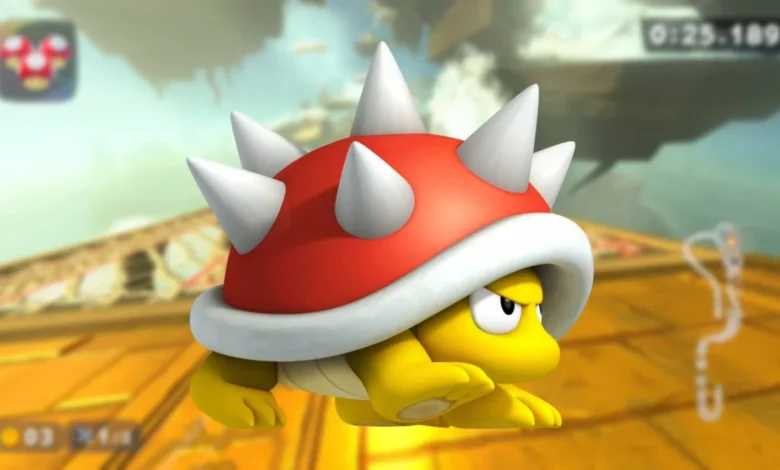
The competitive racing landscape of the Nintendo Switch 2 ecosystem has been subject to intense scrutiny by enthusiasts and data analysts alike, and a recent breakthrough has shed light on the title’s developmental history. A prominent dataminer, operating under the handle Benial on the Bluesky platform, has uncovered evidence suggesting that the iconic enemy character Spiny, known in Japanese development files as "Togezo," was originally slated to join the roster of playable characters in Mario Kart World. This discovery provides a rare glimpse into the iterative process behind one of the most successful launch titles for Nintendo’s latest hardware generation.
The discovery centers on internal game files that explicitly reference "Togezo" alongside established racers. While the presence of character names within a software build does not guarantee that a character reached the final stages of production, the inclusion of such data points often signifies that developers experimented with the character’s implementation, balancing, and integration into the existing engine.
Chronology of Development and Discovery
Mario Kart World launched as a flagship title for the Nintendo Switch 2, coinciding with the hardware’s record-breaking release period in 2025. Following its debut, the game was praised for its technical performance and expanded gameplay mechanics, including the introduction of a sophisticated battle mode and team-based knockout tours.
The timeline of Spiny’s potential inclusion remains speculative, but industry analysts suggest that such characters are often evaluated during the early-to-mid phases of development. The internal file naming convention—using the Japanese "Togezo"—aligns with Nintendo’s internal documentation standards, which have historically remained consistent across the Mario franchise since the debut of Super Mario Bros. in 1985.
Following the game’s release, Nintendo has maintained a robust schedule of post-launch support. The community’s efforts to reverse-engineer these updates have been instrumental in identifying cut content. Benial’s discovery highlights that while Spiny’s character model and animation rig do not appear to be present in the public-facing game files, the existence of the metadata suggests that the character was considered at a point where the development team was finalizing the initial roster.
Contextualizing the Spiny Character
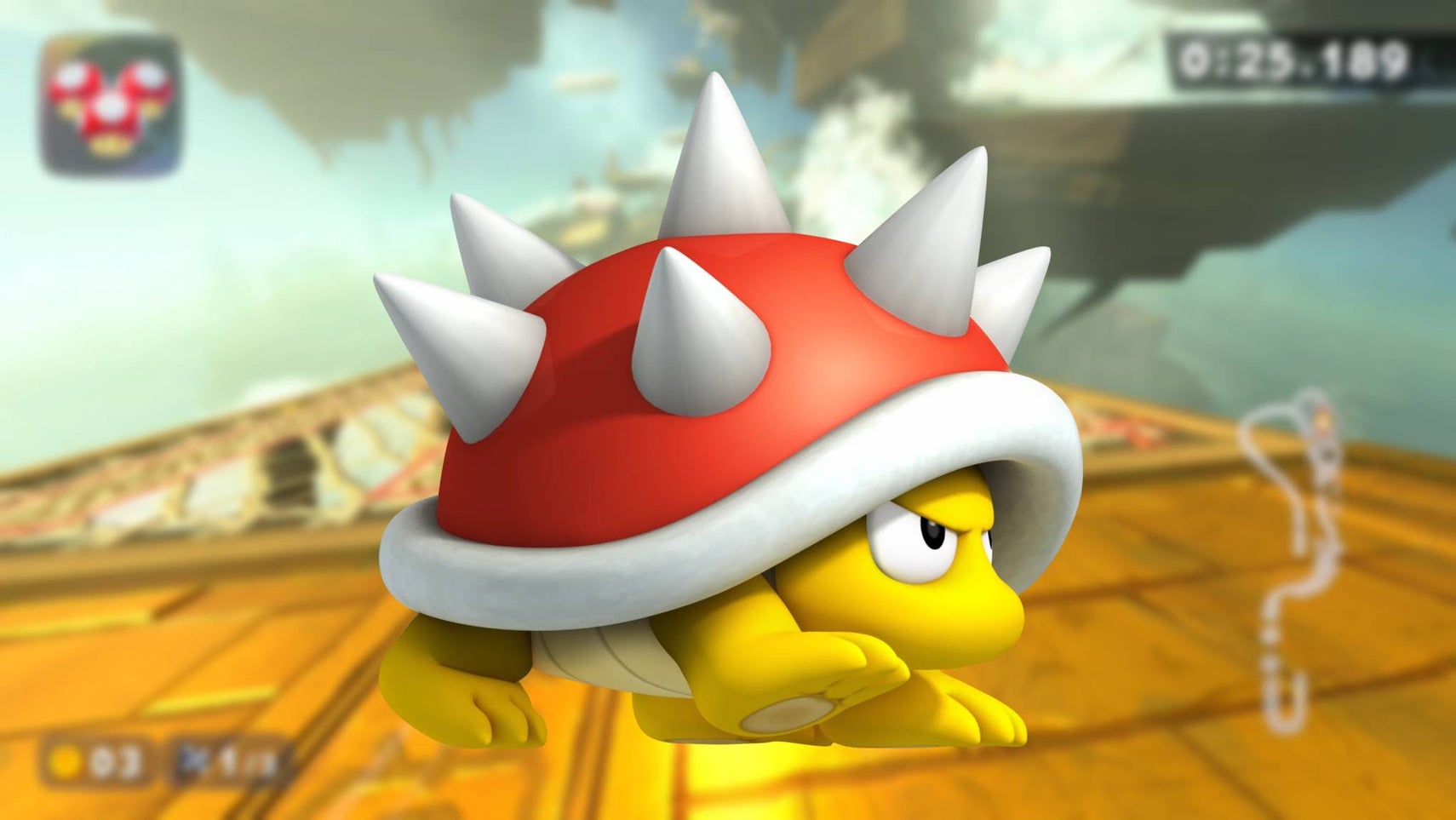
Spiny has served as a primary antagonist in the Mario universe for four decades. Traditionally associated with Lakitu, the character is defined by its hard, spiked carapace and its role as an environmental hazard. The prospect of Spiny transitioning from a track-side hazard to a playable driver represents a significant shift in character utility.
In the history of the Mario Kart franchise, characters who were traditionally NPCs or enemies have frequently made the transition to the driver’s seat. The inclusion of Boo, a character whose ethereal nature often defies traditional physics, set a precedent for unconventional driver choices. Analysts argue that if Spiny had been included, the development team would have needed to address the inherent design challenges of its anatomy—specifically, how a creature with a spiked shell would interact with standard kart chassis and character-specific animations.
Data Analysis and Development Implications
The presence of "Togezo" in the code raises questions regarding the decision-making process during the finalization of the game’s roster. In professional game development, the "cutting room floor" is a natural byproduct of balancing. Developers often create placeholder files for a broad array of characters to test vehicle handling and hitbox registration. When a character does not make the final cut, it is frequently due to technical constraints, time management, or a failure to meet the desired "feel" of the game during playtesting.
Mario Kart World’s current roster is designed around specific weight classes and performance profiles. If Spiny were intended to be a playable character, the development team would have had to designate a class for the creature. Given its small stature in the original source material, it is plausible that Spiny would have occupied the "Lightweight" or "Featherweight" category, potentially offering high acceleration but lower top-end speed.
Furthermore, the lack of animation files indicates that the character did not reach the "polishing" phase of development. In modern software engineering for console titles, assets are typically added to the build in distinct stages: metadata definition, wireframe modeling, rigging, animation, and, finally, implementation into the gameplay loop. The absence of these later assets suggests that the decision to remove Spiny occurred relatively early in the development cycle.
Official Stance and Community Reaction
Nintendo has not issued an official statement regarding the discovery of the Togezo files, which is consistent with the company’s long-standing policy of not commenting on unreleased or scrapped content. In the gaming industry, such discoveries are rarely acknowledged by publishers, as the focus remains on the current live-service updates and the longevity of the existing product.

The gaming community, however, has responded with significant interest. The appeal of "deep cuts" and scrapped content is a major driver of engagement within the Nintendo fan base. Forums and social media platforms have been flooded with fan-made mockups of what a playable Spiny might have looked like, reinforcing the enduring popularity of the character. The discovery has also sparked discussions about potential future DLC, with some players hoping that the presence of the data might indicate a "re-introduction" of the character in a later content patch.
Broader Impact on the Racing Genre
The scrutiny of Mario Kart World’s code serves as a reminder of the complexity behind modern game design. As games become more reliant on live-service models, the gap between the game the public receives and the game envisioned by the developers often narrows, yet remains filled with artifacts of the creative process.
The success of Mario Kart World, even without the inclusion of characters like Spiny, underscores the strength of the core gameplay loop. The game’s ability to sustain its player base through the addition of a comprehensive battle mode and team-based knockout tours demonstrates that the foundational design is robust enough to succeed independently of individual character rosters.
The incident also highlights the role of datamining in modern video game journalism. By analyzing the "digital fingerprints" left behind in software builds, researchers are able to provide context to the evolution of a title. This transparency, while unintended by the developers, allows for a more comprehensive understanding of the constraints and choices that define a final product.
Looking forward, the case of the "Togezo" files serves as a case study for developers regarding the management of source code. As Nintendo continues to support the Switch 2 platform, the community will undoubtedly continue to comb through every update, searching for evidence of what could have been. For now, Spiny remains a symbol of the "what-ifs" that define the history of interactive entertainment, a small but persistent reminder of the many paths not taken during the creation of a global gaming phenomenon. The game remains a critical and commercial success, and while the spiky turtle-creature may be absent from the starting line, its presence in the code ensures it remains part of the game’s enduring narrative.
Related posts: