Musical Fidelity expands its B-Line series with the launch of the new B1xcd CD player

Musical Fidelity has officially expanded its specialized B-Line of hi-fi separates with the introduction of the B1xcd, a dedicated CD player designed to marry high-end sonic performance with a more accessible price point. The launch follows the successful release of the B1xi integrated amplifier, which debuted late last year and set a new trajectory for the brand’s entry-level strategy. By positioning the B1xcd as a companion piece to the B1xi, Musical Fidelity is signaling a concerted effort to capture the attention of audiophiles who demand premium build quality and high-fidelity audio reproduction without the prohibitive costs typically associated with flagship components.
Technical Architecture and Engineering Philosophy
At the core of the B1xcd’s design is the newly implemented "BlueTiger CD-88" servo mechanism. This component serves as the primary controller for disc navigation and data retrieval. According to company specifications, the servo is engineered to prioritize advanced error correction, a critical factor for maintaining signal integrity during playback. By minimizing the reliance on re-reading data, the B1xcd aims to ensure consistent, artifact-free output, which is essential for preserving the nuances of high-resolution digital audio.
The physical construction of the transport mechanism has also been a focal point for the engineering team. The unit utilizes a tray-loading system integrated into a low-vibration mounting assembly. This approach is intended to mitigate the mechanical vibrations that often plague digital transports, which can introduce jitter and extraneous noise into the signal path. By housing this mechanism within a reinforced, all-metal chassis, Musical Fidelity claims to have achieved a significantly lower noise floor, allowing the DAC section to perform under optimal conditions.
Regarding digital-to-analogue conversion, the B1xcd employs the ESS9018Q2M Sabre DAC chip. This particular silicon is well-regarded in the audiophile community for its high dynamic range and low distortion profiles. Musical Fidelity has stated that the implementation of this chip was carefully tuned to favor a "warm, natural, and engaging" sound signature, diverging from the sometimes sterile or analytical sound often associated with entry-level digital players.
Chronology of the B-Line Development
The release of the B1xcd is the latest milestone in a recent period of revitalized product development for Musical Fidelity. The B-Line was conceived to address a gap in the market where mid-range audio enthusiasts were seeking professional-grade components that did not require the financial commitment of the company’s higher-end Nu-Vista or M8 series.
The chronology of this development began with the strategic market research conducted in early 2023, identifying a resurgence in CD consumption. As vinyl sales plateaued and streaming services faced criticism regarding bit-rate compression, many enthusiasts returned to the physical CD format for its uncompressed 16-bit/44.1kHz fidelity. Recognizing this trend, Musical Fidelity accelerated the design phase for the B1xi amplifier, which launched in the final quarter of 2023. The immediate positive reception of the B1xi, noted for its power-to-size ratio and transparency, provided the necessary momentum to finalize the B1xcd project, ensuring a matching aesthetic and sonic profile for the two units.
Connectivity and System Integration
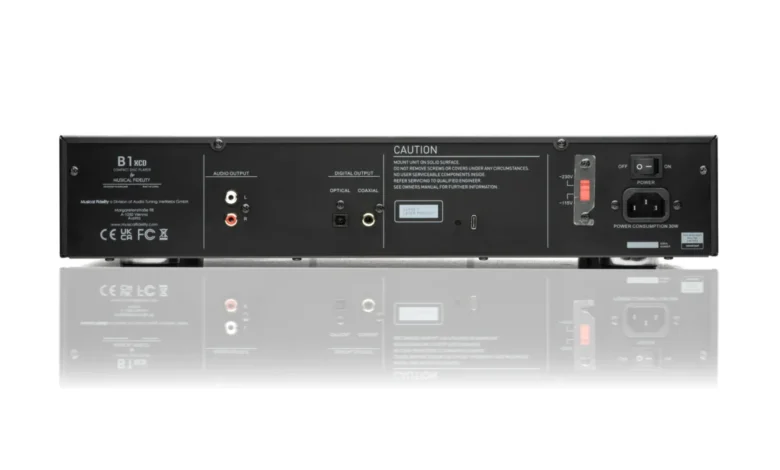
Versatility in system integration is a defining feature of the B1xcd. Recognizing that some users may already own high-performance outboard DACs, Musical Fidelity has included both coaxial and optical digital outputs. This allows the B1xcd to function effectively as a dedicated CD transport, bypassing its internal ESS9018Q2M chip in favor of a specialized external digital-to-analogue converter.
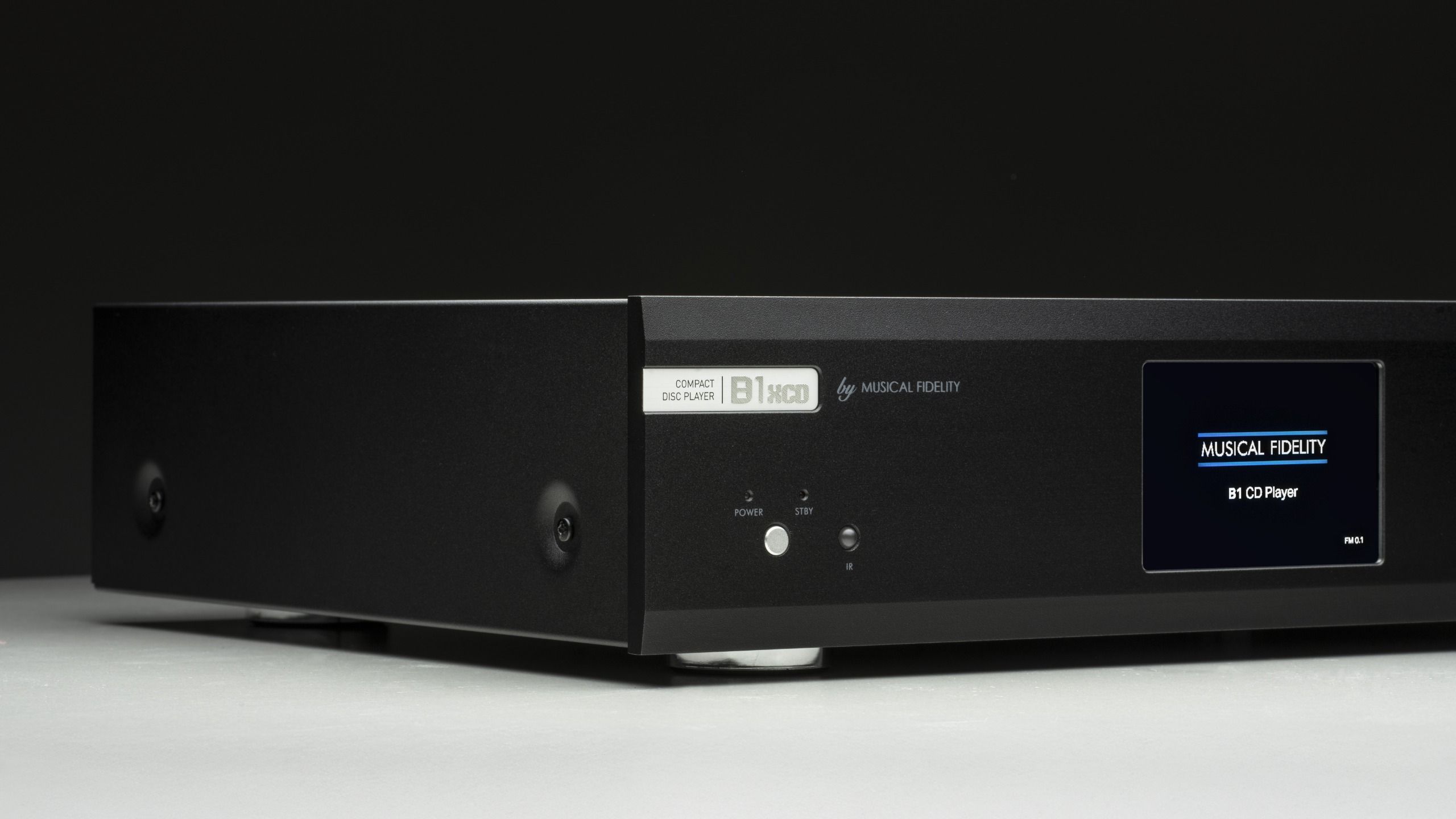
For those who prefer a more traditional setup, the unit is equipped with standard analogue RCA outputs. These outputs are fed through a high-quality signal path designed to maintain the integrity of the signal as it travels to an integrated or pre-amplifier. The exterior design mirrors the industrial aesthetic of the B1xi, featuring a brushed aluminium front panel and tactile, metal-machined control buttons. The inclusion of a large, high-contrast LCD display and a dedicated remote control highlights the brand’s commitment to user experience, ensuring that the player is as intuitive to operate as it is to listen to.
Market Positioning and Competitive Analysis
The B1xcd arrives in a competitive market segment, retailing at £549 ($799). This pricing strategy places it in direct competition with established industry leaders, most notably the Marantz CD 70 and the Arcam CD5. Both of these rivals have garnered critical acclaim and industry awards for their ability to deliver high-quality audio at sub-£700 price points.
- Marantz CD 70 (£499 / $750): A formidable competitor known for its proprietary HDAM (Hyper Dynamic Amplifier Module) technology, which offers a distinctively smooth and expansive soundstage.
- Arcam CD5 (£699 / $699): Highly regarded for its clean, neutral presentation and excellent internal DAC implementation.
The B1xcd must now prove its worth against these benchmarks. The "sound-per-pound" metric is the primary standard by which these devices are judged, and the B1xcd’s success will likely depend on whether its "warm and engaging" signature can differentiate itself from the clinical precision offered by the Arcam or the signature warmth of the Marantz. Market analysts suggest that the Musical Fidelity brand carries significant weight, potentially allowing it to secure a strong foothold despite the crowded landscape.
Broader Implications for the Physical Media Market
The launch of the B1xcd is emblematic of a broader industry shift. While the mass market has largely transitioned to wireless streaming, the "pro-sumer" hi-fi market is seeing a renewed investment in physical media playback. This is not merely a nostalgic trend; it is a recognition of the limitations of streaming platforms. Even high-resolution streaming services, which offer FLAC or ALAC files, are subject to network fluctuations and metadata compression that can affect the listening experience.
By manufacturing a high-quality, dedicated CD player in 2024, Musical Fidelity is validating the longevity of the compact disc. The company’s focus on mechanical isolation, jitter reduction, and high-quality DAC chips suggests that there is a viable, sustainable market for hardware that treats digital audio as a high-fidelity art form rather than a utility.
Furthermore, the B1xcd serves as a hedge against the ephemeral nature of digital licenses. With the rise of "de-platforming" and the removal of albums from streaming services due to licensing disputes, the ownership of physical media has gained renewed importance. The B1xcd provides a modern, reliable platform for users to access their existing collections with a level of fidelity that was difficult to achieve at this price point a decade ago.
Official Stance and Future Outlook
While Musical Fidelity has not released a formal manifesto regarding the B-Line, the company’s recent press materials emphasize a return to "the fundamentals of sound reproduction." This implies a de-emphasis on network streaming features—which often become obsolete as software evolves—in favor of static, high-performance hardware that can last for decades.
Industry experts suggest that the B1xcd will likely be followed by other B-Line components, possibly including a dedicated network streamer or a phono stage, to complete a modular system. For now, the focus remains on the B1xcd’s performance. Early feedback from regional distributors indicates a high level of interest, particularly from markets in Europe and North America where the brand’s legacy remains strong.
In conclusion, the Musical Fidelity B1xcd represents a sophisticated approach to entry-level audio. By leveraging the technical advancements of the BlueTiger servo and the ESS Sabre DAC, the company has created a product that serves both as a gateway for new audiophiles and a reliable, high-quality solution for veterans of the hobby. As the hi-fi industry continues to balance the convenience of the digital age with the sonic requirements of the true enthusiast, the B1xcd provides a compelling argument for the continued relevance of the CD player. Whether it can surpass its competitors in the eyes of the critical press remains to be seen, but the initial technical specifications and build quality suggest that it is a serious contender that will challenge the status quo in the sub-£600 bracket.
Related posts: