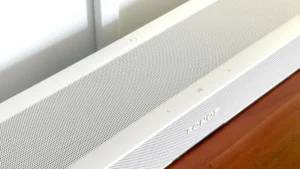
Sony Bravia Theater Trio HT A8 Review: A Paradigm Shift in Home Theater Audio

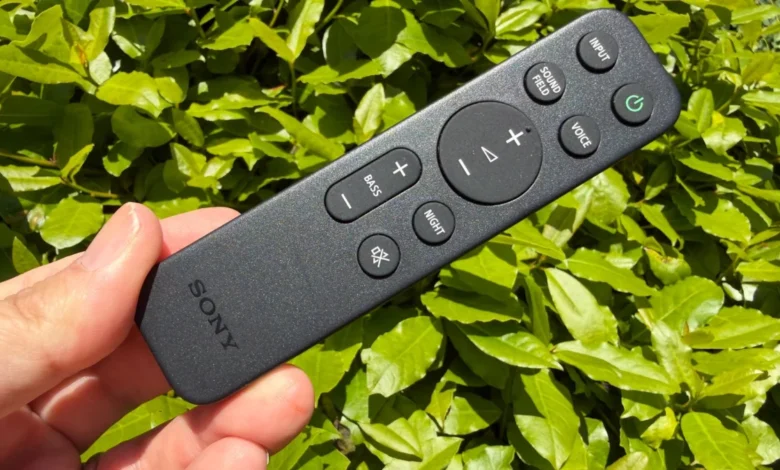
Sony Bravia Theater Trio HT A8 review: The home audio market has long struggled with a fundamental architectural mismatch. As consumer demand for ultra-large display panels—screens measuring 85 inches and upward—has accelerated, traditional single-chassis soundbars have increasingly failed to deliver an acoustic scale capable of matching expansive visual fields. Standard soundbars, even those engineered at premium price points, often produce a constrained soundstage that feels sonically detached from the massive video canvas it accompanies. In response to this persistent engineering challenge, Sony’s audio division developed a distinct three-piece hardware package: the Sony Bravia Theater Trio (HT-A8).
Priced at $1,999 / £1,999 / AU$2,999, the Bravia Theater Trio occupies an unusual product category that blurs the lines between a traditional unified soundbar and a dedicated home theater separates system. Rather than extending a single cabinet to unwieldy proportions, Sony designed a discrete three-speaker configuration consisting of a dedicated center channel paired with independent wireless left and right front speakers. Supported by advanced digital signal processing and proprietary acoustic mapping technology, the system attempts to redefine how high-end home entertainment audio is delivered in modern living spaces.
Genesis and Conceptual Design of the Trio Architecture
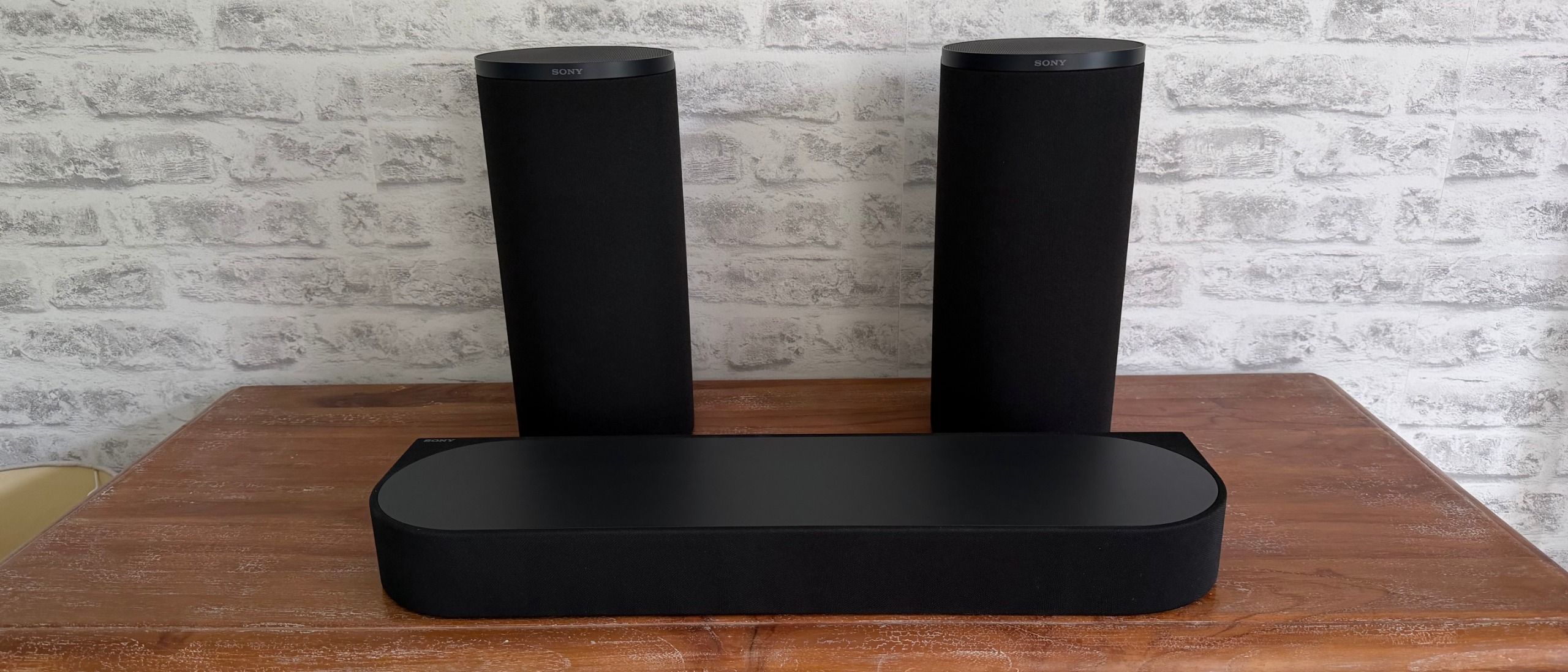
The development of the Bravia Theater Trio stemmed from internal frustration within Sony’s audio engineering groups. Conventional single-bar systems, restricted by physical housing limitations, frequently struggle to project sound with the power, width, and vertical scale necessary to anchor dialogue and effects to truly massive television displays. Engineers determined that attempting to build an excessively long single soundbar would introduce structural compromises, cabinet resonances, and logistical placement nightmares for consumers.
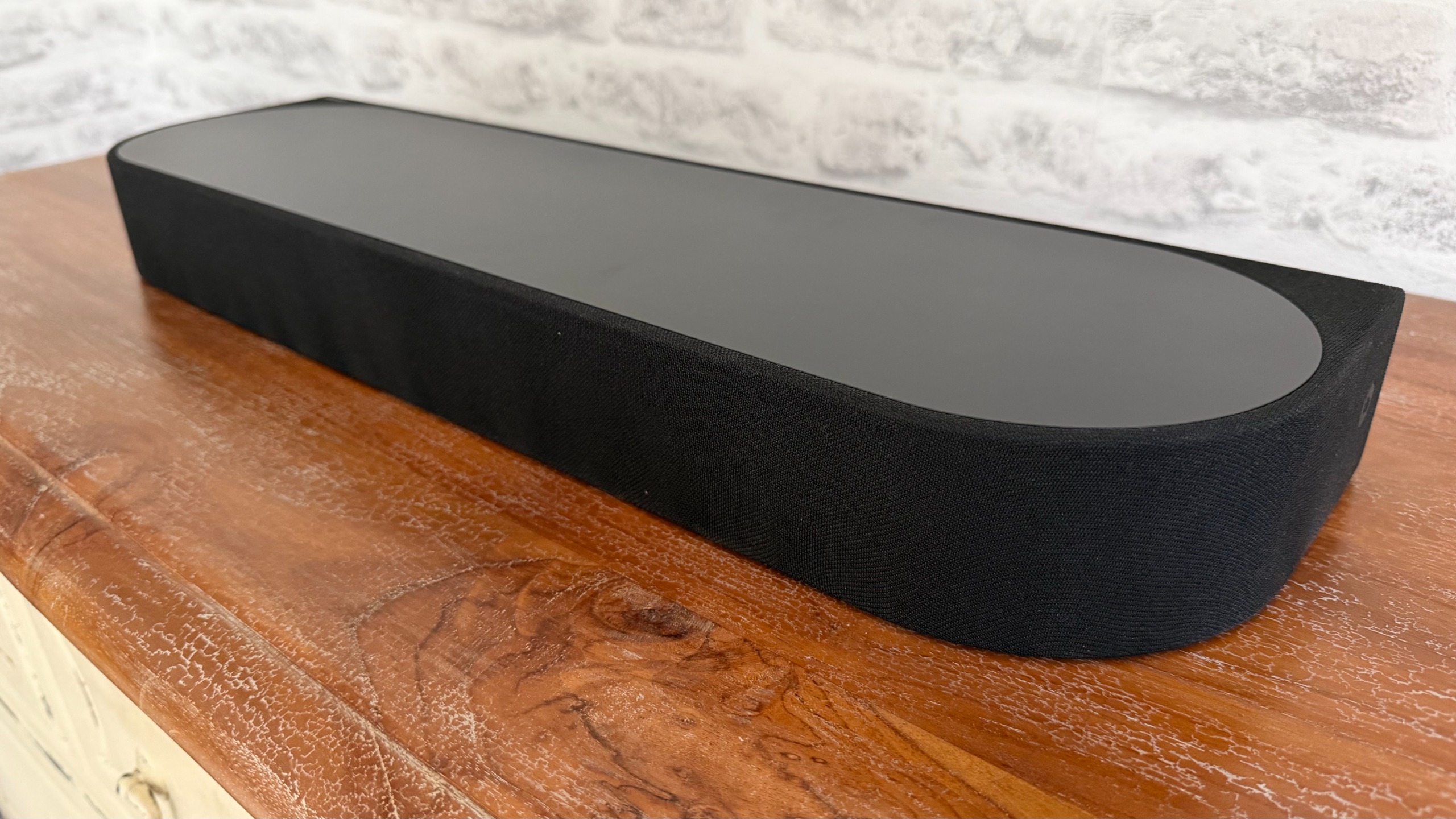
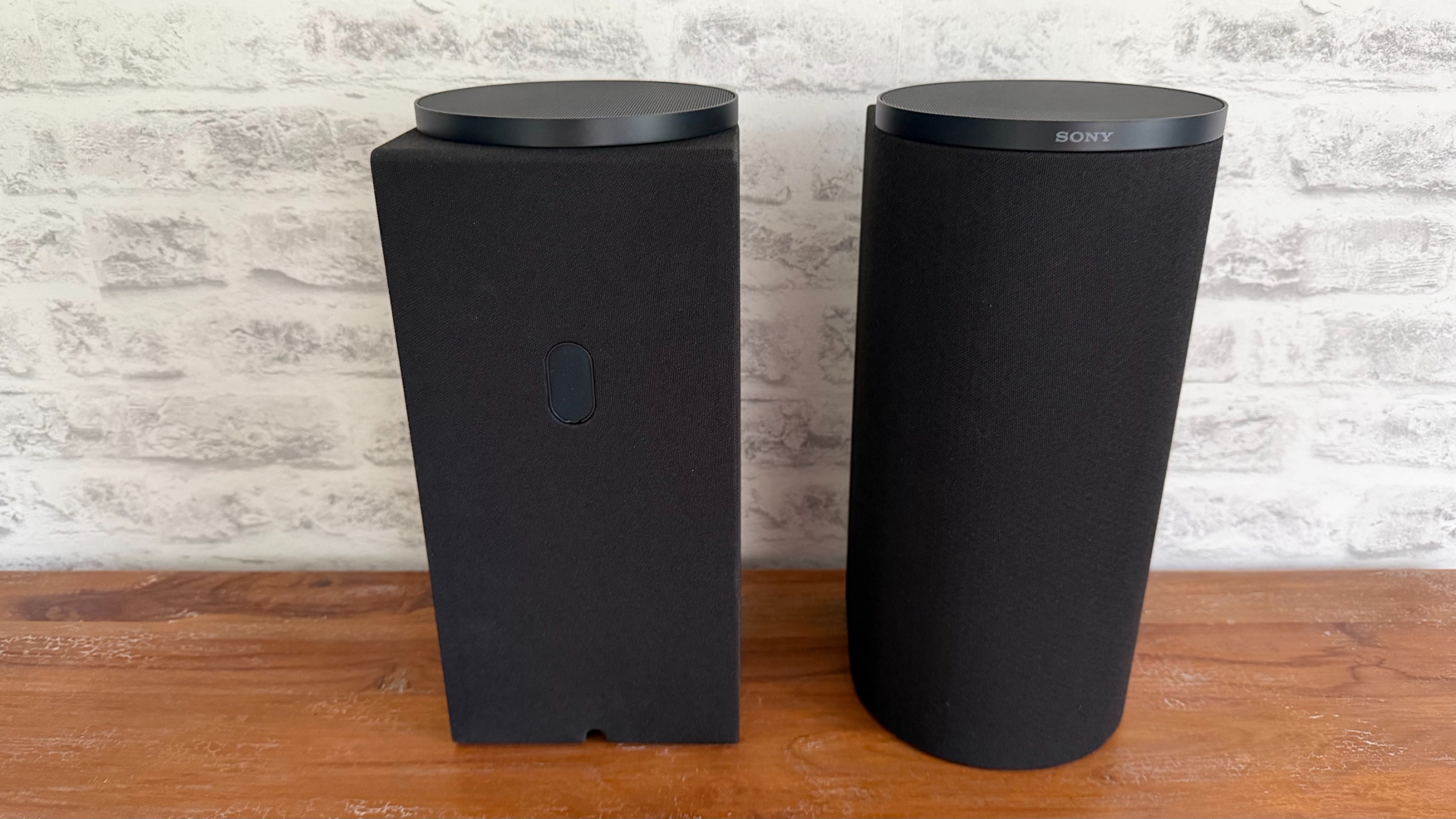
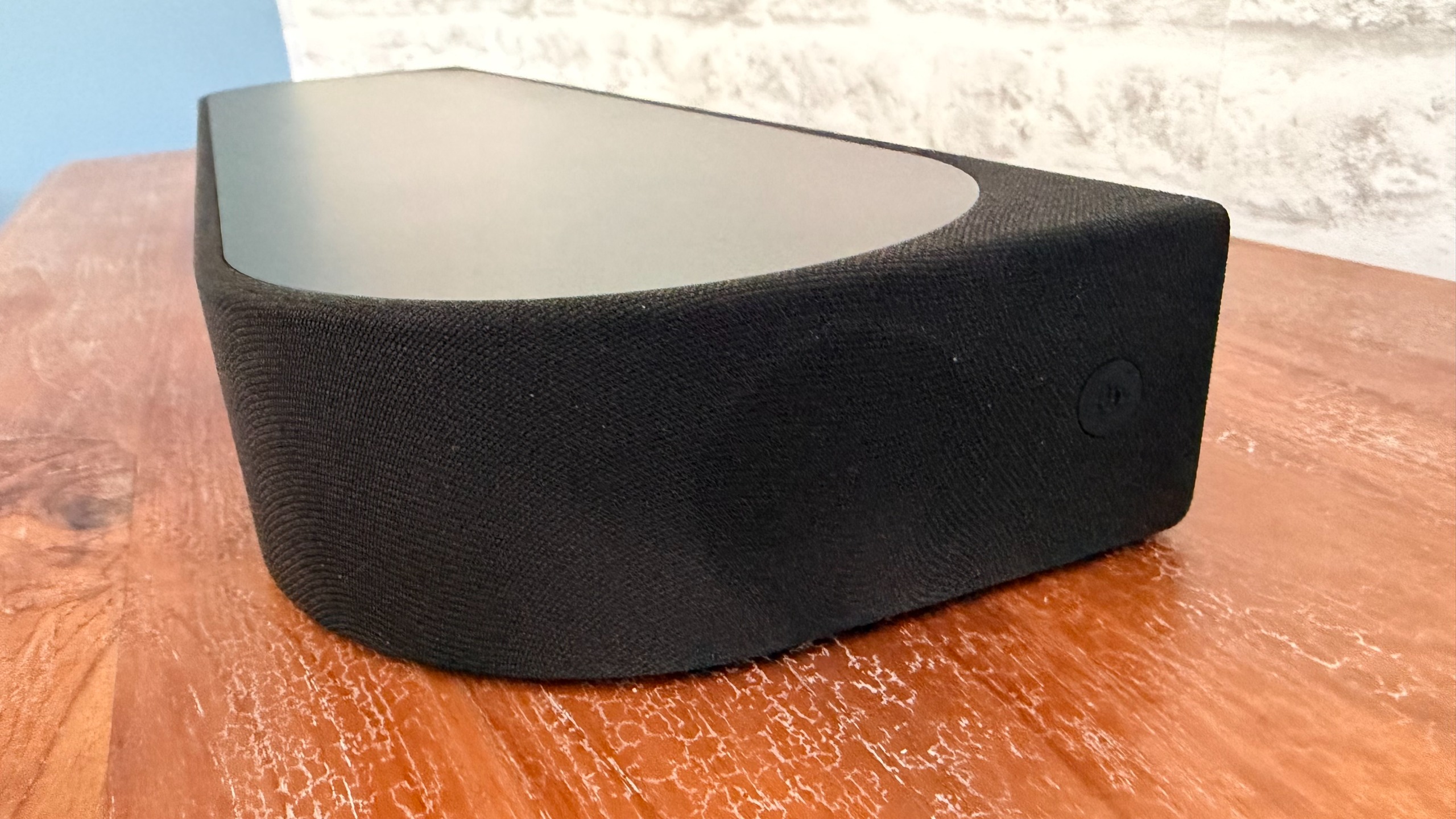
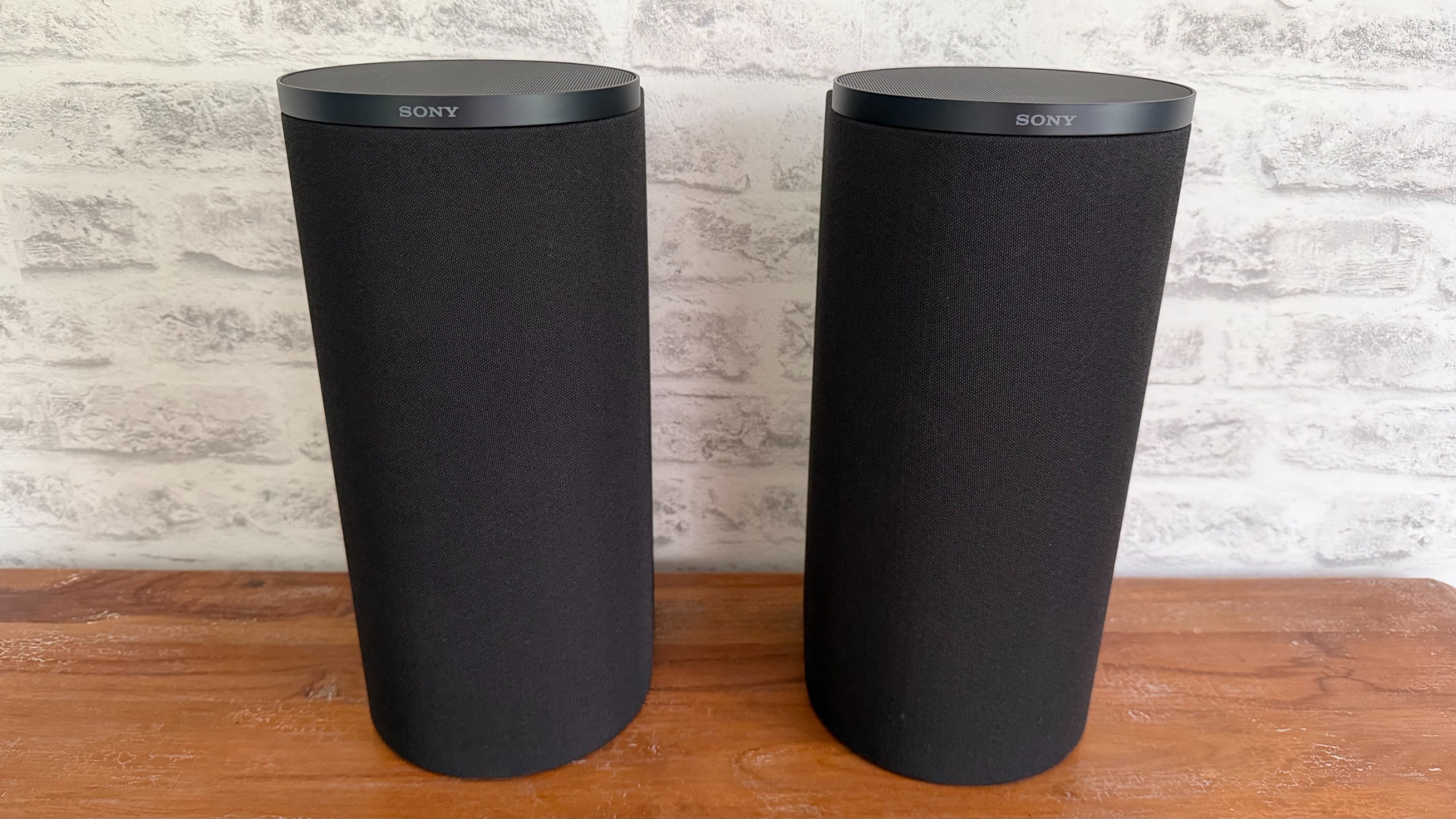
Instead, the company opted for a modular approach. The resulting hardware package features a compact center speaker measuring just 23.19 x 2.52 x 6.50 inches (589 x 64 x 165mm), which easily fits on standard media consoles or directly beneath a wall-mounted display. Meanwhile, the left and right front speakers are built with a robust, heavier cylindrical design incorporating a flattened vertical edge to facilitate alternative wall-mounting configurations. By allowing users to physically space the wireless left and right channels as far apart as room dimensions permit, Sony engineered a physical soundstage capable of scaling dynamically alongside giant television screens.
Acoustic Engineering and 360 Spatial Sound Mapping
Deploying a three-speaker front array introduces immediate challenges regarding channel count and immersion, particularly when compared to complex multi-driver soundbars that advertise extensive physical surround layouts. To overcome this limitation, the Bravia Theater Trio relies heavily on Sony’s proprietary 360 Spatial Sound Mapping technology.
Through sophisticated psychoacoustic processing, the system generates up to 24 virtual surround channels, supplementing the physical left, right, center, and up-firing drivers. The calibration process requires users to plug a high-precision microphone dongle into a mobile device running the Bravia Connect application. The system emits a series of test tones to map the specific acoustic reflections, dimensions, and layout peculiarities of the room. This automated calibration allows the processor to synthesize a balanced, symmetrical soundstage, mitigating acoustic anomalies caused by asymmetrical living room layouts or awkward furniture placement.
Furthermore, the system’s spatial processing capabilities scale further if users integrate Sony’s optional Rear 9 wireless surround speakers. Even when front and rear drivers are positioned in suboptimal real-world environments, Sony’s processing algorithms successfully envelop the listener in a cohesive 360-degree sound bubble.
Connectivity, Specifications, and Ecosystem Integration
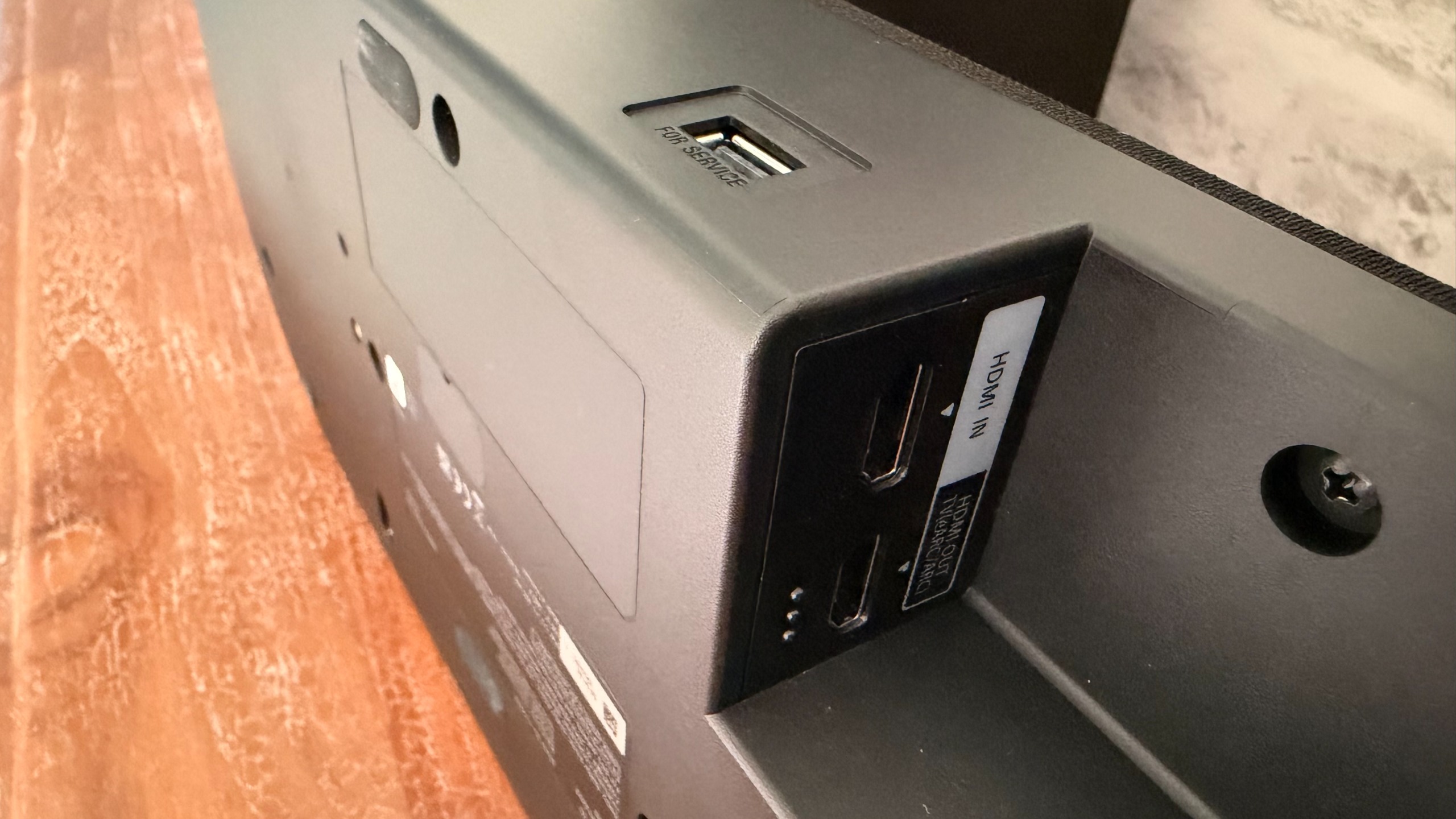
From a hardware and connectivity standpoint, the Bravia Theater Trio provides a reliable, if streamlined, array of inputs tailored to modern entertainment setups. The primary connectivity highlight is an HDMI loop-through supporting 4K video feeds at 120Hz, catering directly to high-frame-rate gaming enthusiasts utilizing hardware such as the Sony PlayStation 5. The HDMI output supports eARC (Enhanced Audio Return Channel) for seamless audio transmission from a connected smart TV.
Video pass-through specifications include robust support for major High Dynamic Range (HDR) standards, including HDR10, HLG, and Dolby Vision, though notable omission of HDR10+ remains for specific display compatibilities. Physical wired inputs are otherwise sparse, restricted to a single USB port reserved exclusively for system software updates. While a secondary HDMI input or an optical digital audio terminal would have been welcomed by purists given the system’s $1,999 price tag, comprehensive wireless integration—including Wi-Fi, Bluetooth 6.0, Spotify Connect, and Apple AirPlay 2—covers the connectivity requirements of most contemporary households.
High-Resolution Audio support is standard, paired with Sony’s proprietary DSEE Ultimate AI upscaling engine, which analyzes compressed audio streams in real-time to restore high-frequency detail. System management is handled primarily via the Bravia Connect app, which provides a responsive graphical interface that compensates for the physical absence of an LED display panel on the main speaker chassis.
Performance Analysis: Cinema and Multichannel Audio
When subjected to rigorous evaluation across complex movie soundtracks encoded in Dolby Atmos and DTS:X, the Bravia Theater Trio dispels initial skepticism regarding its cost-to-performance ratio. Delivering a total certified power output of 405 watts, the system punches well above its specification sheet, projecting an immense sense of space, dynamic impact, and micro-detail.
In practice, the physical presence of the three front speakers effectively dissolves, creating a wide acoustic front stage that anchors dialogue precisely to the screen center while steering directional effects across the room’s front half. Dialogue remains articulate, warm, and natural, free from the boxy colorations that frequently plague slim-profile soundbars.
Low-frequency reproduction is handled primarily by the substantial left and right front channels. Unlike many compact soundbars that rely heavily on artificial bass boosting or exhibit port chuffing under stress, the Trio delivers disciplined, fast, and tightly controlled low-end transients. Sudden cinematic impacts, explosions, and deep orchestral rumbles are reproduced with physical authority and rapid decay, preventing bass frequencies from muddying the midrange or overwhelming delicate spatial cues.
Music Playback and Hi-Fi Fidelity
While many home theater packages prioritize cinematic bombast at the expense of musical nuance, the Bravia Theater Trio transitions effortlessly into a high-fidelity music playback system. Operating in native stereo mode without digital signal processing enhancements, the speaker trio demonstrates exceptional channel separation, precise vocal imaging, and a composed presentation even when reproducing dense, complex musical arrangements at elevated listening levels.
Conversely, the system is equally adept at handling spatial audio formats such as Dolby Atmos Music. For listeners willing to experiment beyond strict purist stereo boundaries, Sony’s upmixing algorithms—specifically the 360 Spatial Sound Mapping applied to ambient or pop stereo tracks—offer a remarkably immersive, spacious alternative to standard two-channel reproduction without introducing phase distortion or vocal thinning.
Limitations and Market Position
Despite its overwhelmingly positive acoustic performance, the Bravia Theater Trio is not without minor operational constraints. Out of the box, the virtual surround processing creates a convincing front and side soundstage, but authentic rear-plane localization remains somewhat limited unless users invest in the optional Rear 9 surround speakers—an add-on that pushes total system expenditure past the $2,700 mark.
Additionally, the optimal listening zone—commonly referred to as the sweet spot—generated by the 360 Spatial Sound Mapping calibration is relatively compact. Larger households or audiences seated off-axis may experience a slight shift in spatial coherence, though the core tonal balance and fidelity of the speakers remain uniformly impressive regardless of seating position.
Conclusions and Competitive Landscape
When evaluated against established market alternatives, such as the Samsung HW-Q990H or premium single-chassis solutions like the Sennheiser Ambeo Max, the Sony Bravia Theater Trio carves out a distinct niche. While all-in-one competitor packages often bundle subwoofers and rear speakers at a lower total cost, Sony’s modular three-piece architecture offers superior scalability, a more refined musical presentation, and an aesthetic flexibility tailored specifically to giant modern television displays.
For consumers operating within a dedicated budget who prioritize straightforward, single-box convenience, lower-cost alternatives remain viable. However, for enthusiasts seeking separates-grade acoustic fidelity, sophisticated room calibration, and uncompromising scale designed to complement premium large-format displays, the Sony Bravia Theater Trio stands out as an exceptionally accomplished home audio solution.