US Renewable Energy Capacity Set to Outpace Natural Gas as Solar, Wind, and Storage Surge Ahead

The landscape of American energy production is undergoing a profound and accelerating transformation. According to newly released data from the US Energy Information Administration (EIA) analyzed and highlighted by the advocacy group the SUN DAY Campaign, renewable energy sources are on an unprecedented upward trajectory. Over the coming year, renewables’ share of total US generating capacity is projected to expand significantly, climbing from 37.7% to 40.4%. This monumental shift will cement renewables well ahead of natural gas, while outstripping nuclear energy capacity by a factor of five.
The latest findings, derived from the EIA’s "Electric Power Monthly" report which tracks data through August 31, 2026, illustrate an energy sector rapidly pivoting toward green infrastructure. Driven by staggering investments, declining technology costs, and supportive federal policies, solar, wind, and advanced battery storage are no longer emerging alternatives—they are rapidly becoming the dominant backbone of the nation’s electrical grid.
Renewable Electricity Generation Surges Past Fossil Fuels
During the first two-thirds of 2026, electricity generated from renewable sources surged by 10.2% compared to the same period in the previous year. This growth was spearheaded by utility-scale solar installations—defined as projects greater than 1 megawatt—which saw a remarkable 20.0% increase. Small-scale residential and commercial solar also posted strong gains, growing by 12.0%, while wind power generation rose by 7.8%. Traditional renewable stalwarts also contributed to the upward trend, with hydropower expanding by 4.2% and geothermal energy ticking up by 3.8%.
To understand the sheer volume of this clean energy output, a look at the absolute numbers is revealing. From January through August 2026, wind turbines across the United States produced 333,367 gigawatt-hours (GWh) of electricity, accounting for 10.6% of the nation’s total electrical generation. Combined, utility-scale and small-scale solar facilities generated 329,119 GWh, representing another 10.5% of the total. Hydropower added 180,940 GWh (5.7%), biomass contributed 29,917 GWh (1.0%), and geothermal accounted for 10,766 GWh (0.34%).
In stark contrast, conventional fossil fuel and nuclear generation experienced sluggish growth or outright declines. Electricity output from US natural gas and nuclear power plants inched upward by just 2.6% and 1.3%, respectively. Meanwhile, coal-fired power generation continued its long-term structural decline, falling sharply by 8.7% over the same eight-month timeframe.
When combined, wind and solar power accounted for nearly 21.1% of all domestic electricity production during the first eight months of 2026. Together, these two intermittent renewable sources produced 44.4% more electricity than coal and 24.8% more than nuclear power. Factoring in all renewable technologies, including biomass and hydropower, clean energy sources accounted for 28.1% of total US electrical generation through the end of August, up notably from 26.2% during the same period a year prior.
Unprecedented Growth in Installed Capacity
The surge in generation is directly tied to a massive buildout of new physical infrastructure. Between September 1, 2025, and August 31, 2026, the United States added over 43,000 megawatts (MW) of renewable energy capacity.
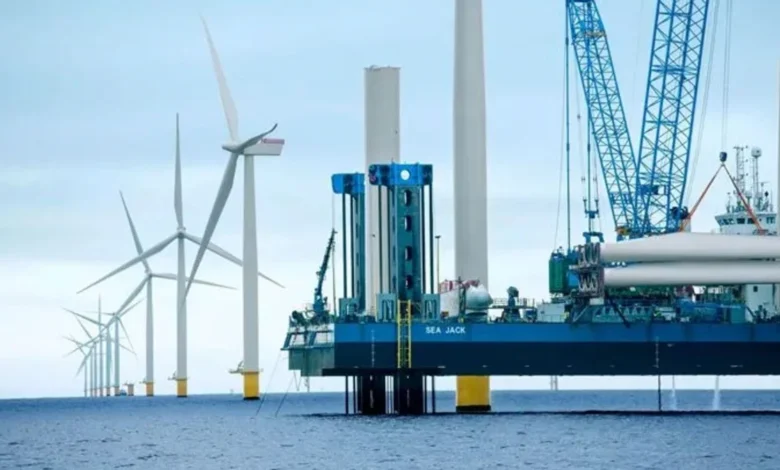
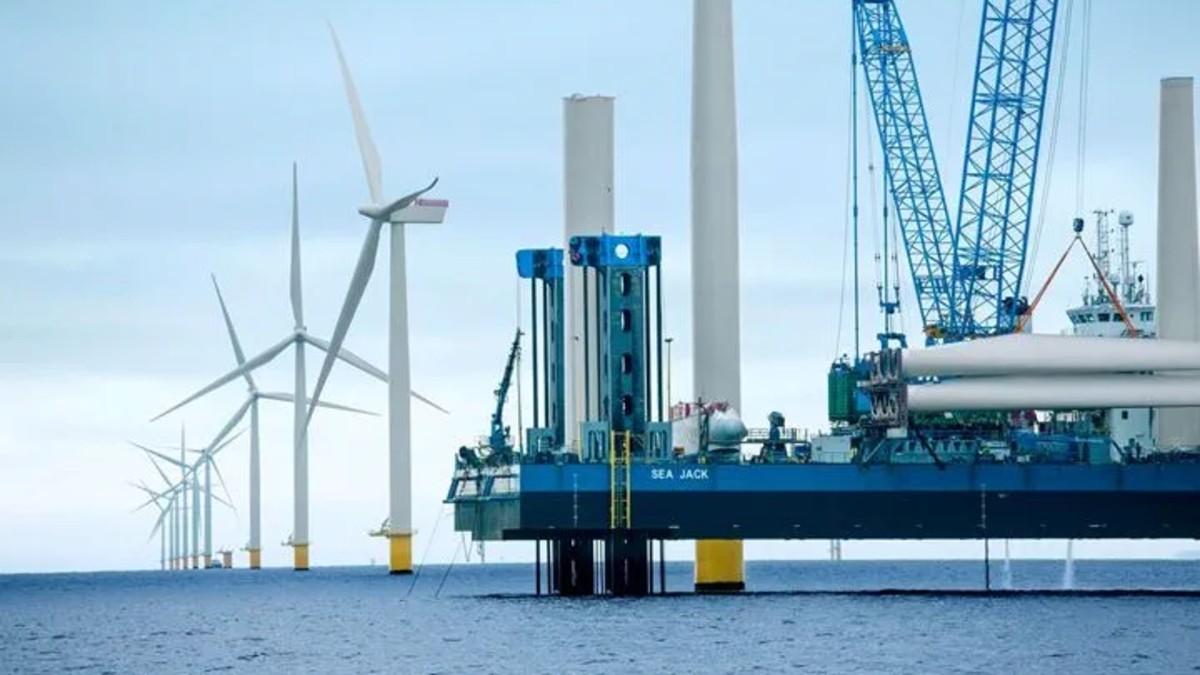
Utility-scale solar led the charge by adding 27,141.7 MW of capacity. Small-scale solar grew by 6,526.1 MW, and wind power added 9,979.1 MW—a figure that notably includes 800 MW of newly operational offshore wind capacity. In total, the combined capacity of all renewable sources, including hydropower, biomass, and geothermal, expanded by 43,497.9 MW over the 12-month period.
Simultaneously, the integration of grid-scale energy storage experienced a parallel boom. Utility-scale battery energy storage capacity increased by 17,586.9 MW, providing the essential flexibility required to manage intermittent wind and solar generation on the grid.
By comparison, fossil fuel and nuclear sectors lagged far behind. Coal capacity experienced a net reduction of 2,703.4 MW as older plants were retired, while nuclear capacity remained entirely flat. Although natural gas capacity expanded by 5,316.0 MW, the combined net growth of new nuclear and fossil fuel capacity totaled a modest 2,612.6 MW. This means renewable energy capacity expansion outpaced the combined net growth of fossil fuels and nuclear power by a factor of nearly 17 to 1.
Projections Point to Accelerated Expansion Through 2027
Looking ahead, the EIA projects that the momentum behind renewables will only accelerate. As of September 1, 2026, renewable energy comprised 34.5% of total US utility-scale generating capacity. The agency forecasts that this share will jump to 37.3% by August 31, 2027.

Over the coming 12 months, utility-scale solar is expected to add an eye-watering 44,603.1 MW of new capacity, expanding its share of the utility-scale mix from 13.4% to 16.5%. Wind power is projected to grow by an additional 8,312.3 MW—including a significant 3,355.0 MW boost from offshore wind projects—pushing its capacity share from 13.4% to 13.5%. Other renewables, such as hydropower, biomass, and geothermal, are slated to add a combined 201.9 MW.
In total, utility-scale renewables are on track to add 53,117.3 MW of new capacity over the coming year. This represents a roughly 44% increase over the 36,971.8 MW added during the previous 12-month cycle. Conversely, the EIA projects zero new nuclear generating capacity additions and a net retirement of 1,997.0 MW in fossil fuel infrastructure.
Small-Scale Solar and Battery Storage Poised for Milestone Shifts
When factoring in distributed, small-scale solar systems—such as residential rooftop installations—the transformation of the US energy market becomes even more pronounced. Small-scale solar capacity expanded by 6,526.1 MW over the past year, bringing its cumulative total to 63,192.6 MW.
While the EIA does not formally forecast decentralized rooftop solar growth over a 12-month horizon, analysts at the SUN DAY Campaign conservatively estimate an addition of at least 6,000 MW based on a five-year historical average of roughly 6,400 MW added annually. Factoring in this distributed growth, total renewable energy capacity in the United States is projected to eclipse 550,000 MW by September 1, 2027.
This milestone carries monumental symbolic and practical weight: projected renewable capacity will officially surpass natural gas generating capacity, which is expected to total 518,312.8 MW by late summer 2027. Solar power alone is on track to account for more than one-fifth (20.7%) of the entire generating capacity of the United States.
Furthermore, the integration of grid storage is slated to shatter previous records. The EIA anticipates that battery energy storage systems will expand by 23,656.2 MW—a 43.7% increase—bringing total US storage capacity to 77,753.2 MW by September 2027. Combined with utility-scale renewables, the grid will absorb nearly 76.8 GW of new clean energy and storage capacity over the next year, pushing past 82 GW when rooftop solar is included.

Industry Implications and Expert Reactions
The rapid transition away from fossil fuels toward a decentralized, renewable-heavy grid carries profound implications for the US economy, electricity pricing, and national climate goals. Energy analysts note that the rapid deployment of battery storage is particularly critical, as it directly addresses historical criticisms regarding the intermittent nature of wind and solar power. By smoothing out generation curves and providing reliable peaking capacity, utility-scale batteries are enabling higher penetrations of renewables without compromising grid stability.
Industry stakeholders have viewed the latest EIA data as confirmation of a structural, irreversible market shift.
"Each new issue of EIA’s ‘Electric Power Monthly’ reinforces the theme that the growth of solar, wind, and battery storage has become unstoppable," remarked Ken Bossong, executive director of the SUN DAY Campaign. "Meanwhile, the share of the nation’s electrical generation and generating capacity provided by fossil fuels and nuclear continues to shrink."
Economic pressures, falling component costs, corporate sustainability commitments, and federal incentives have combined to create an environment where building new fossil fuel generation is increasingly uncompetitive against wind, solar, and storage. As utility companies and grid operators adapt to these economic realities, the trajectory outlined by the EIA suggests that the American energy transition is not only proceeding at a rapid pace, but actively outperforming expectations set just a few years prior.