The Best Webcams of 2025: Elevating Your Virtual Presence in a Hybrid Work Era

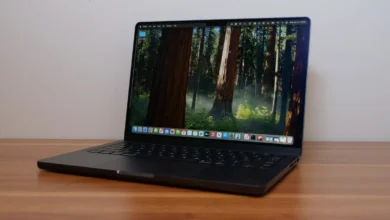
The modern professional landscape has fundamentally shifted toward a hybrid model, transforming the webcam from a peripheral luxury into an essential component of daily infrastructure. As remote and distributed work environments become permanent fixtures of the global economy, the limitations of integrated laptop cameras have become increasingly apparent. While manufacturers have made incremental progress—exemplified by the 12MP Center Stage camera found in the latest 16-inch MacBook Pro M4 Pro—the vast majority of built-in hardware fails to meet the demands of high-definition professional conferencing, content creation, and digital collaboration.
Market data indicates that the demand for high-fidelity imaging solutions has surged by nearly 40% since the widespread adoption of remote work protocols in 2020. This growth is driven by the realization that professional visual presentation is directly correlated with communication efficacy. Grainy, low-resolution, or poorly lit video feeds often undermine the professional stature of presenters, leading to a rise in demand for dedicated external hardware that offers superior optics, color accuracy, and intelligent framing capabilities.
The Evolution of Imaging Standards
Historically, the webcam market remained stagnant for over a decade, with 720p sensors serving as the industry standard. However, the forced transition to virtual boardrooms necessitated a rapid maturation of the technology. Current industry leaders have moved beyond simple resolution metrics, focusing instead on sensor size, dynamic range, and machine-learning-assisted features such as auto-framing and background noise suppression.
The current market is bifurcated into distinct segments: the high-volume consumer segment, which prioritizes plug-and-play ease of use and affordability, and the prosumer/professional segment, which demands 4K resolution, wide apertures for low-light performance, and granular software control.
Evaluating Market Leaders: A Comparative Analysis
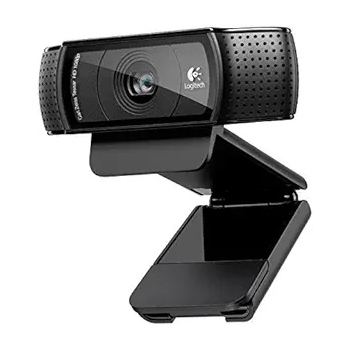
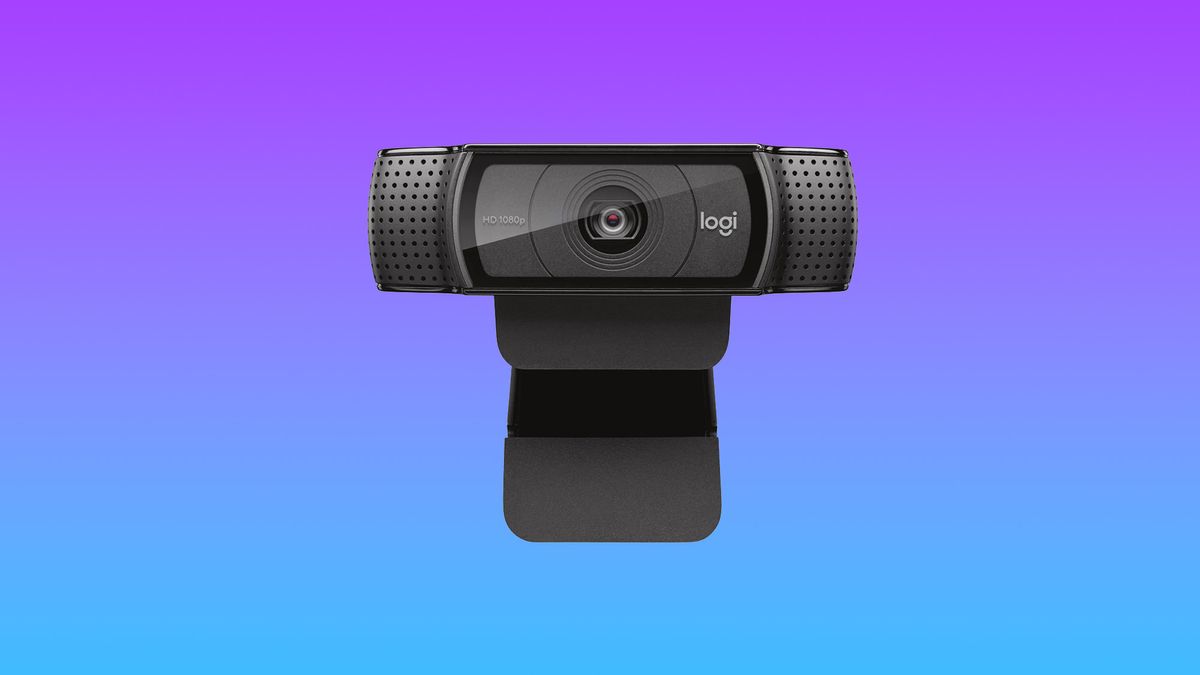
For the majority of users, the Logitech HD Webcam C920 remains the industry benchmark for reliability and value. Since its debut, it has maintained its position as the quintessential all-rounder. With a 1080p resolution and a 78-degree field of view, it provides a stable, clear image that significantly outperforms standard laptop optics. Its enduring popularity is attributed to its "set and forget" utility, making it the preferred choice for enterprise-level deployment where complex software configurations are undesirable.
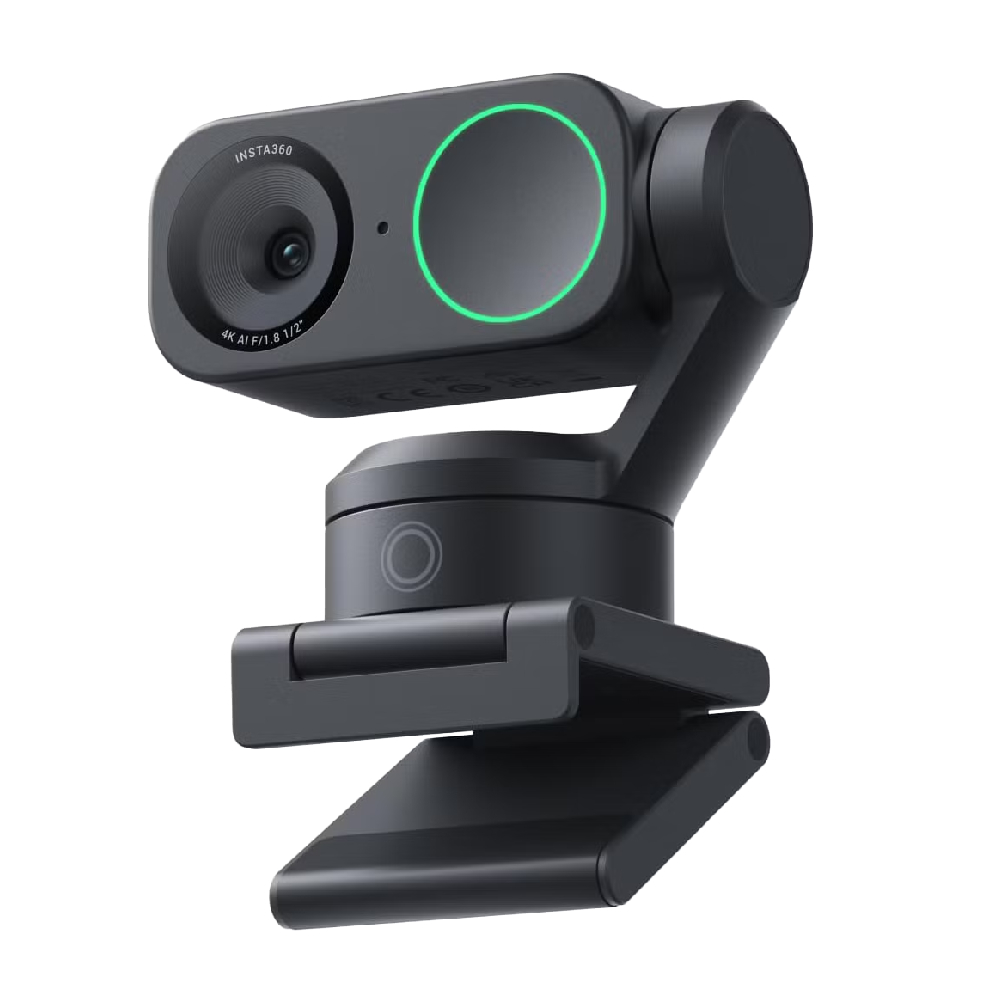
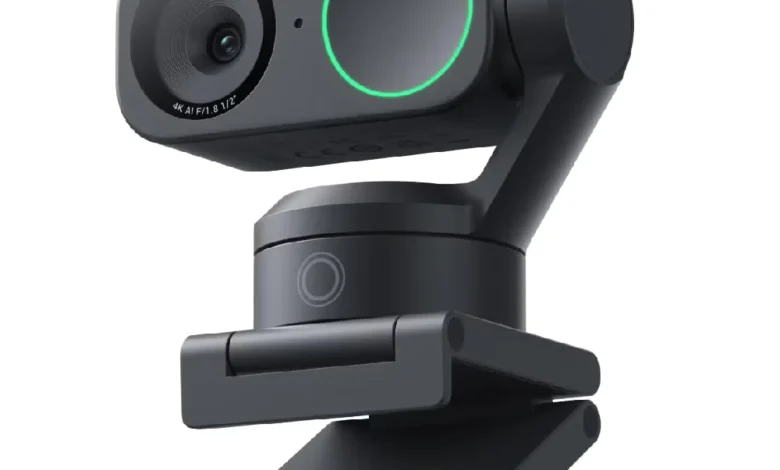
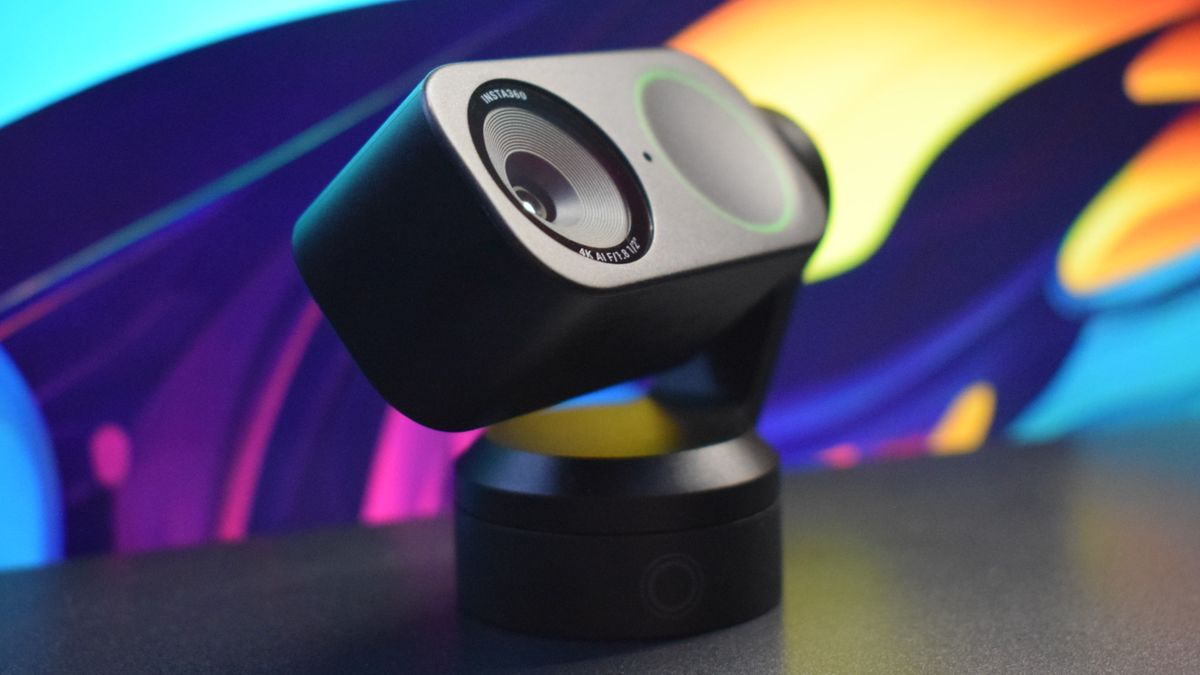
At the premium end of the spectrum, the Insta360 Link 2 represents a significant departure from static camera design. By incorporating a dual-axis gimbal, the device offers active AI tracking, which ensures the user remains centered even during dynamic presentations. This technology, originally popularized in high-end cinematography drones, has been scaled down for the desktop. For content creators and presenters who move around a room or utilize whiteboards, this represents a paradigm shift in autonomous production.
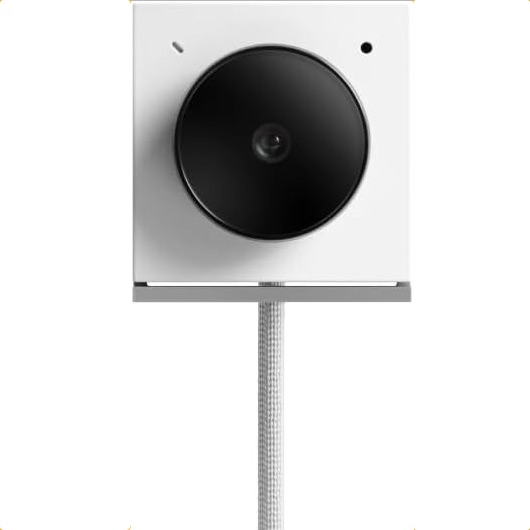
Portability has emerged as a critical sub-category for the traveling professional. The Opal Tadpole addresses the "traveler’s dilemma"—the trade-off between carrying a bulky professional camera and settling for inferior integrated hardware. Its miniaturized form factor, combined with a high-quality sensor, provides a bridge between convenience and output quality. This device reflects the broader industry trend of prioritizing high-density technology in smaller footprints.
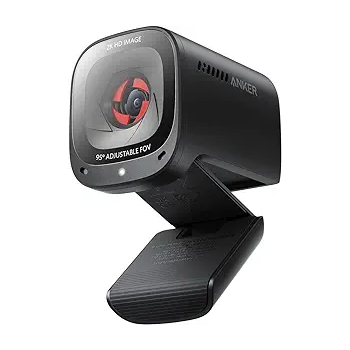
For those requiring high-performance 2K output, the Anker PowerConf C200 has garnered attention for its price-to-performance ratio. By offering a 60fps frame rate at 2K resolution, it appeals to users who prioritize fluid motion over sheer pixel count. Its inclusion of a physical privacy shutter—a standard feature increasingly demanded by corporate security policies—further solidifies its utility in office environments.
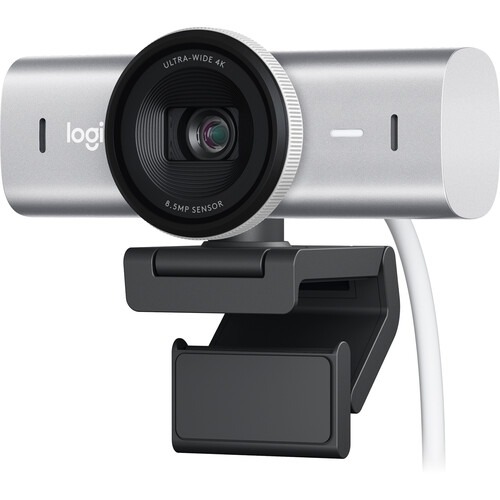
Finally, the Logitech MX Brio 4K serves as the flagship for users who prioritize image fidelity above all else. By utilizing an 8.5MP Sony STARVIS CMOS sensor, it achieves a level of light sensitivity and color accuracy that approaches entry-level mirrorless cameras. It is primarily intended for users whose virtual presence is a critical component of their professional output, such as consultants, educators, and executive leaders.
Technical Specifications and Performance Metrics
| Webcam | Max Resolution | Frame Rate (Max) | Key Differentiator |
|---|---|---|---|
| Logitech C920 | 1080p | 30 fps | Reliability/Value |
| Insta360 Link 2 | 4K | 60 fps (at 1080p) | AI Gimbal Tracking |
| Opal Tadpole | 4K | 30 fps | Ultra-portable |
| Anker C200 | 2K | 60 fps | Low-light performance |
| Logitech MX Brio | 4K | 60 fps (at 1080p) | Professional Optics |
The Impact of AI and Automation
The integration of Artificial Intelligence (AI) into webcam hardware is the most significant development in the sector since the transition to high-definition sensors. AI-driven features, such as "DeskView" (which angles the camera to capture documents on a desk) and "Auto-Framing" (which adjusts the zoom based on the number of participants), are transforming the webcam from a passive recording device into an active participant in the meeting.
This technological leap carries implications for corporate training and virtual education. The ability to automatically track a lecturer or follow a demonstration on a whiteboard reduces the technical burden on the user, allowing for a more natural, fluid interaction. These features are no longer experimental; they are becoming expected standard requirements in professional-grade peripherals.
Implications for Enterprise Security and Privacy
The widespread adoption of external webcams has brought renewed focus to digital privacy. The inclusion of physical privacy shutters—mechanical barriers that cover the lens—is now a standard requirement for many enterprise IT procurement departments. The Anker PowerConf C200 and the Logitech MX Brio are notable for integrating these features directly into their chassis designs, acknowledging that users prioritize physical security as much as image quality.
Furthermore, the data processing capabilities of modern webcams have raised questions regarding data sovereignty. As these cameras utilize local AI to track users, the reliance on proprietary software platforms is growing. Organizations must now consider the security posture of the software suites accompanying these devices, ensuring that video processing remains localized rather than cloud-dependent whenever possible.
Strategic Considerations for Procurement
For individuals and organizations looking to upgrade their hardware, the decision-making process should be dictated by the specific use case:
- Daily Conferencing: For internal meetings and standard communication, the Logitech C920 provides sufficient quality without unnecessary complexity.
- Presentations and Sales: For roles that involve high-stakes virtual presentations, the Insta360 Link 2’s AI tracking provides a professional advantage by keeping the speaker dynamic and engaged.
- Professional Content Creation: For those producing video content, webinars, or high-definition workshops, the Logitech MX Brio 4K offers the necessary sensor quality to compete with traditional studio setups.
- Mobile Productivity: For the frequent traveler, the Opal Tadpole offers the best balance of size and performance, ensuring that remote work remains high-quality regardless of location.
Conclusion: The Future of Virtual Presence
The trajectory of the webcam industry suggests a future where the distinction between broadcast-quality hardware and office peripherals continues to blur. As sensor technology improves and AI-driven processing becomes more efficient, the "grainy webcam" era will likely be relegated to history.
In the immediate future, the focus for manufacturers will be on improving low-light performance and integrating more sophisticated audio processing. As the barrier to entry for high-quality production continues to drop, professionals across all industries will find that their virtual presence is as critical to their career trajectory as their physical presence once was. Investing in the appropriate hardware is no longer just a technical upgrade; it is a fundamental step in maintaining professional communication standards in a globalized, digital-first economy.