The Ultimate Road Trip Power Guide: High-Wattage Car Chargers From Anker, Baseus, and UGREEN Deliver Desktop-Class Speeds to the Open Road

The modern automotive landscape has evolved far beyond the era of simple 12-volt auxiliary sockets and bulky cigarette-lighter adapters designed merely to power portable GPS units or traditional dashboard accessories. Today’s motorists and passengers travel with an arsenal of power-hungry electronics, ranging from high-performance smartphones and tablets to power-hungry laptops, handheld gaming consoles, and Chromebooks. While everyday short-distance commuting is increasingly well-served by modern wireless magnetic charging mounts—which utilize Qi2 standards to eliminate physical clamps—long-haul road trips, cross-country drives, and mobile office setups demand an entirely different category of hardware. For prolonged journeys and multi-device deployments, wired high-wattage DC-to-AC or direct DC-to-DC multi-port car chargers have become indispensable automotive accessories.
When powering power-dense electronics like portable workstations, a car charger must deliver a minimum threshold of 60W to 65W to even initiate charging on standard USB Power Delivery (USB-PD) laptops, let alone sustain a battery charge under heavy operational workloads. Furthermore, sharing that limited power pool among multiple occupants quickly drains the capacity of conventional chargers. To bridge the gap between desktop-grade power delivery and automotive constraints, leading charging accessory manufacturers—namely Anker, Baseus, and UGREEN—have engineered a new class of high-capacity, multi-port car chargers capable of outputting well over 100 watts of sustained power. Based on extensive, hands-on testing of the current market, these three industry giants stand out as the most reliable, efficient, and technologically advanced producers of heavy-duty vehicular power adapters.
Anker Nano Car Charger (167.5W, 3 Ports): High-Density Power for the Multi-Device Family
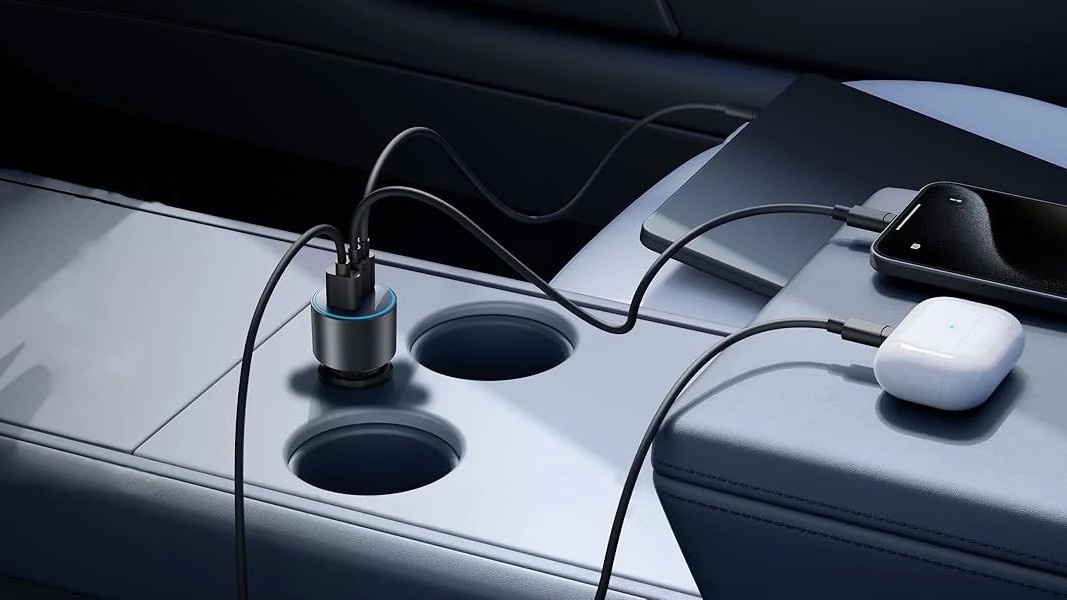
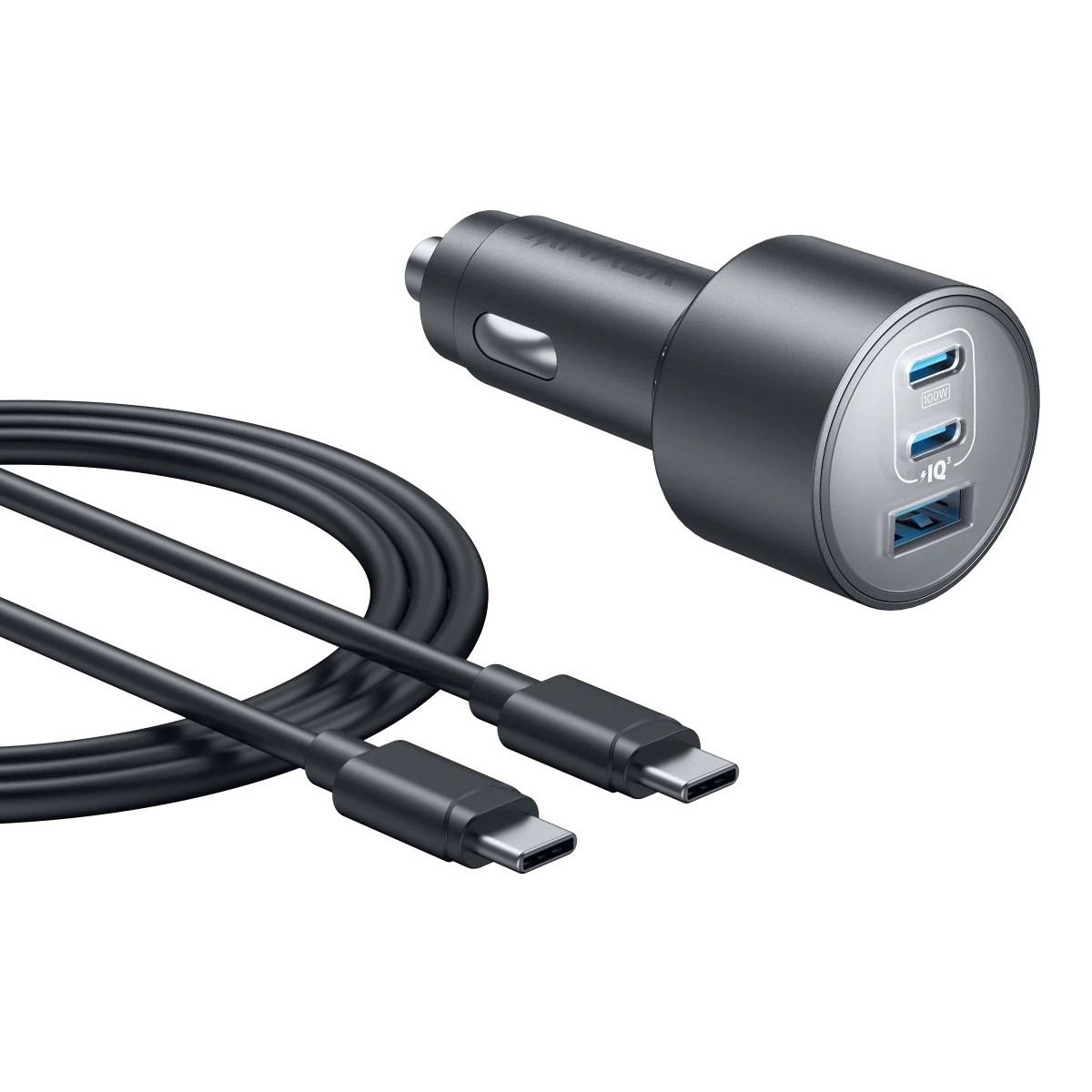
Anker has long maintained a dominant market position in the consumer charging ecosystem, celebrated for balancing aggressive pricing structures with rigorous safety protocols and advanced semiconductor implementations. The Anker Nano Car Charger, boasting a combined maximum power output of 167.5 watts across three distinct ports, represents a significant engineering achievement in form factor minimization and thermal dissipation. Despite housing enough internal circuitry to power multiple high-draw devices simultaneously, the charger maintains a compact footprint that sits flush against standard vehicle dashboard sockets without obstructing surrounding gear shifters or climate control dials.
The port architecture of the Anker Nano consists of two USB Type-C ports and a single legacy USB Type-A port. Power allocation is distributed intelligently based on connected hardware, supporting contemporary fast-charging profiles for major device ecosystems, including Samsung’s Super Fast Charging and Apple’s high-wattage Power Delivery standards. Specifically, the primary USB-C port is engineered to output a dedicated 100W stream, which is more than sufficient to rapid-charge a 14-inch or 16-inch MacBook Pro or high-end Windows workstation. The secondary USB-C port delivers a robust 45W output, capable of fast-charging a modern tablet or secondary laptop, while the legacy USB-A port supplies up to 22.5W for legacy accessories, dashcams, or smartphones.
To manage the extreme thermal loads generated by converting vehicular 12V/24V power down to regulated USB voltages at high amperages, Anker utilizes its proprietary intelligent temperature and voltage regulation chips. This smart management system constantly monitors thermal thresholds, actively scaling back output if internal temperatures approach safety limits, thereby protecting both the vehicle’s electrical system and the connected client devices. Retailing at a standard MSRP of $53.99—though frequently discounted across major online retail platforms such as Amazon down to approximately $37.79—the package includes a 3.3-foot USB-C to USB-C cable rated for high-wattage transmission, backed by an 18-month manufacturer warranty.
Baseus PrimeTrip VR2 Max 240W: Cable Management and Industry-Leading Output
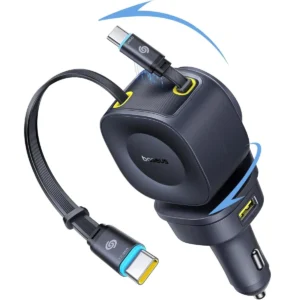
For consumers battling the persistent annoyance of tangled cables within the cabin, the Baseus PrimeTrip VR2 Max 240W introduces an innovative mechanical solution that rethinks the physical layout of automotive chargers. Co-endorsed by prominent mobile technology reviewers and long-haul travel testers, this powerhouse unit redefines the upper limits of vehicular charging capacity by delivering an astonishing combined output of 240 watts, positioning it near the absolute zenith of consumer-grade mobile charging technology.
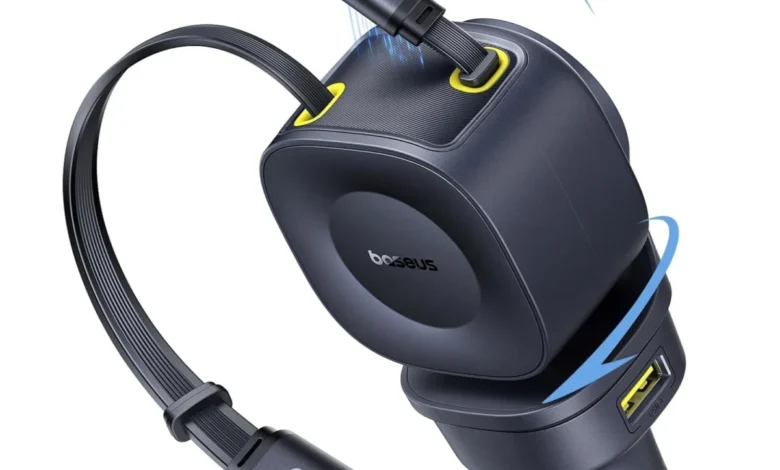
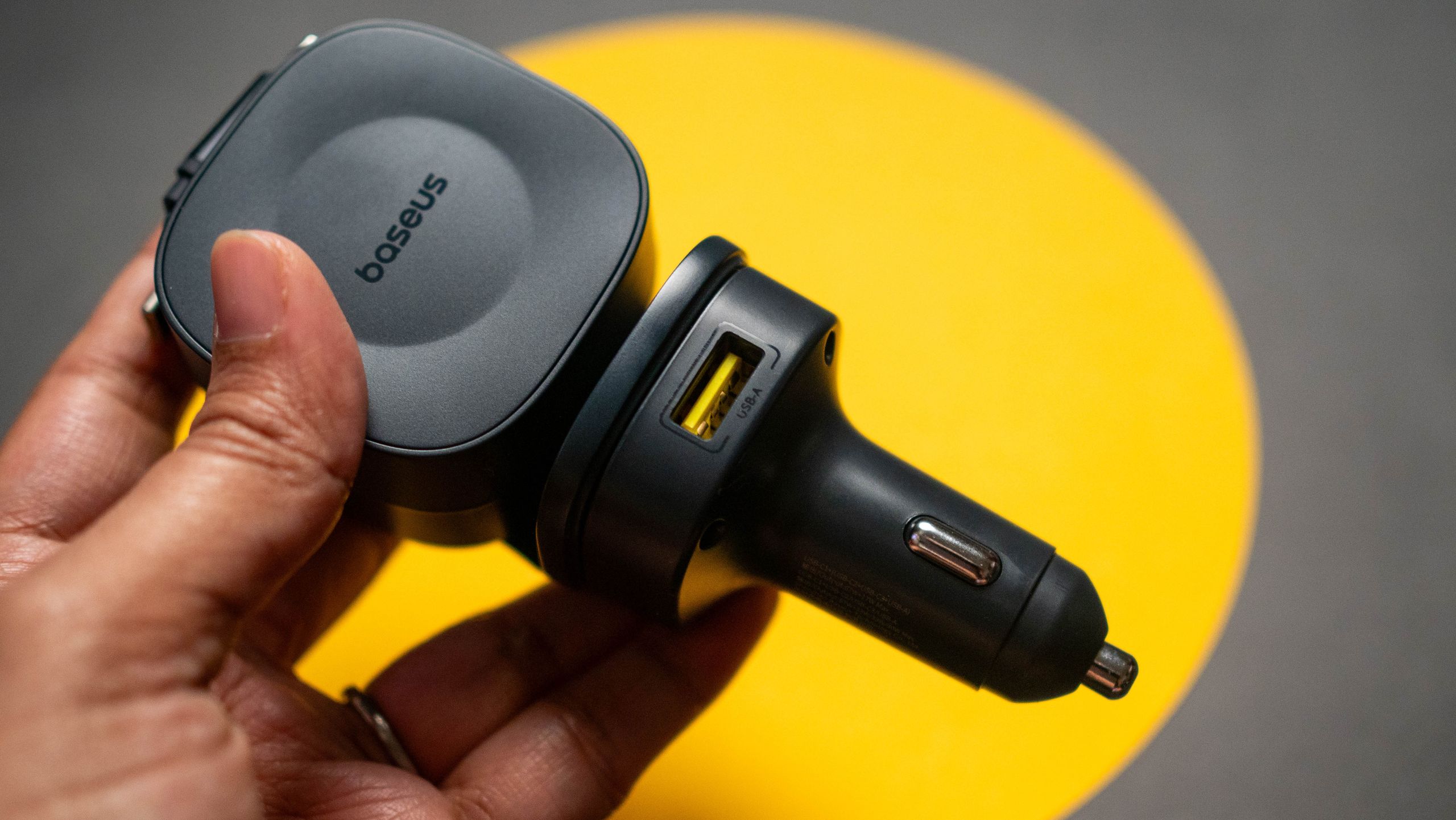
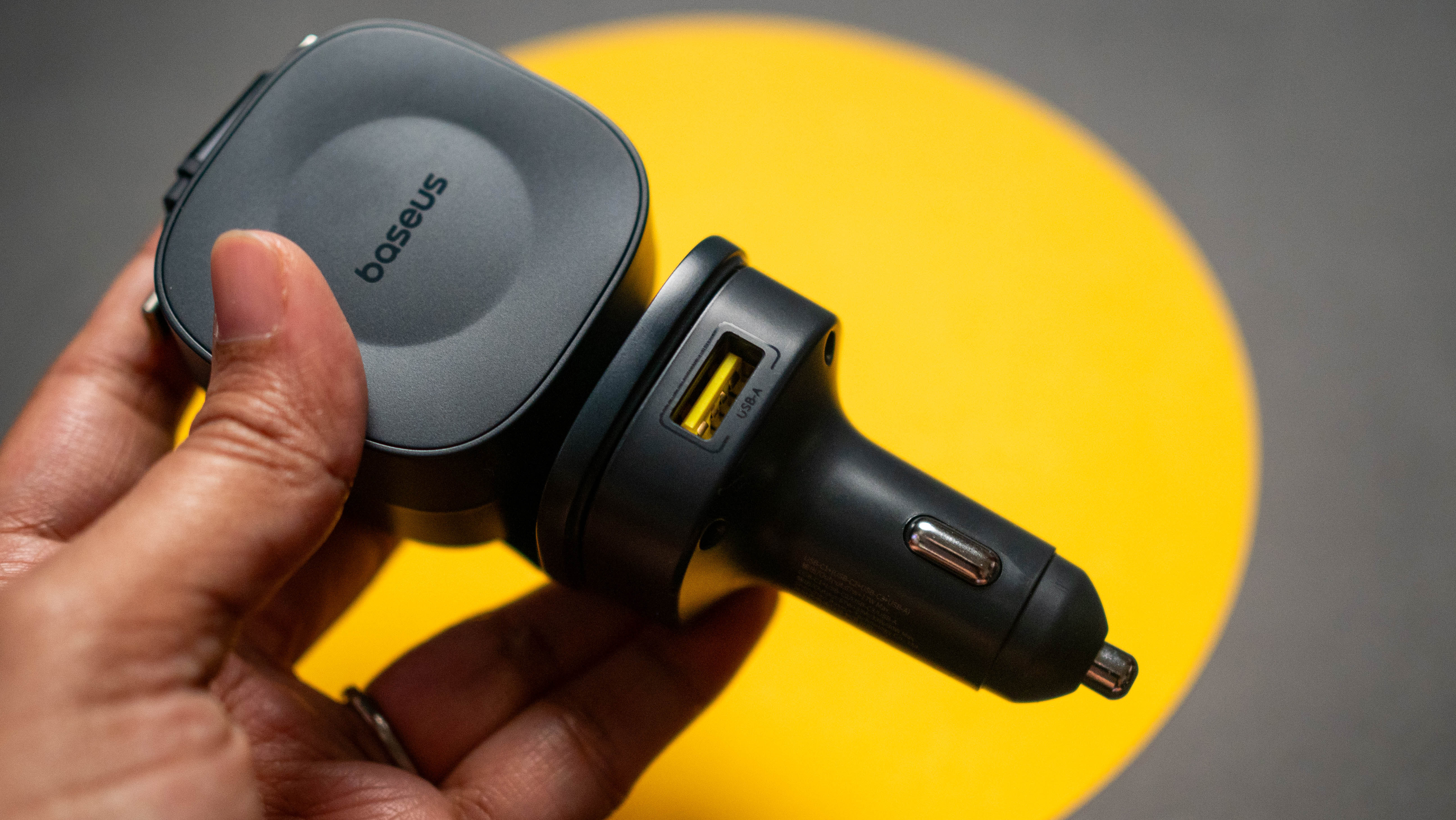
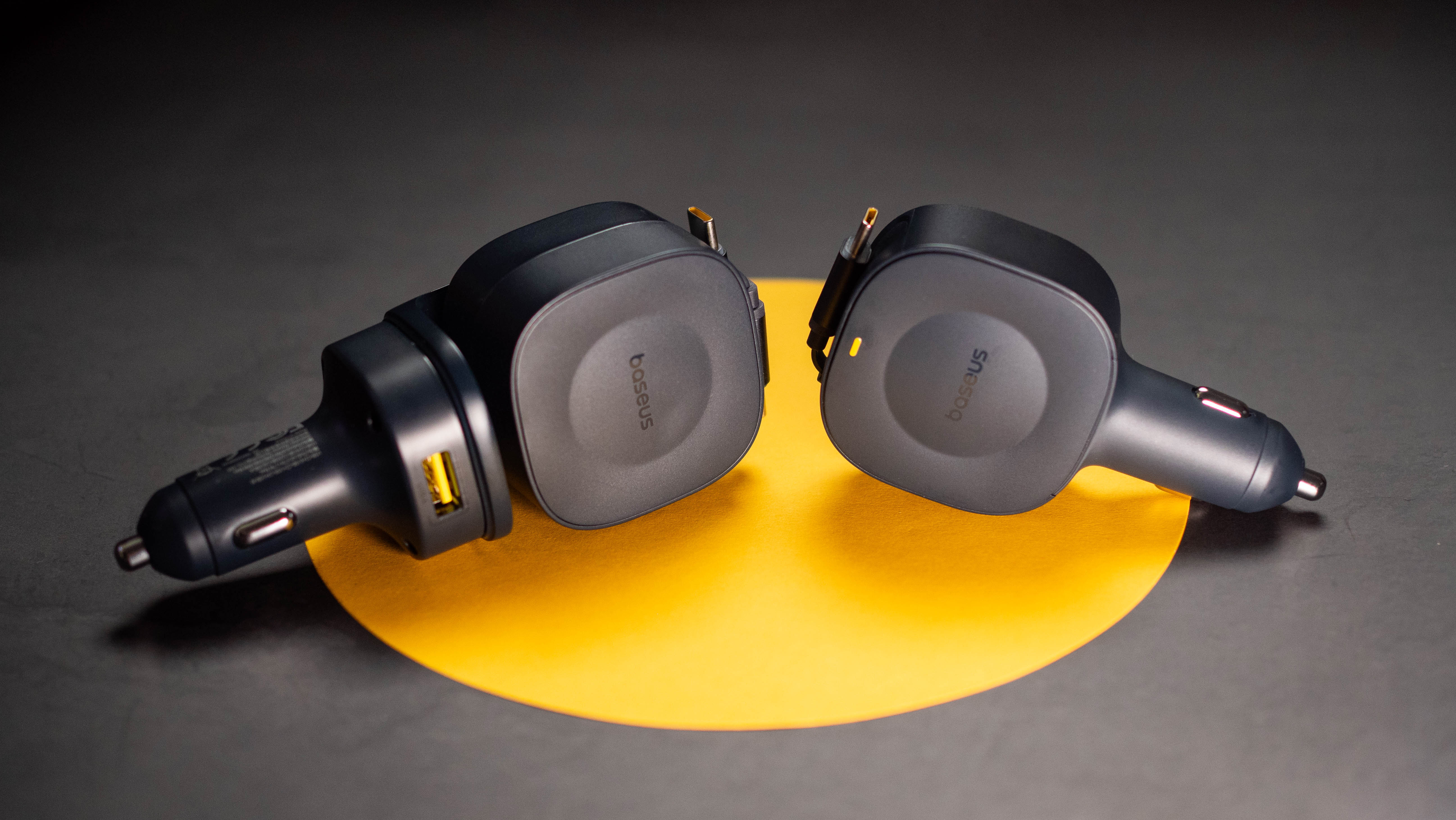
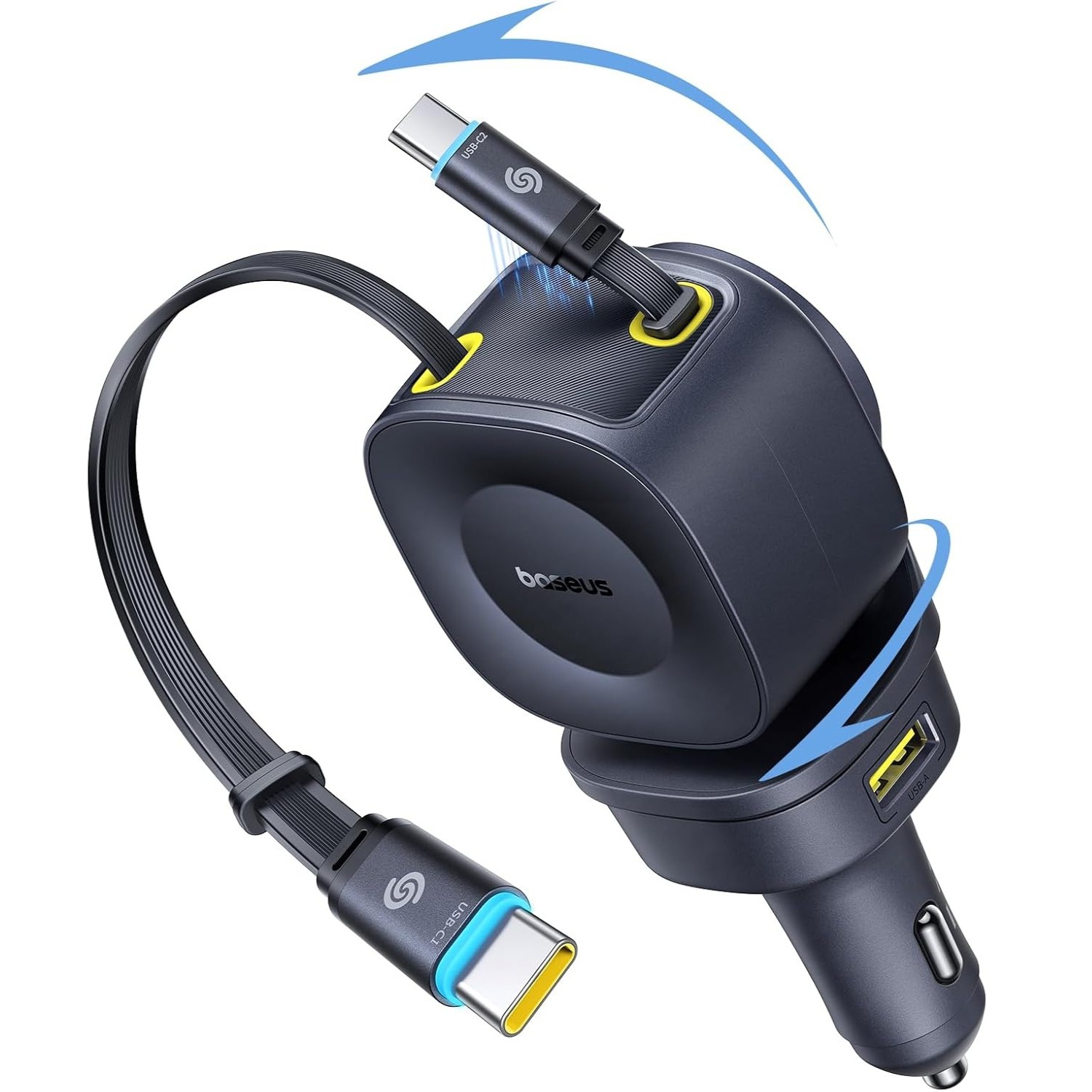
The standout architectural feature of the PrimeTrip VR2 Max is its dual built-in retractable cable system. Housed within the rotating upper housing of the device are two independent 31.5-inch retractable USB-C cables, each rated to deliver up to 105W of power individually. This mechanical integration allows front and rear-seat passengers to pull out precisely the length of cable required for their seating position, eliminating the need to pack separate loose cords that inevitably create clutter around the center console. Once the journey is complete, a smooth spring-loaded retraction mechanism reels the cables back into the unit cleanly. In addition to the retractable lines, the base of the charger features an auxiliary 33W USB-C port and a 30W USB-A port, bringing the total number of accessible connection points to four.
Usability is further enhanced by a multi-directional rotating head that supports 450 degrees of physical adjustment, ensuring compatibility with awkwardly angled or deeply recessed cigarette lighter ports found in various vehicle makes and models. Safety is managed through a comprehensive seven-layer protection architecture that includes flame-retardant exterior shell construction, over-current protection, short-circuit prevention, and an integrated smart control chip that dynamically manages power distribution across all active connections. Priced competitively at $59.99—with promotional retail discounts frequently slashing up to 40% off during major shopping events—the Baseus PrimeTrip VR2 Max serves as the definitive hardware choice for drivers seeking to eliminate cable clutter without sacrificing raw wattage.
UGREEN Nexode Car Charger 145W: Prioritizing Safety and Value
UGREEN has rapidly built a formidable reputation within the global charging community through its Nexode product lineage, recognized widely for delivering professional-grade Gallium Nitride (GaN) and high-output silicon chargers at highly accessible price points. While the brand’s wall-mounted GaN chargers often capture the primary tech headlines, the UGREEN Nexode Car Charger 145W brings the same design philosophy and reliability to the automotive sector.
Retailing at an MSRP of $49.99—and frequently found on promotional sale for around $34.99—the Nexode 145W stands as one of the most economically efficient high-wattage charging solutions available on the market. Like its competitor from Baseus, this model incorporates a four-port layout featuring a combination of fixed ports and an integrated retractable cable. Specifically, it includes a built-in retractable USB-C cable rated for 60W, which is ideal for rapidly replenishing mid-sized laptops or mobile phones without manual cable stowage.
For heavier computing loads, the secondary standalone USB-C port delivers a full 100W output, enabling simultaneous rapid charging for a primary laptop while other passengers utilize the tertiary 30W USB-C port and the 30W USB-A port. UGREEN integrates robust hardware-level safeguards, including multi-stage surge protection, real-time thermal monitoring, and voltage stabilization circuits housed inside a durable, fire-retardant chassis. This meticulous attention to safety compliance ensures that even under maximum combined load conditions, the charger maintains stable operational parameters across extended operating hours.
Technological Evolution and Market Implications
The proliferation of high-wattage automotive chargers arriving from brands like Anker, Baseus, and UGREEN underscores a broader transformation in how consumers interact with technology while in transit. As remote work models, gig-economy driving professions, and nomadic lifestyles become increasingly prevalent, the automobile is no longer merely a vehicle for transportation; it has transformed into a mobile extension of the modern office and living space.
From an engineering perspective, the transition toward multi-port chargers exceeding 100W reflects advancements in semiconductor technology and power conversion efficiency. Older generations of car chargers relied on linear regulators or basic switching topologies that generated excessive waste heat, often resulting in thermal throttling where connected devices would slow down their charging rates or disconnect entirely to prevent overheating. Modern iterations leverage advanced power-sharing algorithms and thermal dissipation materials that allow continuous high-amperage output even within the confined, unventilated spaces of automotive accessory sockets.
Furthermore, the integration of physical mechanical innovations—such as the retractable cables pioneered by Baseus and UGREEN—highlights a growing emphasis on ergonomic design and cabin safety. Loose, dangling cords in the driver’s footwell or around the gear selector pose a genuine safety hazard, potentially interfering with vehicle operation. By integrating retractable mechanisms and multi-angle swivel heads, manufacturers are addressing both aesthetic and functional concerns, ensuring that high-speed power delivery does not compromise driving ergonomics.
Ultimately, whether consumers prioritize Anker’s compact power density, Baseus’s innovative cable management and massive 240W capacity, or UGREEN’s cost-effective safety features, the current market for high-wattage automotive chargers offers robust solutions tailored to the demands of modern electronic dependency. As mobile devices continue to demand higher power inputs for faster operation and larger battery capacities, the role of intelligent, high-output vehicular charging infrastructure will only continue to expand in importance for everyday motorists and long-distance travelers alike.