Lenovo Tab Plus Gen 2 emerges as the premier Android tablet of 2026 with significant hardware innovations and a limited-time price reduction.

In the competitive landscape of mobile computing, Android tablets have historically struggled to maintain a consistent foothold against the dominance of Apple’s iPad ecosystem. However, 2026 has witnessed a notable shift in market dynamics with the arrival of the Lenovo Tab Plus Gen 2. Recently recognized as the "Best Tablet" at the Tom’s Guide Computing Awards, this device distinguishes itself through a specialized focus on high-fidelity audio and versatile ergonomic design, effectively carving out a niche for power users and media enthusiasts alike.
Market Context and Strategic Positioning
The tablet market has reached a point of maturity where hardware specifications often plateau across various manufacturers. To differentiate their offerings, companies have moved away from generic productivity slates toward devices optimized for specific use cases. The Lenovo Tab Plus Gen 2 represents a strategic pivot toward "lifestyle-integrated hardware." By embedding a high-performance speaker system directly into the tablet’s chassis, Lenovo has targeted a demographic that prioritizes media consumption, home entertainment, and portable audio quality—features often compromised in thinner, more minimalist designs.
This launch arrives during a period of moderate growth for the tablet sector, as consumers look for devices that bridge the gap between smartphones and full-fledged laptops. While premium tablets frequently command prices exceeding $700, Lenovo’s aggressive pricing strategy—further bolstered by a current promotion reducing the unit price to $289 from its $399 MSRP—positions the Tab Plus Gen 2 as a highly accessible option for the mid-range market.
Technical Specifications and Hardware Architecture
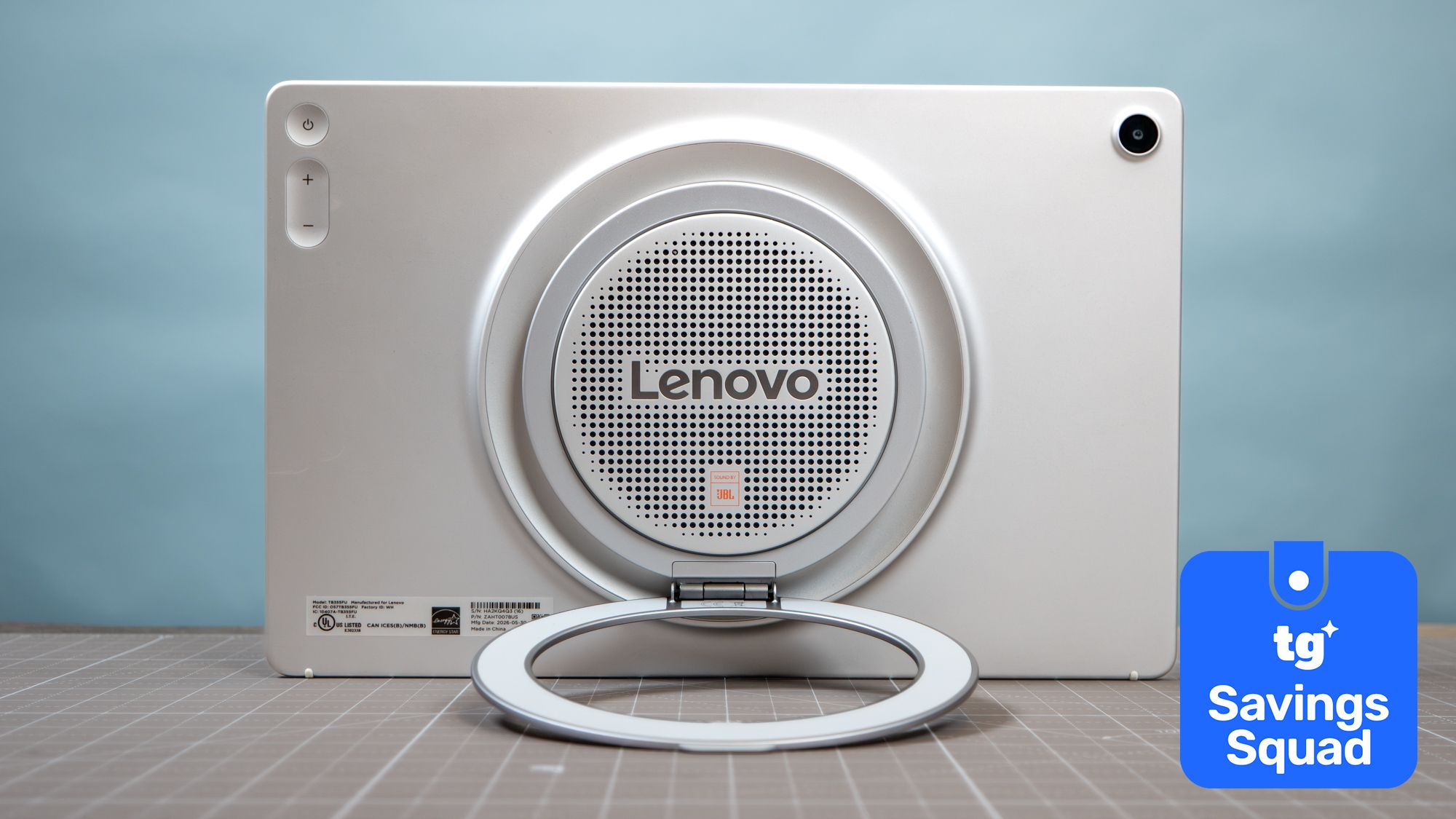
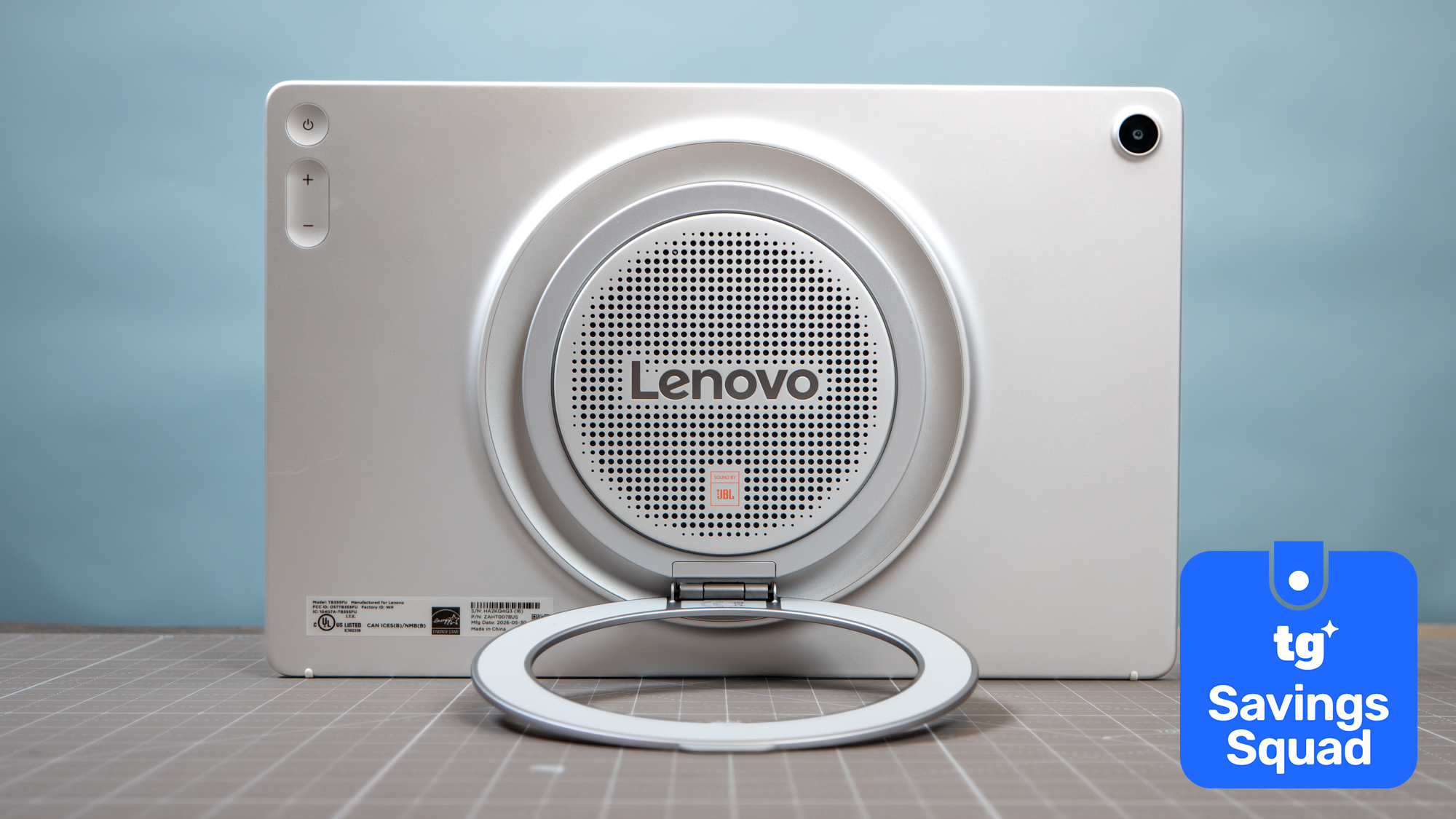
At the core of the Lenovo Tab Plus Gen 2’s value proposition is its audio engineering. Unlike conventional tablets that rely on thin, side-firing drivers, the Gen 2 incorporates a sophisticated JBL-tuned nine-speaker array. This system is comprised of four dedicated tweeters for crisp high-end output, three woofers for mid-range clarity, and two passive radiators specifically engineered to manage low-frequency response.
The integration of these components allows for a sound profile that is statistically broader than the industry average for 12-inch tablets. Furthermore, the device’s software integration enables a "Bluetooth speaker mode," allowing the tablet to function as a standalone audio hub for external devices, effectively doubling its utility in a home environment.
The display, a 12.1-inch panel with a resolution of 2560 x 1600 pixels, is designed to support the immersive nature of the audio hardware. While the panel technology eschews the organic light-emitting diode (OLED) path favored by some competitors, the implementation of advanced backlighting results in high-brightness output suitable for both high-dynamic-range (HDR) and standard-dynamic-range (SDR) content.
The Ergonomic Advantage: The 360-Degree Kickstand
A defining feature of the Gen 2 is the industrial-grade aluminum kickstand. Mechanical failure in integrated stands has been a recurring point of consumer frustration in the tablet category. Lenovo’s design team addressed this by utilizing a 360-degree rotation hinge, allowing the user to transition seamlessly between landscape orientation for video playback and portrait orientation for reading or document review.
The structural integrity of this hinge is a significant departure from the flimsy plastic variants common in budget devices. Because the stand is physically anchored to the speaker housing, the device maintains its center of gravity even when placed on uneven surfaces, a critical detail for users utilizing the device in kitchens, workshops, or communal living spaces.
Chronology of the 2026 Tablet Refresh
The evolution of the Lenovo Tab series leading up to the Gen 2 can be mapped through the following developments:
- Q1 2026: Lenovo announces the architectural transition for the Tab series, emphasizing "modular-adjacent" design language.
- Q2 2026: The official unveiling of the Tab Plus Gen 2 at the Global Electronics Summit, where the focus on the JBL-collaboration takes center stage.
- Q3 2026: Initial units hit retail shelves, accompanied by positive early feedback regarding the build quality and audio performance.
- Q4 2026: The device receives industry accolades, including the Tom’s Guide Computing Award, coinciding with a seasonal price adjustment to capture holiday market share.
Comparative Analysis: The Android vs. iOS Divide
While the Apple iPad remains the industry standard for application optimization and long-term software support, the Lenovo Tab Plus Gen 2 serves as a case study for why Android remains vital in the tablet space. By focusing on hardware-first features—such as superior audio and integrated stands—Android manufacturers are successfully attracting users who find the iPad ecosystem restrictive or unnecessarily expensive for their specific entertainment needs.
When comparing price-to-performance ratios, the $110 discount currently offered by Lenovo places the Gen 2 in direct competition with entry-level tablets that lack both the screen real estate and the audio depth of the Lenovo model. For the average consumer, the choice between a device that prioritizes ecosystem integration (iPad) and a device that prioritizes standalone hardware performance (Lenovo) has never been more distinct.
Implications for Future Hardware Design
The success of the Lenovo Tab Plus Gen 2 may signal a broader trend in tablet manufacturing. If market data continues to show a preference for "entertainment-first" devices, we may see competitors following suit by integrating more robust audio and physical stands into their mid-range lineups. This shift would reflect a departure from the "ultrathin" trend that has characterized the last decade of tablet design, suggesting that consumers are increasingly willing to trade a few millimeters of thickness for meaningful functional upgrades.
Technical and Economic Outlook
From an economic standpoint, the current $289 price point is designed to clear inventory ahead of potential 2027 product refreshes, but it also serves as a penetration pricing tactic to gain market share in the education and home-media sectors. The long-term viability of the device will depend on Lenovo’s commitment to software updates, particularly the security patches required to maintain the relevance of the Android operating system on this hardware.
As of the current quarter, the Lenovo Tab Plus Gen 2 stands as an outlier in a saturated market. It succeeds not by attempting to replicate the utility of a desktop computer, but by mastering the fundamental requirements of a media consumption device. For users seeking a tablet that functions as a high-quality speaker and a versatile portable display, the Gen 2 remains the primary candidate in the current market landscape.
Final Considerations for Prospective Buyers
Those considering the purchase of the Lenovo Tab Plus Gen 2 should weigh the device’s specific strengths—audio and ergonomic design—against its limitations as a high-performance productivity tool. While it is fully capable of handling standard daily tasks and media streaming with exceptional fidelity, it is not marketed as a competitor to high-end tablets designed for creative professionals. For the vast majority of users who utilize their tablets for streaming services, digital literature, and casual web browsing, the Gen 2 represents a high-value investment, particularly while the current promotional pricing remains in effect.
As the industry moves into the next fiscal year, the reception of this model will likely dictate the direction of Lenovo’s tablet roadmap, potentially cementing a new design philosophy that favors utility and physical durability over pure aesthetic minimalism.