Insta360 Link 2 Pro Review: Setting a New Benchmark for Professional 4K Webcams

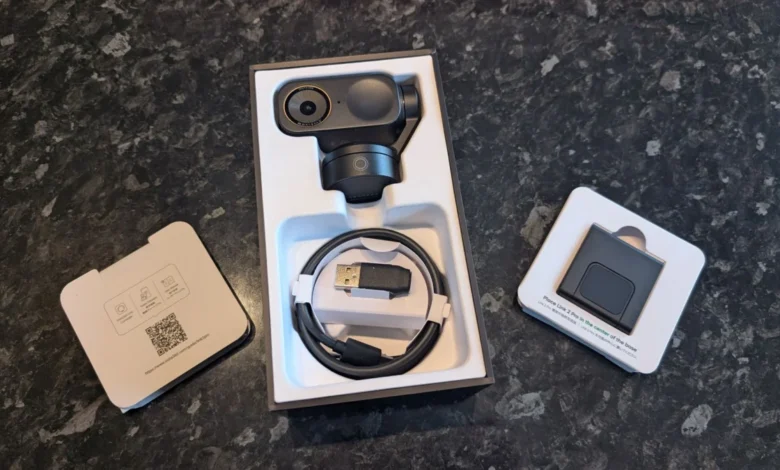
The evolution of remote work, professional content creation, and hybrid corporate communication has radically shifted hardware priorities across the technology sector. Once considered an afterthought peripheral integrated poorly into laptop displays, the webcam has transformed into a critical tool for creators, educators, and enterprise executives alike. Entering this competitive landscape with roots firmly planted in action cameras and aerial drones, Insta360 has steadily carved out a formidable reputation. Following the 2022 debut of its original Link webcam and the subsequent 2024 launch of the Link 2, the company has introduced an incremental yet powerful upgrade: the Insta360 Link 2 Pro.
Retailing at $249.99 / £239 / AU$439, the Insta360 Link 2 Pro arrives as a premium offering designed specifically for power users who demand uncompromising video fidelity, intelligent tracking, and mechanical versatility. While its high price tag places it well out of reach for casual video-conferencing participants, the Pro variant delivers measurable hardware improvements over its predecessor, solidifying its place at the top tier of the peripheral market.
Hardware Enhancements and Design Architecture
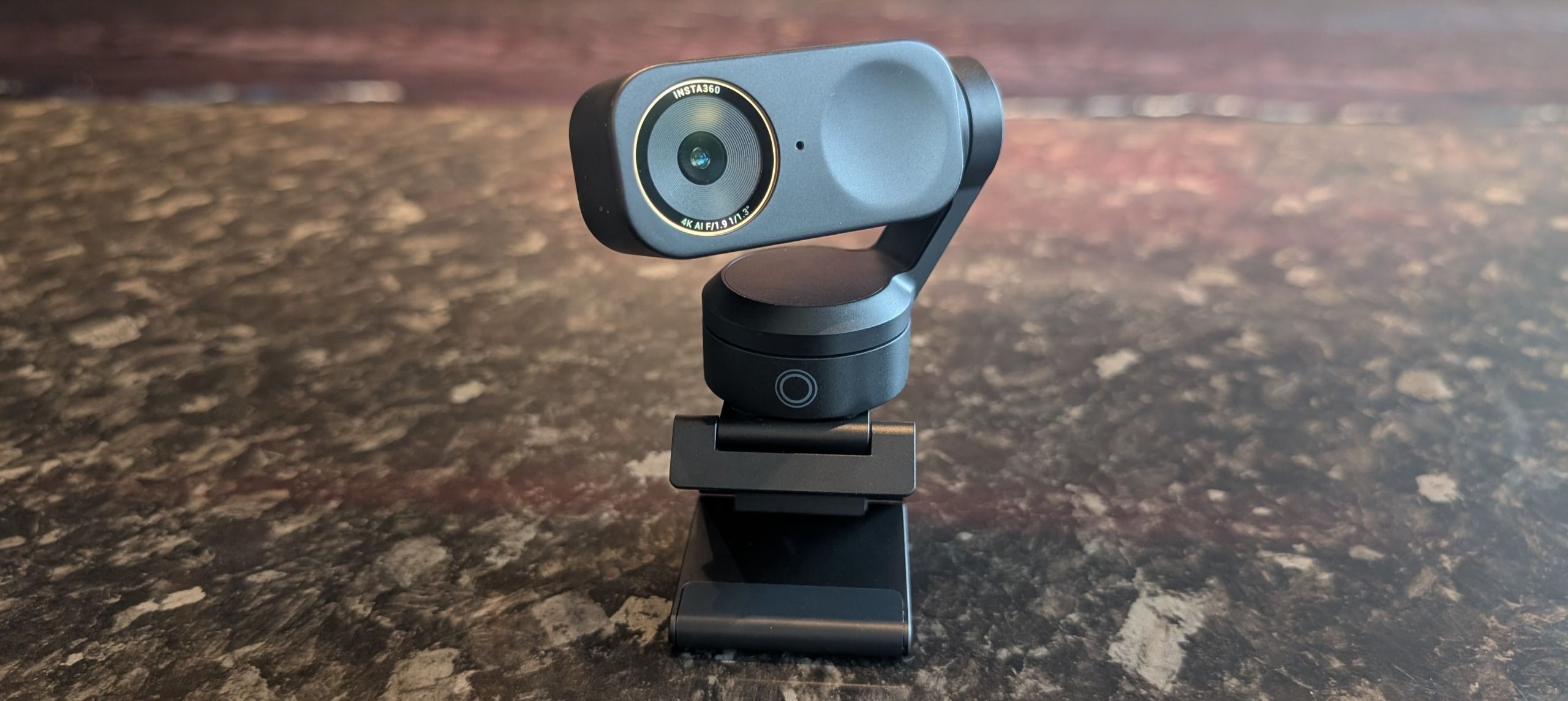
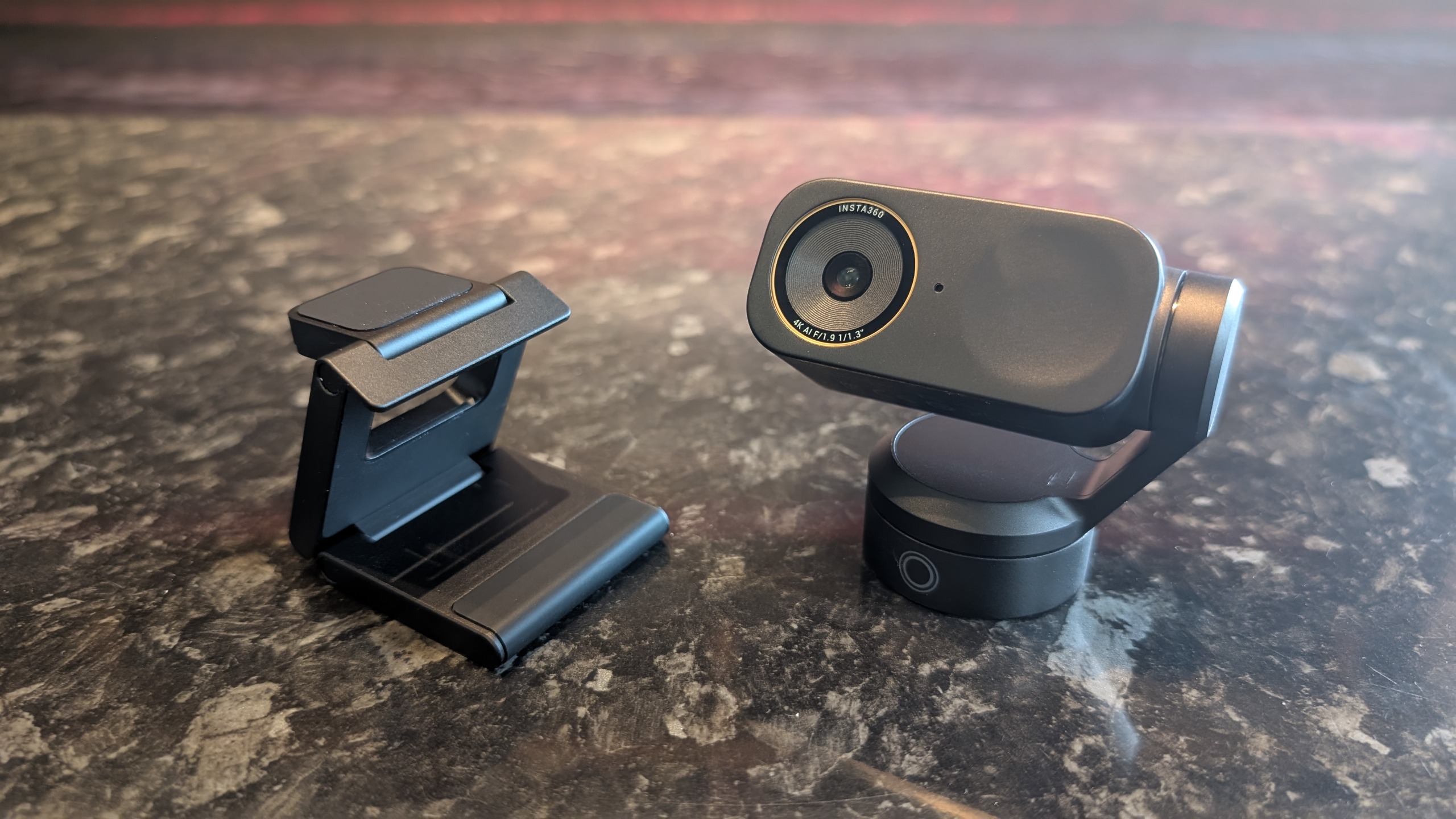
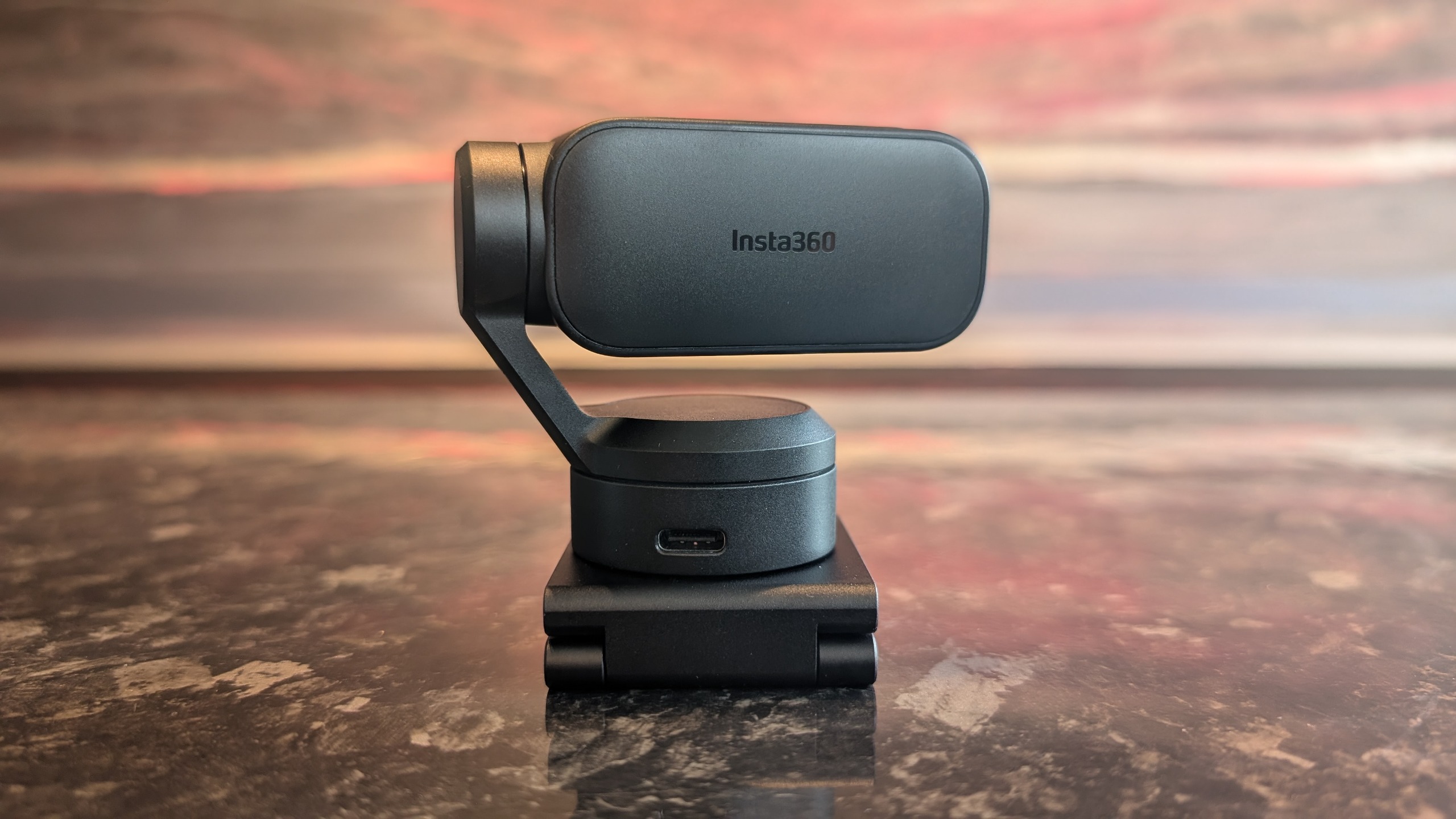
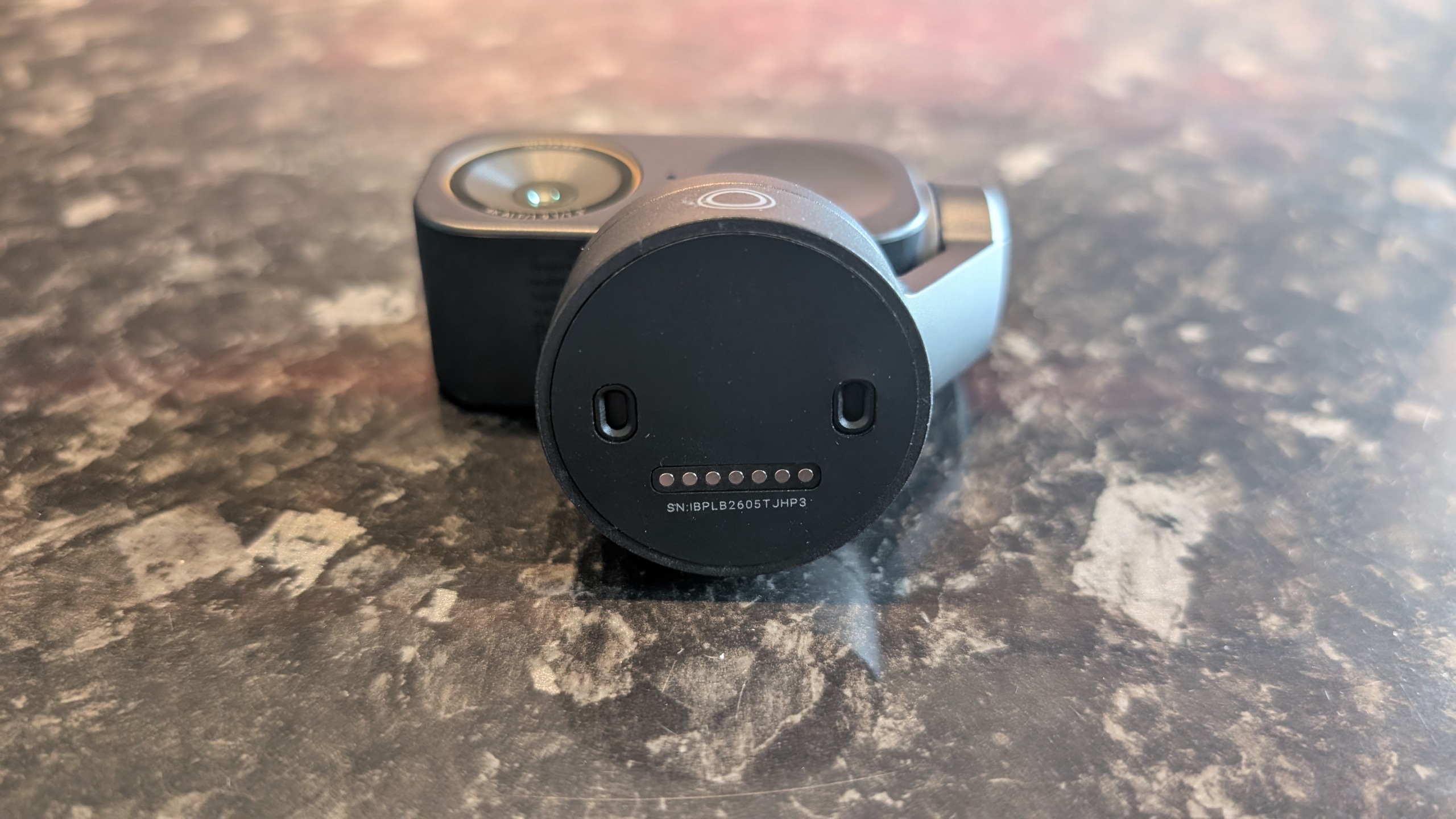
At first glance, the Link 2 Pro shares a striking visual and structural resemblance to the standard Link 2 model, retaining the robust matte plastic and metal chassis that signals high-end manufacturing. A subtle yet distinct gold trim around the lens housing differentiates the Pro edition from its siblings. The unit utilizes a compact folding clip that fastens magnetically to a rotating gimbal mount, allowing for secure attachment across various monitor profiles, alongside an industry-standard threaded screw hole on the underside for universal tripod and mounting arm compatibility.
The cornerstone of the device’s physical design remains its two-point mechanized gimbal, which facilitates smooth horizontal and vertical rotation. This mechanical movement is paired with advanced artificial intelligence head-tracking algorithms. During extensive operational testing, the AI-driven tracking mechanism proves remarkably fluid, maintaining focus even when subjects move rapidly across the camera’s periphery.
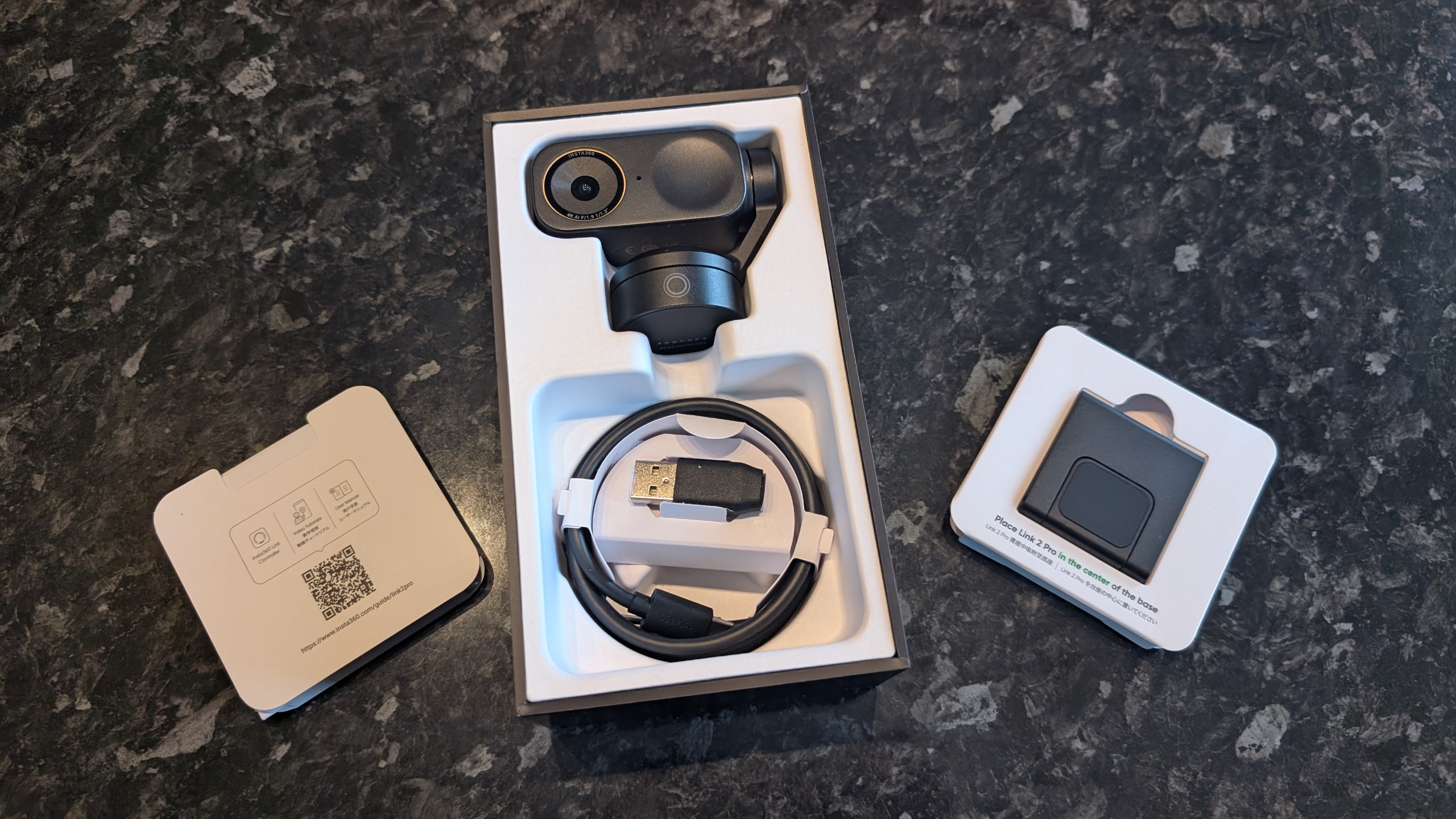
Beyond standard user-following applications, the gimbal unlocks several specialized presentation modes tailored for educators and professionals. These include a desktop mode that pivots the camera downward to capture physical documents on a work surface, a whiteboard mode that automatically frames and squares off presentation boards, and a pause-tracking feature that allows users to designate neutral zones where tracking relaxes naturally for more dynamic delivery. Privacy is handled gracefully through the hardware itself; when inactive, the lens rotates downward automatically, serving as a physical privacy safeguard without requiring software kill switches or manual covers.
Performance and Visual Fidelity in Diverse Lighting
The primary justification for the Pro designation lies beneath the surface, featuring an upgraded internal sensor and a wider aperture. The device captures crisp 4K video at 30 frames per second, supplemented by impressive color reproduction and dynamic range.
Industry analysts and hardware reviewers have long noted that webcams frequently struggle in low-light environments, often resulting in grainy, washed-out footage. The Insta360 Link 2 Pro addresses this challenge directly via its larger sensor and wider aperture. Performance remains remarkably consistent whether capturing video in a sunlit room with open curtains or late at night under ambient desk lamp illumination.
The field of view (FOV) is calibrated to 83.9 degrees. While alternative manufacturers, such as Razer with its Kiyo V2, offer broader fields of view reaching up to 91 degrees, Insta360’s narrower framing strikes an optimal balance for mainstream single-user applications while remaining wide enough to accommodate two or three participants during panel discussions or podcast recordings.
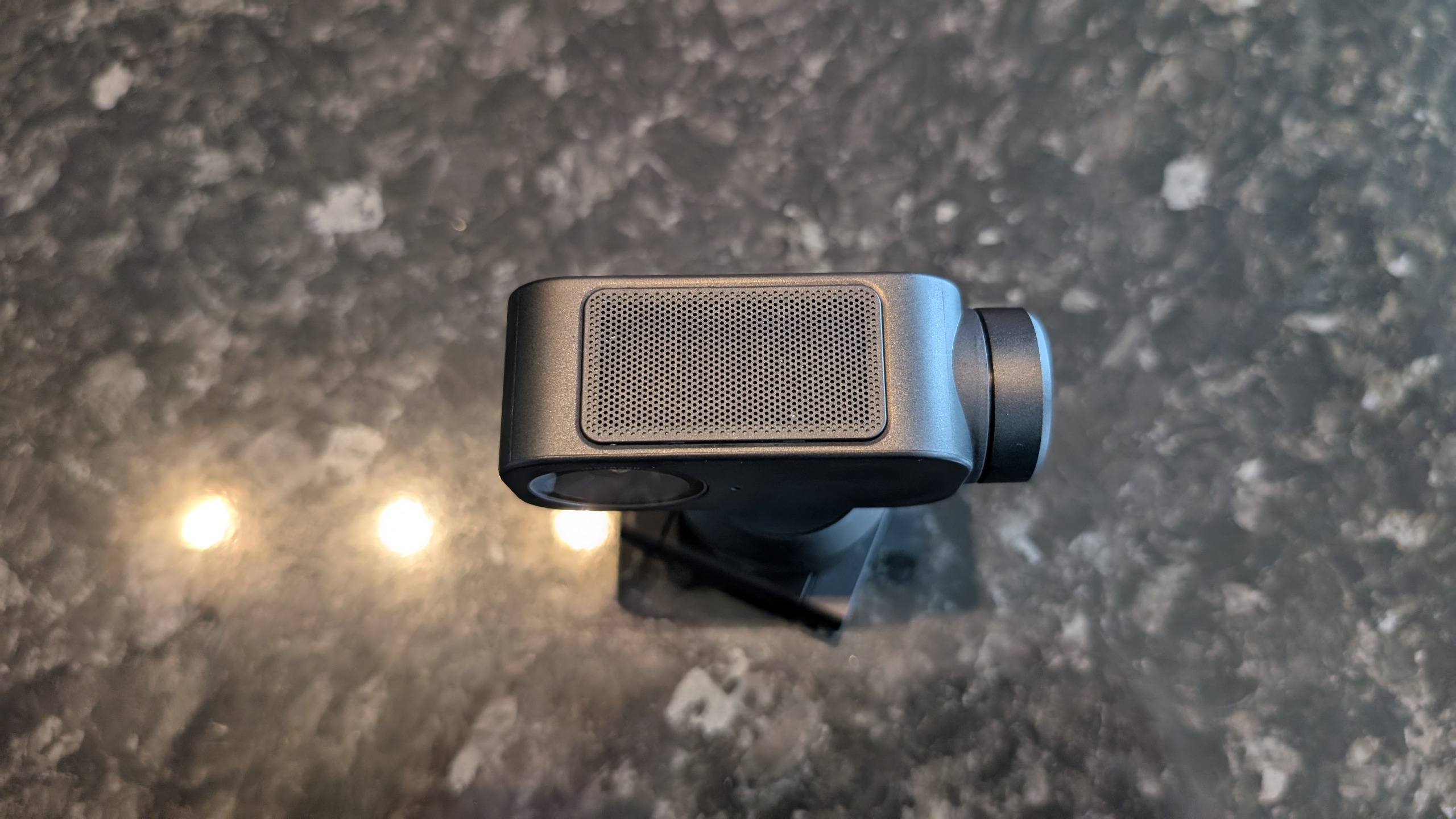
Audio capabilities are handled by an integrated microphone array featuring AI-powered background noise cancellation. While casual and intermediate users engaged in routine Zoom or Microsoft Teams meetings will find the audio quality more than adequate, professional content creators and podcasters will inevitably continue to rely on dedicated standalone XLR or USB microphones for broadcast-quality audio production.
Software Ecosystem and Gesture Controls
Managing the extensive feature set of the Link 2 Pro is facilitated through Insta360’s proprietary software suite, available for both desktop operating systems and mobile devices. The inclusion of a mobile application is a particularly notable workflow enhancement, allowing users to execute real-time adjustments to light balance, digital zoom, and framing presets without interrupting active recordings or minimizing full-screen applications on their primary display.
Complementing software controls are preloaded gesture recognition features. Users can execute simple hand movements to command the camera without touching a keyboard or mouse. Holding up an open palm freezes or resumes tracking, displaying two fingers activates whiteboard mode, and making an "L" gesture combined with vertical hand movement controls digital zoom levels. While these gestures require a brief adjustment period, they function reliably in practice, adding a layer of hands-free convenience for presenters.
Market Positioning and Competitive Landscape
Priced at $249.99 / £239 / AU$439, the Insta360 Link 2 Pro occupies the uppermost echelon of consumer and professional webcam pricing. For comparison, the standard market offers numerous 1080p and budget-oriented 4K alternatives at half the cost. However, market positioning dictates that the Link 2 Pro is not intended for the casual remote worker. Instead, it targets digital creators, corporate presenters, and educators who treat video quality as a vital component of their professional output.
Within the current product ecosystem, buyers have alternative options to consider. The Insta360 Link 2C strips away the motorized mechanical gimbal to provide a more traditional, stationary webcam experience at a reduced cost, while retaining much of the core sensor performance. Conversely, competitors such as the Obsbot Tiny 2 offer comparable 4K resolution and gimbal-based AI tracking, maintaining a fierce rivalry in the high-end smart webcam segment.
Implications for the Peripheral Industry
The success of the Insta360 Link 2 Pro underscores a broader shift in consumer technology preferences. As remote and hybrid work models solidify into permanent fixtures of the global economy, the demand for broadcast-quality home office equipment has matured from a pandemic-era necessity into a sophisticated market sector. Traditional consumer camera manufacturers, historically slow to adapt to the specialized demands of continuous USB video streaming, have left a lucrative opening for agile brands like Insta360 to innovate rapidly.
By integrating mechanical gimbals and sophisticated edge AI processing directly into desktop peripherals, manufacturers are blurring the line between dedicated mirrorless cameras and computer webcams. While the high financial barrier to entry ensures that products like the Link 2 Pro will remain niche purchases for dedicated professionals, they successfully establish new performance standards that future iterations across the entire industry will inevitably strive to meet.