Tesla Reopens Reservations for Next-Generation Roadster Ahead of Highly Anticipated October 1 Event in Texas

Tesla has officially resumed the reservation process for its long-awaited next-generation Roadster, signaling a significant push toward production for the vehicle that has remained in a state of extended development since its initial 2017 unveiling. Prospective buyers are now being asked to place a $50,000 deposit to secure a spot in the order queue. This reactivation of the reservation system, which had been dormant since Tesla removed pricing from its public-facing website in 2021, arrives just days before an exclusive event scheduled for October 1 in Waco, Texas.
The financial structure for these new reservations mirrors the original terms established nearly a decade ago. Customers are required to make an immediate $5,000 credit-card payment, which Tesla maintains is fully refundable, followed by a $45,000 wire transfer due within 10 days. The order is only considered finalized once the wire transfer has been processed and cleared by the company. Despite the reopening of orders, Tesla has not yet provided a confirmed retail price or a definitive production timeline for the vehicle, leaving many details regarding the final consumer model subject to further clarification at the upcoming event.
A Chronology of the Roadster Development
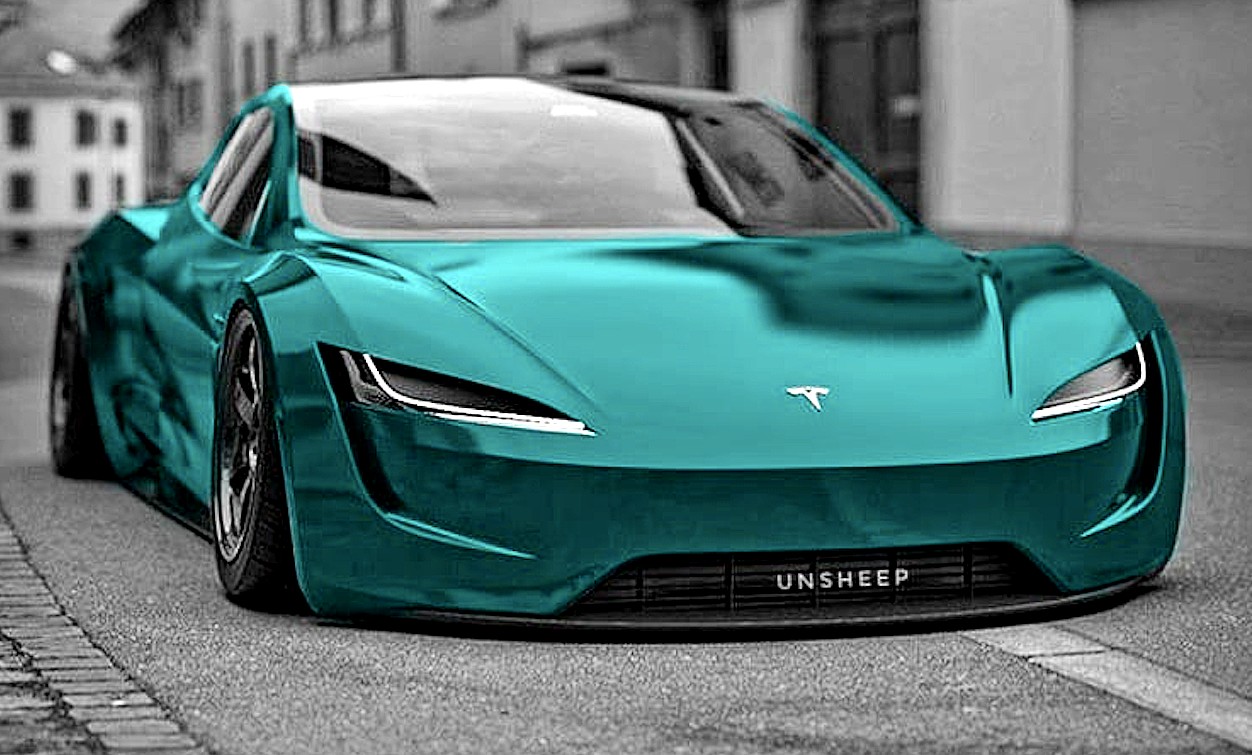
The journey of the second-generation Roadster has been marked by a series of ambitious claims and subsequent delays, testing the patience of early adopters and industry analysts alike. When Elon Musk first introduced the prototype in November 2017 at the Tesla Semi launch event, he promised that production would commence in 2020. At that time, the vehicle’s performance specifications were touted as revolutionary for the automotive industry, including a 0-60 mph acceleration time of 1.9 seconds, a top speed exceeding 250 mph, and an impressive range of approximately 620 miles per charge.
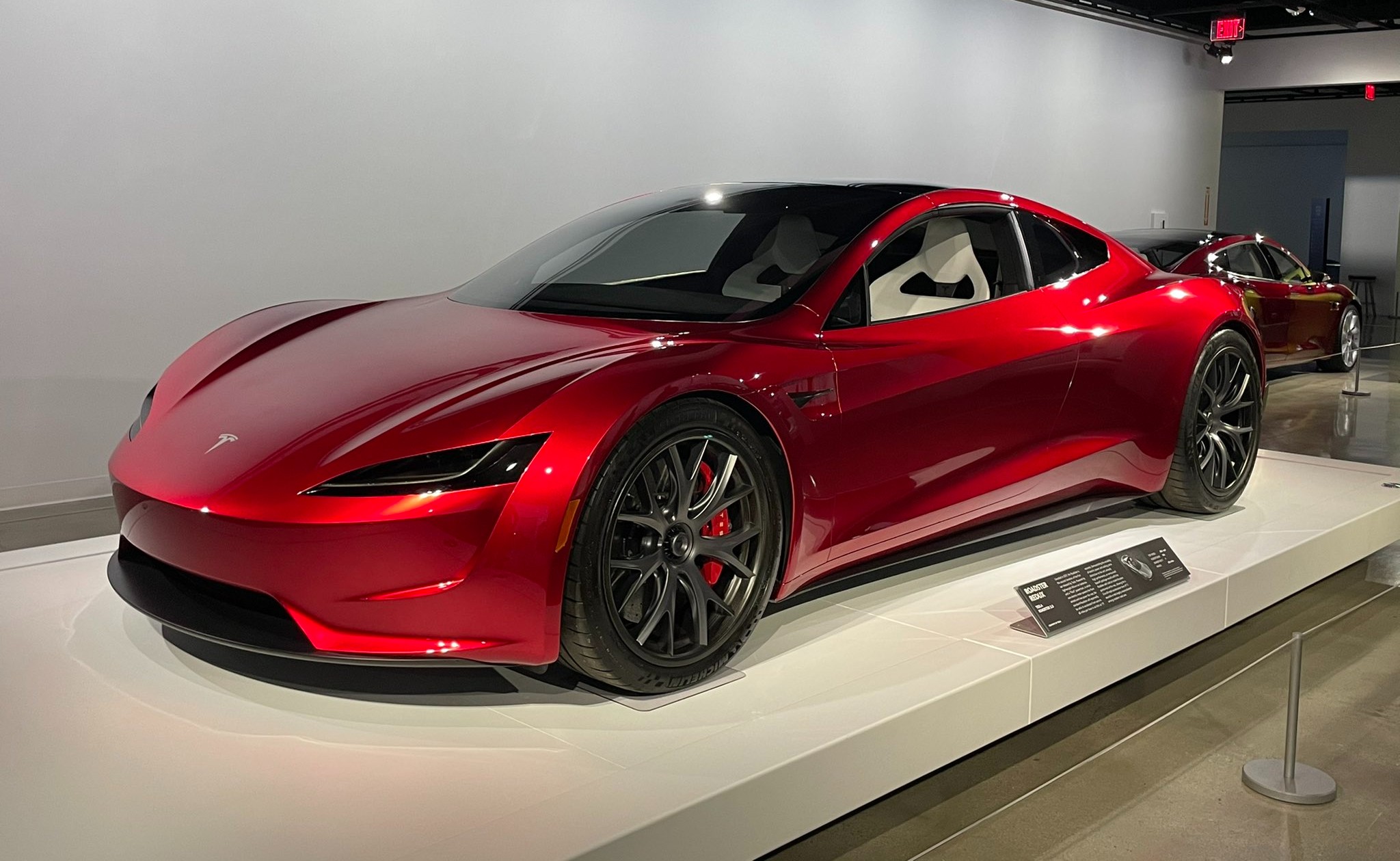
As the 2020 deadline passed, the project saw several shifts in its projected timeline. Tesla leadership subsequently pointed toward 2022, 2023, 2024, and eventually the 2025–2026 window. Most recently, expectations have shifted toward a potential production start in 2027 or 2028 at the company’s Gigafactory Texas facility. Throughout this period, the design has reportedly evolved, with industry observers noting a shift toward a more aggressive, angular aesthetic—influenced heavily by the Cybertruck—which contrasts with the sleek, organic curves of the original 2017 prototype.
For the original reservation holders who committed $50,000, or in some cases $250,000 for the limited "Founders Series," the wait has now spanned nearly nine years. While some high-profile customers have opted to cancel their reservations, others remain committed to the project, awaiting the realization of the vehicle’s promised performance metrics.

The Waco Event and Aerial Restrictions
The October 1 event, which is being held in Waco, approximately 90 minutes north of Tesla’s Austin headquarters and in close proximity to the SpaceX testing facility in McGregor, has drawn significant attention due to its location and the associated regulatory activity. On September 12, Tesla issued invitations to existing reservation holders, accompanied by the teaser slogan "Go for launch."
The Federal Aviation Administration (FAA) has bolstered the mystery surrounding the event by issuing a Temporary Flight Restriction (TFR) over the McGregor area from September 18 through October 2. The TFR, labeled NOTAM FDC 6/3825, covers a 1.5-nautical-mile radius around the site and extends from the surface to 10,000 feet above ground level.
The inclusion of a 10,000-foot ceiling is particularly notable. While TFRs are common for SpaceX’s routine rocket engine static fires, they typically utilize much lower altitude limits. The expanded vertical envelope suggests that the upcoming demonstration may involve more than a static presentation. This has fueled speculation regarding the integration of the "SpaceX Package," an optional set of cold-gas thrusters that Elon Musk has previously claimed would enable extreme acceleration and potentially allow the vehicle to perform a brief hover. While Tesla has not formally confirmed a flight demonstration, the closure of such a large volume of airspace suggests that the event is intended to be a technical showcase of the vehicle’s unique capabilities.

Market Implications and Future Outlook
The decision to reopen reservations at this juncture serves as a strategic test of market demand. By collecting substantial capital before a finalized production model is on the road, Tesla is measuring the continued loyalty and enthusiasm of its high-end consumer base. However, the move also brings pressure on the company to deliver on the lofty performance promises made years ago.
The broader automotive industry is closely watching the Roadster’s progress as a benchmark for high-performance electric vehicle (EV) engineering. Should the vehicle successfully reach production with its target specifications, it would solidify Tesla’s position in the ultra-luxury sports car segment. Conversely, any further delays or a reduction in performance capabilities could impact the brand’s reputation among enthusiasts who have invested significantly in the company’s vision.
The October 1 event is expected to serve as a pivotal moment, providing the first concrete look at the production-intent vehicle, final pricing structures, and updated manufacturing targets. For the thousands of reservation holders, the event represents the first tangible step toward closing the gap between the concept shown in 2017 and the physical reality of the car they have been waiting nearly a decade to drive.

Broader Context: Tesla’s Operational Environment
Beyond the Roadster, Tesla’s current momentum in other regions provides context for its broader corporate strategy. The recent expansion of Full Self-Driving (FSD) Supervised to the Czech Republic marks the seventh European Union member state to approve the system. This expansion, facilitated by the recognition of provisional type approval from the Dutch RDW, signals a significant step in Tesla’s push for regulatory acceptance in Europe.
This regulatory progress is critical as Tesla prepares for a pivotal vote by the European Union’s Technical Committee on Motor Vehicles on October 6. Securing approval from a qualified majority of member states could open larger, more lucrative markets such as Germany, France, and Italy, which have previously remained hesitant. For Tesla, each new market represents an increase in data collection—data that is essential for refining the safety and efficacy of its autonomous driving systems.
Furthermore, the company continues to explore aggressive infrastructure projects. Elon Musk’s recent public discussion regarding a "precursor Hyperloop" tunnel connecting Austin and San Antonio highlights the company’s intent to leverage its tunneling arm, The Boring Company, to reshape regional transit. While the project is currently in the conceptual phase, the recent $3 billion funding round led by UAE investors at a $23 billion valuation suggests that the organization has the financial capital to pursue large-scale, speculative infrastructure projects that were previously deemed unfeasible.
Conclusion: The Road Ahead
As Tesla converges these disparate initiatives—from the high-performance engineering of the Roadster to the regulatory complexities of FSD and the ambitious civil engineering of its tunnel network—the company is attempting to maintain its dominance in an increasingly crowded EV market.
The October 1 event in Waco will be the definitive test of whether the Roadster can transition from a long-running aspiration into a market-ready product. For the reservation holders, the automotive media, and the investors, the event will provide the answers to questions that have remained open for nearly nine years. Whether the Roadster takes flight in a literal sense or merely in the metaphorical sense of moving into its final production phase, the event is set to be a significant milestone for Tesla’s history.
As the industry looks toward the next generation of electric performance, the Roadster remains a symbol of the company’s "first-principles" approach to engineering—taking the most complex, seemingly impossible tasks and attempting to turn them into reality, regardless of the time and resources required to overcome the technical, regulatory, and logistical hurdles along the way. The coming days will reveal if the "Go for launch" invitation is a promise of a new era for Tesla or a final push to solidify the company’s commitment to its most ambitious, long-delayed project.