After an influential eight-year run chronicling the evolution, triumphs, and growing pains of the connected technology ecosystem, The Internet of Things Podcast has officially broadcast its final episode. Episode 437 marks the end of an era for the program, which established itself as a premier destination for developers, industry executives, and smart home enthusiasts seeking deep dives into the Internet of Things (IoT). Rather than focusing on the daily news cycle—such as the high-profile initial public offering (IPO) of chip designer Arm, new display hardware from Brilliant, or Leviton’s second-generation smart circuit breakers—hosts used the swan song to reflect on the journey, outline their future endeavors, and pass the torch to a curated list of industry resources.
The conclusion of the podcast highlights a pivotal juncture for the consumer and industrial IoT sectors. Over the past decade, the connected device landscape has transformed from a fragmented hobbyist novelty into a multi-billion-dollar commercial market defined by evolving connectivity standards, privacy debates, and the integration of artificial intelligence. By stepping back, the creators close a significant chapter in tech journalism, leaving behind a comprehensive audio archive that maps the maturation of modern automation.
Eight Years of Chronicling the Connected Revolution
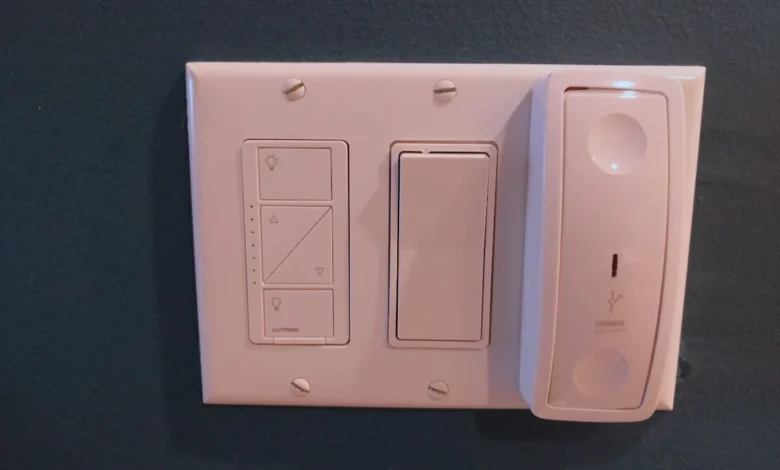
Launched full-time in 2016, The Internet of Things Podcast emerged during a period of rapid expansion for consumer smart home devices and enterprise IoT infrastructure. In the early days, setting up a connected home often meant navigating proprietary ecosystems, unreliable wireless protocols, and mismatched hardware. As the host humorously noted regarding a house filled with disparate light switches, building a truly smart ecosystem was frequently a messy, hands-on endeavor that demanded patience and technical curiosity.
Over 437 episodes, the show documented major industry milestones. These included the widespread adoption of voice assistants like Amazon Alexa and Google Assistant, the rise and fall of various smart home platforms, the continuous cybersecurity challenges facing connected infrastructure, and the laborious push toward universal interoperability. By interviewing founders, engineers, regulators, and journalists, the podcast provided listeners with an unvarnished look at the commercial realities of building a connected world.
A Final Conversation with Jennifer Pattison Tuohy
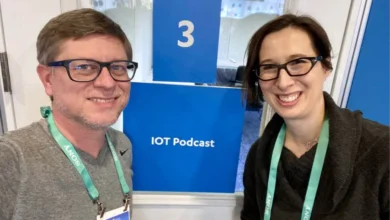
For its final feature interview, the podcast welcomed Jennifer Pattison Tuohy, smart home reporter for The Verge. Having covered the beat for nearly a decade across various prominent technology publications, Tuohy brought a historical perspective to the farewell episode. Her reporting has consistently emphasized hands-on testing, offering consumers practical insights into what works and what fails in real-world environments.
During the discussion, Tuohy and the host examined the current state of the smart home, evaluating how far the industry has progressed and where it continues to fall short. A central theme of the conversation was the state of Matter, the unified connectivity standard backed by major tech giants including Apple, Google, Amazon, and the Connectivity Standards Alliance (CSA). Designed to eliminate fragmentation and simplify setup procedures across different ecosystems, Matter has faced both high expectations and deployment delays. Tuohy offered listeners a glimpse into upcoming initiatives planned by the CSA, discussing how infrastructure investments might finally outweigh the constant stream of disposable standalone gadgets.
The conversation also tackled the ongoing challenge of sustainable business models for connected home devices. As consumers grow weary of recurring subscription fees for basic hardware functionality, manufacturers are actively searching for ways to monetize services without alienating their user bases. Tuohy shared details of her own personal smart home configuration, grounding the theoretical industry analysis in practical, everyday application.
Curating the Future: Recommended Resources for IoT Enthusiasts
Recognizing that loyal listeners would seek new avenues for information following the show’s conclusion, the final episode dedicated significant time to recommending top-tier journalism, podcasts, and online communities covering the IoT landscape. The curated reading and listening list serves as a valuable roadmap for professionals and hobbyists aiming to stay informed.
On the audio front, recommendations included The Mr. Beacon Show, which focuses heavily on tracking technologies and location-based IoT applications, alongside The IoT Podcast. For comprehensive daily and weekly technology news, the hosts pointed audiences toward The Verge, TechHive, and The Ambient, all of which maintain dedicated coverage of smart home trends and consumer hardware reviews.
For industrial IoT and B2B perspectives, the curation highlighted the Journal of Innovation published by the Industrial IoT Consortium, as well as the reporting of James Blackman at RCR Wireless, whose work tracks enterprise deployments, cellular IoT, and edge computing. Financial movements, venture capital funding rounds, and major mergers and acquisitions within the tech sector were directed to Dan Primack’s Axios Pro Rata newsletter. Additionally, listeners were encouraged to follow Target is New, a publication by Iskander Smit that offers forward-thinking analysis intersecting IoT, artificial intelligence, and industrial design.
Community-driven platforms also received a nod, with the hosts noting that online forums such as Reddit’s r/smarthome and r/homeautomation remain vital spaces for troubleshooting, peer support, and gauging consumer sentiment in real time.
Answering the Final Listener Question
In keeping with tradition, Episode 437 concluded by addressing a final question submitted by a member of the audience. The inquiry focused on two core philosophical concepts: what constitutes a genuinely "complete" smart home, and what future innovations will be necessary to propel the industry forward.
Reflecting on the definition of a complete smart home, the discussion moved away from the sheer quantity of connected gadgets toward the concept of ambient computing. A truly successful smart home, the hosts argued, is one that operates invisibly and intuitively, minimizing the need for manual user intervention through apps or voice commands. Instead of requiring active management, the ideal system leverages automation, sensors, and machine learning to anticipate user needs—adjusting climate, lighting, and security seamlessly based on context, presence, and routine.
Looking toward future innovation, the panel emphasized that the next generation of smart home technology must prioritize reliability, local processing, and data privacy. As consumers become increasingly concerned about cloud dependencies and cybersecurity vulnerabilities, the industry is shifting toward edge computing—processing data locally on devices rather than sending every telemetry stream to remote servers. Furthermore, the integration of generative AI and large language models is expected to revolutionize how humans interact with their environments, moving rigid automation rules toward conversational, intent-based control systems.
Broader Implications and Industry Impact
The departure of The Internet of Things Podcast marks a symbolic milestone for tech media. Over the last eight years, niche technology podcasts have evolved from independent passion projects into vital forums for industry critique and community building. The show’s exit coincides with a mature phase in the IoT market, where the initial gold rush of venture-backed smart home startups has given way to consolidation by major platform holders.
As standards like Matter gradually streamline device interoperability and artificial intelligence redefines user interfaces, the foundational work done by independent journalists and podcasters has played a critical role in educating both consumers and enterprise buyers. While Episode 437 brings a definitive close to this specific audio broadcast, the resources highlighted in the finale ensure that the broader community remains well-equipped to track the next wave of innovation in a continuously connected world.