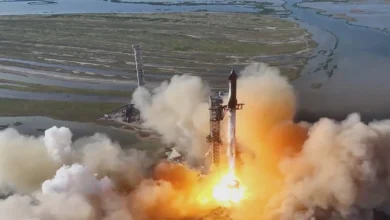
NASA awards SpaceX $946 million contract for three additional astronaut missions to the International Space Station through 2030

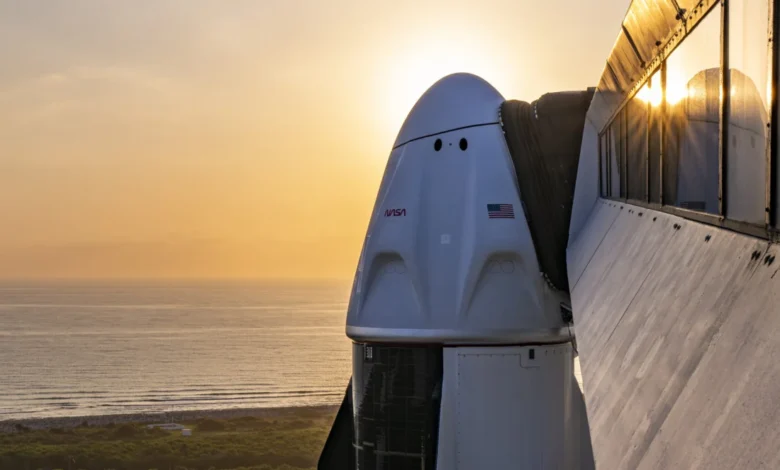
In a significant move to secure the future of the International Space Station (ISS) program, NASA has finalized a $946 million contract modification with SpaceX. This agreement commissions three additional crew rotation missions—designated Crew-15, Crew-16, and Crew-17—ensuring that the agency retains a reliable, high-frequency transport capability for its astronauts as the decade concludes. The contract, announced on September 18, 2026, expands the total value of NASA’s Commercial Crew Transportation Capability (CCtCap) agreement with the Elon Musk-led aerospace firm to approximately $5.92 billion across 17 total missions.
Context and Contractual Scope
The latest award is a strategic response to the evolving requirements of orbital logistics. These missions are not merely transportation; they encompass a comprehensive suite of services including launch, on-orbit operations, cargo resupply, and a critical "lifeboat" capability. By maintaining a docked Dragon capsule at the ISS, SpaceX provides a continuous emergency egress option for crew members, a requirement that has become the bedrock of station safety protocols.
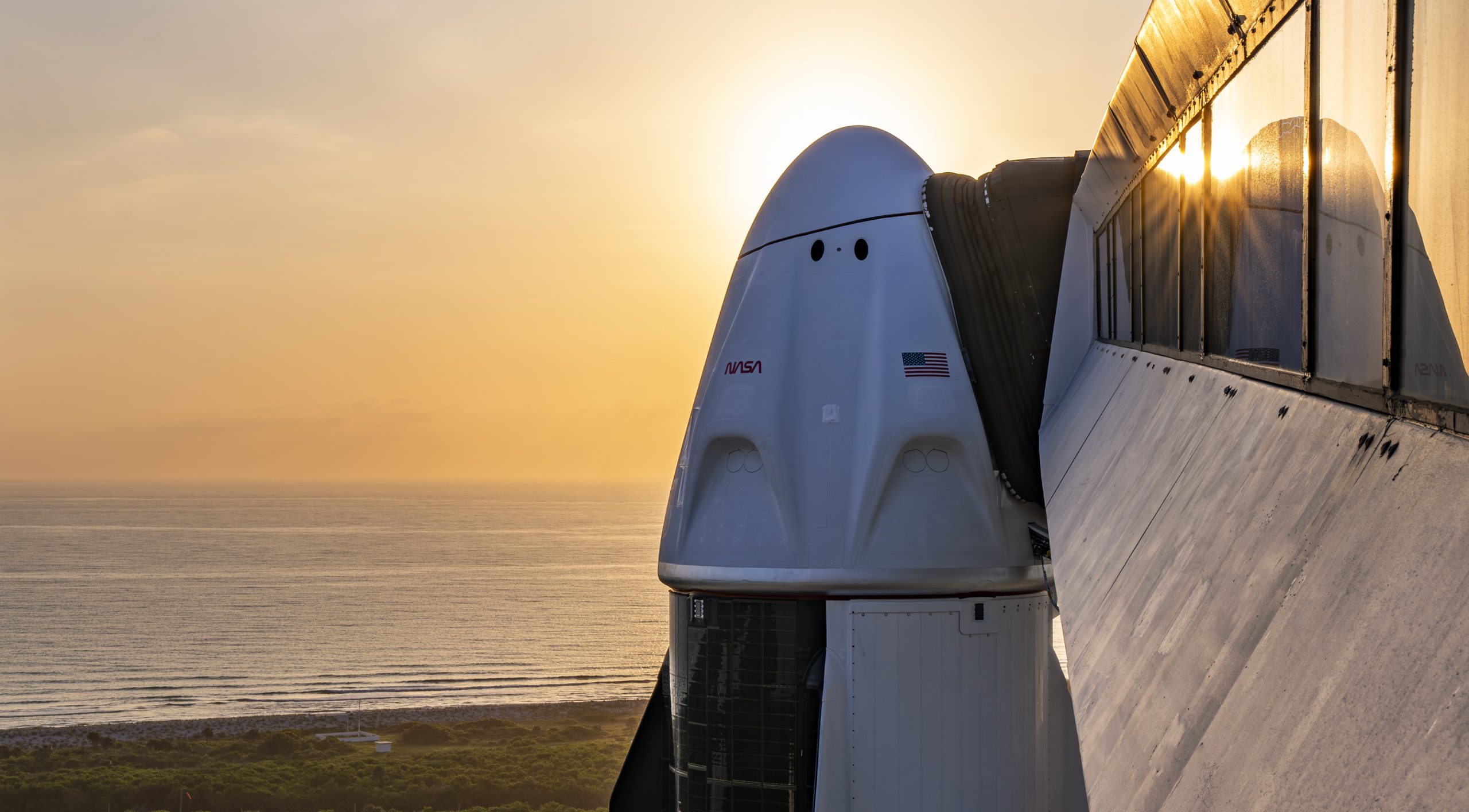
The inclusion of these three flights, extending performance through 2030, reflects NASA’s ongoing reliance on the Crew Dragon platform. This reliance has intensified following persistent technical hurdles faced by Boeing’s CST-100 Starliner program. While Starliner remains a cornerstone of NASA’s original vision for dual-provider redundancy, the reality of current operations has seen SpaceX emerge as the primary workhorse for the American crew program.
A Chronology of Commercial Crew Expansion
The timeline of this award can be traced back to a formal Notice of Intent issued by NASA in May 2026. At that time, the agency signaled its intent to purchase up to six additional post-certification missions. By locking in the first three—Crew-15, 16, and 17—NASA is pacing its procurement to match the operational life of the station, which is currently slated for transition and decommissioning toward the end of the decade.
The decision follows a period of intense scrutiny regarding the Starliner program. In 2024, a crewed test flight ended with the spacecraft returning to Earth uncrewed due to technical complications involving its propulsion system. Since that mission, Boeing has engaged in a rigorous, multi-month investigation into thruster performance and valve anomalies. While Boeing continues to work toward certification for regular rotations, the gap between mission requirements and vehicle availability necessitated the contract modification with SpaceX to ensure there are no interruptions in the continuity of human presence in low-Earth orbit (LEO).
SpaceX’s Operational Stance
SpaceX responded to the news via social media, confirming its commitment to the upcoming missions. "We’re excited for Falcon 9 and Dragon to launch NASA’s Crew-15, 16, and 17 missions to the Space Station from Florida," the company stated on X.
During a recent industry briefing, SpaceX President Gwynne Shotwell addressed the long-term viability of the Crew Dragon fleet. While she clarified that the company has no immediate plans to retire the spacecraft, she remained measured regarding its lifespan beyond 2030. The industry focus, particularly within SpaceX, is increasingly pivoting toward the development of the Starship architecture. As Starship matures, the role of Dragon may evolve, but for the immediate future, Dragon remains the singular, battle-tested vehicle for crew transport.
The Broader Strategic Landscape
The reliance on SpaceX comes at a time when the aerospace industry is undergoing a period of rapid consolidation and expansion. Beyond crew transport, the partnership between NASA and private industry has become a blueprint for how the government interacts with the "New Space" economy.

However, this partnership is not without its complexities. As NASA navigates the challenges of balancing private innovation with strict federal safety standards, other areas of the industry are facing similar regulatory pressures. For instance, the National Highway Traffic Safety Administration (NHTSA) recently escalated its audit of Tesla’s Cybercab, demanding sworn affidavits regarding the vehicle’s self-certification process. While these issues appear distinct, they highlight a recurring theme in 2026: the intersection of rapid technological deployment and the established federal regulatory framework.
Legal and Industrial Tensions
Simultaneously, the broader industrial ecosystem surrounding Musk’s ventures is experiencing legal friction. Tesla and SpaceX are currently involved in a federal trademark dispute concerning the "Terafab" name—a project intended to revolutionize chip manufacturing for both Optimus robots and AI computing. The litigation, which has moved into the U.S. District Court for the Western District of Texas, underscores the high stakes of the manufacturing infrastructure currently being built at the Giga Texas campus.
These legal and regulatory battles occur against a backdrop of immense physical construction. Drone footage of the North Campus at Giga Texas reveals that the massive "Optimus Factory" is rapidly nearing completion. The synchronization of these projects—from orbital logistics to terrestrial AI manufacturing—demonstrates a unified industrial strategy. By housing robot assembly and chip fabrication within the same facility, the companies aim to streamline supply chains in a way that traditional automotive and aerospace firms have historically struggled to achieve.

Implications for NASA and the ISS
The $946 million award serves as a vital bridge for NASA. With Crew-12 currently docked at the station and Crew-13 preparing for an imminent launch, the cadence of operations is accelerating. The extension through 2030 ensures that the ISS remains fully staffed throughout its final years of operation.
From an analytical perspective, this contract modification is a clear indicator of NASA’s risk-mitigation strategy. By securing flights with a proven provider, the agency effectively buffers itself against potential delays in the development of alternate vehicles. Furthermore, it provides SpaceX with a stable revenue stream that allows for continued investment in flight hardware and software refinements.
As the decade progresses, the success of these missions will be measured not only by the safe transport of astronauts but by the consistency with which SpaceX can meet these ambitious launch schedules. With the remaining three missions from the original six-flight proposal still technically "open," the door remains ajar for other participants to enter the fray—provided they can meet the stringent safety and certification benchmarks required for human spaceflight. For now, however, the path to the stars for NASA’s astronauts remains firmly on the back of the Falcon 9 and the Dragon spacecraft.