Apple’s Ingenious Software Solution Bypasses International Shipping Restrictions for High-Capacity Smartphone Batteries

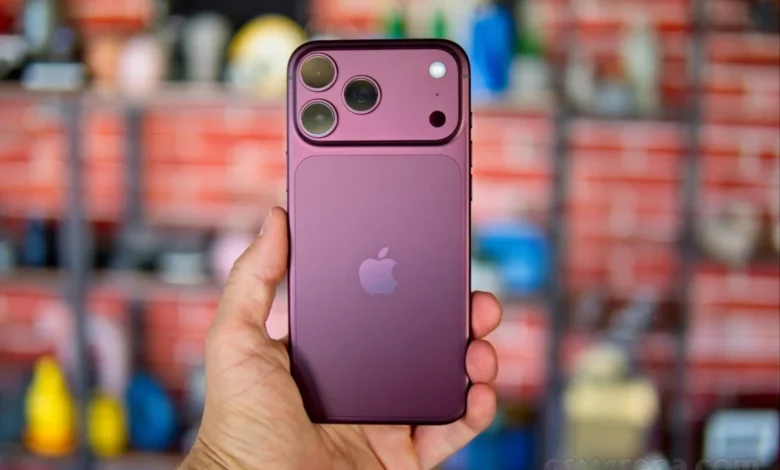
The global smartphone industry has undergone a radical transformation over the past several years, driven largely by rapid advancements in battery technology. With the widespread adoption of innovative silicon-carbon chemistry, manufacturers have successfully unlocked significantly higher energy densities within constrained physical dimensions. This chemical breakthrough enables modern flagship smartphones to house substantially larger power cells without requiring a corresponding increase in device thickness or weight. However, this engineering triumph has simultaneously triggered an unexpected logistical dilemma rooted in strict international transport safety regulations.
Global shipping protocols governing hazardous materials have long enforced a strict ceiling on the transport of lithium-ion power cells. Specifically, international regulations prohibit the bulk or standard cargo transit of single-cell batteries exceeding 20 watt-hours (Wh) without invoking burdensome, costly, and time-consuming hazardous cargo classifications. As energy densities climbed, manufacturers found themselves trapped between consumer demand for multi-day battery longevity and the rigid boundaries of decades-old logistics laws.
Historically, companies faced two unfavorable options to remain compliant. They could either engineer complex, costly dual-cell battery configurations to split the energy load beneath the 20Wh threshold, or they could intentionally downgrade battery capacities for specific regional markets, such as Europe and the United States, where shipping compliance is rigorously enforced. Rather than compromising hardware design or incurring exorbitant freight penalties, Apple has introduced a groundbreaking software-based workaround beginning with the iPhone 18 Pro Max, effectively redefining how consumer electronics navigate global supply chain compliance.

The Mechanics of Apple’s Software Limiter
According to official support documentation released by the technology giant, the iPhone 18 Pro Max utilizes an integrated firmware mechanism that artificially caps the battery’s charge capacity below the critical 20Wh regulatory ceiling during the manufacturing, packaging, and transit phases. By constraining the maximum energy storage state at the software level, the device technically complies with existing international cargo restrictions while in transit from manufacturing facilities to regional distribution hubs and retail storefronts.
The operational lifecycle of this restriction is entirely automated and transparent to the end consumer. Upon unboxing the device and initiating the initial setup procedure, the operating system detects the first-time boot sequence and automatically lifts the charging restriction. This unlocks the hardware’s full, unrestricted potential.
For the United States market—where the iPhone 18 Pro Max is offered exclusively as an eSIM variant—the fully unlocked battery capacity is rated at 5,567mAh, equating to approximately 21.75Wh. Meanwhile, the European Union iteration, which retains a physical nano-SIM card slot to accommodate regional carrier preferences, features a slightly more compact internal layout resulting in a rated capacity of 5,391mAh, or 21.06Wh. Despite the regional variance in physical architecture and capacity, both configurations comfortably exceed the legacy 20Wh limit, rendering Apple’s software intervention essential for smooth global distribution.
Industry analysts have noted a critical technical distinction regarding these figures: Apple officially publishes rated battery capacities rather than the typical capacities frequently marketed by competing Android smartphone manufacturers. Consequently, direct numerical comparisons between iOS and Android power specifications can occasionally mislead consumers, even though the actual energy delivery and runtime performance of modern flagships remain highly competitive.

Chronology of Regulatory Friction and Adaptation
The clash between rapidly evolving battery chemistries and static international shipping codes is not a recent phenomenon, but the pressure has intensified sharply since 2024 as silicon-carbon cells became mainstream in flagship mobile devices. A chronological overview illustrates how the regulatory and corporate landscape evolved to accommodate these technological shifts:
- 2024: Silicon-carbon anode technology transitions from experimental status to widespread commercial implementation in premium smartphones, pushing single-cell capacities past the 21Wh mark. Manufacturers encounter widespread logistics bottlenecks and customs delays.
- June 2025: United States transport regulators officially update domestic guidance to explicitly permit software-controlled state-of-charge limitations for lithium-ion battery transit, recognizing that a temporarily restricted battery poses no greater chemical hazard during shipping than a permanently smaller cell.
- Late 2025: Supply chain strategists at Apple finalize the implementation of the dynamic firmware limitation protocol for the upcoming flagship hardware generation, ensuring seamless compliance across global freight networks.
- Early 2026: The United Nations Sub-Committee of Experts on the Transport of Dangerous Goods formally reviews a comprehensive proposal addressing single-cell lithium batteries. The proposal highlights that the traditional 20Wh threshold has become obsolete, noting the regulatory contradiction wherein identical cell structures are treated differently depending on whether they are deployed individually or within multi-cell packs.
- September 2026: Apple officially launches the iPhone 18 Pro Max, deploying the software-limiting feature globally and establishing a practical compliance model for the consumer electronics sector.
- Projected 2029: International regulatory bodies, including aviation and hazardous materials authorities, aim to finalize a comprehensive overhaul of lithium battery transport policies to formally accommodate high-density single-cell architectures.
User Controls and Cross-Border Logistics
A notable dimension of Apple’s implementation is its user-facing flexibility. Recognizing that consumers frequently travel internationally or may need to ship their personal devices across borders via commercial air freight after purchase, Apple has incorporated a manual toggle within the device’s advanced power settings.
Users can proactively re-engage the shipping-mode battery restriction if they intend to dispatch their iPhone through international shipping channels where strict transport commissioner guidelines apply. Once the device arrives safely at its destination and is powered back on, the limitation can be toggled off again, restoring full access to the battery’s maximum energy storage capacity. This user-controlled failsafe prevents potential confiscation or rejection by postal services and international couriers enforcing strict lithium battery protocols.
While United States transport authorities formally endorsed the concept of state-of-charge shipping mitigations in mid-2025, international bodies such as the ADR (European Agreement concerning the International Carriage of Dangerous Goods by Road), the International Air Transport Association (IATA), and the International Civil Aviation Organization (ICAO) have been slower to issue formal, harmonized policy updates. However, industry observers point out that the commercial availability and unobstructed customs clearance of the iPhone 18 Pro Max across European Union member states strongly implies tacit regulatory acceptance of Apple’s methodology.
Broader Industry Impact and Future Implications
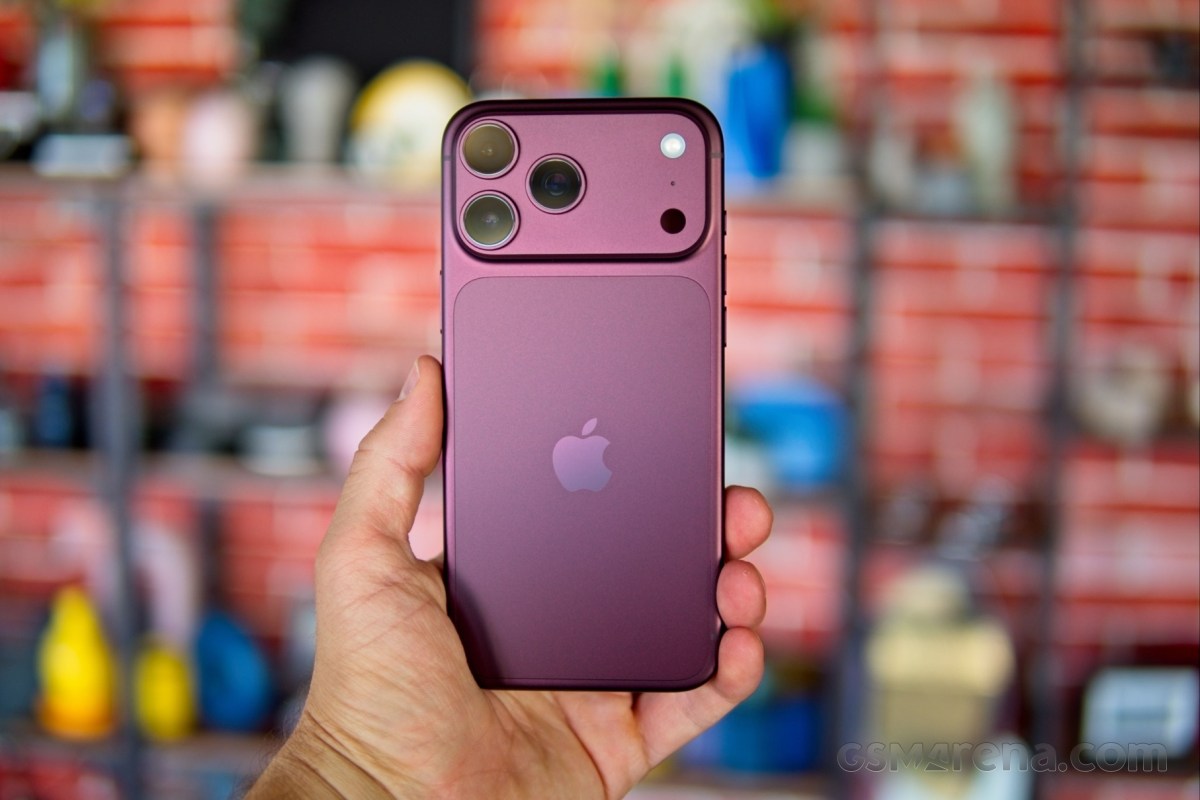
Apple’s innovative approach to an administrative roadblock is widely expected to establish a vital precedent for the entire consumer technology sector. For years, hardware engineers have lamented the artificial fragmentation of product lineups, where consumers in different geographic regions received unequal hardware specifications—frequently smaller batteries in Western markets compared to Asian markets—solely due to regional variations in customs enforcement and transport risk assessment.
By demonstrating that software-enforced state-of-charge limits can satisfy safety mandates without compromising end-user experience, Apple has provided a blueprint that competing original equipment manufacturers (OEMs) are likely to adopt. Samsung, Google, and other major Android ecosystem players facing similar scaling limitations with their next-generation silicon-carbon cells will undoubtedly monitor the deployment and regulatory reception of the iPhone 18 Pro Max closely.
Furthermore, this development exerts additional pressure on international standard-setting organizations to accelerate their modernization timelines. The UN Sub-Committee’s ongoing evaluations reflect a growing consensus that safety regulations must adapt to material science innovations rather than forcing manufacturers to artificially stunt technological progress. Until the comprehensive regulatory overhauls projected for the end of the decade are formally codified into law, software workarounds similar to Apple’s innovative charging cap will serve as the primary bridge between modern battery chemistry and global logistics compliance.
Ultimately, the successful deployment of this strategy signals the beginning of an era where hardware parity across global markets can be maintained, even as energy densities continue to climb. Consumers in Europe and North America can look forward to enjoying maximum battery endurance without regional penalties, marking a quiet yet significant victory for supply chain engineering and regulatory pragmatism.