Today’s Android app deals and freebies: Aporkalypse, One More Button, Dead Cells, more

The Current Landscape of Mobile Software Discounts
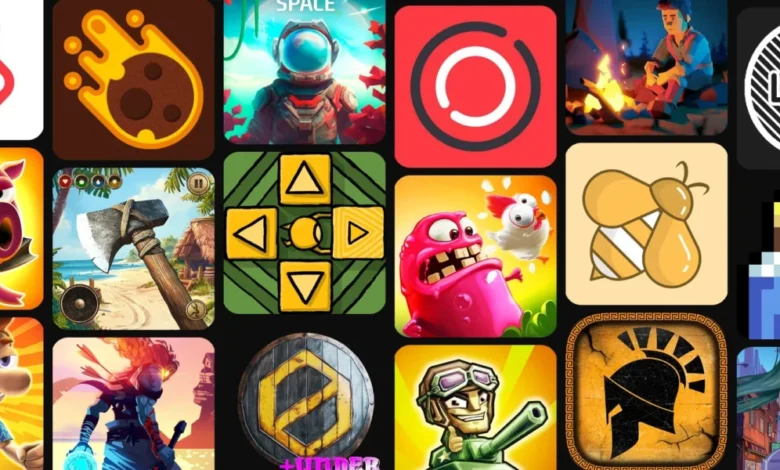
The mobile gaming market has undergone a transition over the last decade, moving from a model dominated by low-quality freemium experiences to one that increasingly hosts high-fidelity ports of console and PC classics. Today’s sale reflects this trend, headlined by Titan Quest, an action role-playing game that has seen its price slashed from $11 to just $3.25. Similarly, Dead Cells, widely considered one of the gold standards for the "roguelike" genre on mobile, is available for $5, down from its typical $8.50 listing.
These price adjustments are part of a broader, recurring cycle within the Google Play ecosystem. Developers frequently utilize time-limited sales to boost visibility in the Play Store’s algorithm, which favors high download counts and user engagement. By lowering the barrier to entry, developers can revitalize interest in titles that have been on the market for several years, effectively extending the lifecycle of their products.

Chronology of the Current Sale Cycle
The current wave of discounts began appearing in the early hours of September 17, 2026, as part of a mid-month push by various independent and mid-sized publishers. Throughout the day, the list of discounted applications has expanded to include a diverse array of categories:

- Action and Strategy Titles: Aporkalypse – Pigs of Doom and Guns’n’Glory WW2 Premium have both dropped to $1, catering to fans of classic arcade and tower-defense mechanics.
- RPG and Adventure: Titan Quest and TLOTS: Gold Edition represent the high-end of this current sale, offering significant depth for mobile users looking for substantial playtimes.
- Utility and Aesthetics: A variety of icon packs, including Lineblack and Meteoroid series, have been discounted to $0.25, allowing users to customize the UI of their Android devices at a minimal cost.
- Free-to-Play Conversions: Titles such as Last Survivor: Survival Pro and Space Survival: Mars RPG Pro have moved to a temporary free status, a common tactic for developers looking to rapidly expand their user base before reverting to a paid model.
Hardware Integration: The Pixel 11 and Watch 5
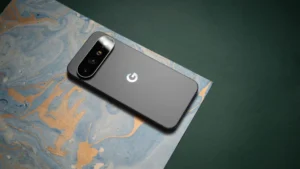
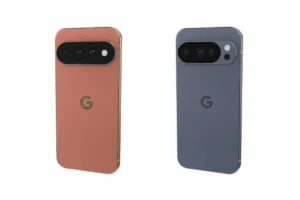
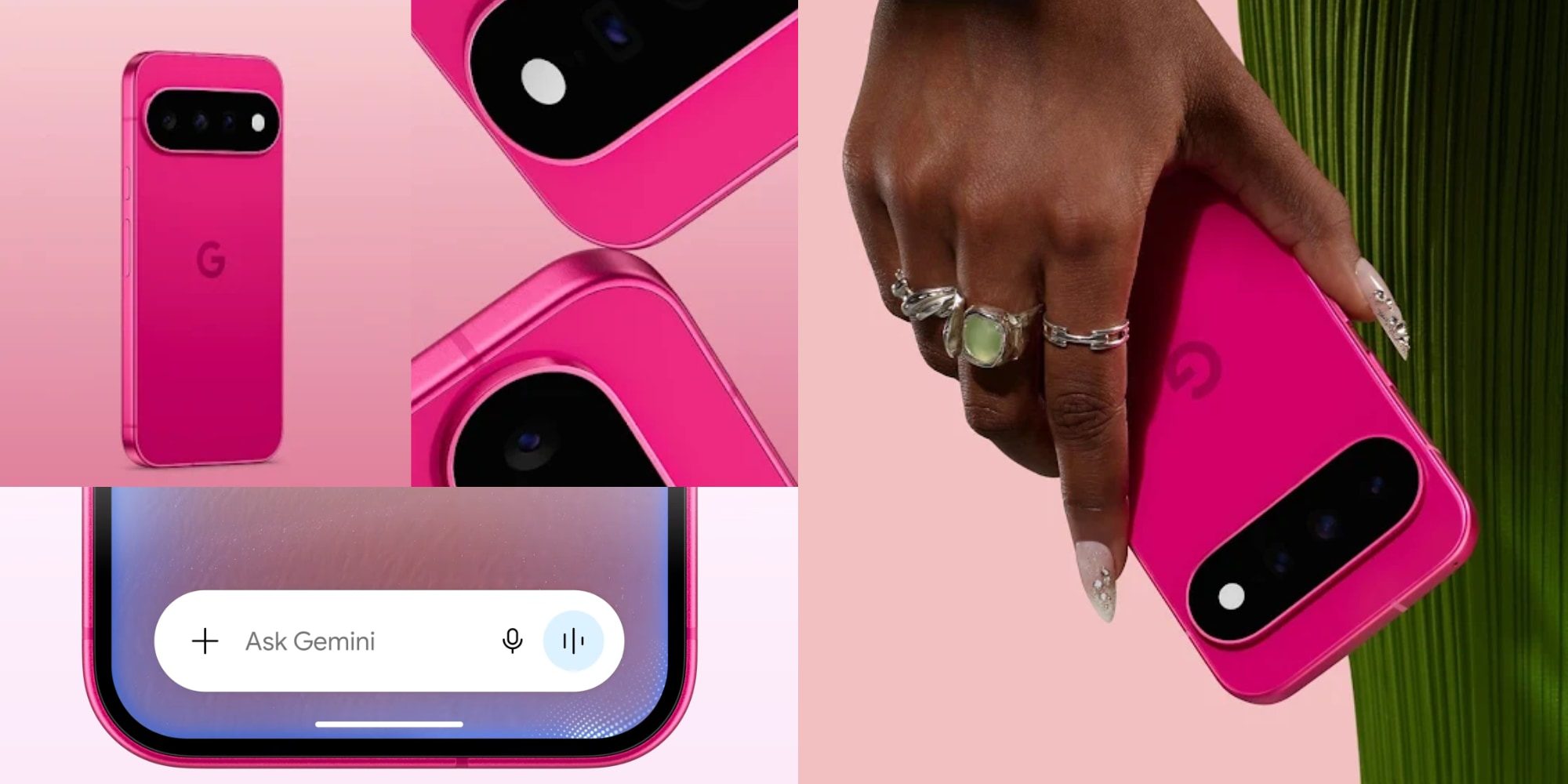
While the software deals dominate the headlines, the concurrent price drops on Google hardware suggest a synchronized promotional effort. The Hibiscus-colored Pixel 11, which launched with a premium price point, is now seeing a $120 reduction on Amazon. This move aligns with standard retail strategies used to clear inventory ahead of seasonal refreshes or to maintain momentum for a product line entering its maturity phase.

Furthermore, the Pixel Watch 5 LTE has seen a $100 price cut. The LTE-enabled version of the watch serves as a focal point for Google’s wearable strategy, aiming to provide a standalone experience that functions independently of the smartphone. The reduction in price for both the phone and the watch reflects a broader industry push to make the interconnected Google ecosystem more accessible to mid-range consumers who may have been deterred by the original MSRP.

Data-Driven Analysis of Mobile Gaming Trends
Recent market reports indicate that while the total volume of mobile game downloads remains high, the average revenue per user (ARPU) for premium-priced games is highly sensitive to sale cycles. According to industry tracking, titles that utilize "premium" monetization (a single upfront cost rather than microtransactions) see a download velocity increase of approximately 400% during 50% or greater discount periods.

This creates a "long-tail" effect for developers. For example, Dead Cells, which was released several years ago, remains a perennial favorite because it continues to participate in these periodic sales. By keeping the title visible in the "On Sale" section of the Google Play Store, the developers at Playdigious ensure that the game remains relevant against newer, often lower-quality, mobile-first titles.

Implications for the Consumer
For the average user, these deals represent more than just savings; they represent a shift in how value is perceived in mobile software. As hardware capabilities improve, the distinction between a "mobile game" and a "console game" continues to blur. Devices like the Pixel 11, with their high-performance processors and vibrant displays, are specifically optimized to handle titles like Titan Quest or Dead Cells without the stuttering or thermal throttling that plagued older mobile hardware.

The availability of these titles at such low prices encourages a culture of "digital preservation" among mobile users. Instead of relying solely on temporary, server-side games that disappear when a studio shuts down, users are increasingly investing in standalone, offline-capable experiences that can be kept in their digital libraries indefinitely.

Official Responses and Strategic Context
While specific developers rarely issue press releases for individual price changes, the consensus among industry analysts is that these sales are part of a strategic partnership between publishers and platform holders. Google frequently works with high-profile developers to showcase their titles in the "Featured" sections of the Play Store. In exchange for lower prices, these games receive prominent placement, which acts as a form of digital advertising that is significantly more effective than traditional ad buys.

The hardware discounts on the Pixel 11 and Pixel Watch 5, conversely, are driven by retail inventory management. As retailers approach the end of the fiscal quarter, clearing stock of specific colorways—like the vibrant Hibiscus—allows for a cleaner transition to new stock or seasonal variations.

Broader Impact on the Ecosystem
The combination of deep software discounts and hardware markdowns creates a "lock-in" effect that benefits Google. A user who purchases a discounted Pixel 11 is statistically more likely to purchase apps from the Google Play Store than from third-party alternatives. By providing a high-quality, inexpensive library of games on day one, Google is effectively lowering the cost of ownership for their hardware.

Moreover, the prevalence of these deals helps to sustain the health of the Android gaming community. By supporting developers of premium content, the marketplace avoids being entirely subsumed by "pay-to-win" models. When users purchase titles like Neighbours back From Hell or One More Button for a few dollars, they signal to the developer community that there is still a robust market for high-quality, creative, and non-exploitative mobile gaming experiences.

Conclusion
The current state of the Google Play Store is a testament to the maturation of the mobile platform. Whether through the $3.25 acquisition of a classic RPG or the $120 savings on a flagship smartphone, consumers have a rare opportunity to significantly upgrade their digital and physical toolsets. The strategy of using time-limited, aggressive discounts continues to be the primary engine for software discovery and hardware adoption, ensuring that the Android ecosystem remains both competitive and highly attractive to a wide demographic of users. As these sales typically last for a limited window, those looking to capitalize on these prices are encouraged to act promptly, as these deals are subject to change based on developer discretion and inventory availability.