The Best Asus Laptops of 2025: A Comprehensive Guide to Performance and Innovation

Asus has cemented its reputation as a cornerstone of the computing industry since its founding in 1989. Over the past three and a half decades, the company has evolved from a motherboard manufacturer into a global powerhouse, producing a diverse catalog of hardware ranging from budget-friendly Chromebooks to high-performance workstations. For the modern consumer, navigating this expansive portfolio requires a clear understanding of the specific strengths inherent in the brand’s various product lines. As of May 2025, our rigorous testing process—which incorporates both synthetic benchmarks and real-world usage scenarios—has identified the top-performing models across several critical categories.
The trajectory of Asus’s success is rooted in a culture of aggressive experimentation. While many legacy manufacturers have remained tethered to conventional form factors, Asus has frequently served as an industry "wildcard," pushing the boundaries of display technology and chassis design. This willingness to innovate has allowed the brand to capture significant market share in niche sectors, most notably in the gaming and professional creative industries. However, this diversity also presents a challenge for buyers: with such a vast array of models, identifying the device that offers the best return on investment requires separating marketing buzz from measured technical capability.
The Current Market Landscape for Asus Laptops
The current lineup of Asus laptops reflects a strategic pivot toward integration of artificial intelligence (AI) and OLED panel proliferation. In 2025, the industry shift toward Neural Processing Units (NPUs) has been particularly evident in the Asus portfolio, with models like the ROG Zephyrus G16 and the ProArt P16 leading the charge. These machines do not merely offer incremental increases in clock speed; they represent a fundamental architectural change intended to handle the computational demands of generative AI and local machine learning tasks.
This transition has been supported by a robust testing framework. At Laptop Mag, our evaluation criteria prioritize performance consistency, thermal management, and display fidelity. Our methodology involves the use of the Klein K10 colorimeter to verify DCI-P3 color gamut coverage, alongside standardized stress tests using Geekbench 6 and 3DMark. These metrics provide a baseline for comparing how different chassis designs—ranging from thin-and-light ultrabooks to heavy-duty gaming rigs—handle sustained heat and power delivery.
Top Selections for 2025
The following models have been identified as the premier choices for consumers based on our most recent laboratory and field tests.
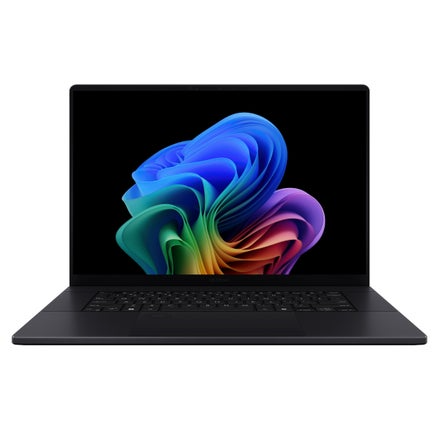
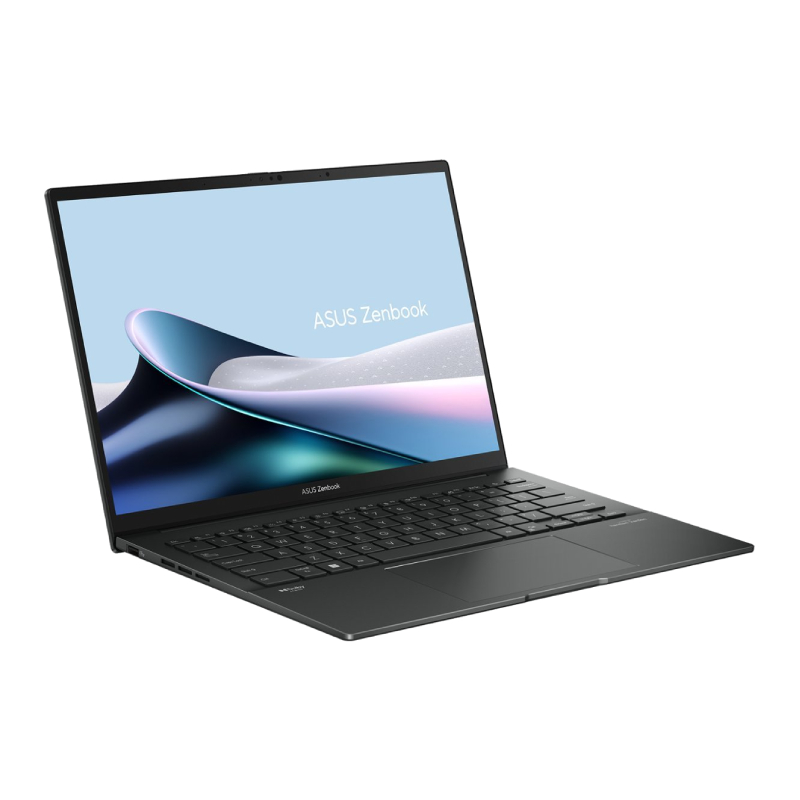
1. Best Overall: Asus Zenbook 14 OLED (Q425M)
The Zenbook 14 OLED remains the benchmark for the modern "mainstream" laptop. It achieves a delicate balance between price, performance, and portability. Equipped with the Intel Core Ultra 7 155H processor, the machine handles intensive multitasking, such as simultaneous photo editing and spreadsheet management, with ease. The standout feature is its 14-inch OLED panel, which provides an infinite contrast ratio that few competitors in the sub-$1,000 price bracket can match. Perhaps most importantly, it addresses the perennial weakness of Windows ultrabooks: battery life. With an endurance of nearly 16 hours on a single charge, the Q425M has set a new standard for daily usability.
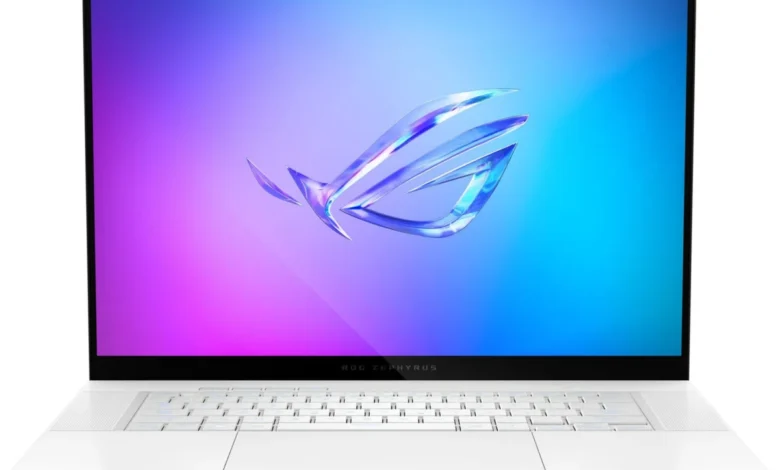
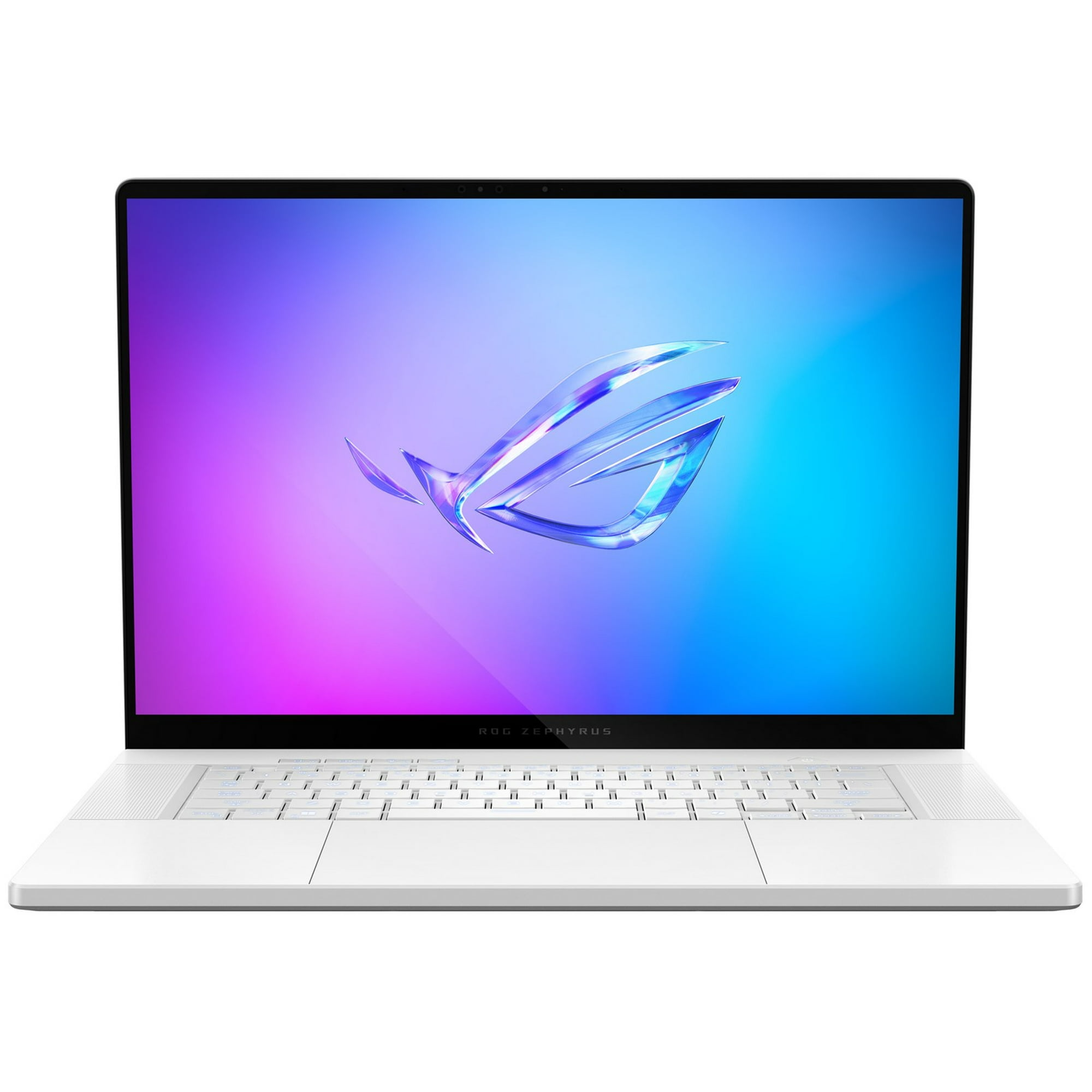
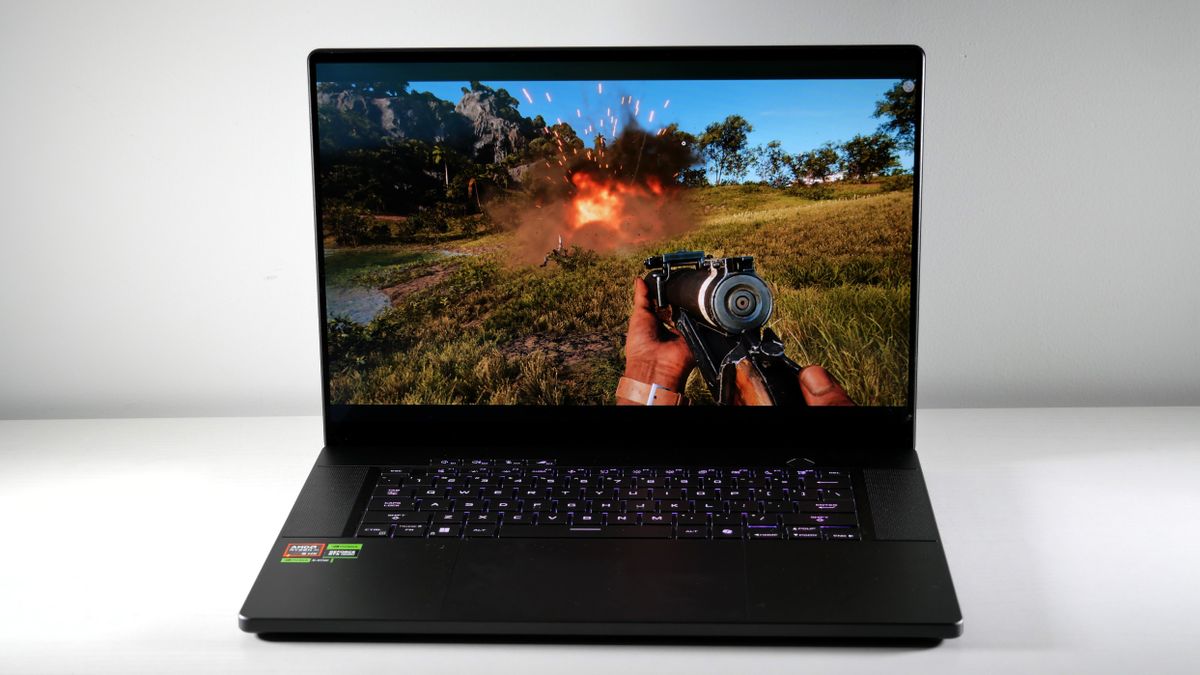
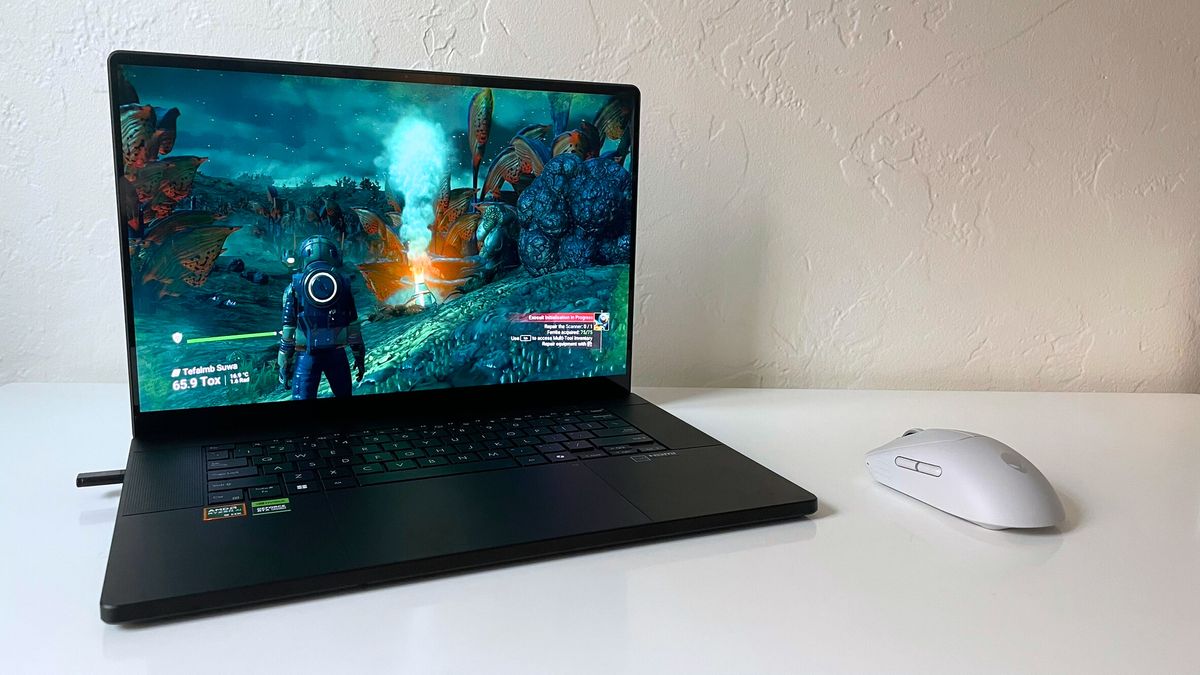
2. Best Gaming Performance: Asus ROG Zephyrus G16 (Ryzen AI 9)
The gaming segment has seen a significant shift with the introduction of the AMD Ryzen AI 9 HX 370 processor. The ROG Zephyrus G16 is currently the definitive gaming laptop for those seeking high-end performance in a portable chassis. In our benchmark testing, the combination of this new AMD architecture and the Nvidia GeForce RTX 4070 GPU resulted in a 3DMark score that significantly outpaces the previous generation. While gaming laptops are traditionally tethered to power outlets, the Zephyrus G16 achieved over 9 hours of battery life, a metric that would have been considered impossible for a dedicated gaming machine just two years ago.

3. Best for Professionals: Asus ProArt P16
For content creators who require color accuracy and computational power, the ProArt P16 serves as a compelling alternative to the MacBook Pro ecosystem. By integrating the Ryzen AI 9 platform with an RTX 4070, the device offers workstation-grade performance for video rendering and 3D modeling. While it falls slightly short of Apple’s silicon in terms of absolute battery efficiency, the inclusion of an OLED touchscreen and a robust array of I/O ports makes it a more versatile tool for specialized professional workflows.
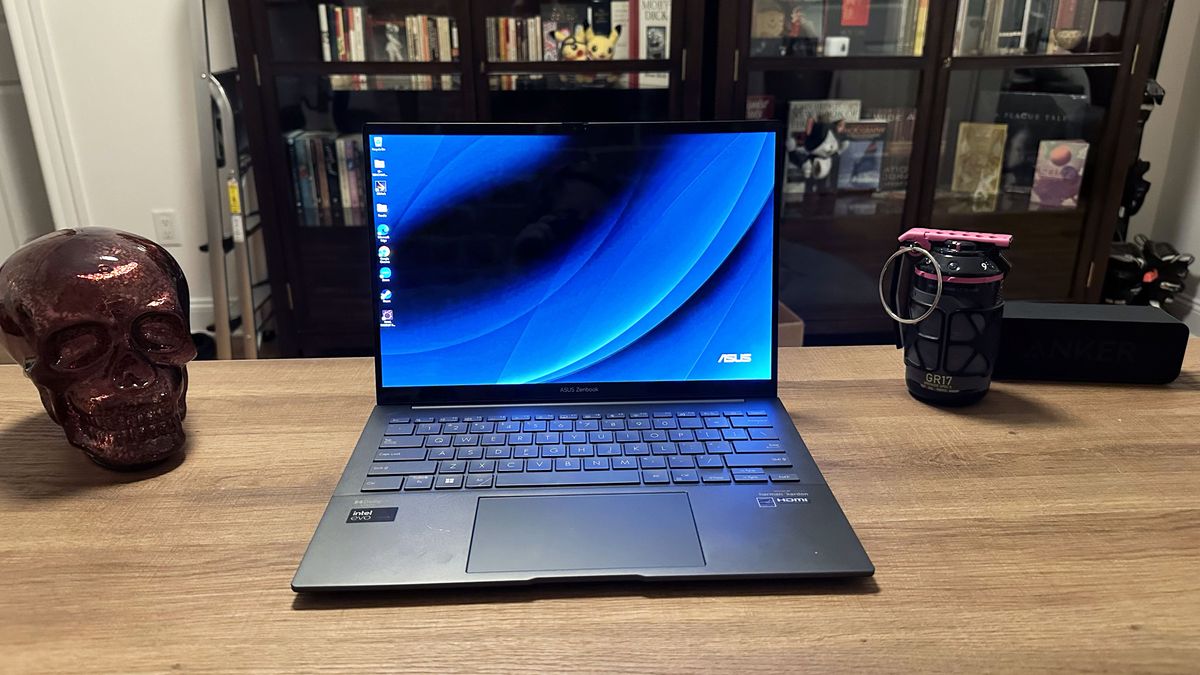
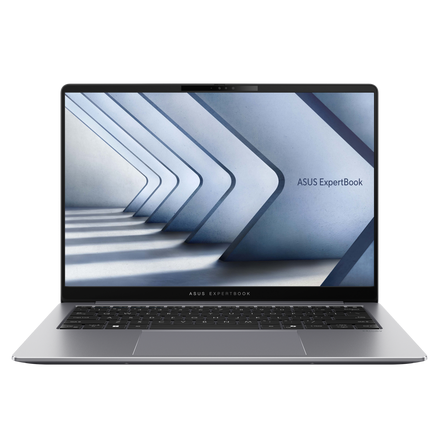
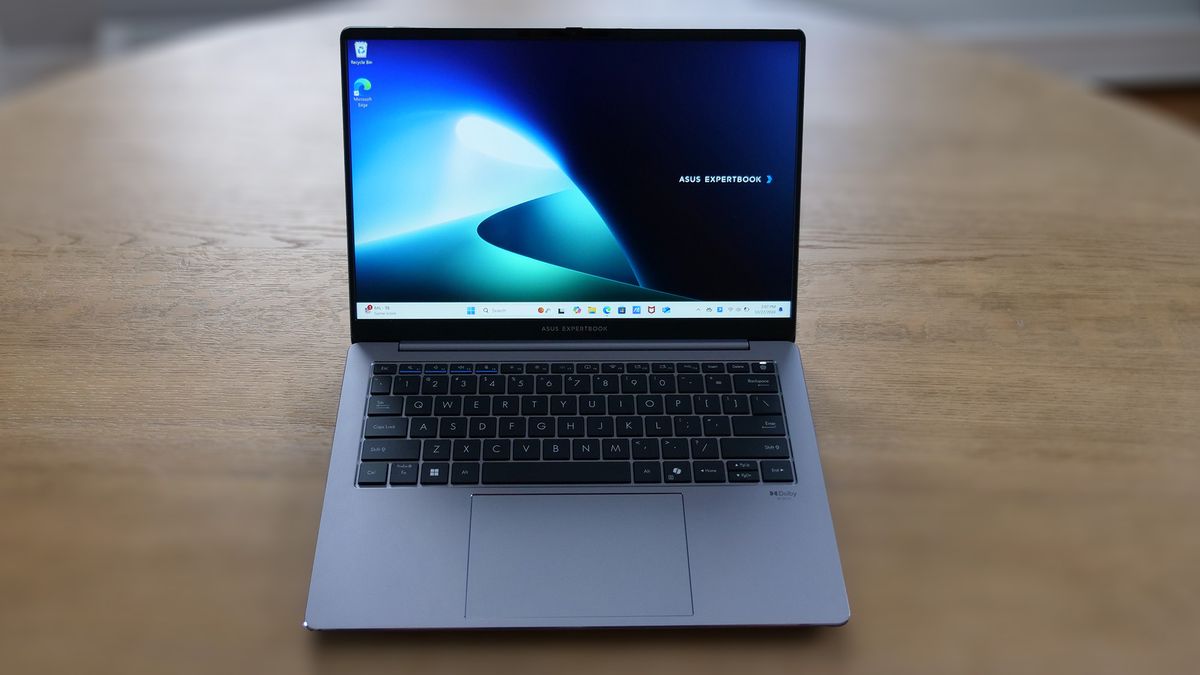
4. Best Business Solution: Asus ExpertBook P5 (P5405)
Business laptops are often marked by high premiums and uninspired designs. The ExpertBook P5 subverts this trend by offering a three-year limited warranty and enterprise-grade security features at an accessible price point. Its Intel Core Ultra 7 258V processor provides sufficient power for productivity applications, and its 14-hour battery life ensures that professionals can operate away from a power source for the duration of a workday.

Technical Analysis and Implications
The data gathered from our recent testing cycle reveals a clear trend: Asus is prioritizing thermal efficiency through more advanced material science. The "mushy" keyboard and display glare issues observed in some earlier models are being addressed, though they remain points of friction in the current lineup.
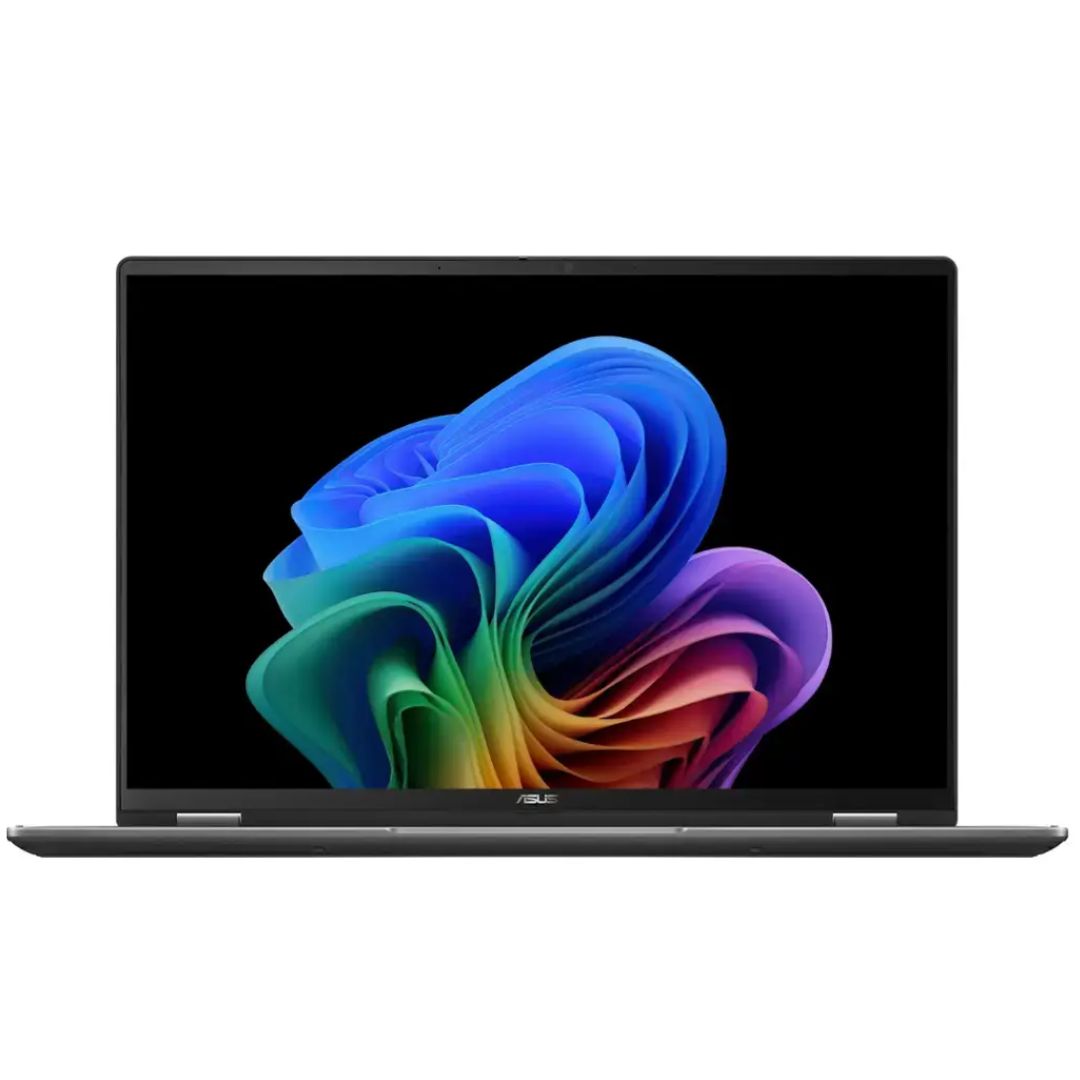
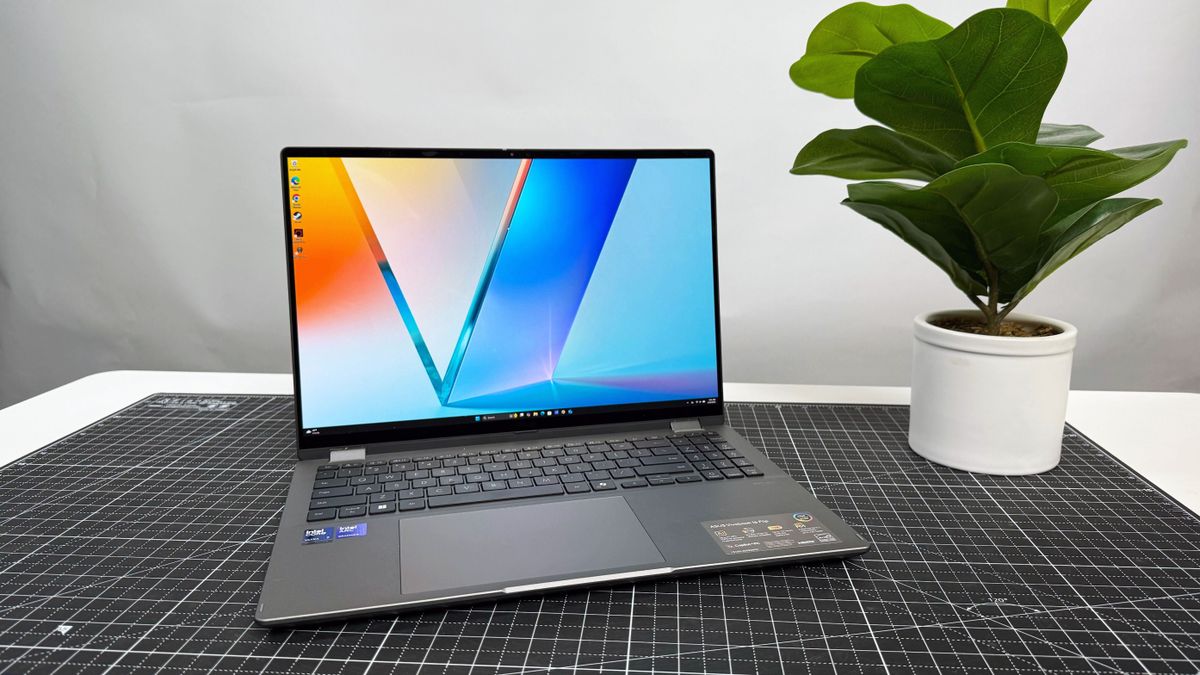
The integration of the Intel Core Ultra "Lunar Lake" architecture in newer models like the Vivobook 16 Flip (TP3607) has resulted in significant improvements in power efficiency. This is a critical development, as it allows for the use of high-resolution OLED panels without the catastrophic battery drain that plagued earlier, high-performance Windows laptops.
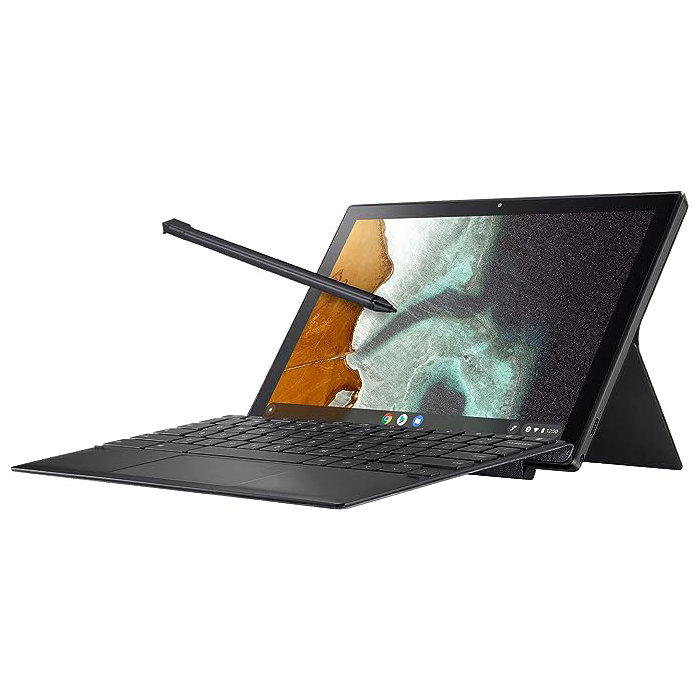
However, prospective buyers should exercise caution regarding pricing volatility. The "best" laptop is often subject to the availability of discounts. For example, the ROG Zephyrus G16 is a high-value purchase when on sale, but its performance-to-price ratio decreases significantly if purchased at MSRP above $2,000. Furthermore, the reliance on eMMC storage in budget models, such as the Chromebook Detachable CM3, remains a bottleneck that limits the longevity of these devices for power users.
Conclusion and Purchasing Guidance
Choosing the right Asus laptop requires a critical assessment of one’s specific workflow requirements.
- For Students and General Users: The Zenbook 14 OLED remains the most logical choice. It provides a premium experience—a high-quality display and reliable keyboard—without requiring a professional-level budget.
- For Gamers and Power Users: The ROG Zephyrus G16 is the current industry leader. Its ability to handle AAA titles while maintaining a professional aesthetic and decent battery life makes it a standout.
- For Creators: The ProArt P16 is the clear choice for those who need Windows-based tools for heavy video editing and design work.
Ultimately, Asus’s strategy of releasing specialized hardware for every conceivable demographic is both its greatest strength and its most confusing trait for the average consumer. By focusing on the core components—CPU efficiency, display type, and thermal management—rather than marketing-led model naming conventions, users can ensure they invest in a machine that will remain relevant for the years ahead. As the market continues to shift toward AI-enhanced computing, the hardware choices made today will determine the level of utility a user can expect from their device throughout the remainder of the decade.