More MindsEye developers have been laid off, and GTA veteran Leslie Benzie’s studio is reportedly shutting down


A Pattern of Decline: The Layoff Timeline
The latest wave of job losses at Build A Rocket Boy is not an isolated event but rather the culmination of a deteriorating corporate trajectory. Throughout the past eighteen months, the studio has been plagued by instability, eroding the confidence of both its workforce and the wider gaming industry.
The pattern began in earnest last year when the studio initiated an initial round of redundancies, the scale of which remained undisclosed to the public. However, the situation escalated significantly in May 2024, when reports confirmed that approximately 170 employees had been laid off. This mass reduction was a critical indicator of the financial and operational pressure facing the organization as it struggled to reconcile its ambitious vision with the market reality of its primary product.
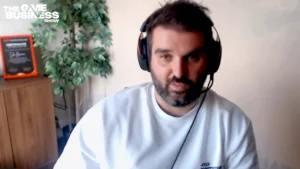
The current situation has reached a point of no return. Recent reports from industry outlets, including IGN and Kotaku, indicate that several key staff members—including the head of audio, a lead QA analyst, and various production personnel—have publicly confirmed their departures. Perhaps most telling is the statement from Dan Hawkins, the studio’s principal talent acquisition officer, who noted on LinkedIn that he is actively assisting in “wrapping things up” at the company, signaling that the administrative finality of a closure is currently underway.
The Rise and Fall of MindsEye
To understand the current crisis, one must look at the inception of Build A Rocket Boy. Founded by Leslie Benzies—a former president of Rockstar North and a central figure in the development of the Grand Theft Auto franchise—the studio was built on immense pedigree and substantial investor interest. The company’s original ambition was to create a platform titled "Everywhere," a sophisticated, user-generated content ecosystem that aimed to compete with the likes of Roblox but with a higher degree of visual fidelity and systemic complexity.
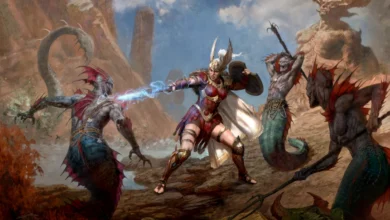
MindsEye was intended to be the flagship narrative experience within that ecosystem. However, as development progressed, the scope of the project was significantly curtailed. When the title finally reached players, it was met with intense criticism. In its review, Eurogamer described the experience as a failure on multiple fronts, citing a disjointed narrative, inconsistent writing, and technical performance that failed to meet modern industry standards.
The studio’s response to this reception was polarizing. Rather than addressing the feedback through traditional development cycles, executives at Build A Rocket Boy suggested that the game’s poor performance was the result of coordinated sabotage by unnamed external actors. This stance, which failed to acknowledge the technical and design shortcomings highlighted by critics, further alienated the player base and created internal friction.
Internal Dissent and Industry Reputation
The internal climate at Build A Rocket Boy became increasingly untenable throughout 2024. A notable example of this discord occurred during the summer, when remaining staff members staged a protest against the company’s decision to hold an "all-expenses-paid" fan event. Employees argued that the expenditure was optics-deaf, given that hundreds of their colleagues had recently been made redundant. This act of public dissent highlighted a deep-seated disconnect between the studio’s leadership and its remaining workforce.
.jpg?width=570&quality=85&format=jpg&dpr=3)
The implications of this culture are significant. For a studio founded on the reputation of industry titans like Benzies, the inability to retain talent and the subsequent public airing of grievances suggest a systemic failure in management and project delivery. When high-level personnel—those responsible for the foundational aspects of a game’s production—are forced to seek employment elsewhere simultaneously, it effectively halts the engine of development.
Financial and Market Implications
The failure of Build A Rocket Boy represents a cautionary tale regarding the "AAA-independent" model. Investors poured massive amounts of capital into the studio based on the assumption that veteran talent could replicate the success of the GTA series in a new, live-service, or UGC-driven format. The reality, however, proved that pedigree does not insulate a project from the realities of scope creep, technical debt, and shifting consumer preferences.
The studio’s potential closure carries wider implications for the industry. It underscores the fragility of mid-to-large-sized studios that pin their entire financial future on a single, delayed, or poorly received title. With the market currently seeing a cooling trend in gaming investment, the collapse of such a high-profile entity is likely to make venture capital firms and private equity backers more cautious about funding similar "visionary" projects that lack a clear, iterative path to profitability.
The Path Forward and Lingering Questions
As of this writing, Build A Rocket Boy has not issued a formal press release confirming the finality of its closure, nor have they provided a definitive timeline for the cessation of all operations. Requests for comment sent to the studio’s representatives remain unanswered.
For the employees, the priority has shifted to professional transition. The LinkedIn activity of departing staff indicates that the company is currently in a "winding down" phase, likely focusing on liquidating assets, fulfilling final legal obligations, and closing out the remaining administrative functions. For the gaming community, the focus turns to the fate of MindsEye itself. Whether the game will remain accessible or if the servers will be shuttered in the coming months remains unknown.
The demise of Build A Rocket Boy serves as a stark reminder of the volatility inherent in the game development sector. What began as an ambitious attempt to redefine the medium through grand scale and high production values has ultimately been undone by a combination of failed execution, market rejection, and internal instability. As the studio prepares to close its doors, the industry is left to evaluate the remains of a project that, despite its immense resources, failed to find its audience or its footing in an increasingly competitive landscape.
The narrative surrounding this studio—from its high-profile founding to its quiet, professional, yet rapid dissolution—will likely be studied for years as an example of the disconnect that can occur when the ambitions of management fail to align with the technical realities of development and the demands of the modern player. For now, the focus remains on the human cost of the shutdown and the closure of yet another chapter in a year that has been defined by unprecedented layoffs across the global gaming sector.