Tesla bull Ron Baron urges investors to buy as FSD adoption accelerates toward a new era of value

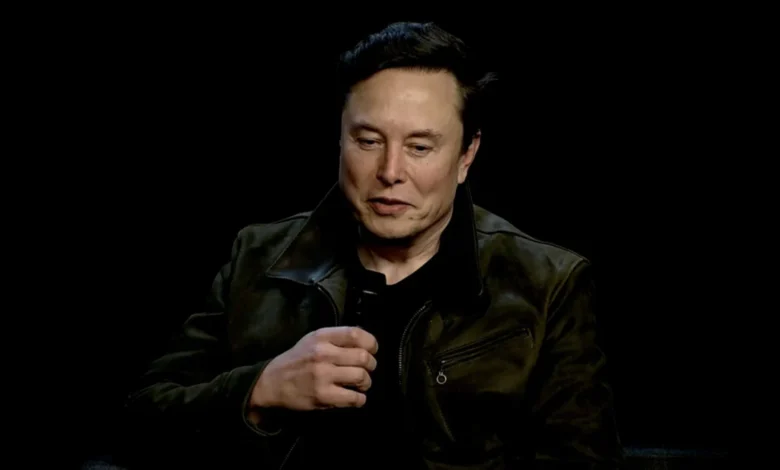
The financial landscape surrounding Tesla Inc. remains as polarized as it is dynamic, yet for veteran investor Ron Baron, the long-term thesis has never been more concrete. In a wide-ranging interview on CNBC’s Squawk Box this past Wednesday, the founder and CEO of Baron Capital offered a definitive endorsement of Tesla stock, framing the current market climate as an optimal entry point for institutional and retail investors alike. Baron’s bullish outlook is tethered to a singular, transformative technological driver: Tesla’s Full Self-Driving (FSD) software suite.
The Case for Software-Driven Growth
Baron, whose firm has maintained a significant stake in Tesla since 2014, argues that the narrative surrounding the company is shifting from traditional automotive manufacturing to a software-centric model. According to Baron, the proliferation of FSD is not merely an incremental upgrade but a structural shift that will redefine the company’s valuation.
"The time to buy the stock is now," Baron asserted during the broadcast. "FSD is catching on, and it’s going to be bigger and bigger. 55% of new buyers are buying it with FSD. It’s going to be everywhere. It’s safer."
This sentiment is supported by recent internal data. In the second quarter of 2026, Tesla reported 1.48 million active FSD subscriptions, representing a 56 percent increase year-over-year. The "attach rate"—the percentage of new vehicle deliveries that include the FSD feature—has climbed to roughly 55 percent in North American markets. Analysts suggest that this trend validates Tesla’s transition from a hardware-volume play to a high-margin recurring revenue generator, providing a buffer against the cyclical nature of the global automotive market.
A Decade of Conviction: From IPO to Institutional Pillar
The relationship between Baron Capital and Tesla traces back to the automaker’s formative years. Having followed Elon Musk’s vision since the 2010 IPO roadshow, Baron has cultivated a deep-seated trust in the company’s long-term trajectory. This loyalty extends to SpaceX, the aerospace venture in which Baron Capital began acquiring positions in 2017.

The impact of these investments on Baron Capital’s portfolio has been substantial. Baron reported that his firm’s historical bets on these two companies have generated approximately $30 billion in realized and unrealized profits out of a total of $71 billion produced for his clients. Currently, the firm holds roughly $25 billion in SpaceX and $5 billion in Tesla, with Baron personally maintaining a $5 billion exposure to SpaceX and $1.5 billion in Tesla.
When pressed on the persistent rumors regarding a potential merger between Tesla and SpaceX—a topic that has gained significant traction in recent months—Baron maintained a measured stance. He confirmed that he has discussed the strategic arguments for and against such a consolidation with Musk, though he declined to disclose the specifics of their private discourse. His public position, however, remains one of unwavering support for the CEO’s decision-making process: "Whatever you decide is better is what I’m going to support."
Strategic Synergies and the Path to Integration
The discourse surrounding a potential Tesla-SpaceX merger is not without merit. Market observers, including analysts from JPMorgan and Jefferies, have pointed to the increasing operational overlap between the two entities. Both companies are currently deepening their collaboration in the realms of artificial intelligence, robotics, and high-performance computing.

A primary example of this synergy is the development of the "Terafab" facility in Austin, Texas. This chip manufacturing complex is designed to meet the intensive AI computing requirements of Tesla’s autonomous fleet while simultaneously supporting the satellite-based communication ambitions of SpaceX.
Furthermore, the public discourse has been fueled by Elon Musk’s own recent comments at the All-In Summit in Los Angeles. When asked about the potential for a formal tie-up, Musk did not dismiss the possibility, noting that the "close collaboration in so many areas" makes the question increasingly relevant. SpaceX President Gwynne Shotwell added that personnel integration between SpaceX and xAI is already occurring at a rapid pace, further fueling speculation that a broader corporate restructuring could be on the horizon.
For investors, the implications are significant. Current market sentiment, reflected in data from prediction platforms like Kalshi, places the probability of a formal corporate merger before 2028 at approximately 66 percent.

The Broader Ecosystem: Challenges and Milestones
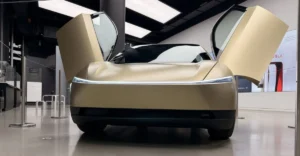
While the long-term outlook for Tesla remains robust in the eyes of bulls like Baron, the company continues to navigate a complex environment of operational and regulatory challenges. The recent debut of the Cybercab in Austin, followed by its ongoing promotional tour in major Asian hubs including Hong Kong, Tokyo, Beijing, and Shanghai, underscores Tesla’s commitment to a global autonomous strategy.
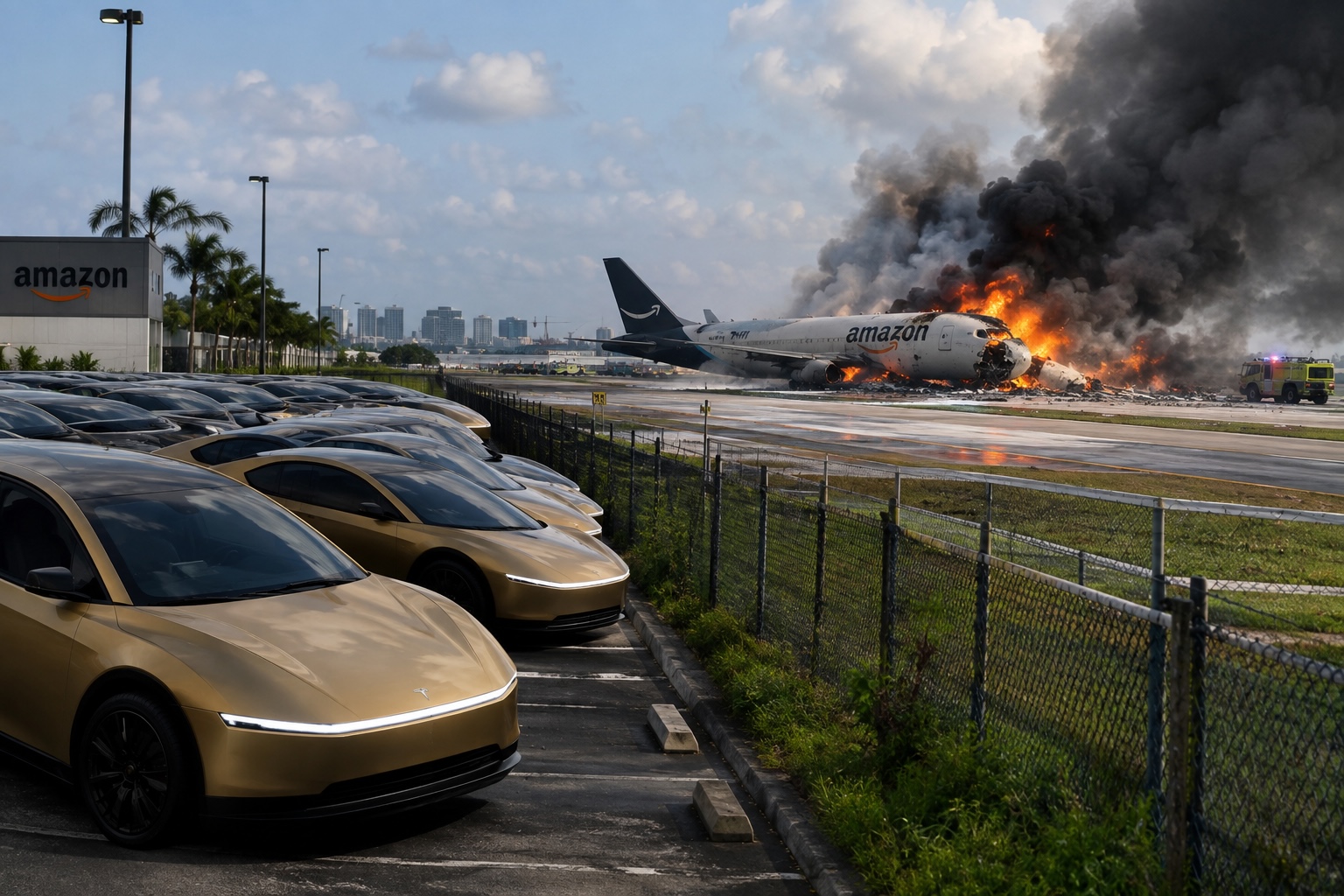
However, the rapid scaling of these technologies has not been without incident. In early September 2026, a high-profile aviation accident near Miami International Airport brought unintended scrutiny to the company’s logistics. An Amazon Prime Air Boeing 767 cargo jet overran the runway, striking vehicles in the vicinity of a staging lot housing dozens of Tesla Cybercabs. While the incident resulted in tragic loss of life, it highlighted the logistical presence of Tesla’s newest fleet in high-traffic urban areas. The event sparked immediate, if speculative, concerns regarding the safety and placement of autonomous assets.
Additionally, the National Highway Traffic Safety Administration (NHTSA) has initiated an audit into the certification process of the Cybercab. The primary point of inquiry involves the vehicle’s design—specifically the absence of traditional steering wheels and pedals—which necessitates a rigorous review of federal safety standards. Tesla has consistently maintained that its software-driven approach to safety represents a leap forward, citing data that suggests autonomous systems reduce human error.
Financial Analysis and Market Outlook
The market’s reaction to these developments remains volatile. Despite the optimism surrounding FSD and the potential for a merger, both Tesla and SpaceX shares have experienced periodic fluctuations in response to broader economic indicators and regulatory news.
The strategy adopted by long-term institutional investors like Baron rests on the assumption that the short-term noise surrounding federal audits or logistics accidents is secondary to the fundamental technological moat Tesla is building. By betting on the software-as-a-service (SaaS) model applied to mobility, Baron and his peers are effectively valuing the company not as an automaker, but as a primary architect of the future infrastructure of AI and automation.
As the company prepares for the next phase of its evolution—marked by the upcoming October 1 unveiling of the next-generation Roadster—the focus remains on whether Tesla can deliver on its promise of "sustainable abundance." For those following Ron Baron’s lead, the volatility of the present is simply the price of entry into a market transition that promises to redefine the global transportation and robotics sectors over the coming decade.
The convergence of high-attach rates for FSD, the potential for a multi-entity corporate restructuring, and the aggressive global expansion of the Cybercab fleet suggests that the next 18 to 24 months will be a defining period for Tesla’s corporate identity. Investors will continue to watch the intersection of technological deployment and regulatory oversight, waiting to see if the ambitious goals set by Musk and supported by his most vocal backers will reach the scale necessary to justify the current, and potentially future, valuations.
Related posts: