Mastering the Arc of Light: OM System Ambassador Matt Suess on the Discipline of the All-Day Landscape Shoot

Landscape photography has long been bound to the bookends of the day. For generations of nature photographers, the operational routine has been predictable: arrive at a scenic vantage point before dawn, capture the fleeting pastel hues of the golden hour, pack up the equipment shortly after sunrise, and return to the field only when the sun dips below the western horizon. The intervening hours—often spanning from mid-morning to late afternoon—are typically written off as dead time, relegated to driving, scouting, processing files, or resting indoors.
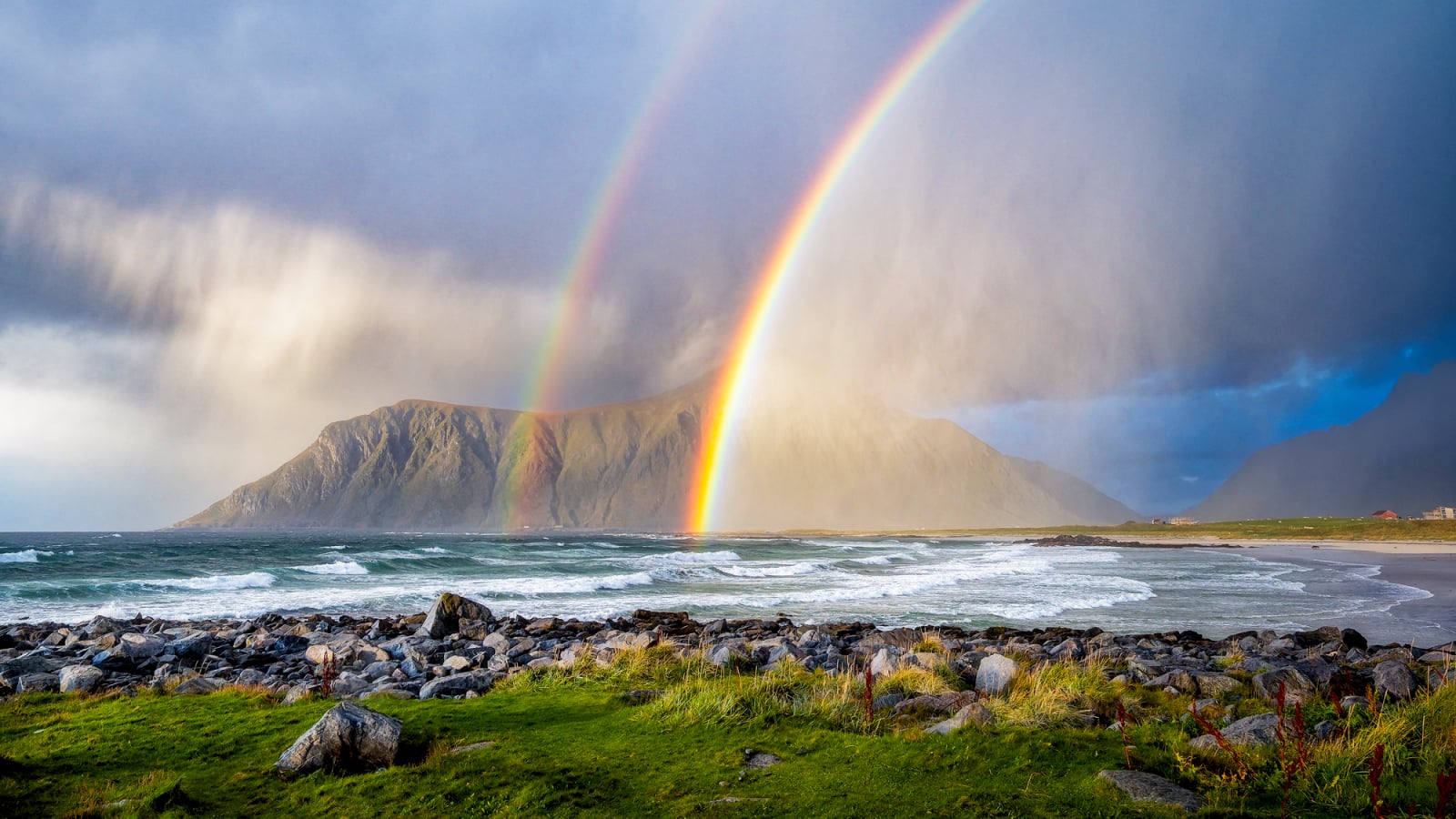
However, professional landscape photographer and OM System Ambassador Matt Suess argues that this conventional routine leaves the most transformative photographic chapters unwritten. Drawing from a 17-year background as a newspaper photojournalist before transitioning to full-time nature photography and workshop instruction out of Bozeman, Montana, Suess advocates for a rigorous counter-exercise: the all-day single-location shoot. By committing to a single vantage point from darkness to darkness, photographers are forced to confront shifting environmental variables, harsh light, and meteorological anomalies that most practitioners actively avoid.
This immersive approach to fieldcraft forms the basis of a recent collaborative documentary and educational initiative supported by OM System, highlighting Suess’s methodologies across rugged American landscapes including Grand Teton National Park, Badlands National Park, Capitol Reef National Park, and Idaho’s Sawtooth Wilderness.
The Philosophy of Endurance and the Single-Location Challenge
The core premise of Suess’s all-day methodology is simple yet demanding: choose a single location and stay put through every phase of the diurnal cycle. According to Suess, this constraint functions similarly to restricting oneself to a single prime lens. Just as a fixed focal length compels a photographer to move their feet and reimagine composition, staying in one place for 12 to 15 hours strips away the safety net of relocation, forcing the creator to find new subjects when the ambient light changes.
"Most landscape photographers plan their days around sunrise and sunset," Suess notes. "The rest of the day is drive time, scouting, or sleep. Blue hour gets ignored a lot. At sunset, they’ll shoot until the sun drops below the horizon, then they’re gone. Even in the middle of the day, you can make good pictures if you find the right subject, but most photographers are back indoors at that time."
By committing to a location for an entire day, photographers encounter lighting conditions they would otherwise miss entirely. This sustained presence requires meticulous planning, an understanding of meteorological data, and a shift in how visual narratives are constructed in the field.
Chronology of a Full-Day Shoot: From Pre-Dawn to Deep Night
Executing an all-day landscape shoot requires a structured timeline, careful site selection, and an intimate understanding of how natural light evolves across different hours. Suess breaks down the progression of a full shooting day into distinct chronological phases, each presenting unique technical and creative hurdles.
Phase 1: Pre-Dawn and the Blue Hour
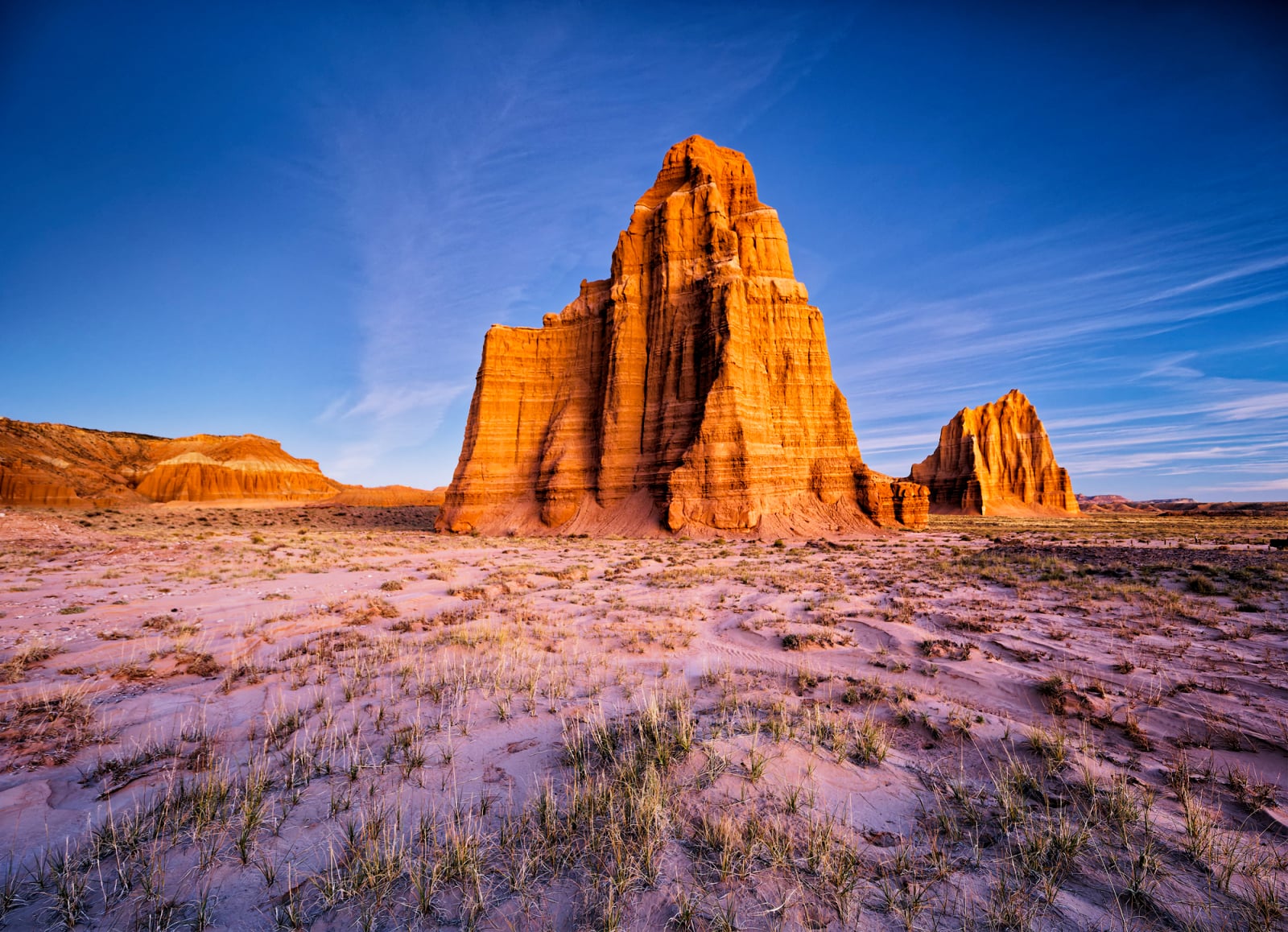
The day begins well before the sun breaches the horizon, during the morning blue hour. Characterized by soft, low-contrast, monochromatic tones dominated by deep blues, this phase tests a photographer’s compositional instincts in the absence of dramatic highlights or saturated color.
Suess emphasizes that photographers should refrain from immediately peering through the camera viewfinder upon arrival. Instead, he advocates for an initial period of visual assessment using the naked eye to identify natural leading lines, tonal contrasts, and textures. Once the conceptual composition is established, the photographer must decide upon non-negotiable technical parameters—typically prioritizing a wide aperture for depth of field in expansive landscapes or a strict shutter speed when wildlife is present.
Phase 2: Sunrise and the Breaking-News Narrative
When the sun finally breaks the horizon, the available color palette shifts rapidly within a matter of minutes. Drawing from his extensive photojournalism background, Suess applies a breaking-news reporting strategy to sunrise landscapes, capturing the evolving scene through a three-shot story sequence: wide, medium, and tight.
"A breaking-news assignment taught me to build a story in layers," Suess explains. "At a house fire, I would begin with a wide photograph that showed the whole scene. Once I understood what was happening, I would frame a medium view… Then I would use a telephoto lens to isolate a distant detail. The sequence moved from wide to medium to tight. Together, those three frames told the story."
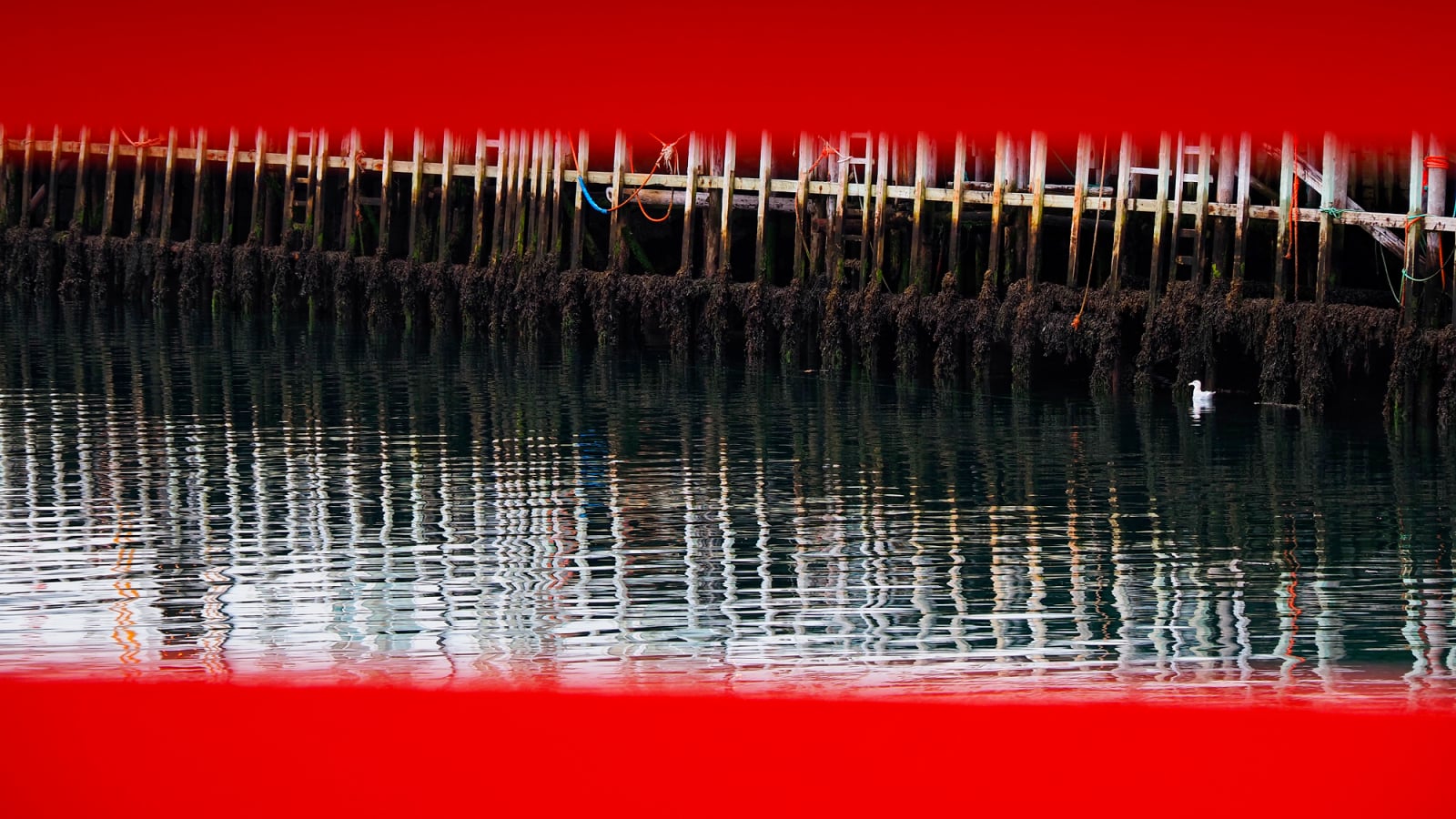
Applied to nature photography, this methodology prevents photographers from hyper-fixating on a single planned composition while ignoring ancillary details such as rising lake steam, moving wildlife, and shifting tonal contrasts on distant peaks.
Phase 3: The Midday Challenge and Weather Variance
Midday represents the most formidable stretch for landscape photography, characterized by harsh, overhead sunlight and high contrast. To mitigate these challenges, Suess avoids clear-sky forecasts entirely, preferring variable weather systems featuring broken clouds.
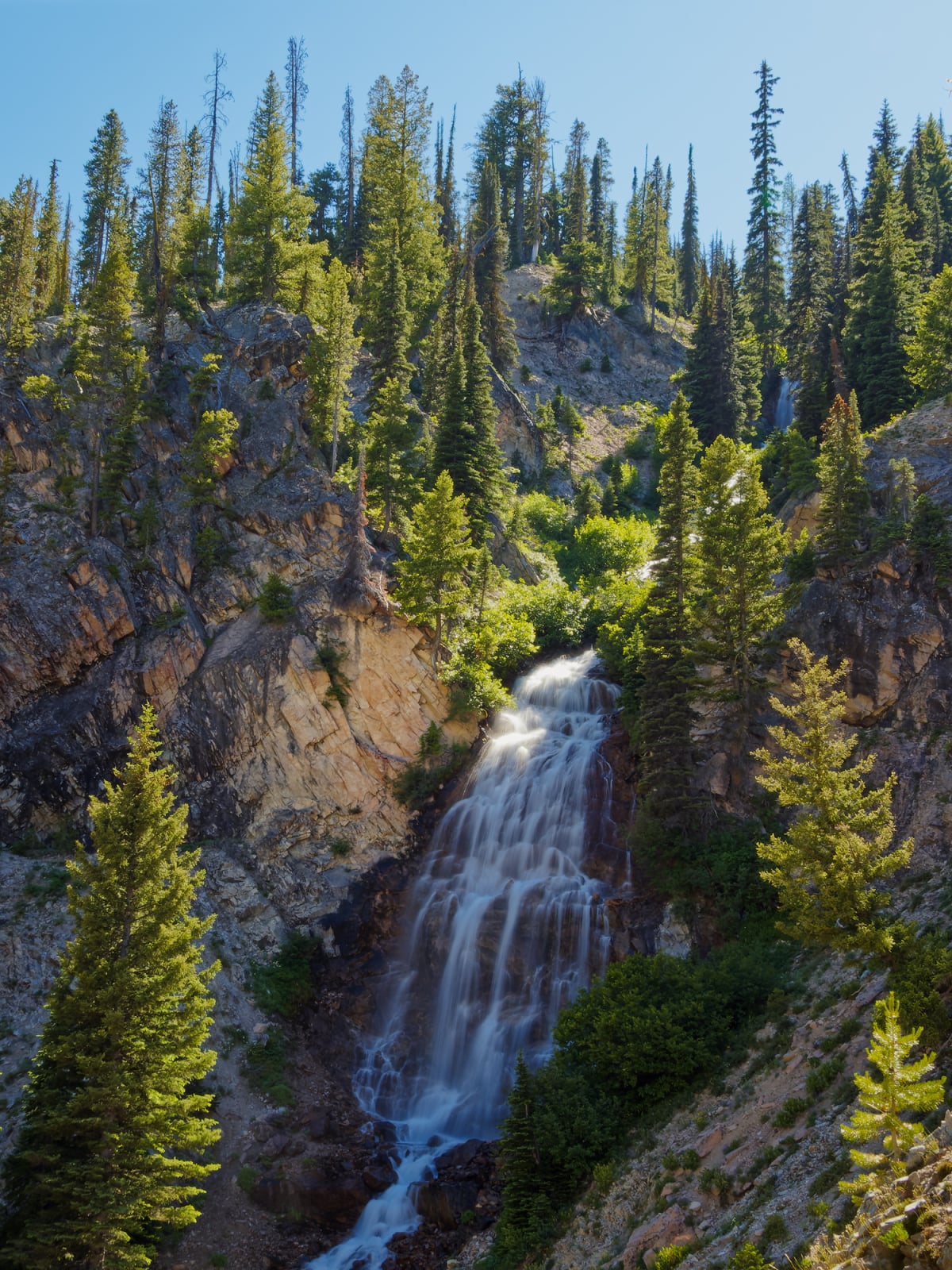
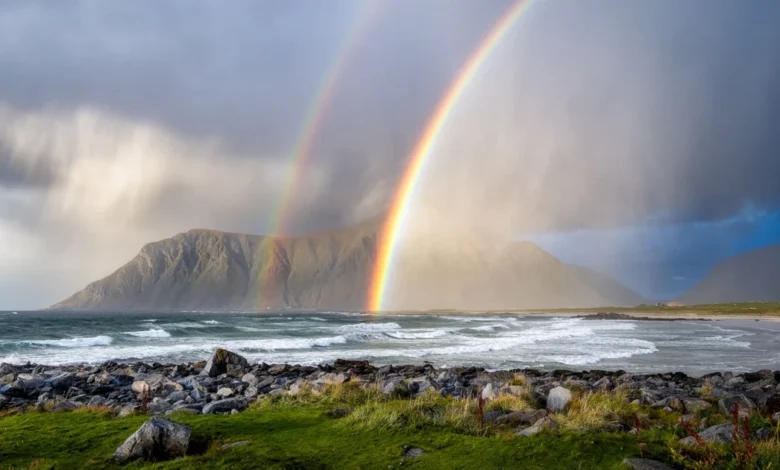
"If I’m staying in one place from morning to night, I’ll skip clear skies and choose conditions with more variety," Suess says. "I want at least some clouds in the sky from sunrise through sunset. Midday is the hardest stretch because the light comes straight down. Clouds keep changing the light, so I have more to work with at midday than I would during clear skies."
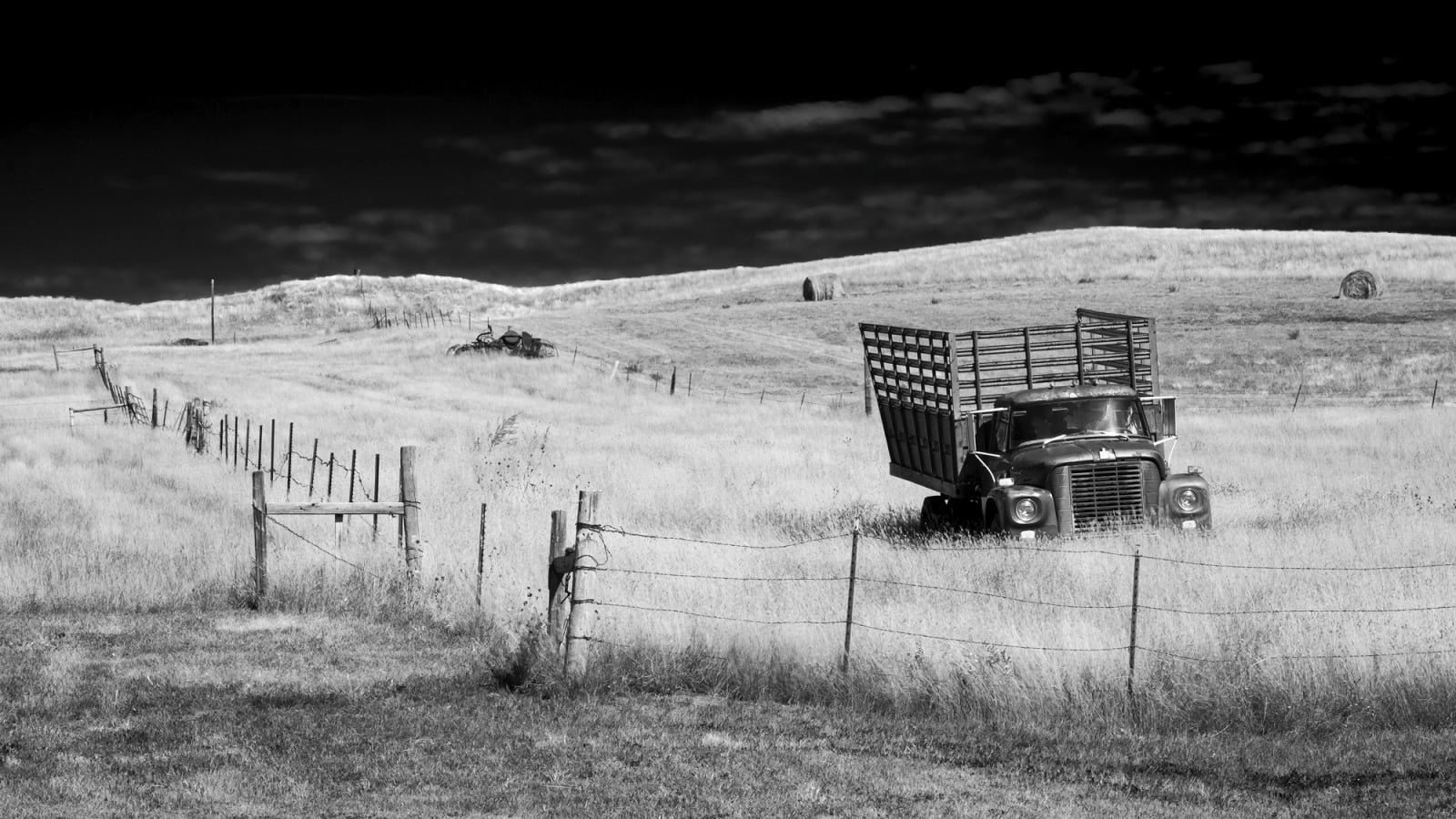
When spotty sunlight filters through storm clouds over dramatic topographies like the Grand Canyon, Norway’s coastlines, or the ridges of Badlands National Park, photographers are provided with shifting pools of illumination that sustain visual interest throughout the afternoon. When the light offers little relief, Suess turns to alternative techniques, utilizing shaded forest canopies for wildflower macro photography, seeking out textured elements like cracked earth, or experimenting with in-camera Art Filters (such as Black & White, Pin Hole, and Bleach Bypass) while recording simultaneous RAW files to preserve baseline color data.
Phase 4: The Reverse Day and Evening Blue Hour
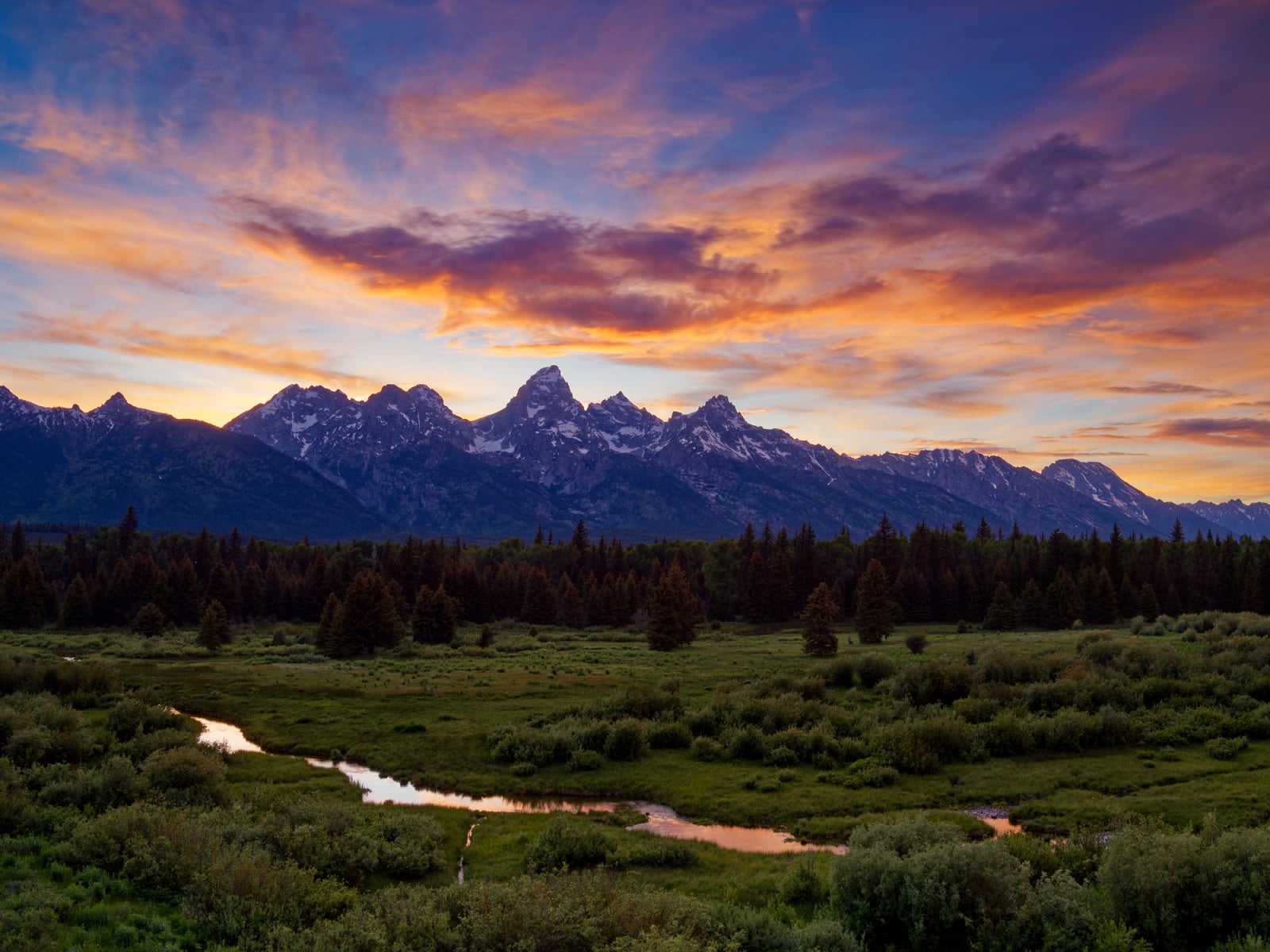
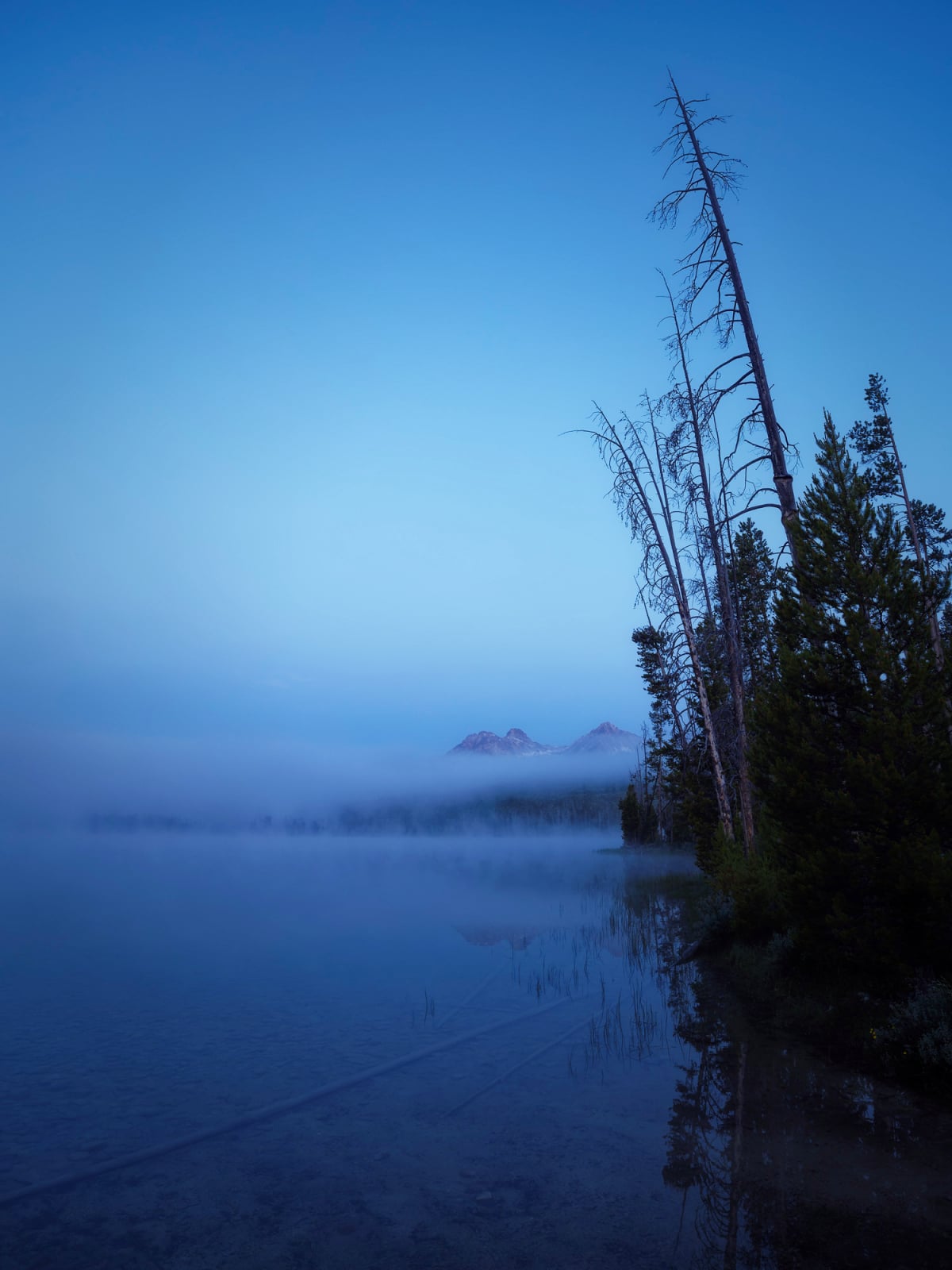
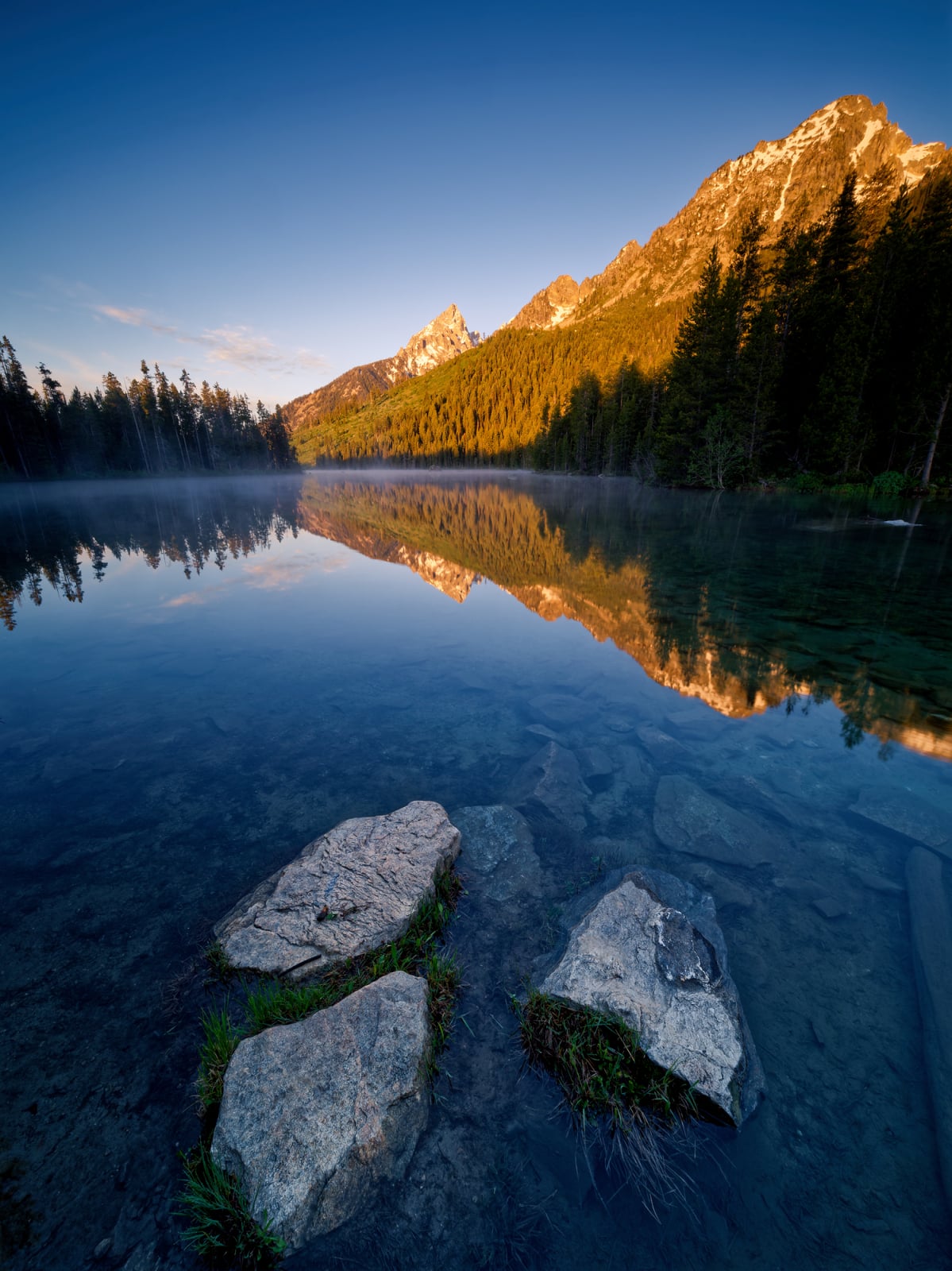
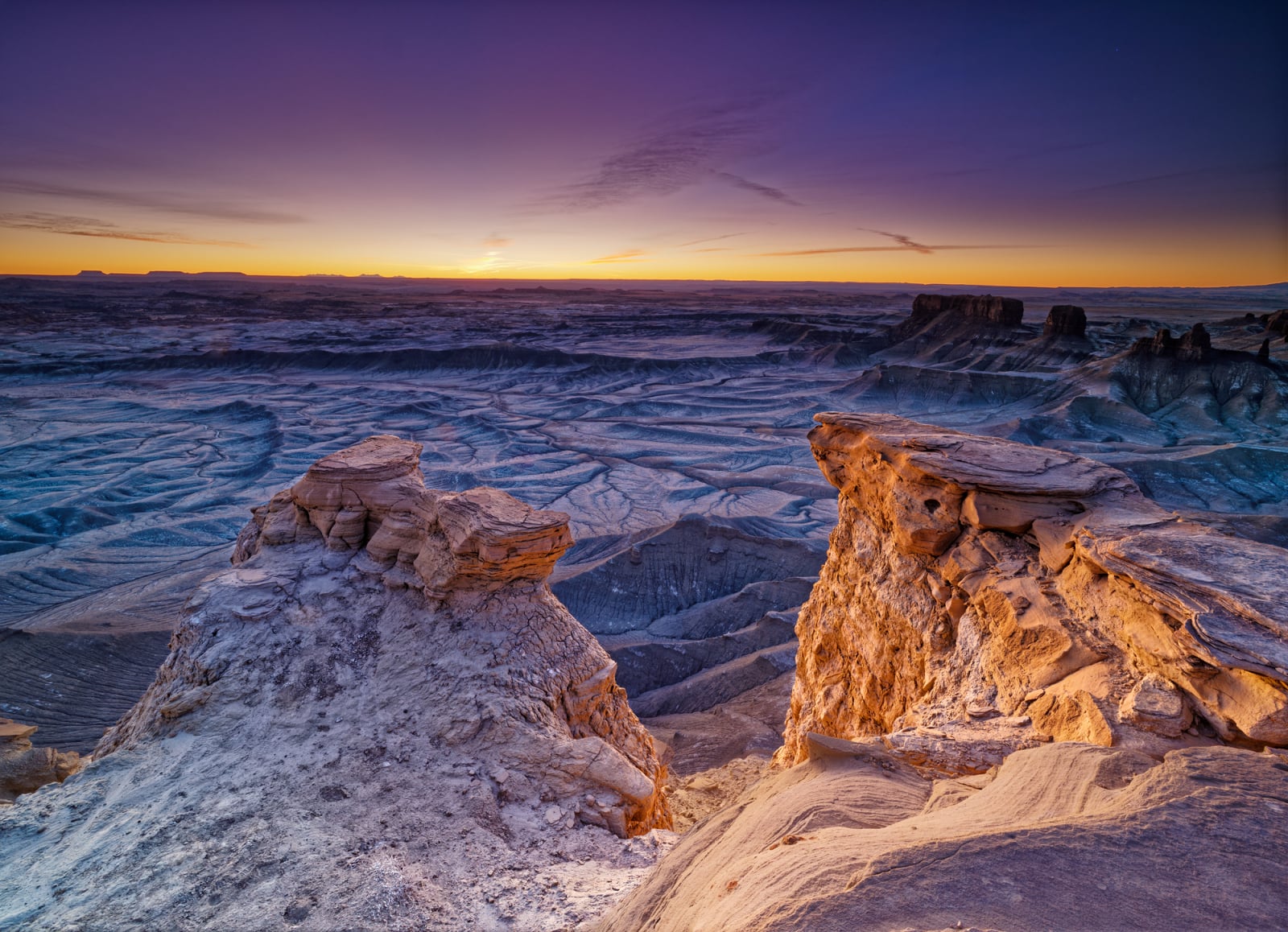
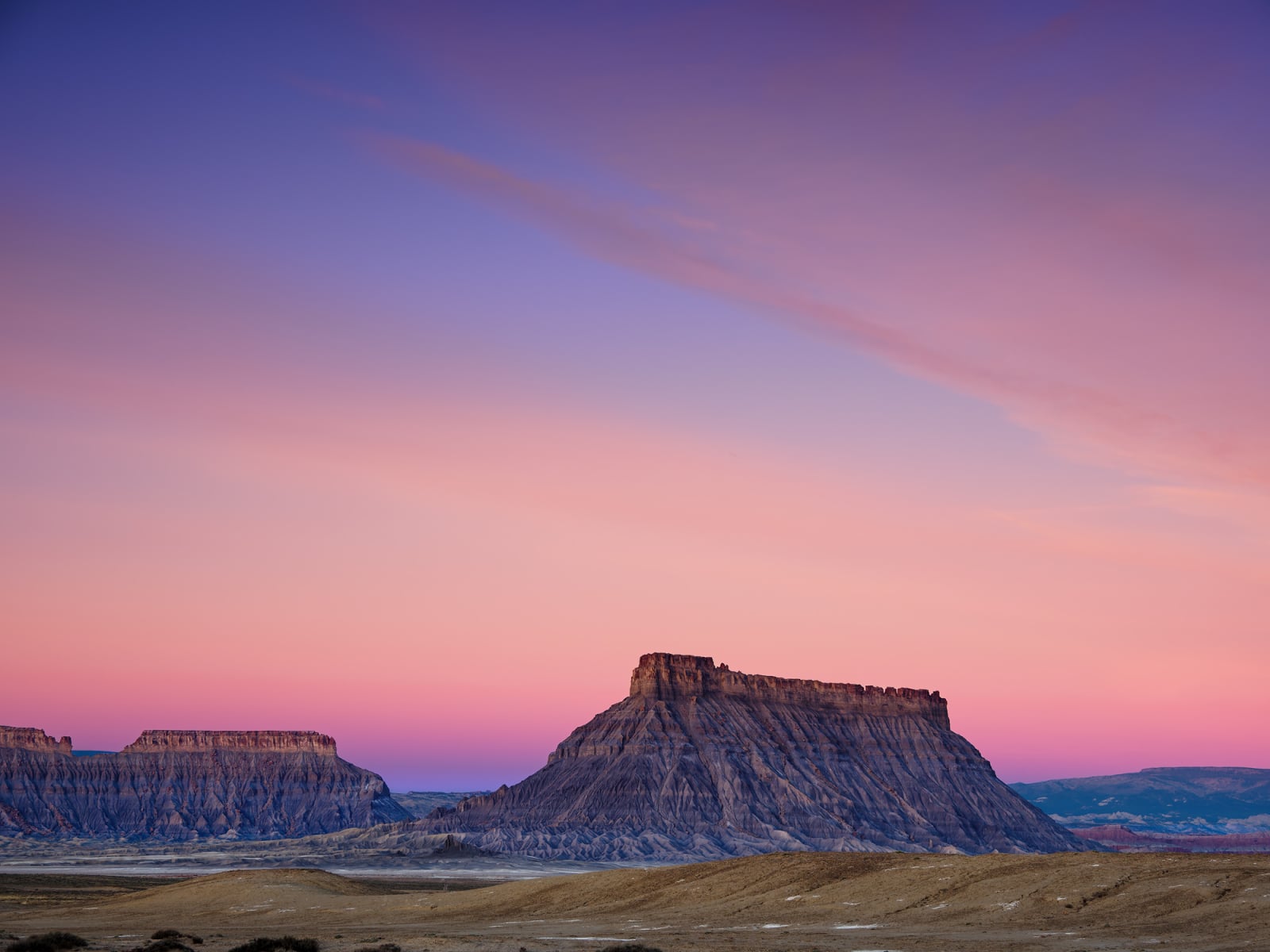
As afternoon transitions into evening, the diurnal cycle reverses itself, moving from golden hour through sunset to the evening blue hour. However, Suess notes distinct differences between morning and evening conditions. While morning blue hours are typically cooler, damp, and characterized by ground mist, evening conditions are often cleaner and clearer due to the ground having absorbed thermal energy throughout the day. Consequently, evening light frequently produces intense, sustained color displays for up to 30 minutes after sunset—a phenomenon frequently missed by photographers who depart immediately after the solar disk disappears.
Phase 5: Astrophotography and the Transition to Night
The final phase of the all-day regimen brings full darkness and the realm of astrophotography. Whether capturing the Milky Way, star trails, or moonlit landscapes that mimic daylight with surreal tonal shifts, Suess treats night photography as an extension of the creative day rather than its conclusion.
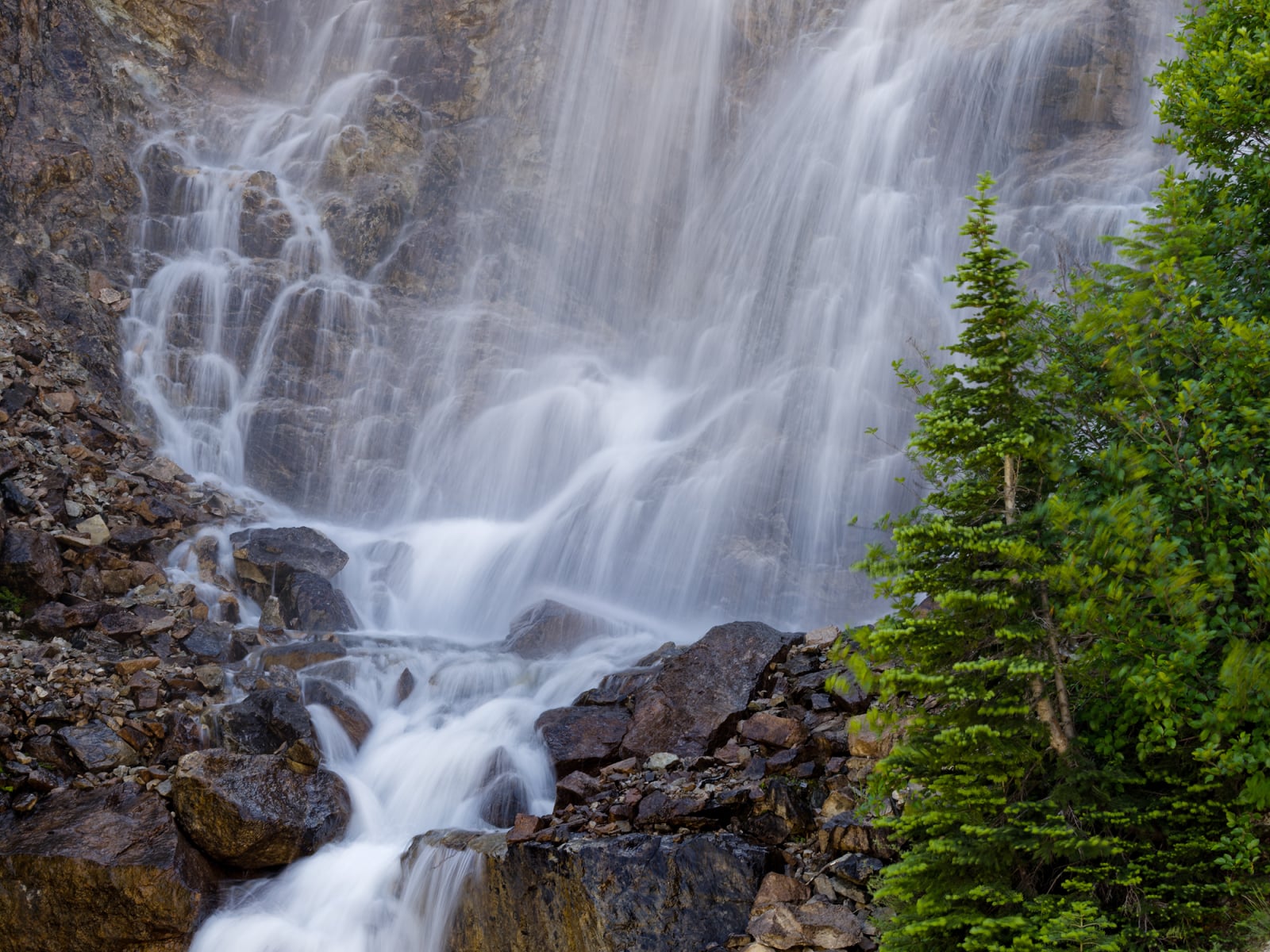
For nighttime sequences, Suess frequently employs computational features such as the OM-5 Mark II’s Live Composite mode, which exposes a baseline image and subsequently records only newly introduced light sources—such as moving vehicle headlights, lightning, or accumulating star trails—without overexposing the static background elements. Alternatively, light painting with controlled colored gels allows photographers to manually illuminate weathered structures like historic barns, observing the exposure build in real time on the camera’s LCD screen.
Gear Strategy and Technical Implications
To sustain physical endurance over a 15-hour field session, equipment weight and reliability are critical factors. Suess utilizes a streamlined kit built around the micro four-thirds ecosystem, specifically the OM-5 Mark II paired with weather-sealed M.Zuiko PRO lenses.
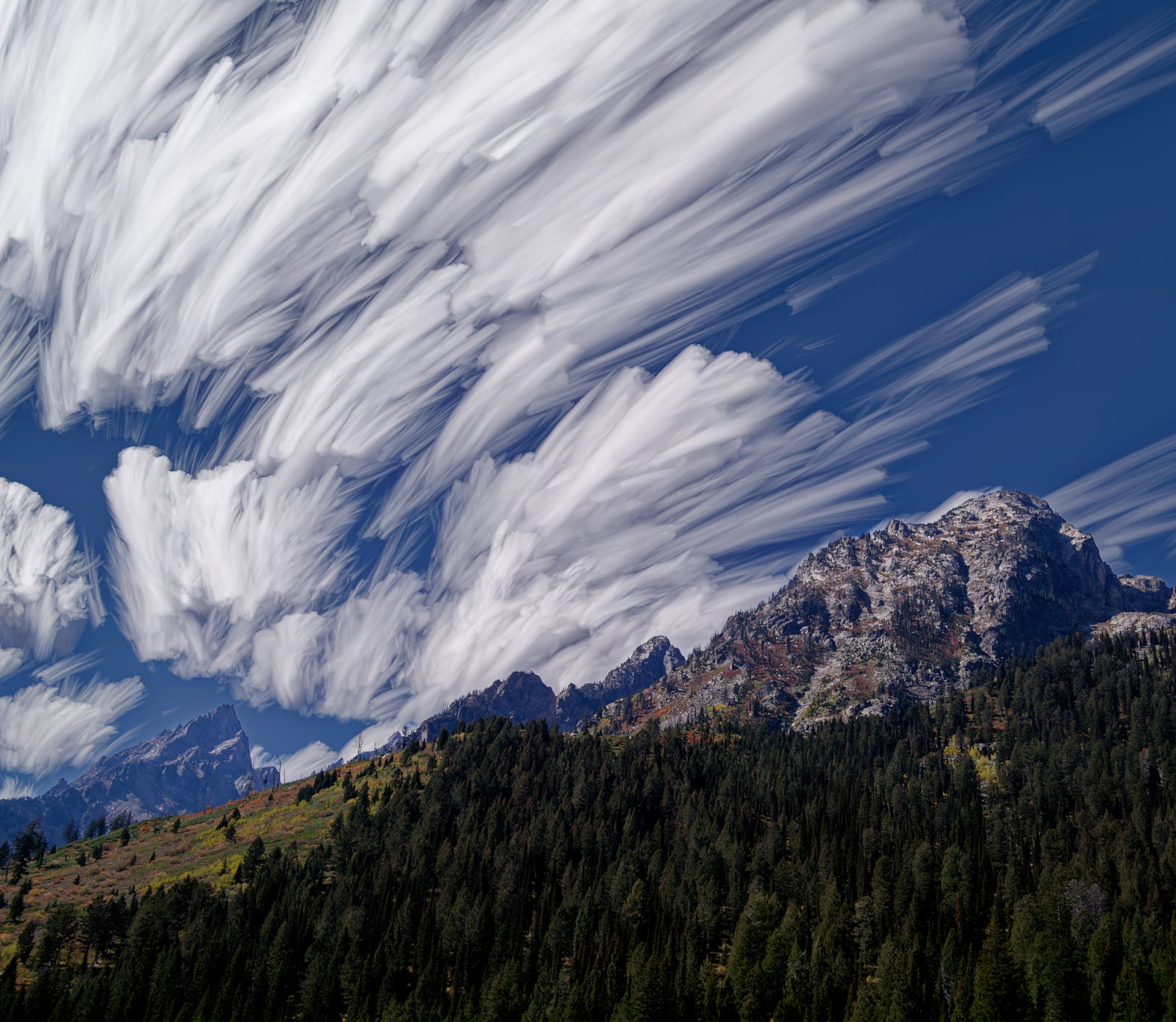
Rather than burdening himself with multiple specialized lenses that require frequent changes in adverse weather, Suess relies heavily on the M.Zuiko Digital ED 12-100mm F4.0 IS PRO lens. Offering an equivalent focal range of 24-200mm, this single optic covers wide-angle vistas, mid-range framing, and close-up details. For astrophotography sessions requiring wider apertures, he supplements this setup with the M.Zuiko Digital ED 7-14mm F2.8 PRO.
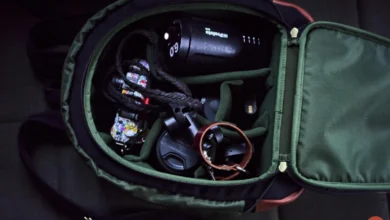
This minimalist lens strategy allows Suess to prioritize essential safety and survival gear over heavy glass. His pack routinely includes satellite communication devices, portable battery banks, bear spray, insect repellent, high-protein nutrition, ample water, and weather-appropriate apparel capable of handling significant temperature swings between midday heat and nighttime alpine cold.
"I would rather carry extra clothing and safety gear than another lens," Suess emphasizes. "I may never need those supplies in an emergency, but I don’t want to discover I left them behind if I do need them. Once I know I’m prepared, I can stop worrying about the pack and pay attention to the landscape."
Technological Integration: Stabilization and Computational Modes
Modern mirrorless camera systems play an enabling role in executing prolonged, all-day field shoots without a tripod. Suess frequently relies on the OM-5 Mark II’s advanced in-body image stabilization (IBIS), which delivers up to 6.5 stops of compensation. This level of stabilization allows for sharp handheld captures at slow shutter speeds during low-light transitions, reducing physical fatigue during miles of rugged hiking.
Additionally, computational photography tools built directly into the camera streamline field workflows. High-Resolution Shot modes synthesize multiple exposures into high-detail files for static landscapes, while Live Composite modes automate complex long-exposure star-trail and light-painting workflows that would otherwise require rigorous manual calculations and post-processing stacking.
Broader Impact and Industry Implications
Suess’s philosophy challenges the efficiency-driven mindset of modern landscape photography, where locations are frequently treated as transactional stops on a travel itinerary. By advocating for deep, sustained engagement with a single geographic point, the approach encourages a shift in mindset from passive consumption of iconic viewpoints to active interpretation of environmental nuances.
For photography instructors and manufacturers alike, this methodology underscores a broader industry trend: the increasing value of field endurance, environmental preparedness, and computational versatility over sheer equipment mass. As cameras become increasingly capable of handling extreme weather, low-light environments, and complex computational tasks natively, photographers are empowered to spend more time observing the natural world and significantly less time managing gear logistics.
Ultimately, Suess measures the success of an all-day shoot not solely by the commercial viability of the resulting image files, but by the perceptual growth of the photographer. "Coming home without a photograph that excites me still teaches me something," Suess reflects. "I can look back at the day and ask why I never found a portfolio image. Was there nothing there, or did I fail to see it? Was I too closed off to what the place offered?"