The Definitive Guide to Selecting and Evaluating High-Performance Air Purifiers for Modern Homes

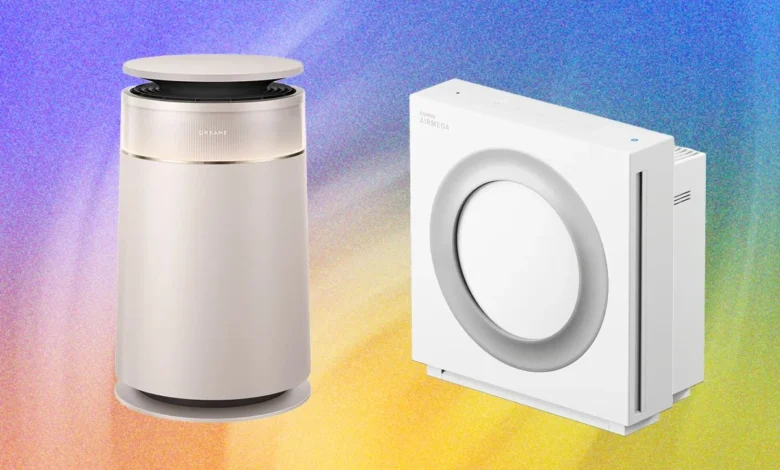
Indoor air quality has transitioned from a niche concern for allergy sufferers to a fundamental pillar of home health. As wildfires, urban pollution, and volatile organic compounds (VOCs) increasingly penetrate residential spaces, the demand for high-performance air purification systems has surged. Choosing the right device requires a nuanced understanding of filtration technology, airflow dynamics, and the specific needs of one’s living environment. This report synthesizes extensive testing of current market leaders to provide a roadmap for consumers seeking to navigate the complex landscape of air purification.
Comparative Performance and Real-World Efficacy
In controlled testing environments—specifically utilizing sealed test chambers exposed to standardized smoke pellet pollutants—the delta between high-end units and mid-range alternatives becomes stark. The Levoit Vital 200S-P and the Coway Airmega Mighty2 both demonstrated impressive rapid-response capabilities, successfully neutralizing smoke particulate and returning air to healthy, "good" status in four minutes and 15 seconds and four minutes and 10 seconds, respectively.

However, the IQAir HealthPro Plus XE represents the upper echelon of performance. During the same testing protocol, this unit effectively prevented the visual accumulation of smoke, maintaining air quality at "good" levels within three minutes, even as the chamber reached "hazardous" pollution indices. Conversely, some smart-enabled devices, such as the Shark BreatheClear Max, presented challenges in automated environments. Despite sophisticated sensor arrays designed to scan air quality 3,600 times per hour, the unit failed to auto-adjust to the smoke influx in testing. Manual intervention was required to initiate purification, highlighting a critical distinction between a device’s technical specifications and its real-world responsiveness.
Understanding Filtration Standards
The core of any air purifier’s effectiveness lies in its filtration architecture. Consumers are encouraged to prioritize units bearing the California Air Resources Board (CARB) certification. This designation ensures that the device meets stringent ozone emission standards, preventing the purifier from becoming a secondary source of indoor air pollution.
- HEPA Filtration: High-Efficiency Particulate Air (HEPA) filters are the industry standard for capturing at least 99.97 percent of airborne particles as small as 0.3 microns. They remain the gold standard for mitigating dust, pollen, and bacteria.
- Activated Carbon: These filters are essential for molecular-level filtration. Unlike HEPA filters, which capture physical particles, activated carbon is highly porous, allowing it to adsorb VOCs, chemical fumes, and lingering odors.
- Multi-Stage Systems: Modern units like the Coway Airmega 250 utilize a layered approach, combining a washable prefilter (to capture large debris like pet hair), an activated carbon layer, and a true HEPA filter. This design optimizes the longevity of the more expensive HEPA media.
The Role of Sensor Technology and Automation
Modern air purifiers are increasingly defined by their "Smart" capabilities. The Coway Airmega 400S and the IQAir GC MultiGas XE represent two distinct approaches to automated air management. The 400S leverages an intuitive, reliable sensor that adjusts fan speeds based on real-time particle counts, effectively managing air quality without requiring user input.

In contrast, the IQAir GC MultiGas XE is a heavy-duty, industrial-grade solution capable of managing large volumes of air (275 cubic feet per minute). While it offers superior filtration for toxins and vapors, its size—weighing 55 pounds—and noise profile at maximum settings (68 decibels, comparable to a vacuum) necessitate a strategic approach to placement. It is an investment-grade appliance, designed for durability in large-volume spaces like lofts or open-plan cabins.
Specialized Solutions for Unique Environments
Not all environments require a "one-size-fits-all" approach. For example, the Oransi AirMend True Carbon is engineered specifically for odor-heavy environments, such as those housing multiple pets or near kitchens. By eschewing a HEPA filter in favor of a heavy-duty, three-pound activated carbon block, it prioritizes gas-phase filtration over particulate removal.
For smaller spaces, such as home offices or nurseries under 200 square feet, the PuroOxygen P500i offers a compact, CARB-certified alternative. It utilizes a combined filter approach that includes a cold catalyst filter. While effective for chemical breakdown, consumers should be aware that the EPA views catalyst technology as secondary to robust mechanical filtration.
.jpg)
Determining Air Exchange Requirements
The Centers for Disease Control and Prevention (CDC) recommends that residential air cleaning systems aim for five air exchanges per hour (ACH). To calculate whether a chosen unit meets this requirement for a specific room, one must multiply the room’s square footage by its ceiling height to determine total cubic footage.
If an air purifier is rated for 200 cubic feet per minute (CFM) at its lowest setting, it must be capable of cycling the total volume of the room five times within an hour to meet the CDC recommendation. Many consumers make the error of selecting a unit based on its "maximum" square footage rating, which often corresponds to the device running at its loudest, most disruptive setting. A best practice is to select a unit that achieves the required ACH while operating at a noise level that allows for daily activity and sleep.
Implications of Long-Term Maintenance
A frequently overlooked aspect of air purifier ownership is the "total cost of ownership," which includes the price of replacement filters and the ease of maintenance. Washable prefilters—found on units like the Airdog X5 and the Coway Airmega 250—can significantly extend the life of the primary filter, providing a more sustainable and cost-effective operation.

However, users must be diligent. The Airdog X5, for instance, uses electronic filtration technology (TPA) that zaps particles. While innovative, such systems require consistent cleaning to prevent performance degradation and the audible "zapping" noises that occur when the filter plate becomes saturated.
Broader Impact on Indoor Health
The push for better indoor air quality has been accelerated by an increased awareness of PM 2.5—particulate matter 2.5 micrometers or smaller in diameter. These particles are small enough to enter the bloodstream, posing significant cardiovascular and respiratory risks. The integration of consumer-grade air quality monitors, such as the Airthings View Plus, allows homeowners to visualize these invisible threats, providing data on carbon dioxide, humidity, and temperature alongside pollutant levels.
As public health officials continue to emphasize the importance of ventilation and filtration, the market for these devices is expected to grow. Manufacturers are moving toward more transparent data reporting and app-based dashboards that allow users to view historical graphs of their indoor environment. This transparency is a positive development, moving the industry away from vague marketing claims and toward data-driven performance metrics.
-Reviewer-Photo-SOURCE-Lisa-Wood-Shapiro.jpg)
Summary of Best Practices for Consumers
- Prioritize Performance Data: Look for verified CADR (Clean Air Delivery Rate) ratings and confirm CARB certification.
- Consider the Noise Floor: Evaluate decibel levels at the "low" or "medium" settings, as these are the speeds at which the device will likely operate 90 percent of the time.
- Assess the Space: Match the purifier’s airflow capacity (CFM) to the cubic footage of the specific room, aiming for five air exchanges per hour.
- Maintain the System: Budget for filter replacements every six to 12 months, and treat the prefilter as a weekly or bi-weekly maintenance chore to ensure optimal performance.
- Verify the Sensor: If purchasing an auto-adjusting unit, confirm the sensor is sensitive to the specific pollutants of concern (e.g., PM 2.5 for smoke, VOCs for chemicals).
By applying these criteria, consumers can move beyond brand-name recognition and select an appliance that provides measurable, tangible improvements to their home environment. The objective is not merely to "purify," but to consistently maintain a baseline of air quality that supports long-term respiratory health. As the industry evolves, the focus will remain on balancing high-efficiency mechanical filtration with intelligent, user-friendly automation, ensuring that clean air remains an accessible standard rather than a luxury.