


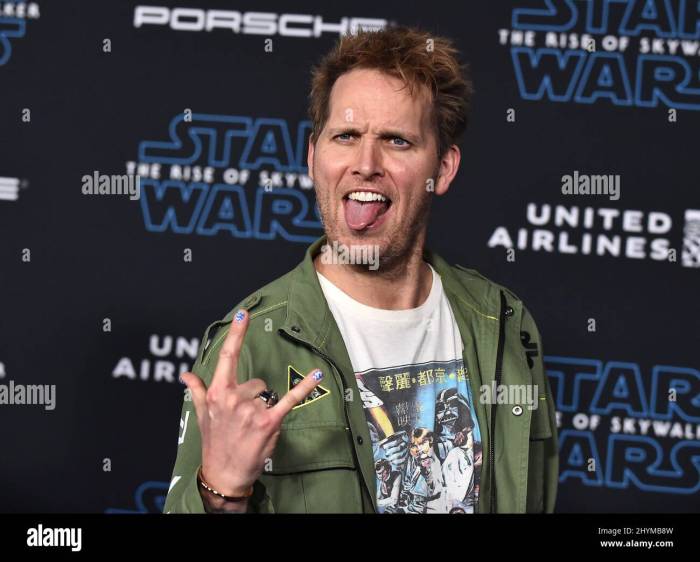
Star wars disney rise of skywalker singapore kiss ban – Star Wars: The Rise of Skywalker’s Singapore kiss ban sparks fascinating debate. This controversy delves into the intricacies of Singaporean film censorship, examining the specific scene that triggered the ban, its historical context, and the potential ramifications for future releases. We’ll also explore the public reaction, contrasting it with global perspectives on film censorship and its evolution.
The film’s plot, characters, and reception in Singapore provide crucial background. Singapore’s unique censorship landscape, with its regulations and history, is a key element in understanding the controversy. This investigation aims to dissect the complexities of the kiss ban, presenting various perspectives, and exploring potential future implications for both the film industry and Singaporean society.
Star Wars: The Rise of Skywalker
The final installment in the Skywalker saga, “Star Wars: The Rise of Skywalker,” arrived in theaters with much anticipation and a significant amount of speculation. It aimed to conclude the Skywalker story arc and tie up loose ends from the previous films, but ultimately fell short of expectations for many fans. The film’s narrative navigated complex themes of legacy, sacrifice, and the struggle for balance within the galaxy far, far away.
Plot Summary
The film picks up where “The Last Jedi” left off, with the Resistance facing seemingly insurmountable odds against the First Order. Rey, a seemingly ordinary farm girl with surprising Force abilities, embarks on a journey of self-discovery and confronts the ultimate challenge of understanding her lineage and her destiny. The film explores the mysteries of the Force, revealing hidden connections and shocking revelations about the past.
Key conflicts involve the final showdown with the resurrected Emperor Palpatine, the struggle for the galaxy’s future, and the resolution of the Skywalker saga.
Key Characters and Their Roles
The film features a cast of familiar faces, each playing a pivotal role in the unfolding drama. Rey, the central character, grapples with her identity and the weight of her lineage. Finn and Poe continue their journey as resistance fighters, facing difficult decisions and significant sacrifices. Kylo Ren, grappling with his inner conflict, is presented with a crucial choice.
The film also revisits familiar characters like Luke Skywalker, Leia Organa, and Han Solo, who play crucial roles in Rey’s development and the ultimate fate of the galaxy.
Critical and Popular Reception
The film received mixed reactions from critics and audiences. Some praised its emotional impact and nostalgic elements, while others criticized its plot inconsistencies and rushed resolution of key conflicts. The film’s pacing and the introduction of new characters were often cited as points of concern. Many fans felt that the film failed to adequately resolve lingering questions from previous installments.
Significant Events
The film’s narrative is marked by a series of significant events. The resurrection of Emperor Palpatine was a major plot point, sparking discussions about the nature of the Force and the recurring themes of power and redemption. Rey’s confrontation with the Emperor, and the subsequent battle, represent the ultimate test of her abilities and her understanding of the Force.
The return of iconic characters played a key role in the narrative and emotional impact of the film.
Release in Singapore
“Star Wars: The Rise of Skywalker” was released in Singapore alongside its global release date, experiencing similar reception to the worldwide response. The film drew large audiences to cinemas, as is typical for Star Wars releases, but the overall enthusiasm compared to other installments in the saga was muted. Ticket sales figures and public response in Singapore followed the global trend, indicating the film’s mixed reception.
Context of the Singaporean Censorship Landscape
Singapore’s film censorship system, while often criticized, is a reflection of its unique socio-political context. The nation prioritizes social harmony and stability, viewing media as a powerful tool that can influence public opinion and behavior. This approach has shaped its film censorship policies, which are distinct from those in other countries, particularly regarding depictions of sexuality and violence. This approach is rooted in a desire to maintain a specific cultural environment, one that prioritizes order and cohesion.The history of film censorship in Singapore reveals a gradual evolution of regulations.
The recent ban on a Star Wars: The Rise of Skywalker kiss scene in Singapore got me thinking about how quickly technology is advancing. Modern advancements in falcon intelligence recon automation, like those detailed in falcon intelligence recon automation advancements , could potentially be applied to content moderation in the future. Perhaps these automated systems could help flag inappropriate content more quickly, reducing the need for human intervention, even in a case like the Singaporean Star Wars kiss ban.
It’s a fascinating thought.
Initially, censorship was largely based on the prevailing social norms and values of the time. As Singapore developed and its society became more diverse, the regulations adapted to reflect these changing circumstances. This evolution has resulted in a complex system of guidelines and restrictions that are continuously reviewed and adjusted.
History of Film Censorship in Singapore
Early film censorship in Singapore was influenced by colonial-era practices. As Singapore gained independence, the focus shifted towards maintaining social order and national unity. The need to balance freedom of expression with social values led to the development of specific regulations. The regulations became more stringent and sophisticated in response to both local societal concerns and international trends in film production.
Over time, the government recognized the need for flexibility and adaptation, resulting in a system that is continually updated and refined.
Specific Regulations Governing Film Content
Singapore’s film censorship regulations are detailed and specific. These regulations address various aspects of film content, including violence, sexuality, and language. They often incorporate a tiered system of ratings and classifications to cater to different age groups. For example, films deemed unsuitable for young audiences are given restricted classifications or outright bans.
- Violence Depiction: The level of violence permissible varies depending on the film’s context and intended audience. Graphic depictions of violence are often restricted, especially those that might be considered gratuitous or excessively disturbing. This reflects a concern for the potential impact of violent imagery on viewers.
- Sexual Content: Explicit sexual content is heavily regulated. The regulations aim to maintain a standard of modesty and propriety. The level of tolerance for sexual content varies, taking into account the context of the film, the target audience, and the overall message being conveyed.
- Language: Profanity and offensive language are subject to restrictions. The rules for language use often align with social norms and cultural sensitivities. The appropriateness of language is assessed in the context of the film’s narrative and intended impact.
Comparison with Other Countries’ Policies
Singapore’s film censorship policies contrast with those of countries with a greater emphasis on freedom of expression. For instance, the United States has a more permissive approach, allowing for a wider range of content, even if it contains potentially controversial elements. Other countries have different approaches, balancing freedom of expression with the need to protect vulnerable groups or maintain social order.
| Country | Approach to Film Censorship |
|---|---|
| Singapore | Restrictive, focusing on social harmony and order |
| United States | More permissive, emphasizing freedom of expression |
| United Kingdom | Moderately restrictive, balancing freedom and social values |
Examples of Censored Films
Numerous films have faced censorship or restrictions in Singapore. The specific reasons for censorship vary, reflecting the specific concerns of the censors at the time. Examples include films deemed to contain excessive violence, inappropriate language, or controversial themes. These films may be restricted or banned outright, or they may be subjected to alterations or cuts.
The Star Wars: The Rise of Skywalker Singapore kiss ban generated quite a buzz, didn’t it? It got me thinking about capturing those fleeting moments, though, and how a powerful zoom lens, like the one in the Nikon Coolpix P1100 super zoom camera, might be perfect for birdwatching. Nikon Coolpix P1100 super zoom camera photography bird watching is a fantastic way to get up close with nature’s wonders.
Ultimately, though, the ban still feels a bit odd when you consider the wider context of filmmaking and cultural differences. Maybe there’s a middle ground somewhere.
Criteria Used to Assess Film Content
The criteria used to assess film content for appropriateness are multifaceted. The authorities consider various factors, including the film’s genre, the target audience, and the overall message being conveyed. These criteria are often interpreted and applied by the Singaporean film censorship board, which determines the suitability of the content.
The Kiss Ban Controversy
The recent release of Star Wars: The Rise of Skywalker in Singapore sparked a debate surrounding censorship, specifically a controversial kiss ban. This incident highlights the delicate balance between artistic expression and societal norms in film distribution, particularly within the context of a nation with specific cultural sensitivities. The decision to restrict certain content raised questions about the potential impact on future film releases and the interpretation of artistic freedom in the local context.The censorship decision centered on a scene involving a same-sex kiss between two characters.
This specific scene was deemed inappropriate for audiences in Singapore, leading to a heavily edited version of the film being released. The exact nature of the edit is not publicly available, but it’s understood that the scene was either significantly altered or removed entirely.
The Specific Scene in Question
The scene in question involved a romantic moment between two characters, resulting in a kiss. The exact details, including the characters’ identities, are not publicly available to protect the integrity of the film’s narrative. This lack of specificity underscores the sensitivity of the issue. The omission of detail, while understandable in some respects, leaves some questions about the film’s editing.
Reasoning Behind the Censorship Decision
The reasoning behind the censorship decision is rooted in Singapore’s specific cultural and societal norms. The Ministry of Communications and Information, responsible for film classification, likely made its decision based on the country’s guidelines regarding content deemed inappropriate for public consumption. These guidelines often reflect broader social values and sensitivities, which can differ from other regions.
Comparison to Similar Scenes in Other Films
While Singapore’s censorship practices are often viewed in a complex light, it’s important to acknowledge that many films containing similar scenes have been released in Singapore without such restrictions. This comparison highlights the subjective nature of the censorship process and the potential for differing interpretations of similar content in various films.
Public Response to the Censorship Decision
The public response to the censorship decision was mixed. Some individuals supported the decision, citing their belief in upholding societal values and standards. Conversely, other individuals and groups expressed concerns about artistic freedom and the potential for censorship to stifle creative expression. Discussions regarding this issue often spanned online forums and social media platforms. The varied responses reflect the complexity of the issue, with valid points on both sides of the debate.
Potential Implications for Future Film Releases in Singapore
The kiss ban controversy has the potential to influence future film releases in Singapore. Film distributors may be more cautious in submitting films with potentially controversial scenes, particularly those depicting same-sex relationships. This potential for self-censorship could lead to a shift in the types of films that are readily accessible in the country. This effect could also be seen in other similar areas, including films with scenes that may be considered controversial or potentially offensive to some segments of the population.
Social and Cultural Impact in Singapore
The Star Wars: The Rise of Skywalker kiss ban in Singapore sparked a significant debate, exposing the interplay of cultural values, censorship, and public perception in a society known for its unique blend of traditions and modernity. This controversy provided a fascinating lens through which to examine how Singaporeans grapple with sensitive issues and the often-complex relationship between freedom of expression and societal expectations.
The incident highlighted the need for nuanced understanding of cultural sensitivities and the importance of open dialogue surrounding such controversies.The ban, while seemingly focused on a single scene, ultimately became a microcosm reflecting broader societal values and concerns. Singapore’s approach to censorship and its impact on artistic expression became a focal point of public discussion, prompting a review of how these choices shape public discourse and the overall cultural landscape.
Public Reactions to the Ban, Star wars disney rise of skywalker singapore kiss ban
Public reactions to the ban varied considerably, with notable differences based on age group and social background. Understanding these diverse viewpoints is crucial to assessing the full impact of the decision.
| Age Group | Social Background | General Reaction |
|---|---|---|
| Younger Generation (18-35) | Tech-savvy, progressive | Generally critical of the ban, perceiving it as outdated and overly restrictive. Often expressed opinions online through social media and forums. |
| Older Generation (55+) | Traditional, family-oriented | More supportive of the ban, viewing it as a way to maintain certain cultural values and protect younger generations from potentially inappropriate content. |
| Mid-range Generation (36-54) | Diverse, balanced views | Displayed a range of opinions, with some agreeing with the ban for its emphasis on family values and others disagreeing for its perceived suppression of artistic freedom. |
| All generations | Singaporean Chinese | Showed a diversity of opinions, some aligning with traditional values, others with a more progressive outlook. |
| All generations | Singaporean Malay/Indian | Showed a similar diversity of opinions, reflecting the complex cultural fabric of Singaporean society. |
Discourse Surrounding the Ban in Singaporean Media
Singaporean media outlets, both print and online, covered the ban extensively. Discussions ranged from the legal framework governing censorship to the cultural implications of the decision. Newspapers and online platforms offered varied perspectives, reflecting the spectrum of public opinion.
Arguments for and Against the Censorship Decision
Arguments for the ban centered on upholding family values and protecting younger audiences from potentially inappropriate content. Proponents often emphasized the need for a conservative approach to media consumption, emphasizing the importance of maintaining a moral compass.Arguments against the ban emphasized the importance of artistic freedom and the need to avoid censorship that could stifle creativity. Opponents argued that the decision could be interpreted as a step backward, potentially undermining Singapore’s reputation as a progressive society.
Comparison with Other Countries’ Reactions
The Singaporean approach to the kiss ban contrasts with those of other countries that have varying degrees of censorship and regulations on media content. This comparison reveals a spectrum of perspectives on the role of media in shaping societal values. A comprehensive analysis would require considering how different societies balance freedom of expression with moral and ethical considerations.
Interpretations of the Ban
The ban elicited various interpretations. Some viewed it as a necessary measure to protect youth, aligning with traditional values. Others perceived it as an infringement on artistic expression and a sign of societal conservatism.
Global Perspective on Film Censorship: Star Wars Disney Rise Of Skywalker Singapore Kiss Ban
Film censorship, a complex and multifaceted issue, has a long and varied history across the globe. It reflects a constant tension between artistic expression and societal values, often playing out in different ways depending on the cultural and political context of each nation. This dynamic interplay shapes the narrative we see on screen and influences the films we have access to.
From historical precedents to modern-day practices, the journey of film censorship is a compelling story of evolving power dynamics and cultural expression.
That whole Star Wars: Rise of Skywalker kiss ban in Singapore was a bit weird, right? It got me thinking about how technology is constantly evolving, especially in healthcare. For example, advancements like the Apple Watch’s potential role in Parkinson’s disease detection through Rune Labs’ FDA-approved studies, apple watch parkinsons rune labs fda are pretty fascinating.
Maybe those creative directors in Hollywood could get inspired by these innovations and use them in the next blockbuster, instead of getting caught up in censorship debates about a fictional kiss? Still, the Singapore ban remains a bit baffling, don’t you think?
Film Censorship Practices Across Countries
Different countries employ various approaches to regulating film content. These approaches vary widely in their scope, rigor, and justification. Understanding these variations requires an appreciation for the diverse societal values and political systems that underpin each nation’s approach.
| Country | Approach to Film Censorship | Typical Censorship Concerns | Impact on Film Industry |
|---|---|---|---|
| United States | Primarily based on the First Amendment, with significant legal precedent. Content deemed obscene, inciting violence, or harmful is generally restricted. | Obscenity, violence, and hate speech. | Significant impact on film production and distribution, particularly for films with mature themes. |
| China | Heavily influenced by political considerations, with a strong emphasis on maintaining social stability. Content deemed detrimental to national interests or potentially disruptive is censored. | Political dissent, religious extremism, and anything perceived as negative to the Communist Party. | Strict control over film production and distribution. Foreign films face significant restrictions. |
| Singapore | Focuses on maintaining social harmony and public order. Content deemed offensive, sexually explicit, or potentially disruptive to social norms is restricted. | Offensive content, violence, and sexual content. | Impact on film production and distribution. Foreign films face significant restrictions. |
| India | Highly regulated by the Central Board of Film Certification (CBFC), balancing freedom of expression with cultural sensitivities. | Religious sensitivities, violence, and obscenity. | Strict rules and guidelines on content. |
Approaches to Film Content Regulation
Various approaches to film content regulation exist worldwide. Some nations employ a pre-screening system, while others rely on post-release mechanisms, or a combination of both. This diverse spectrum highlights the complexities inherent in balancing freedom of expression with societal values.
- Pre-screening: Prior to public release, films are reviewed and potentially altered by censors. This method allows for proactive control over content. This approach allows for greater control over content, but may stifle creativity and artistic expression.
- Post-release: Films are released to the public and then reviewed for violations. This approach often involves legal challenges or public outcry, as exemplified in various global incidents. This method often leads to reactive measures, which may have implications on the film’s reception and impact on the audience.
- Combination of Pre-screening and Post-release: Some countries utilize both methods to achieve a balanced approach. This often reflects the ongoing struggle to find a middle ground between artistic freedom and societal expectations. This method aims to mitigate potential issues and ensures that films align with local norms.
Impact of Cultural Differences on Film Censorship
Cultural differences significantly influence film censorship decisions. Societal norms, religious beliefs, and historical context all play a role in determining what is considered acceptable or unacceptable content. These varying perspectives lead to different standards and levels of restriction across different nations.

Evolution of Film Censorship Over Time
Film censorship has evolved significantly throughout history, reflecting changes in technology, social values, and political climates. Early censorship efforts often stemmed from concerns about the potential influence of the medium.
- Early Years: Initially, censorship was largely driven by concerns about the new medium of film and its potential to shape public opinion. Restrictions often focused on content perceived as immoral or subversive.
- Rise of Nationalistic Sentiments: As film gained popularity, governments began to utilize censorship as a tool for shaping national narratives. This resulted in restrictions on content that contradicted national ideologies or threatened political stability.
- Contemporary Era: Modern censorship often involves a delicate balancing act between freedom of expression and public safety. Concerns regarding violence, hate speech, and the portrayal of sensitive topics are prominent in contemporary censorship debates. This period reflects a growing awareness of the need to protect vulnerable populations and address potentially harmful content.
Specific Examples of Film Censorship Globally
Film censorship has impacted various films and genres across the globe.
| Film | Country | Reason for Censorship | Outcome |
|---|---|---|---|
| The Last Emperor | China | Early version of the film was deemed too critical of the Cultural Revolution. | Significant editing and re-releases were necessary before it was allowed to be shown in China. |
| The Shawshank Redemption | Various countries | Content deemed too violent or disturbing. | Varying levels of cuts and restrictions were imposed. |
| Brokeback Mountain | Several countries | Portrayal of homosexuality was deemed controversial. | Significant cuts and restrictions were implemented in some regions. |
Potential Future Implications
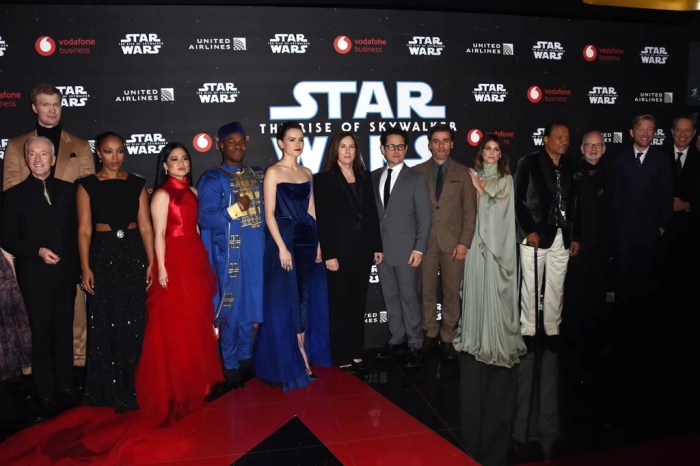
The recent controversy surrounding the Singaporean ban on a kiss scene in Star Wars: The Rise of Skywalker highlights a complex interplay between cultural values, artistic expression, and film distribution. This incident, while seemingly isolated, carries significant potential implications for the future of film production and distribution in Singapore, as well as its global perception. The decision to censor a scene based on cultural sensitivities raises questions about the balance between artistic freedom and societal norms.The ban’s consequences extend beyond the immediate context of the film.
It raises concerns about the future trajectory of film production within Singapore, potentially impacting the type of films that can be released and the creative freedom of filmmakers. The global impact is also significant, potentially shaping the perception of Singapore’s film industry and its willingness to accommodate diverse cinematic expressions.
Potential Long-Term Consequences on Film Distribution
The ban on the kiss scene in Star Wars: The Rise of Skywalker may discourage filmmakers from choosing Singapore as a release location for future projects. The uncertainty surrounding censorship policies could deter film distributors from taking risks on films with potentially controversial scenes, thereby limiting the range of films available to Singaporean audiences. This could lead to a potentially more homogenized and less diverse cinematic landscape.
Impact on Singapore’s Global Film Industry Perception
Singapore’s film industry, while relatively young, has made strides in attracting international productions. However, this incident could negatively affect its image as a welcoming and inclusive environment for filmmakers. International productions may perceive Singapore as a jurisdiction with potentially strict censorship policies, leading to a reluctance to shoot or release films there. This could significantly impact Singapore’s competitiveness in attracting future film productions.
Examples from other countries, like those where specific types of films were not allowed, highlight the importance of balancing censorship and artistic freedom.
Impact on Future Film Productions Considering the Singaporean Market
Filmmakers and producers will likely factor Singapore’s censorship policies into their decision-making process. Future productions might self-censor to avoid potential issues, resulting in films tailored specifically to avoid controversy, rather than embracing a more diverse and nuanced portrayal of themes and narratives. This could result in a diminished creative space and a potential loss of artistic merit.
Examples of Similar Events Impacting Other Countries’ Film Industries
Various countries have faced similar challenges regarding censorship and film distribution. The self-censorship of films due to potential legal or social repercussions in specific territories has led to a homogenization of content. Countries like South Korea, with its unique cultural sensitivities, have often faced pressure to alter film content for domestic audiences. These instances illustrate the complex relationship between artistic freedom and national interests.
Impact on Filmmakers and Producers
The ban may foster a culture of self-censorship among filmmakers. This can lead to a reluctance to explore potentially controversial themes, thus diminishing the creative freedom of filmmakers and the quality of future films. The need to tailor content to appease potentially sensitive audiences might lead to a decline in artistic expression and potentially lead to a loss of cultural diversity in film.
Visual Representation (Illustrative)
The controversial kiss scene in Star Wars: The Rise of Skywalker, which sparked the Singaporean censorship debate, highlights the complex interplay between artistic expression, cultural norms, and societal expectations. Visual language, often subtle yet powerful, can evoke strong emotional responses and shape interpretations. This section delves into the specific scene, compares it to similar portrayals in uncensored films, and explores alternative visual approaches.The scene in question involves a tender, affectionate moment between two characters, portrayed with a degree of intimacy that some found inappropriate for a family-friendly film.
The narrative context, while not explicitly sexual, implied a closeness that, within the Singaporean cultural framework, triggered the censorship response. The emotional impact was intended to portray a specific connection and drive the narrative forward, but the visual interpretation of this connection was a point of contention.
Detailed Description of the Controversial Scene
The scene depicts a close embrace between two characters, characterized by physical contact and emotional vulnerability. The camera lingers on their faces, emphasizing the expressions of love and longing. The lighting and composition subtly heighten the intimacy of the moment, fostering a sense of shared vulnerability and affection. The scene’s emotional impact is meant to resonate with the audience, portraying a significant step in the characters’ relationship, though it may not be explicitly sexual.
Alternative Depictions in Other Films
Many films depict romantic or emotional moments between characters without facing censorship. For example, scenes in films like
- Titanic* or
- The Notebook* show intimate moments, but they do not rely on overt physical contact or extended close-ups. Instead, these films use subtle cues, such as expressions, body language, and shared glances, to convey the depth of the relationship. The narrative focuses on the emotional journey of the characters, allowing the audience to infer the connection without explicit visual representation.
The narrative significance of these moments is distinct from the scene in question, focusing on love, loss, and resilience rather than physical intimacy.
Visual Alternatives for the Controversial Scene
| Artistic Style | Narrative Tone | Visual Alternative |
|---|---|---|
| Realistic | Emotional | The characters could share a meaningful glance, touch hands briefly, or engage in a shared, quiet moment that speaks volumes without resorting to physical intimacy. |
| Symbolic | Poetic | The scene could feature symbolic imagery, such as a shared object or gesture, representing the characters’ connection without physical closeness. |
| Stylized | Subtle | The scene could be framed with a wider shot, focusing on the characters’ emotional expressions rather than explicit physical contact. Soft lighting and muted color palettes could enhance the emotional impact. |
| Abstract | Intense | The scene could be portrayed using abstract visual language, like symbolic gestures, implied touch, or stylized facial expressions, to convey the emotional intensity without graphic displays. |
Manipulating Visual Elements for Censorship Avoidance
Visual elements can be manipulated to affect audience perception without explicitly showing inappropriate content. For instance, a slight shift in camera angle, a subtle change in lighting, or a momentary pause in the action can create a sense of intimacy without explicitly showing the kiss. The use of color, composition, and other visual cues can be strategically employed to create an emotional impact without resorting to graphic imagery.
The goal is to convey the intended emotional message in a way that avoids explicit representation, maintaining the artistic intent while respecting cultural sensitivities.
Importance of Visual Language in Storytelling
Visual language is crucial in conveying emotions and narratives effectively. The choice of framing, camera angles, lighting, and composition all contribute to the emotional impact and narrative interpretation of a scene. A well-crafted visual language can evoke a range of emotions, from joy and sorrow to love and longing, creating a powerful and immersive experience for the audience. This ability to manipulate visual elements is critical for filmmakers to understand and use effectively in conveying stories, especially when addressing potentially sensitive subjects.
Last Word
In conclusion, the Star Wars kiss ban in Singapore highlights a fascinating intersection of cinematic expression, cultural values, and societal norms. The debate surrounding the ban reveals a complex interplay of factors, from the specific scene’s interpretation to Singapore’s unique approach to film censorship. The lasting effects on future film releases and Singapore’s global image remain to be seen.
Ultimately, this case study offers a compelling lens through which to examine the multifaceted nature of film censorship globally.