Jackery Explorer 2000 v2 Review: A Balance of High Capacity, Portability, and Limitations for Modern Power Needs

The portable power station market has experienced a significant surge in demand over recent years, driven by a combination of unreliable public electrical grids, the rise of remote work, and an increasing appetite for off-grid outdoor recreation. Within this competitive landscape, manufacturers are continually challenged to engineer units that strike an optimal balance between massive energy storage capacity and physical portability. Enter the Jackery Explorer 2000 v2, a standalone power station designed to cater to both adventurous outdoor enthusiasts and homeowners seeking a reliable emergency backup during unexpected grid failures.
Positioned as an affordable yet high-capacity solution, the Explorer 2000 v2 enters the market with a robust set of specifications aimed at addressing common pain points associated with portable power. While the unit promises high performance and durability, a comprehensive month-long evaluation reveals a nuanced device that excels in everyday scenarios while exhibiting specific limitations regarding modular expansion and heavy-load concurrency.
Background Context and The Rise of Domestic Power Resilience
The necessity for robust portable power solutions has evolved from a niche requirement for campers and remote tradespeople into a mainstream consumer priority. Infrastructure aging, coupled with extreme weather events driven by climate shifts—ranging from severe windstorms and heavy rainfall to prolonged heatwaves—has rendered localized power outages increasingly frequent, even in regions with historically stable electrical grids.
For remote and rural homeowners, a sudden loss of electricity translates immediately into halted productivity for remote workers, spoiled perishables, and heightened safety concerns. Historically, mitigating these disruptions required noisy, fuel-guzzling gas generators that posed ventilation hazards and required constant maintenance. The modern shift toward lithium-based portable power stations offers a clean, silent, and indoor-safe alternative. Jackery’s introduction of the Explorer 2000 v2 directly targets this demographic, offering a plug-and-play energy reservoir designed to bridge the gap between small power banks and complex, permanently installed home battery systems.
Core Specifications and Technical Capabilities
Understanding the real-world value of the Jackery Explorer 2000 v2 requires examining its technical blueprint. The unit boasts a 2,042 Wh capacity paired with a 2,200W rated output, with a surge peak capability reaching 4,400W. This power profile enables the unit to run nearly any standard household or job-site appliance, from refrigerators and microwaves to electric saws and coffee makers.
In practical terms, a 2,042 Wh capacity can sustain a standard laptop and a Wi-Fi router for approximately 20 hours, maintain a small electric camping fridge for roughly two days, or power a high-velocity industrial fan for around 14 hours. However, users must remain mindful of concurrent high-draw appliances; running two heavy heat-producing devices simultaneously, such as an air fryer and a hot plate, may exceed the unit’s operational thresholds.
Weighing in at 36.6 lbs (17.5 kg) and measuring 13.2 x 10.4 x 11.5 inches (33.5 x 26.4 x 29.2 cm), the Explorer 2000 v2 is roughly 30% lighter than comparable 2 kWh units from previous generations. This reduction in weight enhances its physical transportability, making it manageable for most adults to move between a home office, a vehicle trunk, and a campsite.
Furthermore, the unit utilizes advanced battery chemistry rated for 4,000 charge cycles before degrading to 70% of its original capacity. This lifespan suggests over a decade of daily utilization, representing a notable durability improvement over older lithium-ion models. Input capabilities include a standard AC input capable of charging the unit from empty to 80% in slightly over an hour, alongside a maximum 400W solar input that allows for a full recharge via compatible photovoltaic panels in approximately six hours under direct sunlight.
Chronology of Real-World Testing and Performance Evaluation
To evaluate the claims made by the manufacturer, the Explorer 2000 v2 was subjected to a month-long testing phase encompassing unboxing, domestic emergency response, and field deployment.
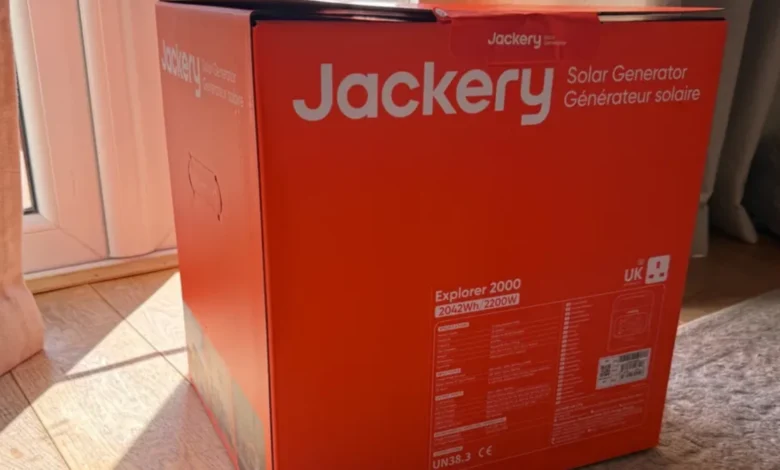
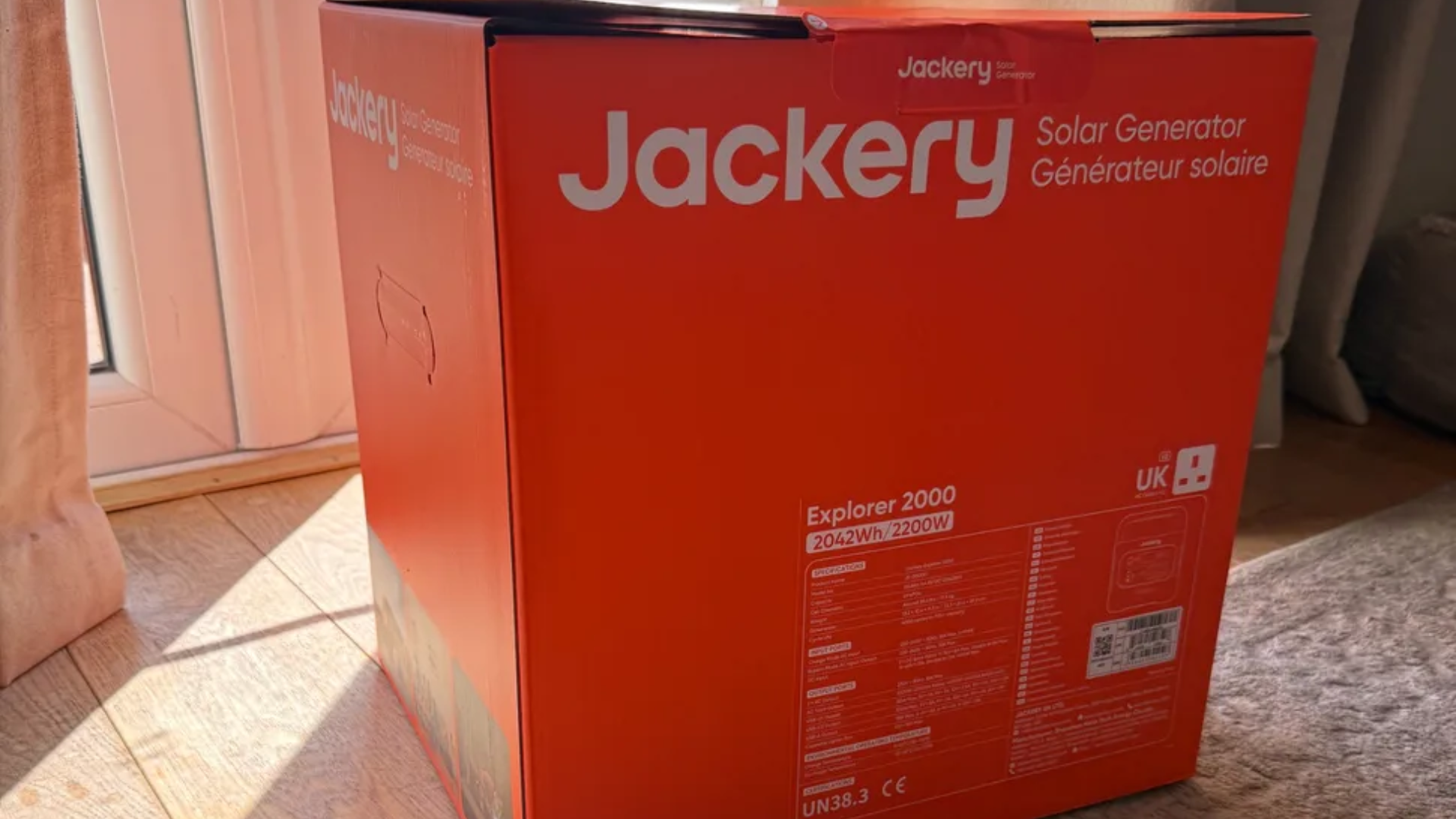
Upon unboxing, the unit arrived encased in layers of premium packaging, including multiple protective boxes and a soft cloth bag. While the extensive packaging initially prompted questions regarding the unit’s actual ruggedness, subsequent handling proved the hardware’s resilience. Notably, the Explorer 2000 v2 has successfully passed the IEC60068-3-3 seismic test, certifying its structural durability against severe vibrations and simulated earthquakes up to a magnitude 9. During the evaluation period, the unit withstood accidental impacts, including a fall from a vehicle boot, without sustaining functional or cosmetic damage.
The first operational test materialized unexpectedly during a daytime power outage caused by fallen tree limbs on local power lines following a prolonged dry spell. Transported directly to a home office, the unit initially failed to deliver power to a connected laptop until the specific output source was manually activated via the control panel—a minor learning curve highlighting the importance of familiarizing oneself with the device interface. Once activated, the power station seamlessly maintained workstation operations for three hours, entirely eliminating the anxiety and productivity losses typical of previous grid failures.
A secondary evaluation occurred during a weekend camping trip amidst high ambient temperatures. Transported approximately 300 meters from a parking area to a campsite, the power station’s weight proved manageable. Positioned within the tent porch, the unit reliably operated a large electric fan throughout the night while simultaneously replenishing smartphone batteries via its integrated USB-C ports.
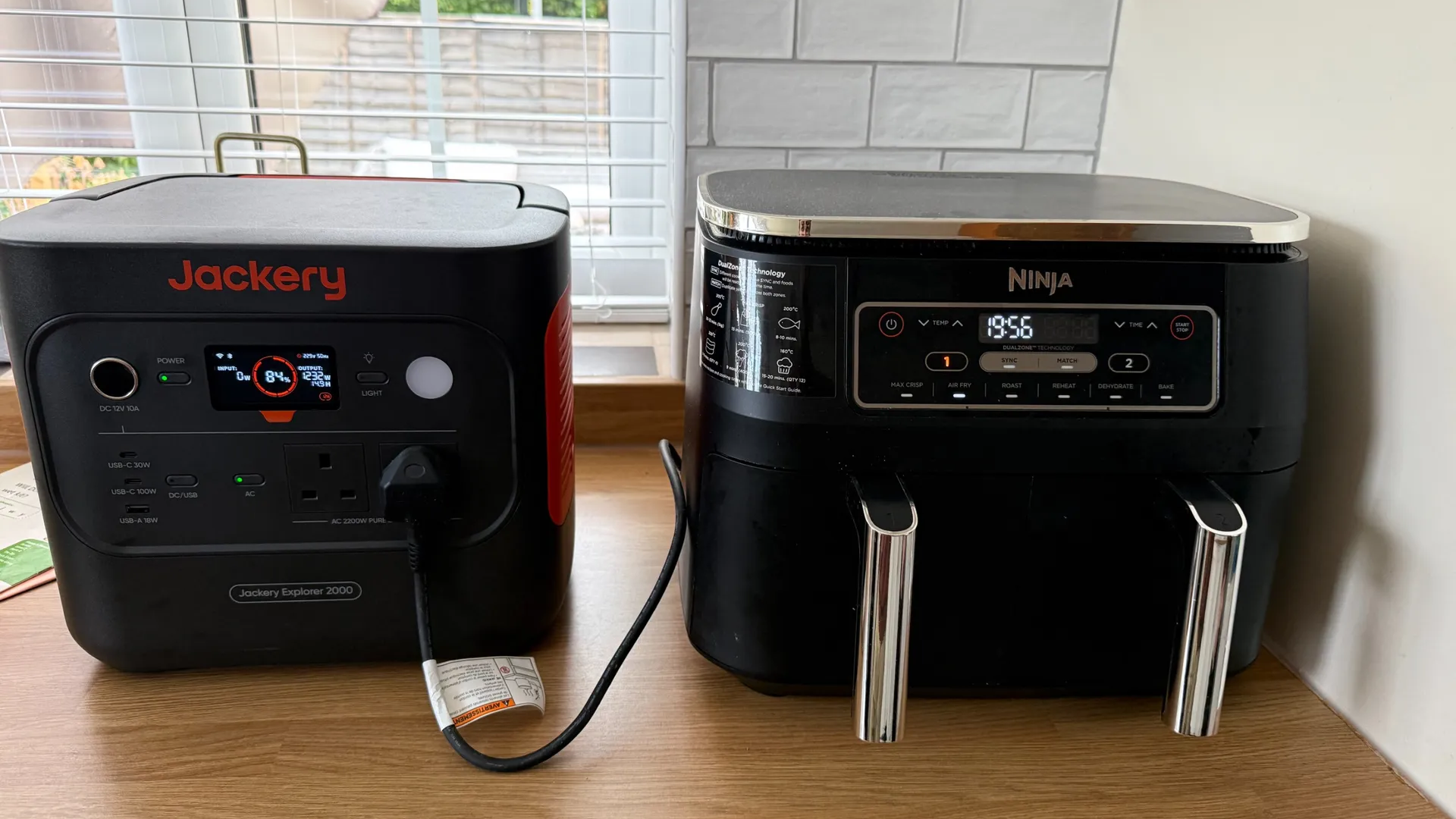
A final stress test involved an unexpected grid failure occurring midway through food preparation. By connecting a household air fryer directly to the Explorer 2000 v2, the unit successfully completed a 25-minute cooking cycle while depleting its total charge by only 20%. This demonstrated its viability as an emergency domestic support tool for high-draw kitchen appliances.
Software Integration via the Jackery App
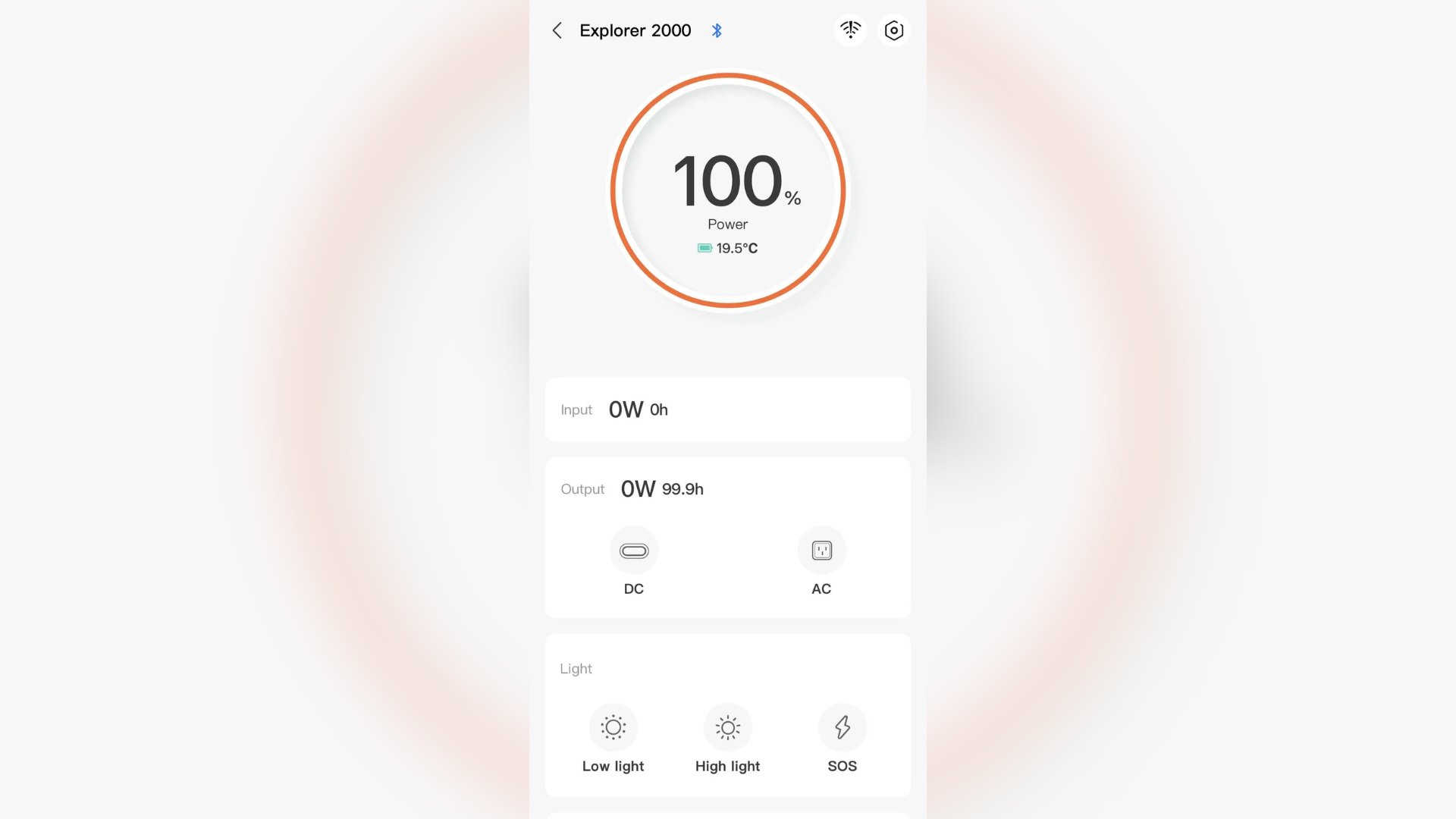
Modern portable power stations increasingly rely on companion software to enhance user oversight, and the Jackery Explorer 2000 v2 is no exception. Pairing the device with the Jackery mobile app provides remote management capabilities over local Wi-Fi or Bluetooth networks.
The application dashboard delivers real-time telemetry, displaying metrics such as overall charge percentage, internal temperature, and current electrical input and output rates. Users can remotely toggle AC and DC outputs, adjust display backlighting durations, and configure advanced parameters such as emergency charging modes, battery-saving protocols, and automated shut-off timers.
Additionally, the app allows users to switch between fast-charging and quiet-charging profiles. While fast charging initiates rapid power replenishment, acoustic testing revealed that the unit operates at a remarkably low noise floor even under maximum charging velocity, making the quiet-charging setting largely optional unless deployed immediately adjacent to a sleeping area. While the software offers robust diagnostic tools, its utility is primarily informational for a standalone unit, as physical access to the device remains straightforward.
Comparative Analysis: Advantages and Limitations
While the Jackery Explorer 2000 v2 delivers impressive performance within its designated parameters, an objective market analysis reveals distinct boundaries that prospective buyers must consider.
Key Advantages:
- High Power Density: Delivers robust 2,200W output and 2,042 Wh capacity in a chassis roughly 30% lighter than industry predecessors.
- Durability: Rigorously tested against severe seismic vibrations and physical impacts, ensuring long-term hardware reliability.
- Rapid Recharge Speeds: Capable of achieving an 80% charge in just over an hour via standard AC grid input.
- Longevity: Rated for 4,000 charge cycles to 70% capacity, translating to over a decade of anticipated operational life.
Identified Limitations:
- Lack of Modularity: Unlike modular power stations that allow users to daisy-chain additional battery packs as energy needs grow, the Explorer 2000 v2 is a closed ecosystem. Consumers whose power demands scale upward over time cannot expand this unit and must eventually purchase a higher-capacity system, such as the Jackery Explorer 3000 v2.
- Solar Charging Constraints: While supporting up to 400W of solar input, competing units in the same class frequently offer higher photovoltaic intake capabilities for faster off-grid regeneration. Furthermore, compatible solar panels are sold separately, despite marketing terminology labeling the device as part of a "Solar Generator" kit ecosystem.
- Port Availability: Heavy users managing numerous peripheral devices simultaneously may find the port selection—consisting of two AC outlets, one 100W USB-C PD port, one 30W USB-C port, one 18W USB-A port, and a 12V car port—slightly restrictive compared to heavily populated competitor interfaces.
Broader Market Implications and Industry Outlook
The reception and performance profile of the Jackery Explorer 2000 v2 reflect broader trends in the consumer energy storage sector. As lithium iron phosphate (LiFePO4) technology matures, manufacturers are increasingly prioritizing cycle life, weight reduction, and rapid charging speeds over raw capacity accumulation.
For the average consumer, appliances like the Explorer 2000 v2 represent a practical compromise between utility and financial investment. They provide sufficient overhead to manage standard domestic emergencies and recreational excursions without requiring the professional installation or high capital expenditure associated with whole-home backup generators.
However, the lack of modularity highlighted in this evaluation underscores a strategic choice by manufacturers: offering streamlined, single-unit reliability at a lower price point at the expense of future-proofing. Consumers anticipating growing energy demands—such as the future integration of electric vehicle emergency top-offs or whole-house circuit integration—may view this limitation as a decisive factor, steering them toward expandable modular architectures.
Conclusion
The Jackery Explorer 2000 v2 successfully establishes itself as a reliable, rugged, and highly portable power station capable of managing standard domestic emergencies, remote work requirements, and outdoor recreational demands. Its balanced combination of a lightweight chassis, high cycle lifespan, and intuitive operation makes it an appealing asset for users seeking dependable backup power without the complexity of modular systems. Nevertheless, buyers with extensive power requirements, those prioritizing rapid off-grid solar replenishment, or individuals seeking scalable infrastructure should carefully weigh its fixed capacity and limited port array against their long-term energy goals.