Apple Enters the Foldable Market with the iPhone Duo, Sparking Online Banter from Rivals Duolingo and Samsung

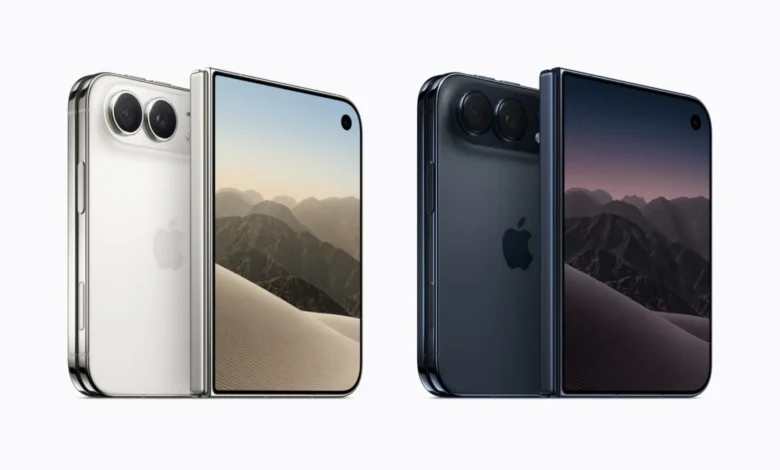
Apple Inc. officially unveiled its long-awaited entry into the foldable smartphone market during its annual autumn product showcase, introducing the iPhone Duo as the keynote’s culminating "one more thing" announcement. The device marks a significant strategic shift for the Cupertino-based technology giant, which has spent years observing competitors iterate and refine foldable form factors. As the dust settled on Apple’s presentation, the announcement immediately triggered widespread industry commentary, highlighted by opportunistic and humorous public responses from prominent brands, including language-learning platform Duolingo and longtime Android heavyweight Samsung.
The launch event, held at Apple Park in Cupertino, California, drew intense global scrutiny from consumers, analysts, and rival manufacturers alike. For years, rumors and leaked patent applications had fueled endless speculation regarding when, rather than if, Apple would introduce a flexible-display device. With the official confirmation of the iPhone Duo, Apple has formally validated a hardware category pioneered years ago by Android original equipment manufacturers (OEMs). However, the entrance of the iPhone market leader into the foldable space has instantly reshaped the competitive landscape of mobile communications.
Anatomy of the iPhone Duo: Specifications and Hardware Architecture
The iPhone Duo introduces a dual-screen configuration designed to bridge the gap between traditional smartphones and compact tablets. According to official specifications revealed during the keynote, the device features a generous 7.6-inch inner flexible OLED display, complemented by a 5.4-inch outer cover screen for traditional, single-handed interactions.
In terms of physical dimensions, Apple has engineered the chassis to measure a slender 5.3 millimeters in thickness when fully unfolded. However, engineering trade-offs regarding durability and battery capacity have resulted in a physical weight of 254 grams. This makes the iPhone Duo noticeably heavier than several of its established Android competitors. For context, the device weighs approximately 53 grams more than Samsung’s Galaxy Z Fold 8 and also sits slightly heavier than Google’s Pixel 11 Pro Fold.
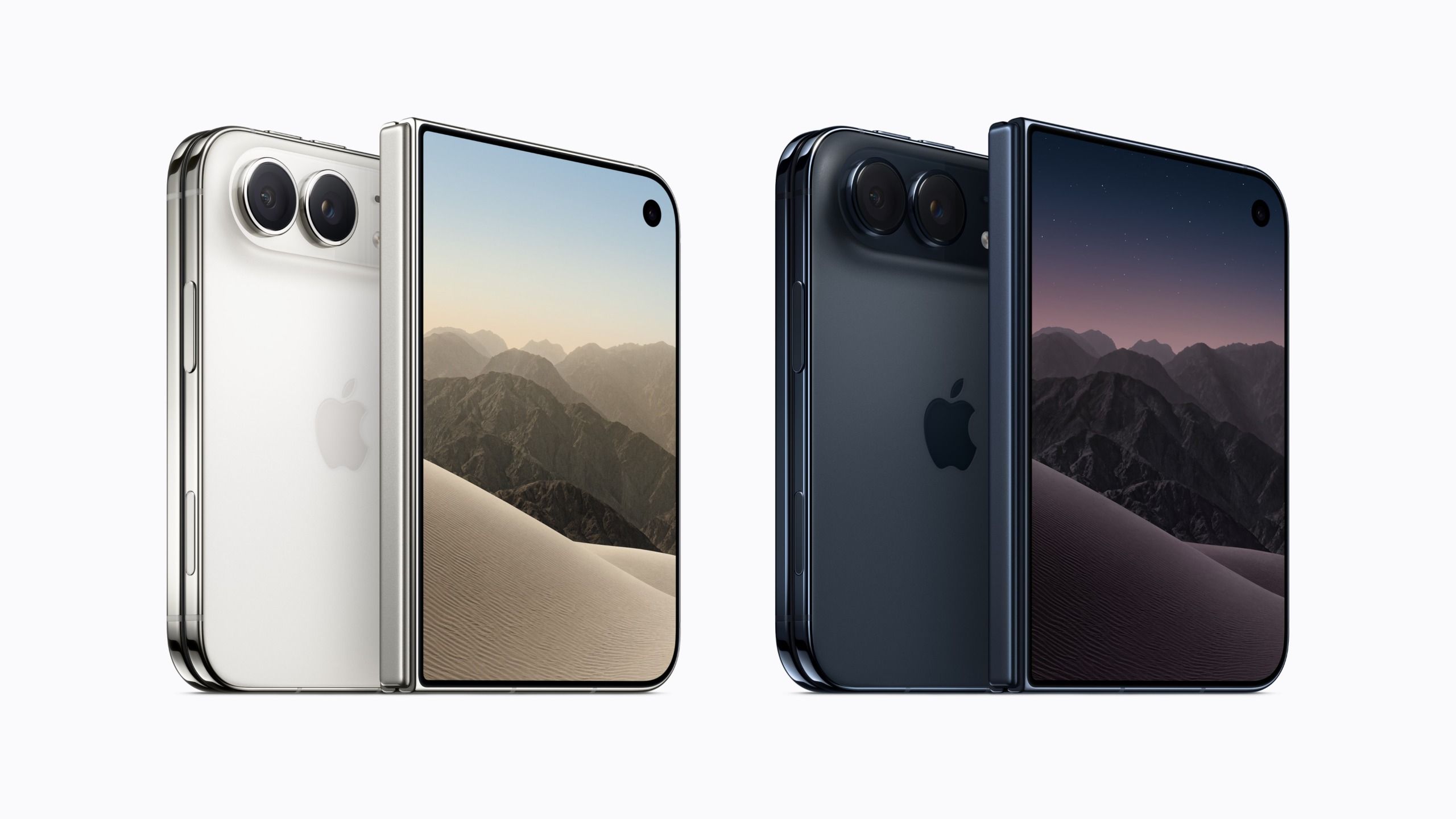
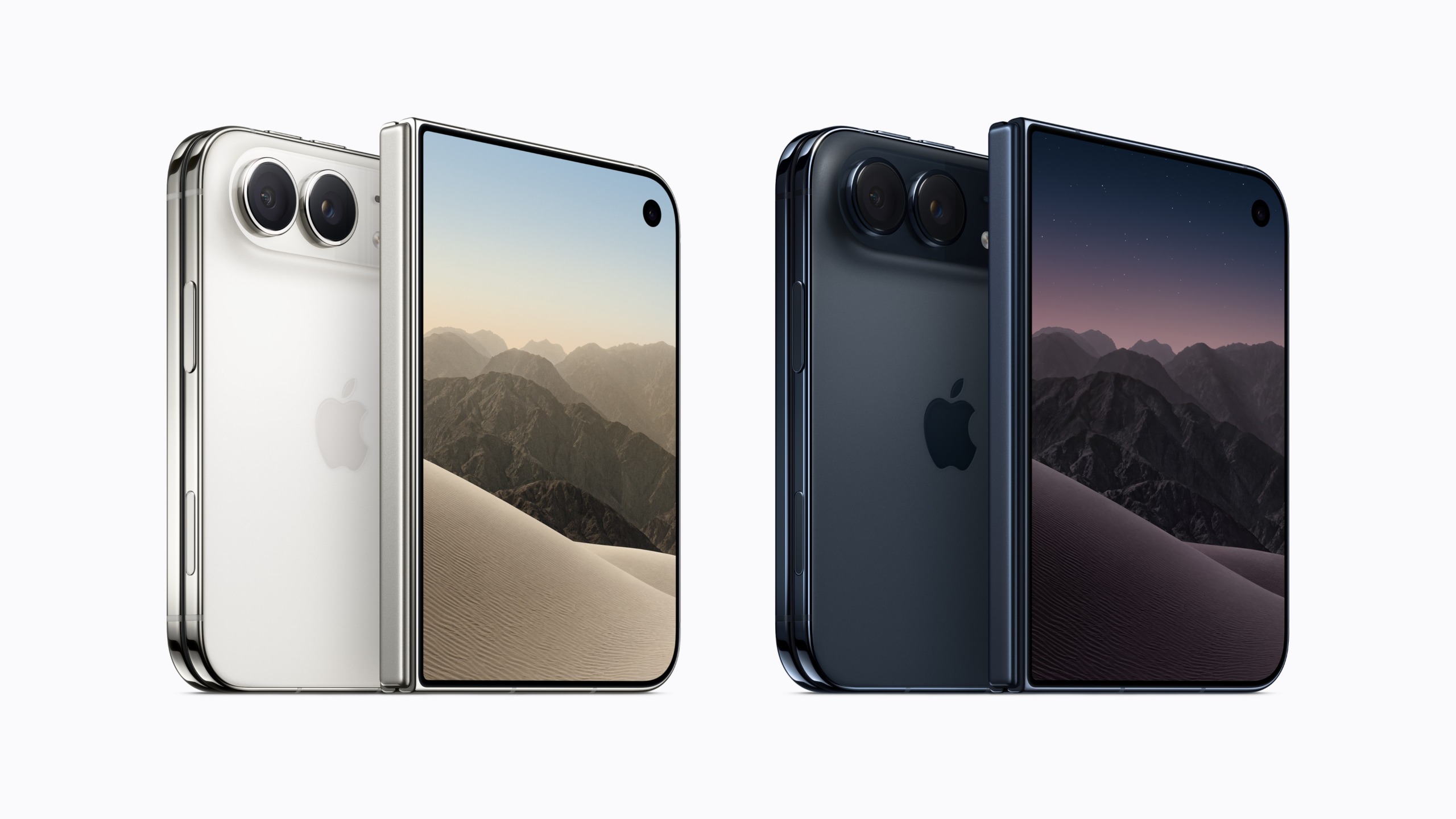
To accommodate the unique unfolding form factor, Apple engineers implemented targeted software adaptations within iOS. Key navigational elements and system controls remain consistently anchored in a vertical orientation on the right side of the inner display, optimizing usability when the device is expanded. Furthermore, native and third-party applications dynamically reformat their layouts depending on whether the device is held in portrait or landscape orientation. At launch, the iPhone Duo will be offered in two minimalist color finishes: Star White and Night Sky.
Pricing and Availability Timeline
Apple has positioned the iPhone Duo at the absolute pinnacle of its mobile product portfolio, establishing a base manufacturer’s suggested retail price (MSRP) of $1,999. The high price tag aligns the device with the ultra-premium tier of the foldable market, directly targeting enterprise users, early adopters, and affluent brand loyalists.
The commercial rollout is scheduled to follow a traditional Apple release cadence:
- September 9: Official product announcement during the Apple keynote event.
- October 16: Global pre-orders commence across Apple retail channels and authorized carrier partners.
- October 23: Official in-store availability and initial customer shipments begin worldwide.
Corporate Humor and Brand Rivalries: Duolingo and Samsung Weigh In
The unveiling of a radically new hardware form factor from Apple inevitably invited public reactions from corporate social media accounts, setting off a wave of viral marketing and cross-brand banter.
Duolingo, known for its unhinged and self-aware social media presence, was among the first entities to react. Within minutes of the keynote’s conclusion, the official Duolingo account posted a provocative and widely shared remark on X (formerly Twitter) stating, "They named a phone after me and made it bend over." The viral post was quickly tempered by a more brand-aligned follow-up message highlighting the functional benefits of the larger display, suggesting that the expanded screen real estate would provide users with more immersive space to complete daily language lessons. Duolingo even leaned further into the joke by sharing a satirical image bearing the caption, "We infringed upon."
Meanwhile, Samsung Mobile—a veteran player in the foldable ecosystem that has spent years refining devices like the Galaxy Z Fold series—coordinated a sustained wave of commentary throughout the duration of Apple’s presentation. Samsung utilized its official United States channels to issue a series of pointed critiques and solidarity posts directed at both Apple and Duolingo.
Early in the event, Samsung posted, "So far, so same," signaling a critique of what it perceived as incremental design updates in Apple’s broader ecosystem. As the presentation shifted toward accessories, Samsung added fuel to the fire with the post: "Accessories? It’s giving condiments and no food. #ItsTimeToSwitch."
Addressing Apple’s delayed entry into the foldable arena, Samsung published a direct jab: "Making us wait? Fine. We’ll be over here, folding 3 ways." The South Korean manufacturer also poked fun at Apple’s software features, specifically criticizing the iPhone Duo’s bedside clock mode by comparing it unfavorably to the cinematic time loop of the film Groundhog Day. Finally, in a moment of cross-industry camaraderie, Samsung directly replied to Duolingo’s initial post with the empathetic remark: "I’m so sorry, Duolingo. They copied us too."
Broader Market Implications and Industry Analysis
Apple’s entry into the foldable segment carries profound implications for the broader smartphone industry. Historically, when Apple enters a nascent or established product category—such as smartwatches, tablet computers, or wireless earbuds—it frequently validates the technology for mainstream consumers, driving exponential market growth and accelerating component supply chain maturation.
For years, Android manufacturers have carried the burden of consumer education regarding foldables, grappling with consumer concerns over crease visibility, hinge durability, and software optimization for square-aspect-ratio displays. While Android OEMs currently maintain a lead in hardware refinement—demonstrated by lighter chassis designs and advanced multi-hinge technologies—Apple’s brand equity and vast developer ecosystem could rapidly shift consumer perceptions.
Industry analysts note that while the $1,999 starting price point restricts the iPhone Duo to a niche demographic of luxury consumers, the device establishes a permanent baseline for Apple’s future hardware roadmap. As component costs decrease and manufacturing techniques improve in subsequent generations, the lessons learned from the iPhone Duo will likely trickle down to more accessible price points.
Ultimately, the commercial success of the iPhone Duo will not be determined by launch-day social media banter or early specification comparisons, but by real-world durability, battery endurance, and software stability. As pre-orders open on October 16, the global technology market will watch closely to see whether Apple’s delayed arrival can successfully redefine consumer expectations for the foldable smartphone era.