The Evolving Essential: Why High-Quality Webcams Are Crucial in Today’s Remote Work and Digital Content Landscape

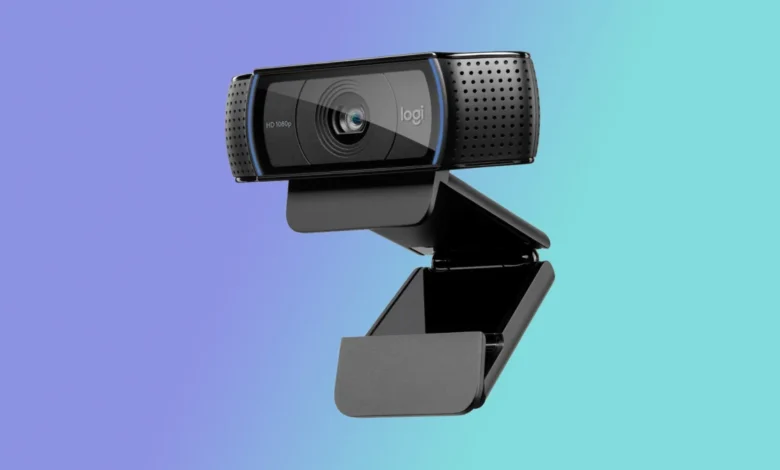
In an era increasingly defined by virtual interactions, the humble webcam has transitioned from a peripheral convenience to an indispensable component of any modern home office or digital content creation setup. The proliferation of remote work, online education, and the booming creator economy has underscored a critical deficiency in standard laptop hardware: the inadequacy of integrated webcams. Unless one intends to conduct all virtual engagements at an arm’s length or with the aid of a selfie stick, an external webcam delivering superior audio and visual fidelity is no longer a luxury but a fundamental necessity for effective digital communication.
The Paradigm Shift: Remote Work and Digital Content
The global events of recent years catalyzed an unprecedented acceleration in the adoption of remote work models and the growth of online content platforms. As millions transitioned from physical offices to home environments, the demand for reliable and high-quality video conferencing tools skyrocketed. Platforms like Zoom, Microsoft Teams, and Google Meet became daily staples, and with them, the visual representation of individuals took on new importance. Simultaneously, the streaming industry, encompassing everything from gaming to educational tutorials and lifestyle vlogs, continued its meteoric rise, demanding professional-grade visual capture from creators operating largely from their personal spaces.
This seismic shift highlighted a glaring disparity: while laptops evolved rapidly in processing power, battery life, and display technology, their integrated webcams often remained an afterthought. OEMs, focused on sleek designs and thin bezels, typically incorporated compact, low-resolution sensors that struggled in anything less than perfect lighting conditions. The result was often grainy, dimly lit, and unflattering video feeds that undermined professional presence and content quality. Even premium devices, with notable exceptions like the 16-inch MacBook Pro M4 Pro’s 12MP Center Stage camera, generally failed to deliver impressive camera performance as standard. This collective experience quickly established the external webcam as a crucial upgrade for anyone serious about their online presence.
The Inadequacy of Integrated Webcams
The limitations of built-in laptop webcams are multifaceted. Typically featuring small sensors and fixed-focus lenses, they often capture images at resolutions rarely exceeding 720p or, at best, 1080p, often at a mere 15 to 20 frames per second (fps). This low specification leads to pixelated video, especially when scaled up on larger displays. Furthermore, their inherent design constraints mean they struggle immensely in suboptimal lighting. Noise, blur, and poor color reproduction become common, projecting an unprofessional image. The narrow field of view (FOV) of most integrated cameras also restricts flexibility, making it difficult to include multiple participants or showcase a broader environment without distortion or cropping. This contrasts sharply with the demands of modern virtual collaboration, where clarity, professional presentation, and adaptability are paramount.
Key Technological Advancements in External Webcams
The external webcam market has responded vigorously to these demands, pushing innovation in several key areas to deliver a markedly superior experience.
-
Resolution and Frame Rate: Modern external webcams commonly offer Full HD (1920 x 1080p) resolution at a smooth 30 or even 60 frames per second, ensuring crisp, fluid video. High-end models have embraced 4K (3840 x 2160p) resolution, providing incredible detail for professional presentations, high-fidelity streaming, and future-proofing. While 4K at 30fps is sufficient for most video calls, 60fps at 1080p or 4K offers a visibly smoother motion, crucial for dynamic content creators.
-
Sensor Technology: A significant leap has been made in sensor quality. Many advanced webcams now incorporate larger image sensors, such as Sony STARVIS CMOS technology, typically found in higher-end photography equipment. These larger sensors can capture more light, dramatically improving performance in low-light conditions and enhancing dynamic range (HDR) to balance bright and dark areas within the frame. This ensures a clearer, more vibrant image regardless of ambient lighting.
-
Autofocus and Lenses: Precision autofocus systems are standard, ensuring subjects remain sharp even with slight movement. Wide-angle lenses, often offering a 78-degree field of view or more, comfortably accommodate multiple individuals or provide a broader context, ideal for group meetings or interactive presentations. Some models even allow for adjustable fields of view, catering to individual preferences.
-
Audio Enhancement: Beyond visual fidelity, audio quality is equally crucial. External webcams often integrate advanced microphone arrays, including dual-stereo mics or beamforming microphones, designed to capture clear voice audio while actively suppressing background noise. Noise-canceling technologies further refine the sound, ensuring that the speaker’s voice is prominent and free from distractions.
-
AI-Powered Features: A cutting-edge development is the integration of Artificial Intelligence. AI tracking, often facilitated by motorized gimbals, allows the camera to automatically follow a speaker as they move within the frame, ensuring they remain centered and in focus. Features like auto-framing, whiteboard recognition (which intelligently crops and enhances a whiteboard for viewers), and "DeskView" modes (which reorient the camera to show a desktop setup for hands-on demonstrations) are transforming how professionals interact and present online.
-
Privacy and Design: Recognizing growing concerns about digital privacy, many external webcams now include physical privacy shutters. These integrated covers provide a tangible assurance against unauthorized access, a valuable feature for home office users. Designs range from compact, travel-friendly clip-on models to more robust, feature-rich units for dedicated setups.
Navigating the Webcam Market: Top Performers and Their Niches
The diverse market offers a range of options, each excelling in specific use cases, reflecting the varied needs of today’s digital users.
-
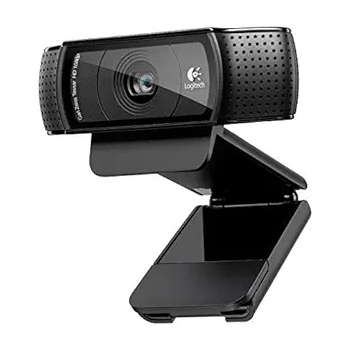
The Ubiquitous All-Rounder: Logitech HD Webcam C920
For many years, the Logitech HD Webcam C920 has set the benchmark for affordable, high-quality video conferencing. Priced typically under $100, its 1080p resolution at 30fps delivers sharp, color-accurate, and crystal-clear images that significantly outperform most integrated laptop cameras. Its 78-degree field of view is wide enough for a small group, making it an excellent choice for general meetings and video calls. Despite its age, its enduring popularity and value proposition make it a perennial favorite for those seeking a reliable and budget-friendly upgrade. The accompanying software, while sometimes considered underwhelming compared to premium offerings, still provides useful features like filters and angle adjustments.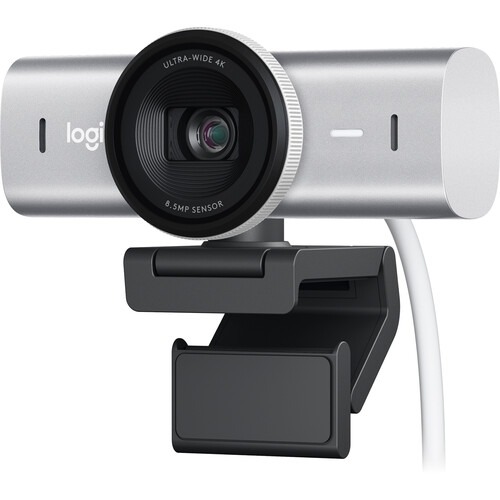
-
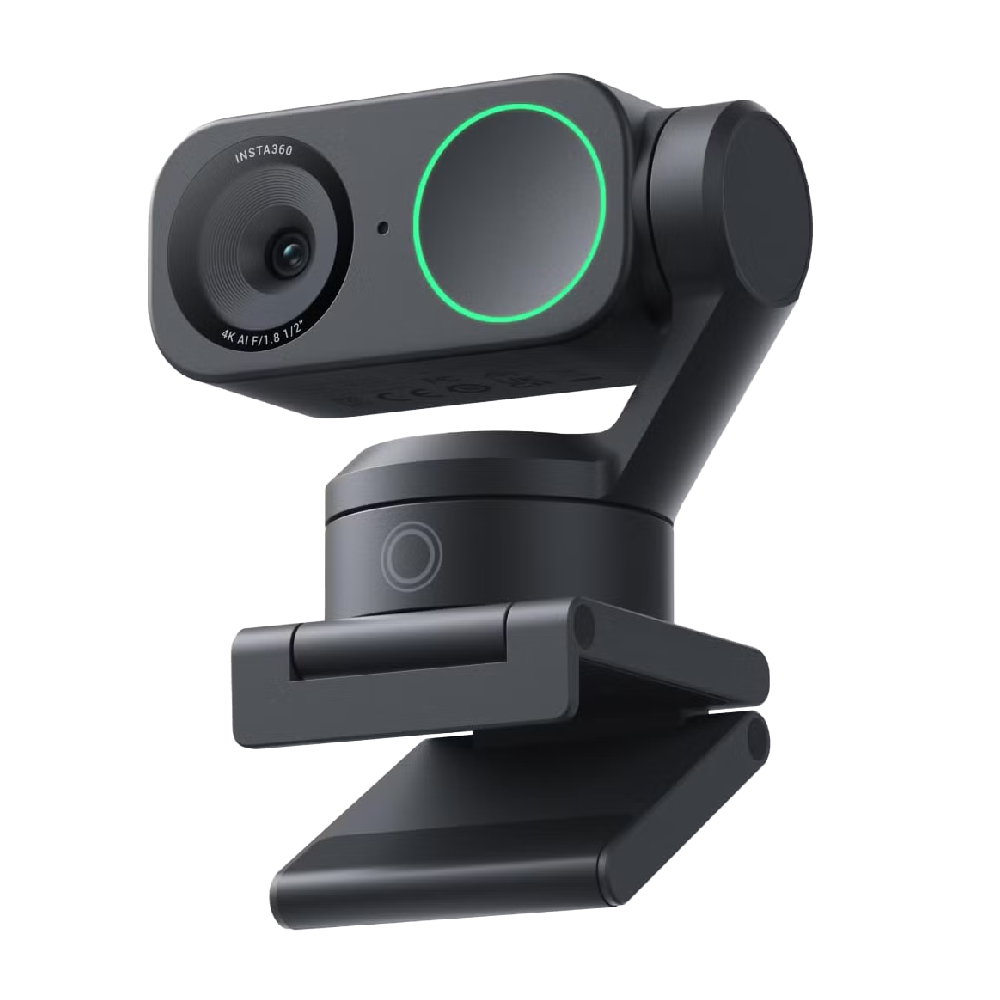
Professional Grade and AI Integration: Insta360 Link 2
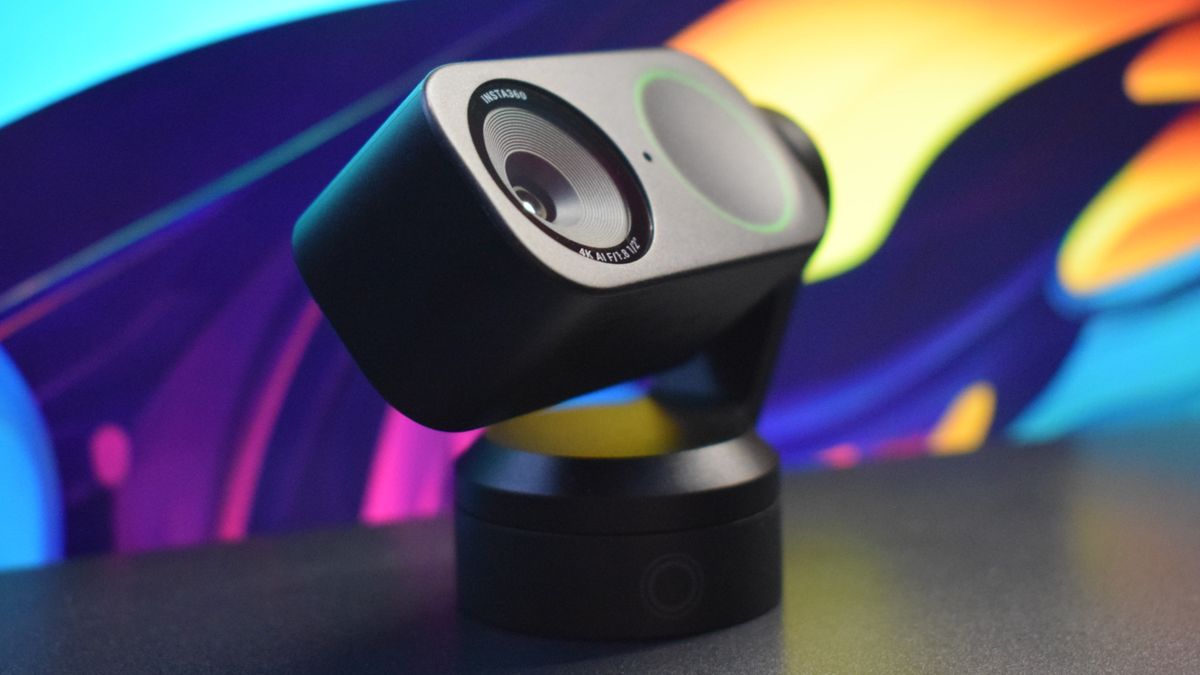
Stepping into the premium segment, the Insta360 Link 2 offers a compelling blend of 4K capture and advanced AI capabilities, making it ideal for content creators and professional presenters. Its standout feature is a unique dual-axis gimbal design, allowing the camera to pan and tilt autonomously. This, combined with responsive and accurate AI tracking, ensures the speaker is always perfectly framed and in focus, even when moving. Specialized modes, such as the ability to snap focus on and crop whiteboards or pivot to a "DeskView" for technical demonstrations, elevate its utility. An improved 1/2-inch sensor contributes to excellent low-light performance, producing richly detailed and crisp images comparable to some DSLR alternatives, especially when paired with a good lighting setup. While its audio quality is noted as middling, the visual prowess makes it a powerful tool for production-level results. -
Portability Meets Performance: Opal Tadpole
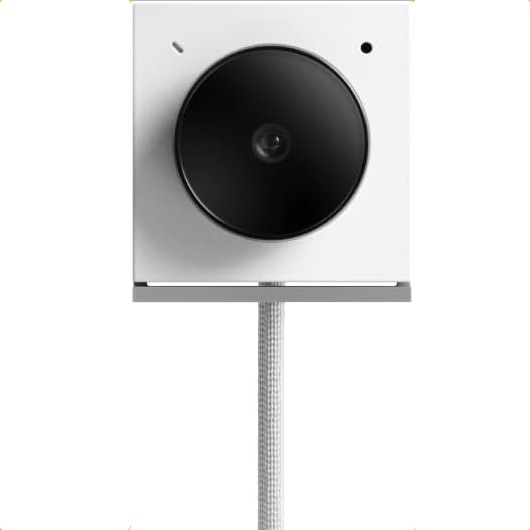
For the mobile professional, the Opal Tadpole presents an innovative solution to the perennial problem of poor laptop webcams without sacrificing portability. This diminutive 4K clip-on webcam delivers stellar video quality in a form factor reminiscent of the old iPod Shuffle. Its tiny size (1.4 x 1.8 x 0.8 inches) ensures it’s virtually unnoticeable in a laptop bag, yet it offers sharp, vivid 4K images at 30fps. The Tadpole particularly shines in low-light and HDR quality and offers plug-and-play simplicity on both macOS and Windows via its built-in USB-C cable. While its full companion app is currently macOS-only and its directional mic can be finicky, its unmatched portability combined with impressive visual fidelity makes it the go-to choice for frequent travelers. -
Mid-Range Value with Enhanced Imaging: Anker PowerConf C200
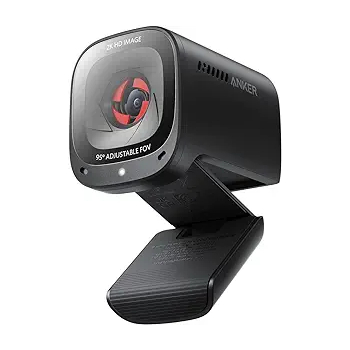
The Anker PowerConf C200 carves out a strong niche in the midrange, offering exceptional value at approximately $70. This webcam provides 2K (2560 x 1440p) resolution at 60fps, delivering high-quality images and video that rival more expensive alternatives. Its robust build quality, fast autofocus, and outstanding low-light performance make it a cure for dimly lit office environments. A notable feature for home office users is the integrated physical privacy shutter, providing peace of mind. While its noise-canceling feature can occasionally lead to choppy, digitized audio, the overall visual performance for its price point is a compelling proposition for those seeking a significant upgrade without breaking the bank.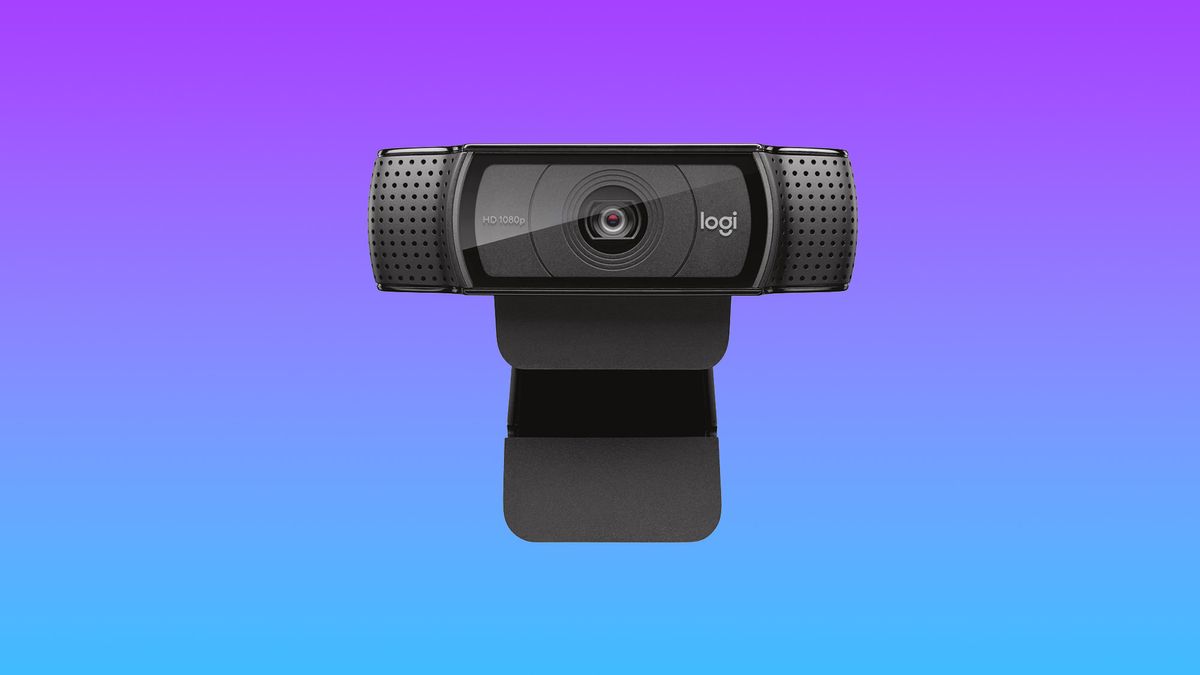
-
Uncompromising 4K Fidelity: Logitech MX Brio 4K
For users whose top priority is uncompromising 4K image quality, the Logitech MX Brio 4K stands out. Priced around $200, this premium webcam leverages a large 8.5MP Sony STARVIS CMOS sensor to produce exceptionally sharp video and stills with bright, vivid colors. This advanced sensor ensures excellent image quality not only in ideal lighting but also holds up significantly better in less-than-perfect conditions compared to many competitors. It includes a privacy shutter and a sturdy build. While its AI tracking, though capable, may not be as dynamic as the Insta360 Link 2 for complex movements, and its dual beamforming mic could be improved, the MX Brio’s raw 4K resolution and superior sensor make it a top choice for professionals and streamers demanding the highest visual clarity, including its "Show Mode" for desk presentations.
Broader Implications and Future Outlook
The evolution of webcams extends beyond mere product specifications; it reflects a fundamental shift in how we work, learn, and connect. High-quality webcams facilitate more engaging virtual collaboration, fostering better communication and understanding in remote and hybrid workforces. For online educators, they enable clearer instruction and a more personal connection with students. In the content creation sphere, they democratize access to professional-level video production, lowering the barrier for entry for aspiring streamers and YouTubers.
Looking ahead, the webcam market is likely to continue innovating. We can anticipate further advancements in AI integration, leading to even more sophisticated tracking, framing, and content-aware features. Miniaturization will likely continue, making powerful cameras even more portable. Integration with broader smart home ecosystems and enhanced security features could also become standard. As virtual reality and augmented reality technologies mature, webcams may evolve to capture more nuanced spatial data, further blurring the lines between physical and digital presence.
Ultimately, investing in a quality external webcam is an investment in one’s digital persona and professional effectiveness. In a world where visual communication is increasingly paramount, selecting the right webcam is no longer a peripheral decision but a strategic one, ensuring clarity, presence, and impact in every virtual interaction.