The Sony FX5 Unveiled: A New Era for Cinema Line Cameras with Open Gate and Internal RAW

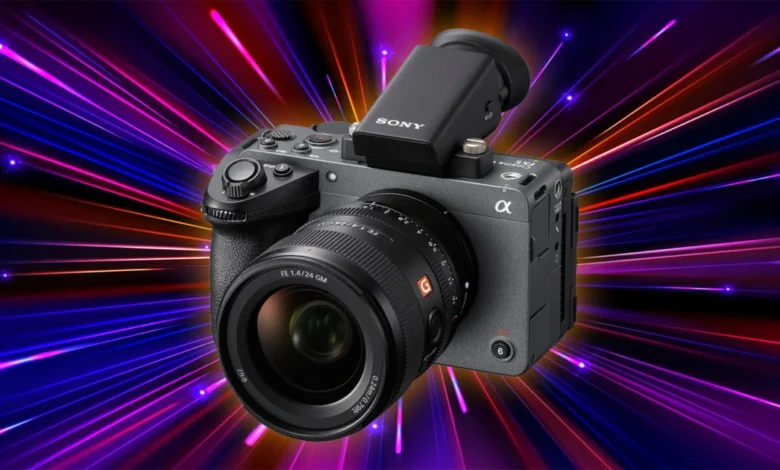
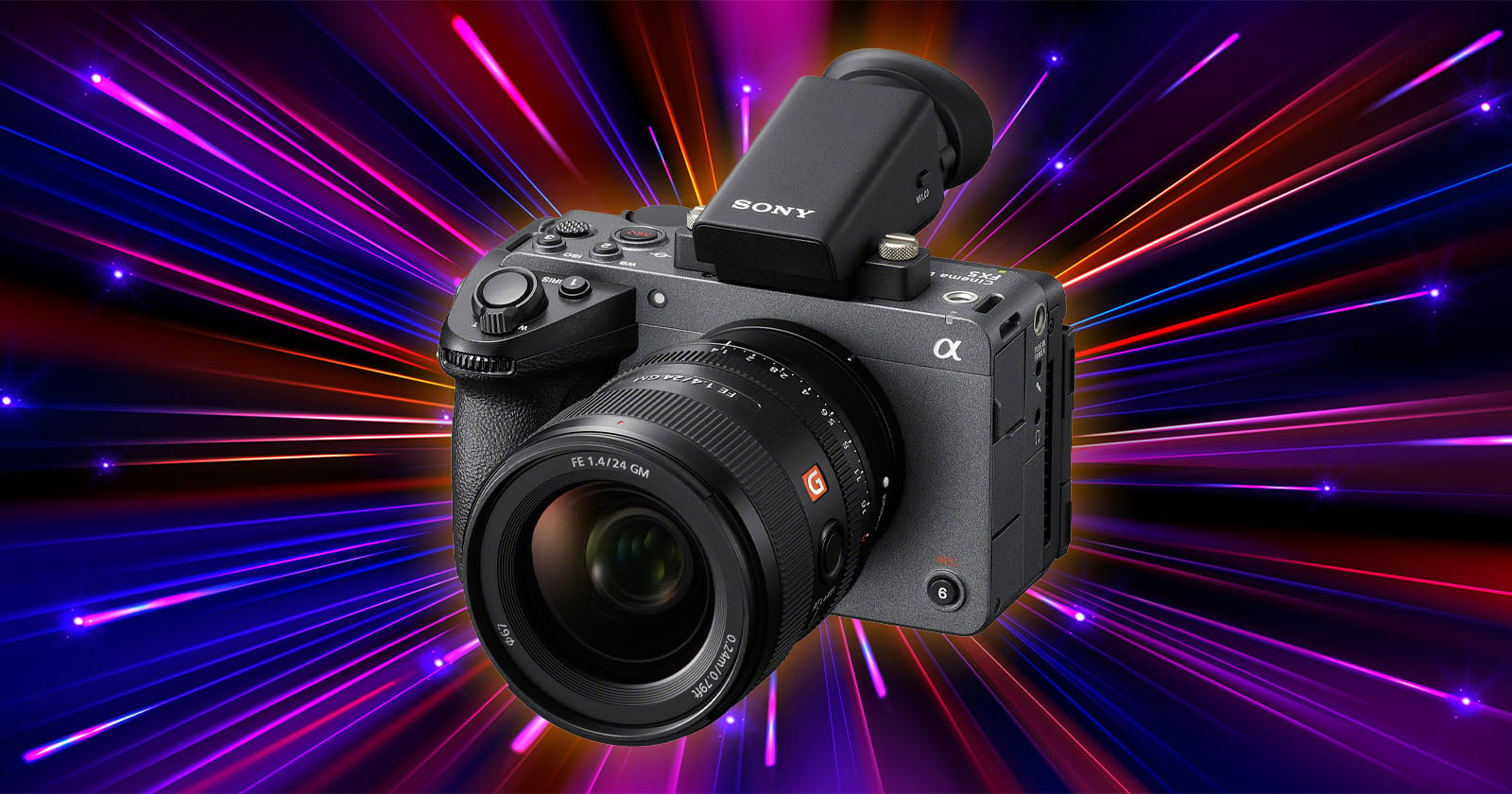
The highly anticipated Sony FX5 has officially been unveiled, marking a significant evolutionary leap for Sony’s esteemed FX Series cinema cameras. This release addresses long-standing demands from a discerning professional user base, signaling a renewed commitment from Sony to innovation and feature-rich filmmaking tools. The FX5 is not merely an iterative update; it represents a strategic expansion of Sony’s offerings, carving out a distinct product segment that aims to satisfy a broader spectrum of professional needs while pushing the boundaries of what’s achievable in a compact, cinema-focused form factor.
For a considerable period, feedback from filmmakers and camera operators regarding Sony’s FX line has highlighted a perceived stagnation in core advancements. While the company has consistently produced reliable and capable cameras, the absence of key features such as Open Gate recording, internal RAW video capture, and more flexible resolution options has been a recurring point of contention. This has led some to question Sony’s responsiveness to user feedback, despite the inherent complexities of product development, which involves extensive research, engineering, and balancing of competing priorities such as performance, cost, and market positioning. The extended development cycles for new camera models mean that improvements, however significant, are the culmination of years of work, often involving parallel advancements in sensor technology, processing power, and internal architecture. Sony, like many manufacturers, maintains a guarded approach to product development, preferring to announce innovations only when they are production-ready, a strategy that can sometimes create a perception of slow progress from the outside.
However, the Sony FX5 appears to be a direct response to these criticisms, introducing a suite of features that have been conspicuously absent from its predecessors. The camera boasts a newly developed 16.6-megapixel image sensor, complemented by Sony’s latest Bionz XR2 processor. This powerful combination underpins the camera’s enhanced capabilities, including the highly sought-after Open Gate recording and the groundbreaking inclusion of 16-bit internal RAW video capture. Furthermore, the FX5 introduces a 5K resolution option, providing a valuable middle ground between the existing 4K and 8K offerings within the FX line. These advancements collectively position the FX5 as a consequential video camera for Sony, potentially reshaping user expectations and solidifying its competitive edge in the professional cinematography market.
Addressing Key Demands: Open Gate and Internal RAW
The most impactful additions to the Sony FX5 are undoubtedly its Open Gate recording and 16-bit internal RAW video capabilities. For years, professionals have noted the absence of these features in Sony’s compact FX bodies, while competitors from Canon, Nikon, and Panasonic have offered similar functionalities to varying degrees. The ability to record in Open Gate, which utilizes the entire sensor area, offers unparalleled flexibility in post-production. This is particularly crucial for filmmakers working with anamorphic lenses, enabling them to capture the full scope of the lens’s characteristics and providing ample room for reframing and aspect ratio adjustments. It also simplifies the process of adapting footage to diverse delivery formats, from cinematic widescreen to vertical social media content.
The inclusion of 16-bit internal RAW recording, specifically in Sony’s X-OCN (eXtended Optimized RAW) format, is another significant development. RAW footage retains the maximum amount of image data captured by the sensor, offering extensive latitude for color grading, exposure adjustments, and overall image manipulation in post-production. This level of control is essential for high-end productions where meticulous image fidelity is paramount. The ability to achieve this without the need for external recorders, as was often the case with previous Sony cameras, streamlines workflows, reduces complexity, and enhances the camera’s suitability for run-and-gun scenarios.
These two features alone are poised to silence many of the most vocal critics of Sony’s prior FX cameras. More importantly, they remove critical barriers for filmmakers who previously lost out on lucrative projects due to client requirements for Open Gate or RAW footage. The demand for these capabilities is not merely technical; it is directly linked to market trends and the economic viability of creative work. The current popularity of anamorphic aesthetics in film and television, for instance, directly benefits from Open Gate recording, making the FX5 a more commercially relevant tool for a wider array of professionals.
A New Product Segment: Bridging the Gap
Sony has strategically positioned the FX5 as something distinct from its existing FX3 and FX6 models. It is not simply an FX3 Mark II, nor is it a scaled-down FX6. Instead, it occupies a unique niche, offering a compelling blend of portability, advanced features, and a competitive price point. With a retail price of approximately $4,900, the FX5 presents a compelling value proposition for professionals seeking high-end cinema camera capabilities in a relatively compact package. This pricing strategy positions it above entry-level mirrorless cameras but below the more feature-rich and expensive FX6, making it an accessible option for a broader range of users, from independent filmmakers to larger production houses looking for versatile B or C cameras.
Enhanced Functionality and User Experience
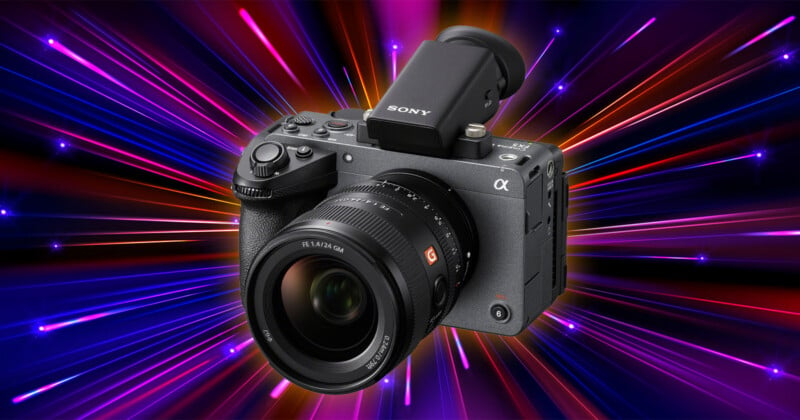
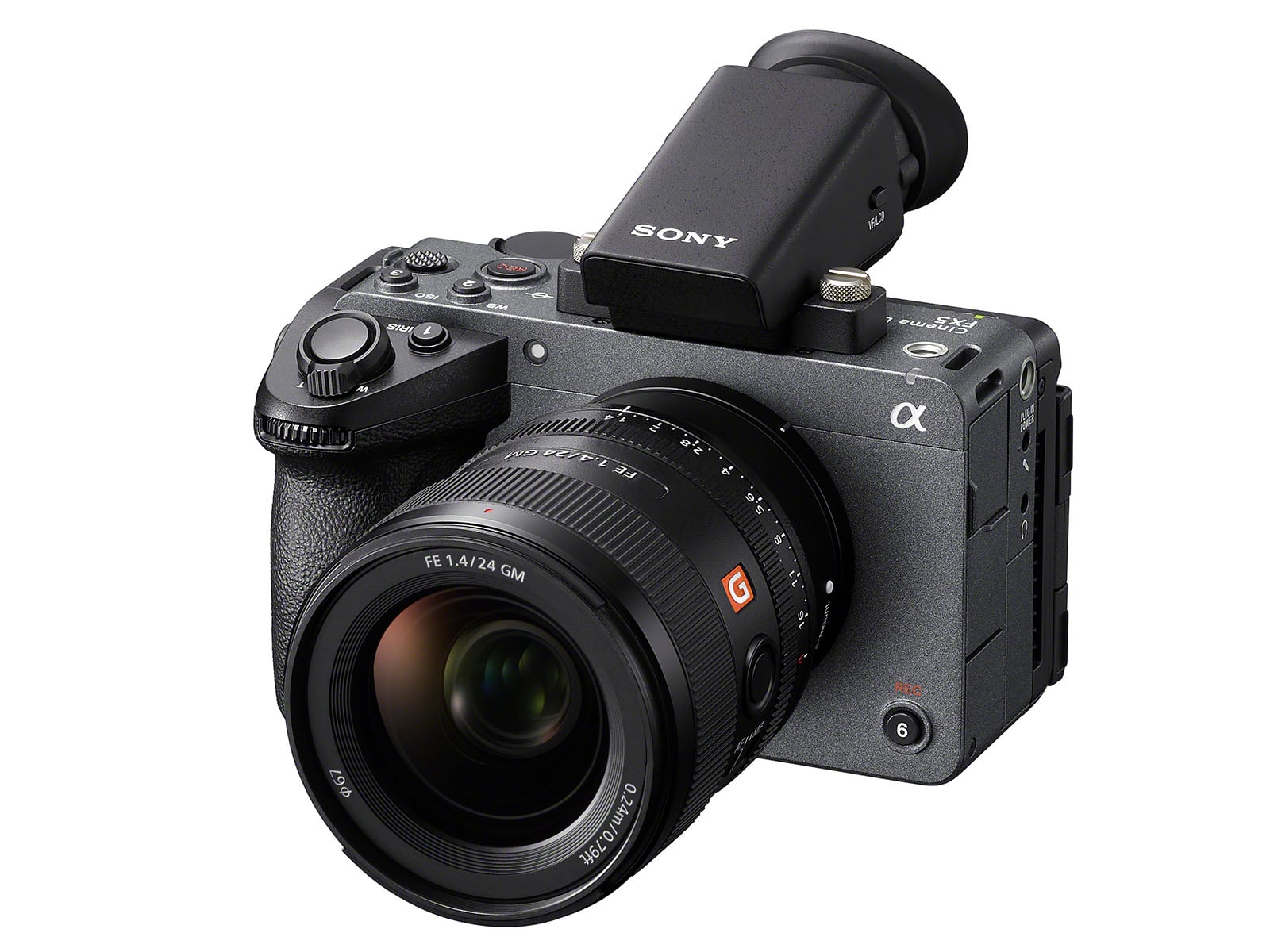
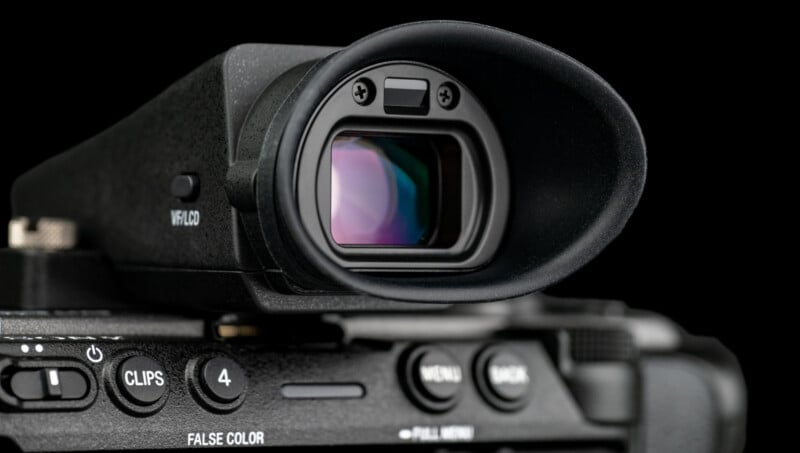
Beyond the headline features of Open Gate and internal RAW, the Sony FX5 incorporates a host of other significant improvements designed to enhance the user experience and overall performance. A new, detachable Electronic Viewfinder (EVF) offers greater flexibility in framing and shooting in various lighting conditions. While the EVF’s attachment mechanism obstructs the Multi Interface (MI) shoe, which is crucial for the camera’s advanced 32-bit float audio recording capabilities, this is considered a manageable trade-off for the EVF’s utility. The inclusion of a larger rear display further contributes to improved operability.
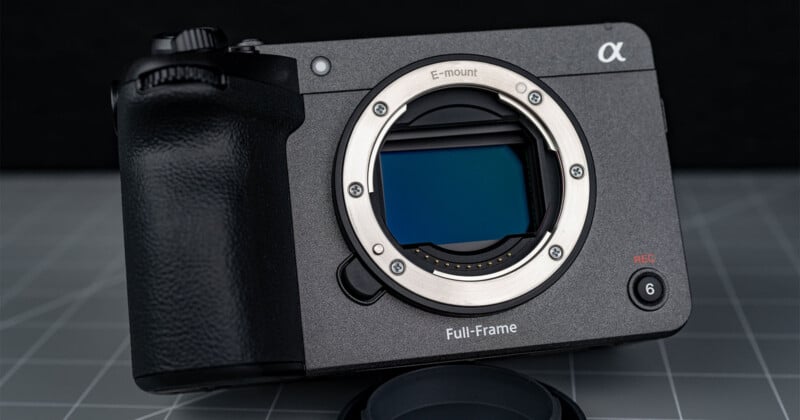
The 16.6-megapixel sensor, which appears to be a derivative of Sony’s latest high-resolution sensors, such as those found in the a7R VI with a Quad Bayer pattern, strikes an excellent balance between resolution and speed. While the Dynamic Range Boost mode may introduce some speed limitations, the sensor is unlikely to be a bottleneck for most professional applications. The camera offers a 5K resolution output, which is sufficient for a vast majority of professional deliverables. For productions requiring higher resolutions, Sony’s existing lineup, including the FX6 and potentially future models, will continue to cater to those needs.
Further enhancements include a new, improved battery system, more sophisticated AI-powered autofocus, and advanced stabilization features. The camera also introduces three base ISO settings (800, 4000, and 12800), providing exceptional low-light performance and flexibility. The user interface has been redesigned with inspiration from Sony’s professional CineAlta line, incorporating more comprehensive monitoring tools such as built-in waveform and vectorscope displays. These additions, while perhaps less headline-grabbing than Open Gate or internal RAW, are critical for professional workflows and contribute significantly to the camera’s overall utility.
What Remains Missing: Understanding the FX5’s Place
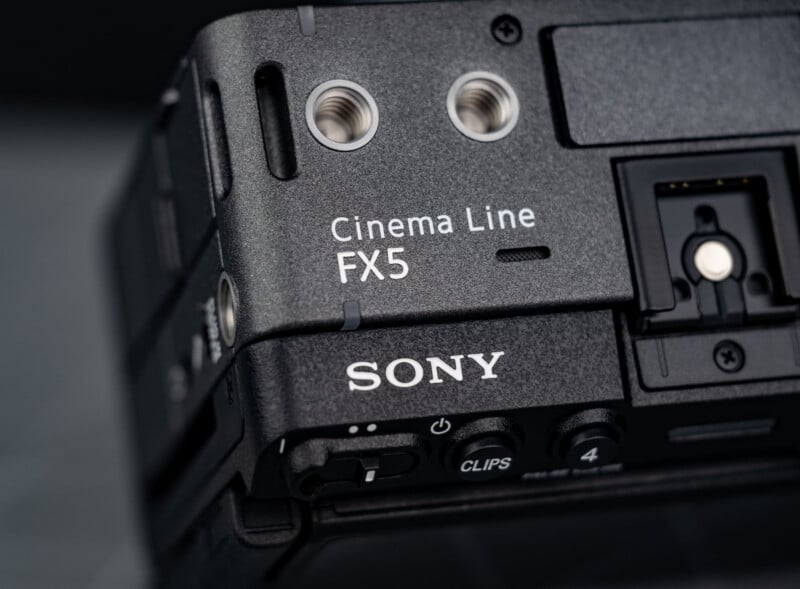
Despite its impressive array of new features, the Sony FX5 is not a perfect camera, nor does it aim to be. Certain professional-oriented features found in its larger sibling, the FX6, are absent. Most notably, the FX5 lacks an internal electronic neutral density (ND) filter, a feature that has proven invaluable for the FX6 in simplifying exposure control and maintaining shallow depth of field in varying light conditions. Additionally, the FX5 does not include professional connectivity options such as Genlock or SDI ports, which are standard on the FX6 and essential for certain broadcast and multi-camera setups. The FX6’s larger chassis also allows for greater expansion and accessory mounting options.
These omissions ensure that the FX6 retains its position as Sony’s flagship compact cinema camera, offering a more robust feature set for high-end productions with specific workflow requirements. The FX5, therefore, carves out its own identity, serving as a highly capable and versatile tool that bridges the gap between consumer-level mirrorless cameras and more specialized professional cinema cameras. It offers a compelling upgrade path for FX3 users and a more accessible entry point into professional video production for those seeking advanced capabilities without the full investment of an FX6.
A New Chapter for Sony’s FX Series
The launch of the Sony FX5 is more than just the introduction of a new camera; it signifies a strategic pivot and the beginning of a new chapter for Sony’s FX Series. For years, users have had to make compromises when choosing Sony’s compact cinema cameras, often sacrificing key features for portability or form factor. With the FX5, Sony has demonstrated a clear intention to significantly reduce or eliminate these compromises. This release sets a stronger foundation for the entire FX lineup, arriving at a critical juncture where competition in the professional camera market has intensified dramatically since the introduction of the FX3 and FX6.
The FX5’s blend of advanced imaging capabilities, internal RAW recording, Open Gate functionality, and enhanced user interface makes it Sony’s most important cinema camera in recent memory. It addresses the evolving needs of filmmakers and provides a powerful, flexible, and relatively accessible tool that can empower a wider range of creative professionals to achieve their artistic and commercial goals. This strategic move is likely to strengthen Sony’s position in the professional video market and set new benchmarks for innovation in its future camera offerings.