Robert Irwin Champions Authentic Wildlife Photography Amidst AI Revolution

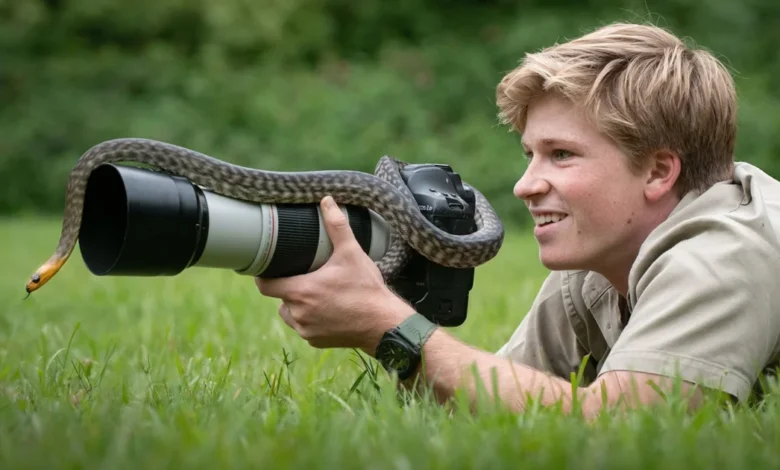
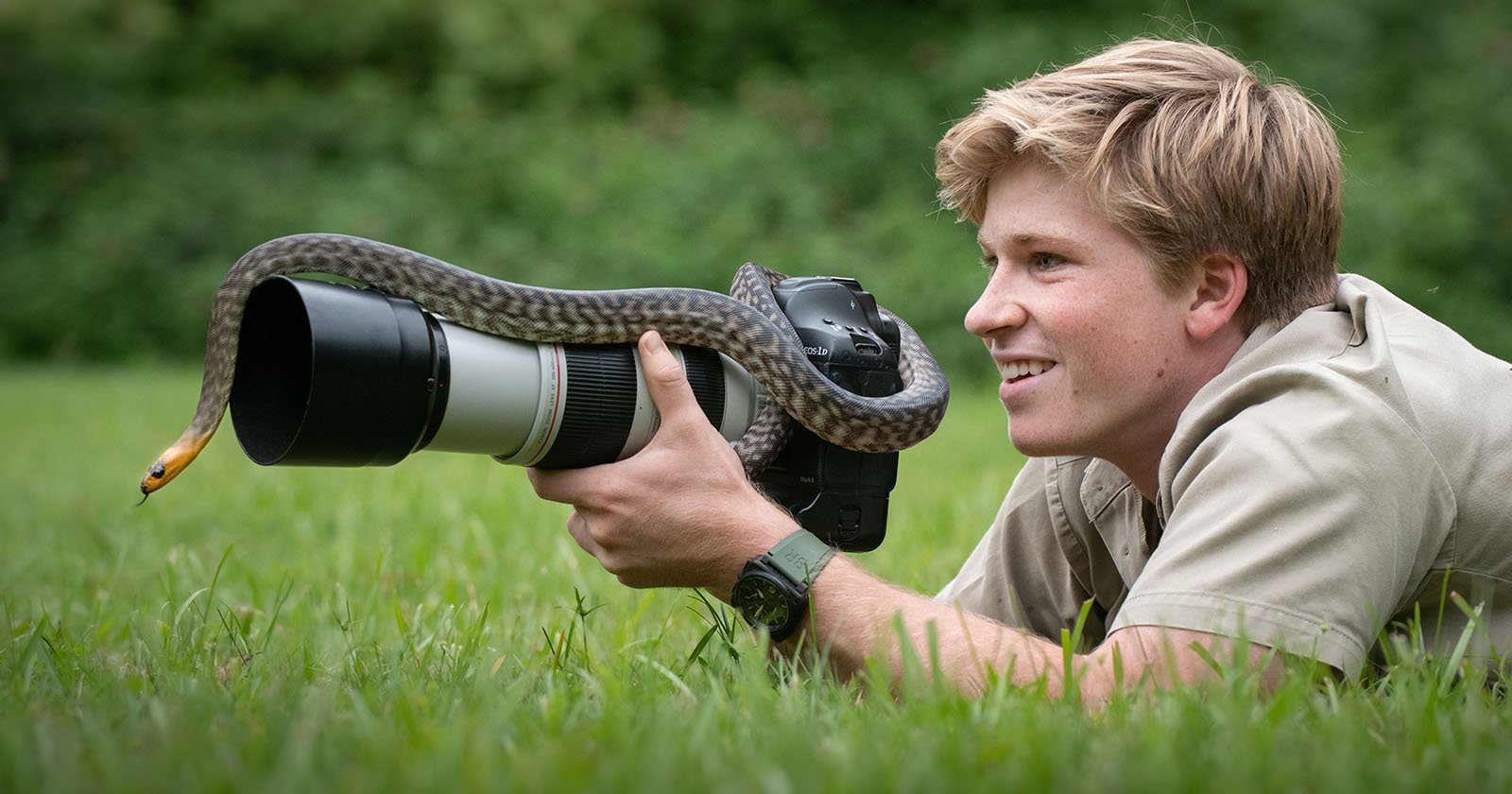
In a recent candid interview with Parade magazine, renowned conservationist, television presenter, and wildlife photographer Robert Irwin articulated his deep-seated passion for photography, his expanding professional endeavors, and, notably, his strong stance on the burgeoning role of artificial intelligence in the creative landscape, particularly within the realm of photography. Now 22 years old, Irwin, who previously spoke with PetaPixel in 2023, has continued to diversify his expertise, yet his commitment to photography remains a foundational element of his identity and his advocacy.
"This has been a passion project of mine and ours for a very long time," Irwin stated in the interview, reflecting on his lifelong connection to the art form. "A lot of people might not realize this, but there’s this part of my life that’s been really, probably the most formative part of my life and really created the person I am today, which is photography." This profound personal connection underscores his dedication to capturing the raw beauty and inherent drama of the natural world.
Irwin’s perspective on generative AI in photography is one of cautious observation, tinged with concern for the integrity of the art form and the authenticity of its subject matter. "As with any advancement in technology, I think we sometimes forget about the environmental destruction that it can cause," he remarked, drawing a parallel to broader technological impacts. He then focused his lens on the photographic implications.
The Erosion of Authenticity and the Dilution of Wonder
Irwin expressed a significant concern that AI-generated imagery risks diminishing the perceived value and artistry of genuine photography. "With AI, I think not only does it take away from the artistry of photography, but it also dilutes what is impressive," he explained. He elaborated on how the proliferation of highly realistic, yet fabricated, images can desensitize audiences to the extraordinary nature of real-world phenomena.
"Because we’ve seen so many incredible things, we don’t realize that what is real and that’s more amazing because it’s real, you know?" Irwin posited. He illustrated this point with a hypothetical, yet illustrative, example: "When you see the image of the, I don’t know, eagle riding the elephant or whatever ridiculousness it is that people genuinely think is real, when there is the actual real amazing photo, it almost dilutes it because we’ve seen so many incredible things." This sentiment highlights a growing challenge for photographers and audiences alike: discerning the genuine from the artificially constructed. The sheer volume of digitally manipulated or entirely AI-generated content can lead to a diminished appreciation for the skill, patience, and often serendipitous circumstances required to capture authentic moments in nature.
A Lifelong Quest for the Unseen
Despite his extensive experience and remarkable photographic achievements, Irwin maintains an insatiable curiosity and a lengthy wishlist of wildlife encounters he aspires to document. He noted that many people assume he has witnessed the vast majority of animal species, but he emphasized that countless creatures remain elusive in his personal experience.
"Anyone who has a passion for wildlife will tell you they have a list that’s a mile long of what they want to see next," Irwin shared. His unvisited continents and specific aspirations underscore his ongoing journey as a wildlife observer and documentarian. South America stands out as a region he has yet to explore. "I’ve always wanted to see sloths in the wild," he revealed, expressing a desire to witness these famously slow-moving creatures in their natural habitat.
Further elaborating on his photographic ambitions, Irwin listed several iconic species that represent pinnacles of his dream encounters. "I’ve always wanted to go to the Galapagos," he stated, referencing the archipelago renowned for its unique endemic species. "I have a love for Komodo dragons. I’ve never photographed them in the wild. That is absolutely top of my list." The elusive snow leopard also features prominently: "Obviously, snow leopards. I think as a photographer, that is the pinnacle." And the majestic polar bear is another creature he longs to capture: "Polar bears! That’s another one that I’ve always wanted to see. A polar bear in the wild. I think I would just squeal with excitement if I saw one of them." These aspirations demonstrate that even for a seasoned professional like Irwin, the natural world continues to offer profound opportunities for discovery and artistic expression.
Photography as a Catalyst for Conservation
Irwin firmly believes in the power of photography as an indispensable tool for raising awareness and driving conservation efforts. He recounted how his early engagement with a camera, beginning around the age of ten, transformed into a profound artistic and personal journey. "So I picked up a camera, and I started looking at it from an artistic perspective. It just became the biggest part of my life from about age ten, all the way through my teenage years," he explained.
This early immersion cemented photography’s role in his life, evolving into a primary method for communicating his deep-seated passion for wildlife conservation. "I’ve always got a camera with me. Now it’s about I know that feeling that it gave me as a kid, and I want to give other kids that feeling," Irwin articulated, highlighting his desire to inspire the next generation of nature enthusiasts and advocates. "I’ve spent many, many years of my life capturing nature through photography. And growing up, [it] was my kind of individual way of spreading this conservation message that I’m so passionate about."
The Crikey! Magazine Photography Competition: Championing Authentic Storytelling
In alignment with his commitment to authentic wildlife representation, Irwin and Australia Zoo are spearheading the 10th anniversary edition of the Crikey! Magazine Photography Competition. This global initiative serves as a significant platform for showcasing exceptional photography that emphasizes conservation and the intrinsic beauty of nature. The competition is currently accepting entries until August 31, 2026, offering a substantial window for photographers worldwide to participate.
Irwin’s vision for the competition is clear: he seeks compelling narratives that depict nature as it is, without manipulation. "I’m looking for storytelling that shows nature as it’s intended. You’re not meddling with anything. You’re letting nature take its course, and you’re photographing it in its true and raw state," he emphasized. He further stated his unwavering conviction in the emotional impact of genuine imagery: "I don’t care how many AI photos you see. When you see a real, true representation of nature, there is a visceral feeling that hits you in the heart; you just can’t deny it."
His message to potential entrants is one of authenticity and passion. "I think storytelling and art has to be authentic, and that is just so important. In wildlife photography, we need a true and authentic representation of nature. In our competition at least, there is no room for AI, that’s for sure. It ain’t happening." This definitive stance underscores the competition’s dedication to preserving the integrity of wildlife photography as an art form rooted in reality.
A Global Platform for Aspiring and Professional Photographers
Irwin views major photography competitions as crucial avenues for photographers to elevate their craft and gain wider recognition. The Crikey! Magazine Photography Competition is intentionally inclusive, welcoming participants from all corners of the globe, regardless of their experience level. Whether an individual is just beginning their photographic journey, much like Irwin did over a decade ago, or is an established professional, there is a place for their voice.
"There’s a category for you to tell your story," Irwin encouraged prospective entrants, highlighting the competition’s commitment to diverse perspectives and narrative styles. This broad accessibility aims to foster a global community of photographers dedicated to the principles of conservation and the celebration of the natural world. The competition not only offers a stage for showcasing talent but also serves as a vital educational tool, promoting ethical practices and a deeper appreciation for biodiversity. The ongoing engagement with such platforms is crucial in a digital age where the lines between reality and artificiality are increasingly blurred, ensuring that the awe-inspiring power of authentic wildlife photography continues to inspire and protect.
Related posts: