The Browning Strike Force HD Pro X1080: A Reliable, No-Frills Trail Camera for Dedicated Wildlife Enthusiasts

The wildlife surveillance market has seen a notable bifurcation in recent years. On one side are the increasingly sophisticated, app-driven cellular models, often commanding premium prices and requiring ongoing data plans. On the other are the more budget-friendly, basic units, often unbranded and lacking advanced features. However, a significant segment of trail camera users either resist the monthly data fees or simply do not require cellular connectivity, creating a persistent demand for reliable, traditional trail cameras. The Browning Strike Force HD Pro X1080 aims to fill this niche, offering a robust, dependable option for those who prioritize consistent performance over remote access. This camera is designed for users who are comfortable with retrieving SD cards manually or who have smaller, more accessible scouting areas.
Browning has cultivated a strong reputation over the years for producing rugged and reliable trail cameras. The Strike Force HD Pro X1080 represents an evolutionary update to the company’s established Strike Force HD Pro X model, bridging the gap between their entry-level cameras and more advanced, higher-resolution units. It boasts 1080p Full HD video with sound capabilities, a 24MP sensor, low-glow night illumination, and a built-in color LCD screen for immediate review of captured footage. Crucially, it features one of the fastest trigger speeds on the market, a critical attribute for capturing elusive wildlife in motion. This review delves into the performance and features of the Browning Strike Force HD Pro X1080, assessing whether its rapid trigger speed and traditional functionality justify its mid-range price point.
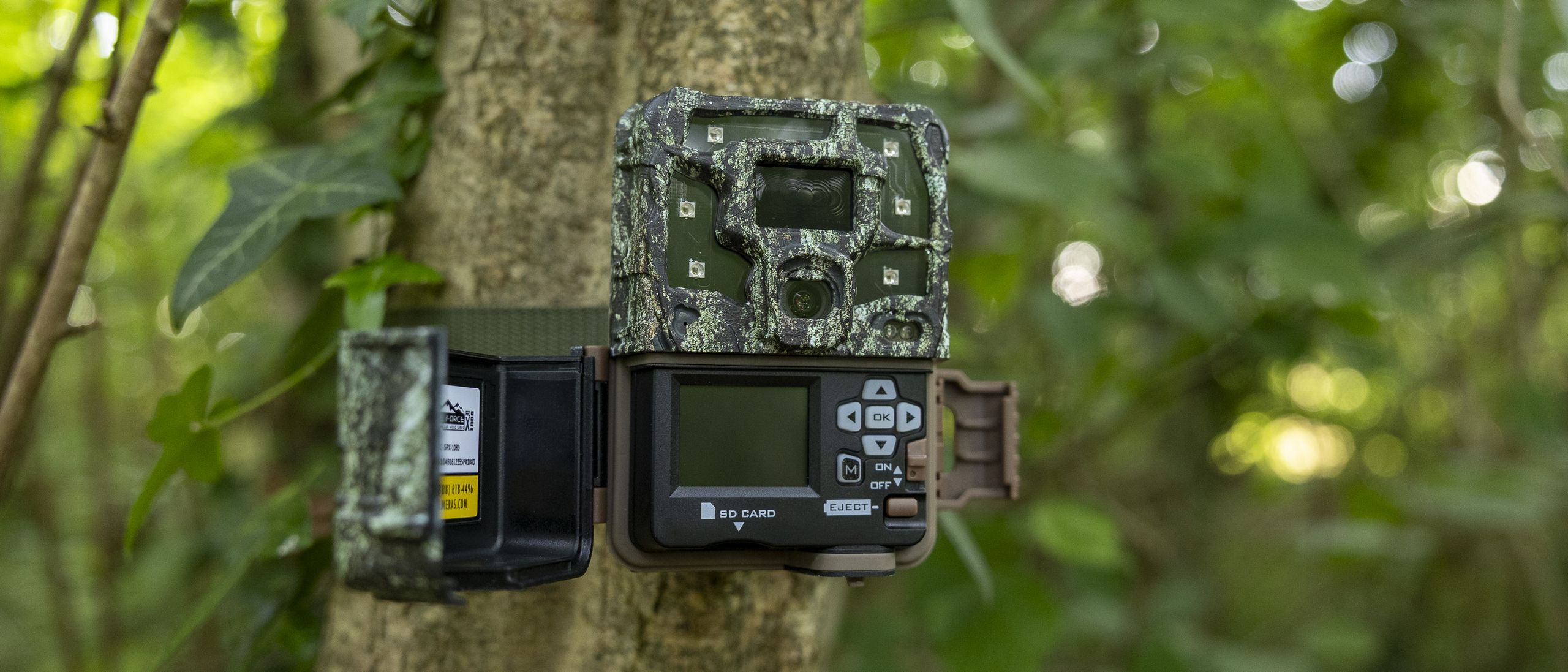
Key Specifications and Features
The Browning Strike Force HD Pro X1080 is equipped with a 24MP sensor for still photography, capable of capturing images with a high level of detail, albeit through software interpolation. For video, it offers 1080p Full HD resolution at 30 frames per second, with options for recording lengths ranging from 5 seconds to 2 minutes, complete with sound. The camera’s advertised trigger speed is a remarkable 0.22 seconds for photos and 0.30 seconds for video, with a recovery time of just 0.35 seconds. This rapid performance is designed to minimize missed shots of fast-moving animals.
The detection range of the camera is rated at 100 feet, complemented by a powerful low-glow infrared LED flash system, marketed as "RADIANT 6" technology, which offers a range of up to 120 feet. This illumination technology is crucial for capturing clear images and videos in complete darkness. Unlike many modern trail cameras, the Strike Force HD Pro X1080 does not feature cellular connectivity, relying solely on standard SD card storage. It supports SDXC memory cards up to 512GB, providing ample space for extensive photo and video capture.
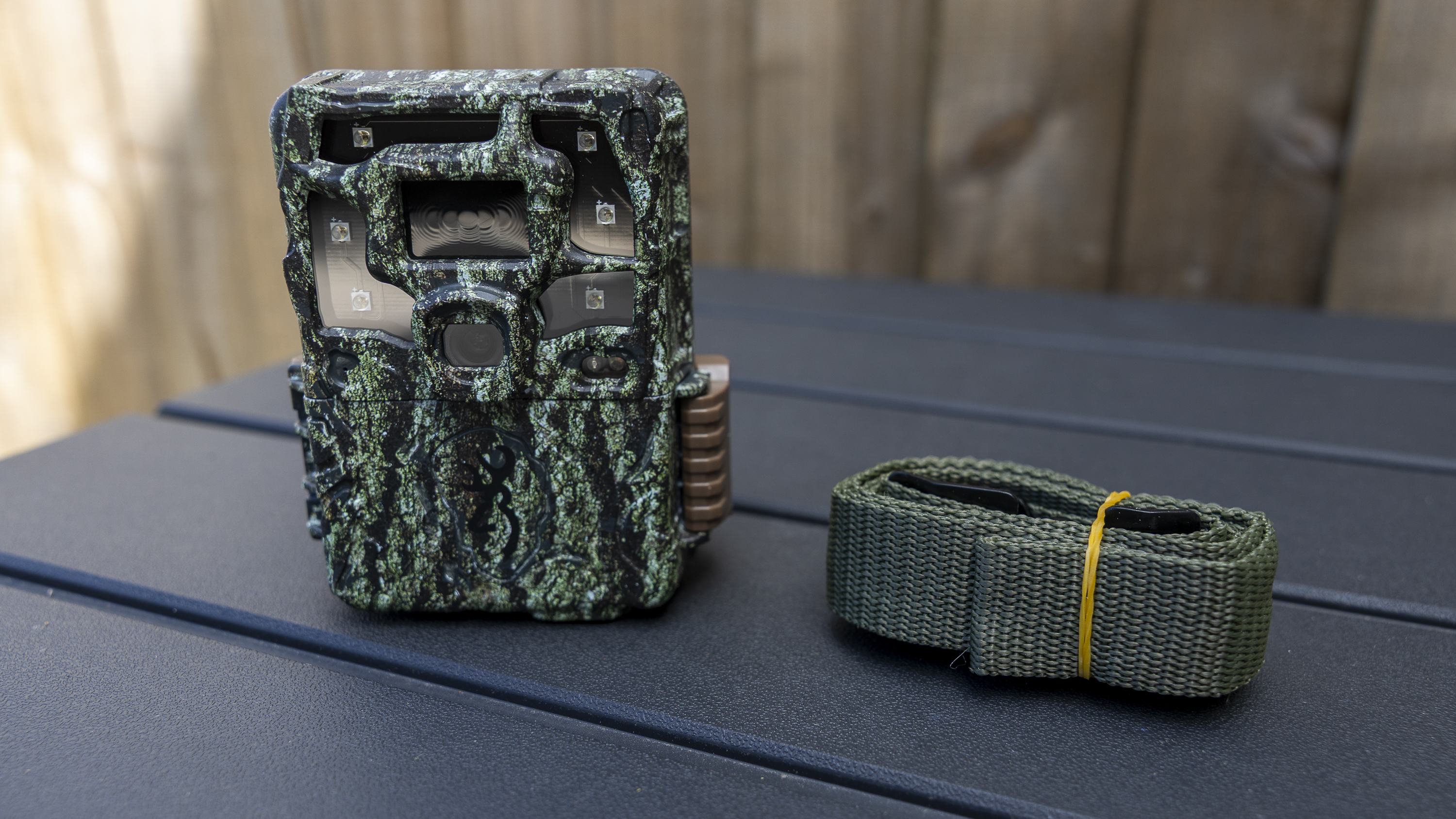
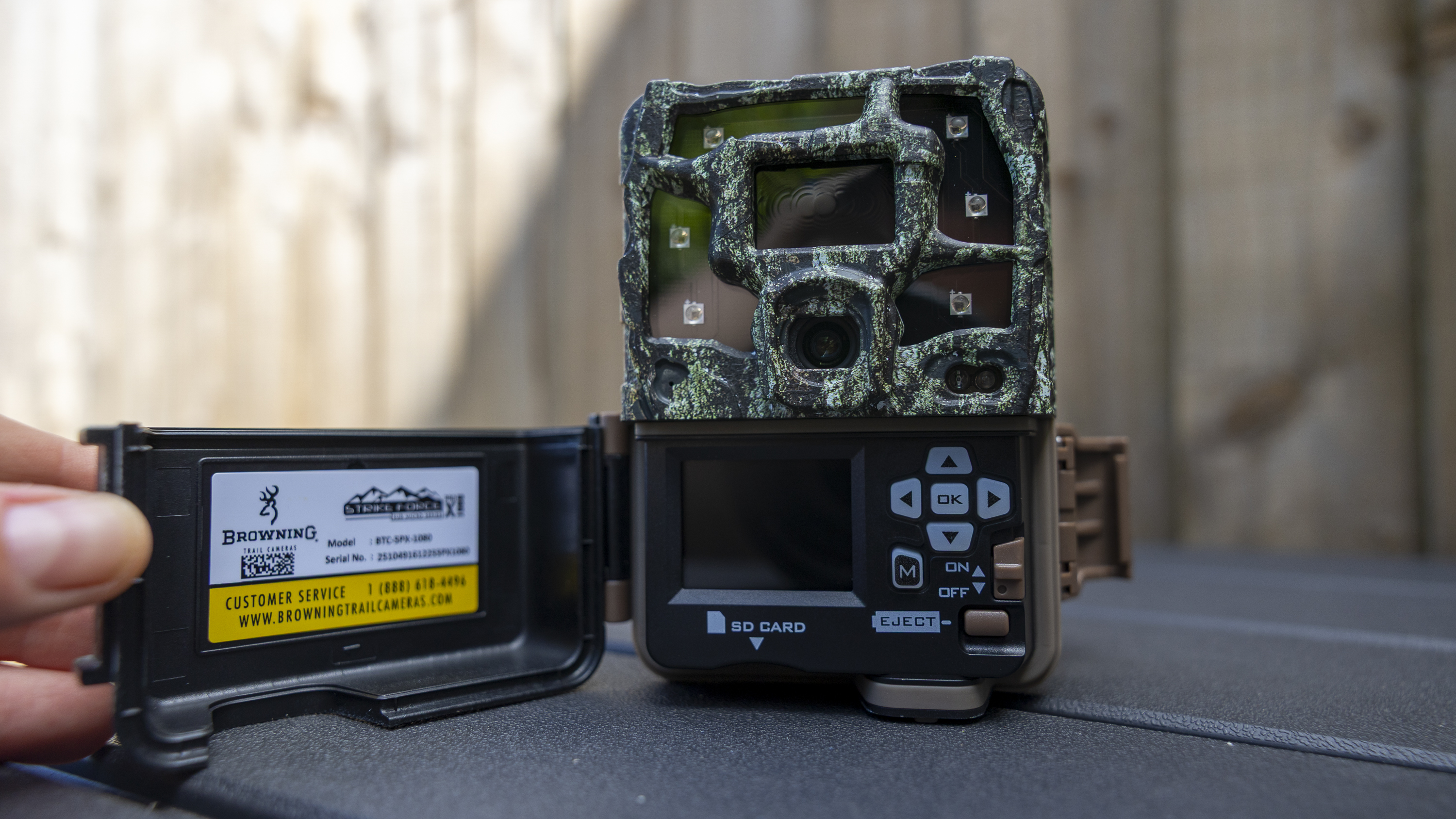
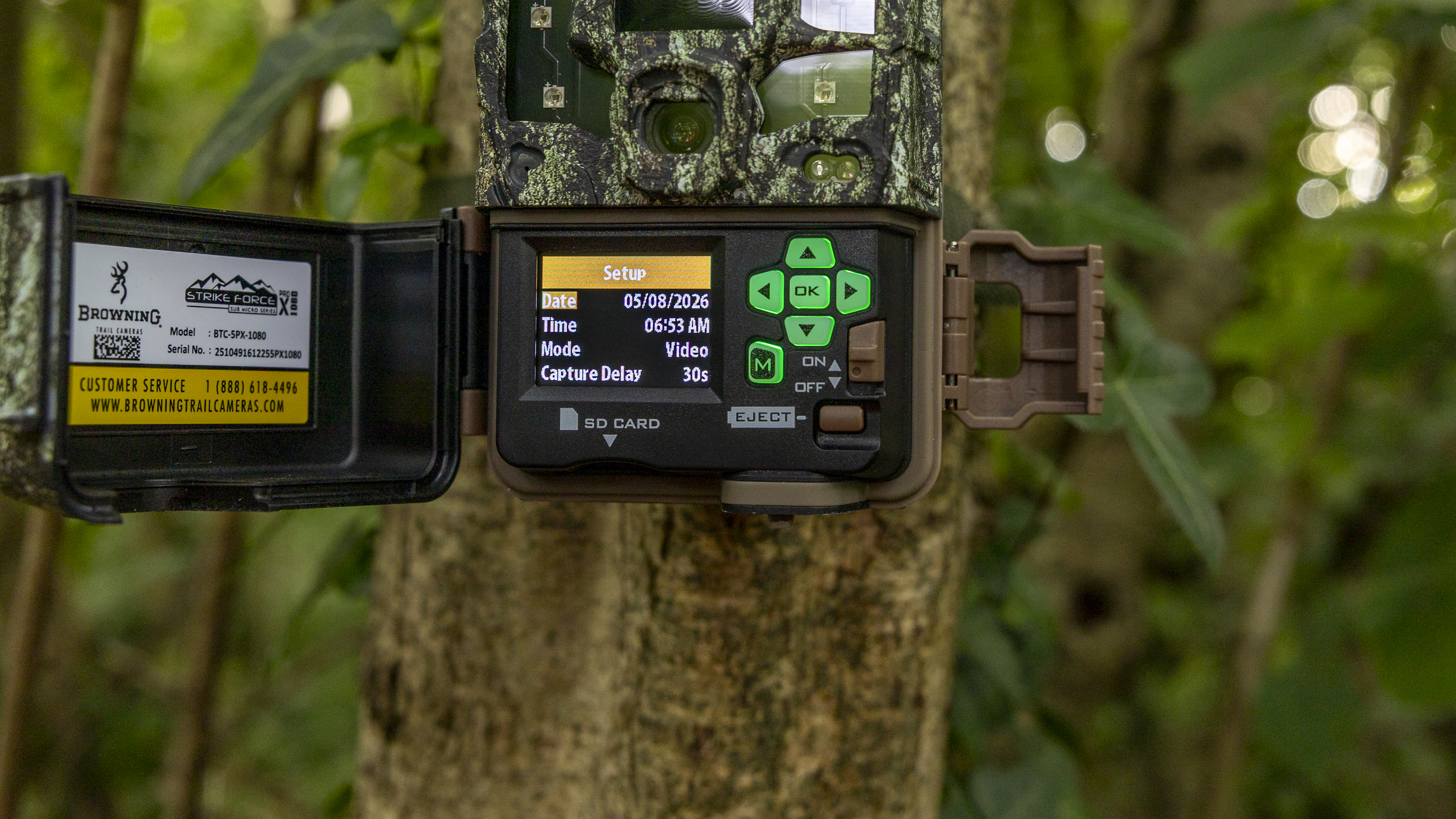
Powering the device are either 6 or 8 AA batteries, depending on the production run, though the exact battery count can vary. It also includes a 12V external power jack, offering flexibility for users who can provide a continuous power source. A significant convenience feature is the built-in 1.5-inch color view screen, allowing for on-site review of captured media without the need to remove the SD card. Mounting is facilitated by an all-steel adjustable tree mount bracket, designed for secure and precise positioning.
Among its special features are adjustable IR flash settings (Power Save, Long Range, Fast Motion), Illuma-Smart Technology for optimizing flash duration, Smart IR Video for continuous video recording, and Timelapse Plus functionality for creating time-lapse sequences. The camera comes with a 2-year warranty, reflecting Browning’s confidence in its durability.
Price and Value Proposition
With a recommended retail price of $149 / £159, the Browning Strike Force HD Pro X1080 positions itself at the upper end of the traditional, non-cellular trail camera market. While the market is currently saturated with ultra-budget options often found for under $50 / £45, the Strike Force HD Pro X1080 aims to justify its higher cost through superior design, build quality, and performance.
The camera’s construction is described as rugged, featuring weatherproof seals intended to protect against moisture from rain and dew. Browning estimates a battery life of up to a year from a single set of six AA batteries, though this is contingent on usage patterns and environmental conditions. The absence of subscription fees, inherent to SD card-based cameras, contributes to its long-term cost-effectiveness for users who do not require remote access.
When compared to mid-to-high-tier non-cellular competitors, such as certain models in the Bushnell Core series or Spypoint’s non-cellular offerings, the Browning presents a compelling price-to-performance ratio, particularly due to its industry-leading trigger speed. For land managers, wildlife photographers, or dedicated hobbyists, the Strike Force HD Pro X1080 appears to be a cost-effective and reliable tool for wildlife monitoring and scouting.
Design and Handling: Blending In and Withstanding the Elements
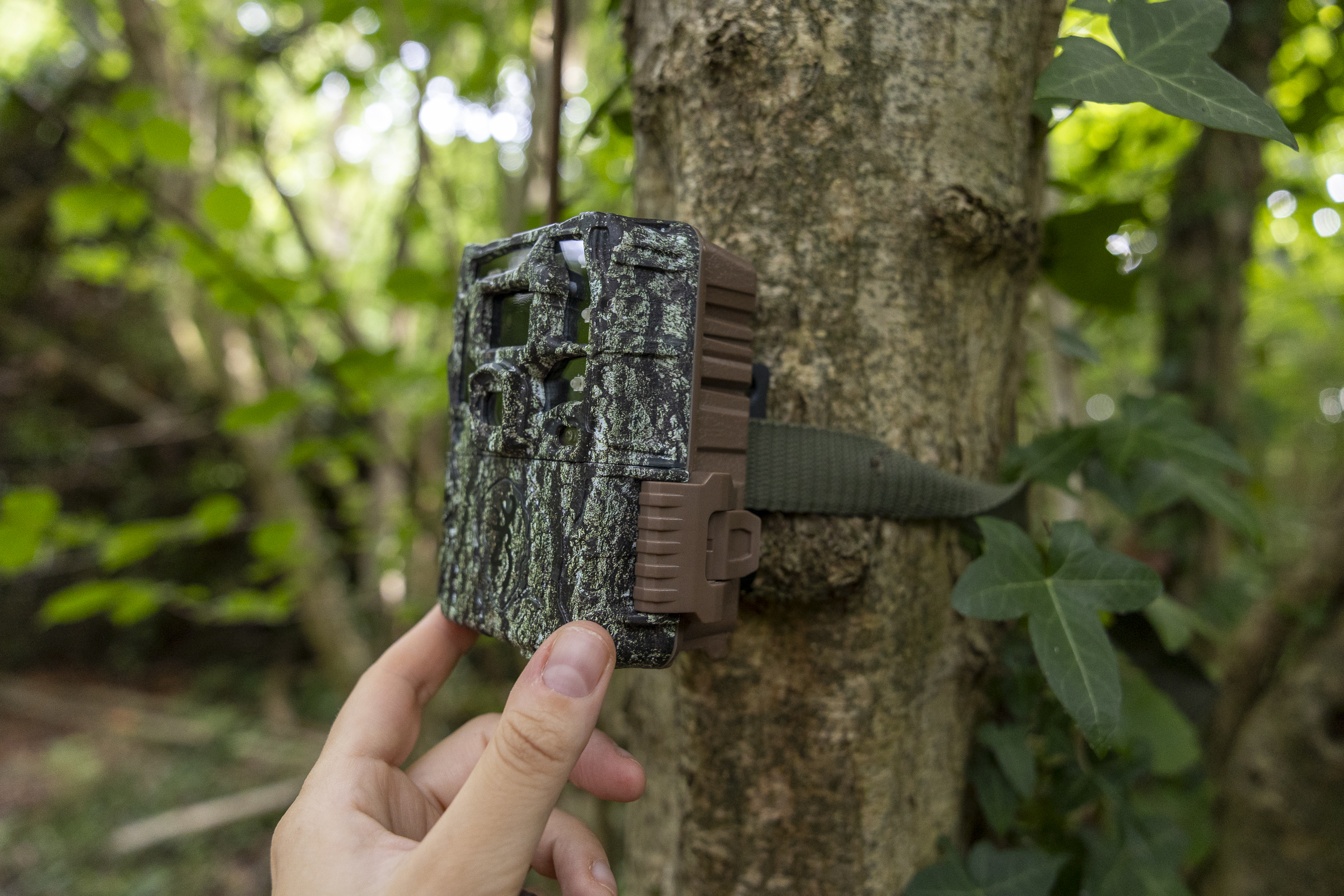
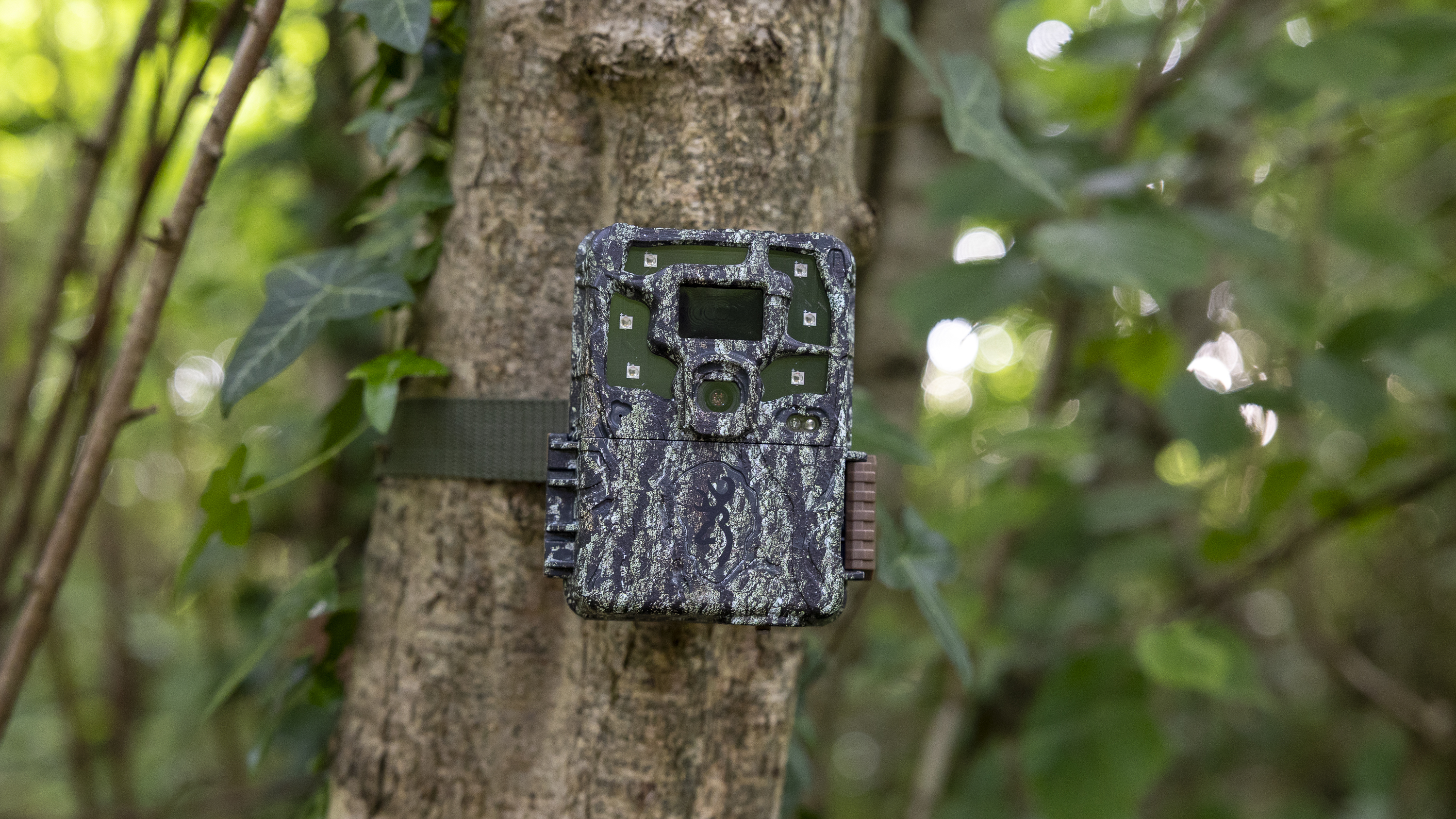
The Browning Strike Force HD Pro X1080 arrives in compact and well-organized packaging. Its initial feel is one of surprising sturdiness and compact design. A critical factor for any trail camera is its ability to blend into its environment, a task this model handles exceptionally well, particularly in woodland settings. The chassis is adorned with a busy, textured camouflage pattern that effectively merges with tree bark and foliage.
Durability against the elements is paramount for a device deployed outdoors for extended periods. While Browning does not publish an official IP waterproofing rating for the Strike Force HD Pro X1080, its exterior features robust rubber seals. The primary side clip mechanism snaps shut with a satisfyingly solid click, instilling confidence in its ability to withstand adverse weather conditions like heavy rain and fog without internal fogging or damage to the SD card.
Upon opening the front cover, the camera reveals a user-friendly interface. The 1.5-inch color LCD screen, while not large or detailed enough for critical analysis of footage, is perfectly adequate for framing shots and reviewing captured media in the field. The control buttons—an on/off toggle, a menu button, a 4-way navigation keypad, and a battery cassette eject button—are responsive. A thoughtful touch is that these buttons illuminate when pressed, greatly assisting navigation in low-light conditions. The menu system is intuitive and straightforward, allowing for quick setup without extensive reliance on the user manual.
During testing, the camera was mounted in a local woodland, a location chosen for its proximity for frequent reviews. The camera and its included nylon tree strap were easy to transport and set up. The strap itself is notably long, offering ample length to accommodate various tree diameters, and its robust webbing ensured a secure and rigid mounting position, even after enduring several nights of strong winds.
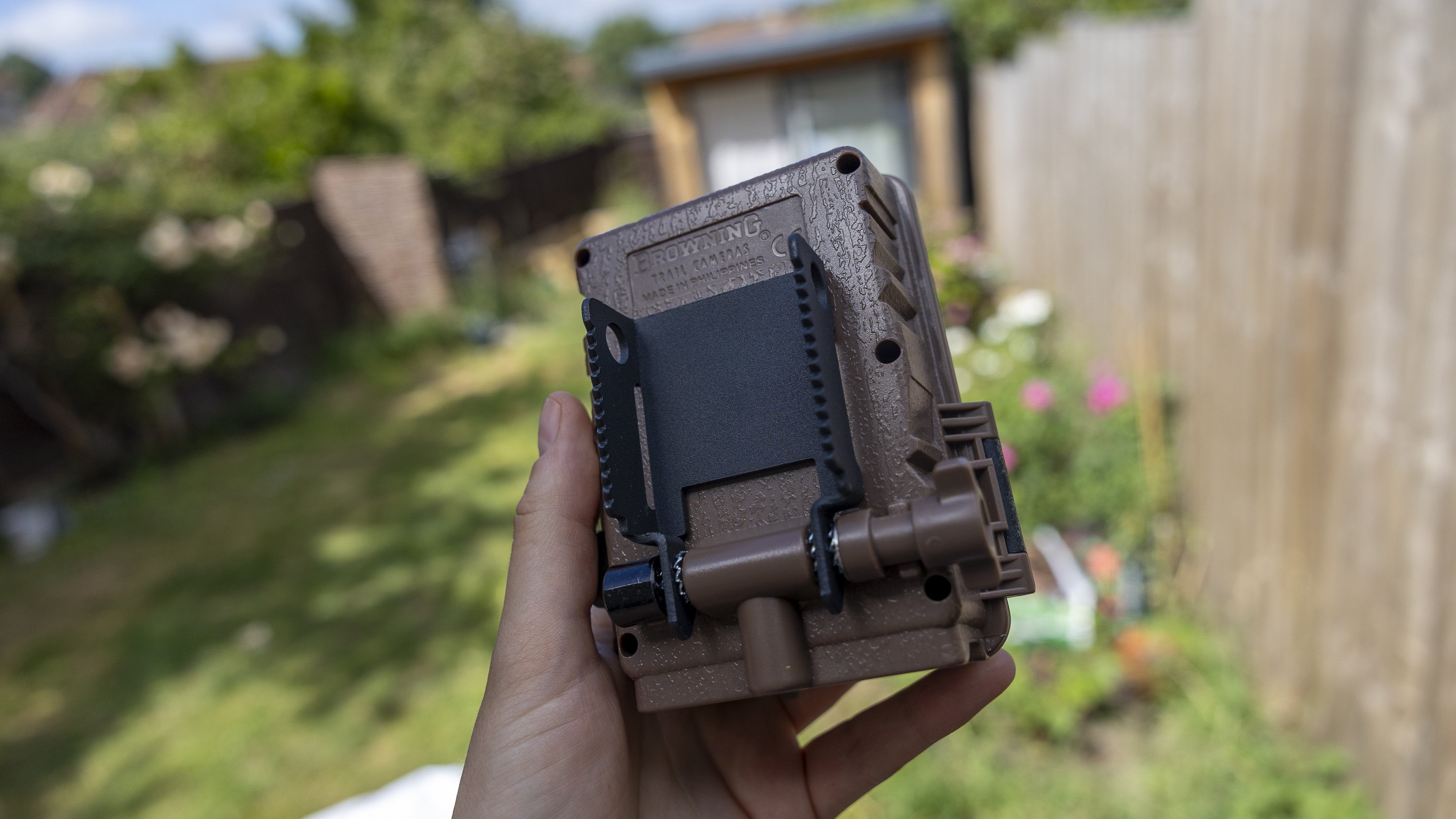
A standout design element is the integrated, adjustable steel tree bracket located on the back of the camera. This feature addresses a common frustration with traditional trail cameras, where users often resort to propping up the unit with twigs or foliage to achieve the correct downward angle. The steel pivot provides approximately 30 degrees of adjustment, allowing for precise framing of the desired area before leaving the camera to its monitoring duties.
However, one aspect of the design that could be improved is the battery compartment. Browning highlights the camera’s efficiency, requiring only six AA batteries, fewer than many competitors. Despite this efficiency, the process of inserting and removing the batteries proved somewhat fiddly. While the recessed eject button releases the drawer, the batteries do not protrude sufficiently for easy removal, often requiring a firm tug. This could be a minor inconvenience in cold weather conditions when dexterity is reduced. Despite this minor drawback, the overall design emphasizes ruggedness and ease of field deployment over excessive complexity.
Performance: Capturing Wildlife in Motion
The Browning Strike Force HD Pro X1080 was deployed in an English woodland for a two-week period. As a non-cellular model, media was reviewed every few days. Both stills and video were tested at their highest quality settings to fully evaluate the camera’s capabilities.
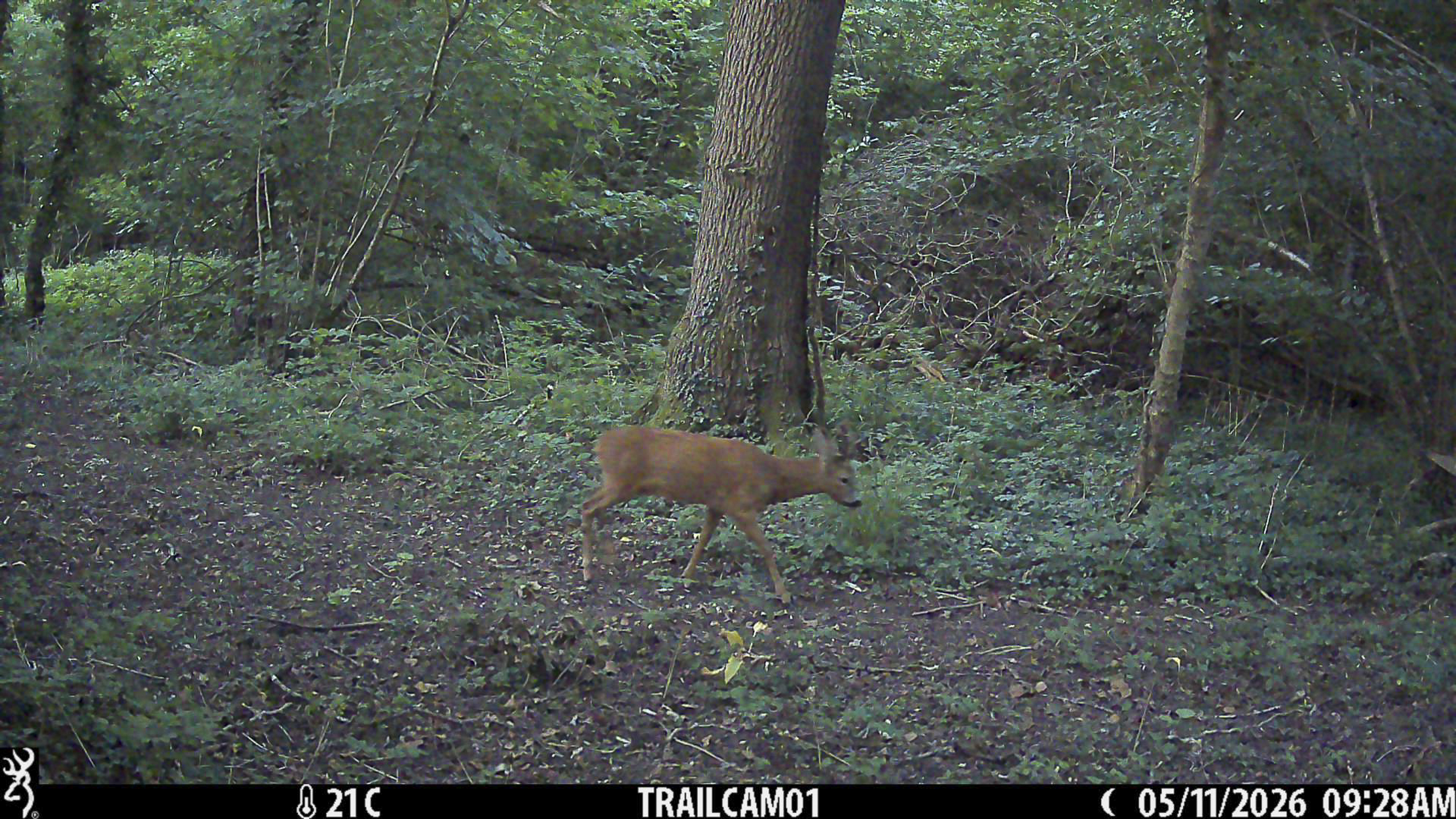
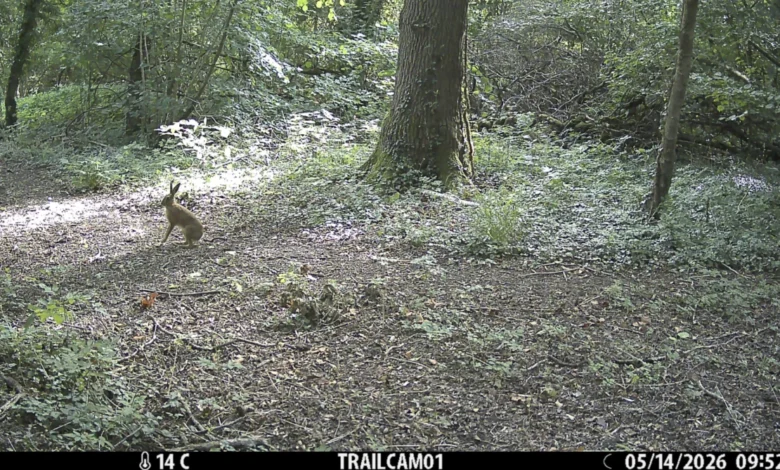
At its advertised 0.18-second photo trigger speed, the Strike Force HD Pro X1080 ranks among the fastest on the market. This speed translates effectively to real-world performance. In favorable daylight conditions, the camera consistently captured subjects in motion with impressive sharpness. A particularly striking daylight image featured a hare frozen mid-leap, demonstrating the camera’s ability to freeze fast action. However, in less ideal lighting, such as dawn or overcast days, faster-moving animals might exhibit some motion blur. This rapid response time is crucial for capturing wildlife, preventing the common issue of capturing empty frames or only the tail end of an animal.
The camera captures 24MP stills, a resolution achieved through digital interpolation rather than a native high-megapixel sensor. While detailed, side-by-side comparisons with images from Browning’s higher-megapixel models reveal a difference in overall detail and clarity, indicating the limitations of interpolated resolution.
Image and Video Quality
In most captured stills, subjects are readily identifiable. However, the camera can struggle with busy backgrounds, sometimes requiring closer inspection on a larger screen to discern finer details, such as the species of a bird amongst dense foliage. A notable weakness is the camera’s performance in high-contrast daylight conditions. Areas exposed to direct sunlight can appear "blown out," losing detail. The overall white balance tends to be warm, with a yellowish-green cast that gives woodland scenes a slightly oversaturated appearance.
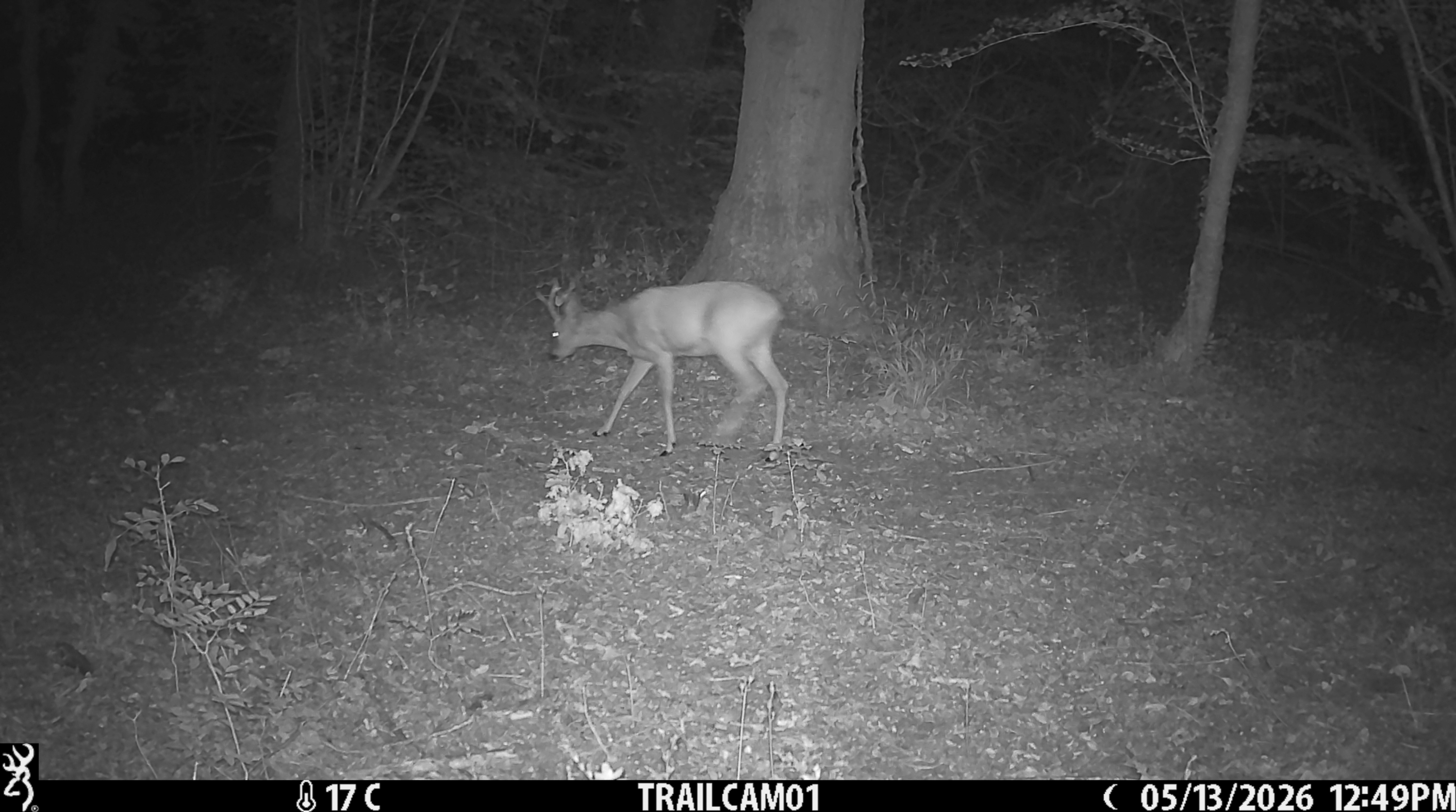
Nighttime performance is a strong point. The camera delivers good quality videos in low-light conditions, and its infrared flash and detection range are improvements over previous models. Captures of a badger at night demonstrated a balanced exposure, with the camera’s auto-exposure preventing overexposure of its lighter fur markings and maintaining its recognizable shape, though some softness around the extremities was observed. In scenes with extreme shadow, such as a badger foraging at the edge of the frame, the animal could become less distinct due to the sharp fall-off of light at the perimeter of the illumination.
The camera offers the option to imprint image information, including time and temperature, onto captured media. While useful for general monitoring, the temperature readings were observed to be occasionally inaccurate, suggesting that precise environmental data should not be solely relied upon. Nevertheless, for the primary purpose of wildlife identification, the hardware’s performance remains effective.
Verdict: A Dependable Choice for Traditionalists
After a month of rigorous field testing, the Browning Strike Force HD Pro X1080 has proven itself to be a highly capable wildlife tracking device, underscoring the continued relevance of non-cellular trail cameras. It excels in its speed and reliability, prioritizing the capture of fast-moving subjects over the integration of advanced, often costly, technological features. Its efficient battery performance, requiring only six AA batteries, allows for extended deployment periods without constant monitoring, though users must be prepared for manual SD card retrieval.
While the Strike Force HD Pro X1080 may not produce award-winning image quality, particularly in challenging lighting conditions, its technical limitations do not significantly detract from its core function as a scouting tool. Its ability to capture animals of various speeds, sizes, and coloration is impressive, making it a valuable asset for wildlife observation and monitoring.
For individuals seeking a rugged, dependable trail camera that offers instant out-of-the-box functionality and does not require remote cellular connectivity, the Browning Strike Force HD Pro X1080 presents a well-balanced option. It offers a compelling blend of value and performance suitable for both novice users and seasoned wildlife enthusiasts who prefer a straightforward, no-frills approach to their surveillance needs.
Alternatives to Consider
For those seeking slightly different features or performance benchmarks, several alternatives warrant consideration. The Bushnell Core DS-4K No Glow offers superior 4K video resolution compared to the Browning’s 1080p, albeit at a higher price point. Its completely invisible "No-Glow" flash and larger 1.5-inch screen for reviewing footage are significant advantages.
The Spypoint Force Pro is another strong contender, particularly for users who prioritize daytime photography. It captures higher resolution 30MP photos than the Browning’s 24MP and boasts an extended detection zone. However, the Browning’s infrared flash offers a greater range at night.
For users interested in specialized applications, exploring guides to the best bird feeder cameras and bird box cameras can reveal options tailored to specific wildlife observation needs. These specialized cameras often incorporate unique features for mounting and monitoring smaller, more localized subjects.