The AI Boom and Semiconductor Shortage Intensify Hardware Costs, Valve Confirms Long-Term Price Hikes


The burgeoning artificial intelligence (AI) sector’s insatiable demand for high-performance computing components, particularly graphics processing units (GPUs), solid-state drives (SSDs), and memory modules, is projected to continue driving up the cost of building a gaming PC. This ongoing surge in hardware prices, which has made PC gaming an increasingly expensive endeavor, is now expected to persist for the foreseeable future, according to recent analyses and statements from industry leaders like Valve.
Initial research indicated a grim outlook for consumer electronics pricing. A report earlier this month predicted that memory prices would experience a substantial increase, potentially rising by as much as 50% in the third quarter. This upward trend is not anticipated to reverse until 2028, suggesting a prolonged period of elevated costs for consumers. Compounding these concerns, Valve, a pivotal player in the PC gaming ecosystem, has now shared its perspective on the hardware market, offering an equally sobering forecast.
Valve’s Assessment of the Hardware Market
In a recent discussion with Bloomberg’s Jason Schreier, Valve engineer Yazan Aldehayyat provided insights into the company’s long-term outlook on hardware pricing, particularly in the context of the company’s past ventures, such as the Steam Machine. Aldehayyat stated unequivocally that the company foresees hardware prices continuing to escalate in the short to medium term.
"Honestly, it’s still getting worse," Aldehayyat explained, addressing the current market conditions. "Just in case people are not aware. What people are seeing on retail shelves right now, from our observations, is lagging what we’re seeing from a bulk supply by at least three to six months." This statement suggests a significant disconnect between the prices consumers encounter at retail and the underlying supply chain realities, implying that current retail prices may not yet fully reflect the full extent of the price pressures.
The Impact of the Semiconductor Shortage on Valve’s Initiatives
The semiconductor shortage, exacerbated by the global demand from AI development and other technological advancements, has demonstrably impacted Valve’s operations. Pierre-Loup Griffais, another engineer at Valve, elaborated on how the memory crisis specifically affected the launch and production of the Steam Machine, a hardware initiative aimed at bringing PC gaming to living rooms.
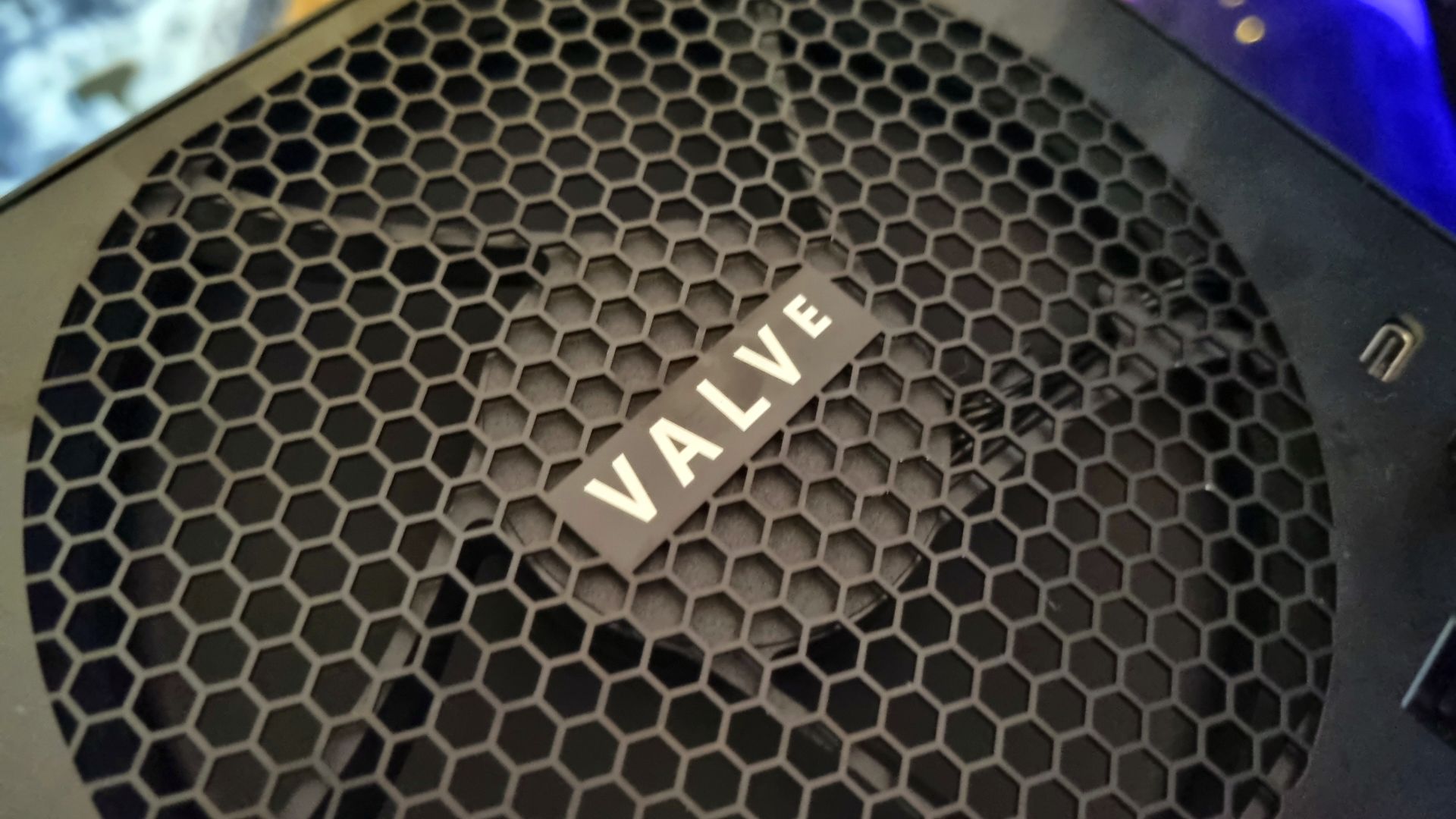
"We’re basically building everything we can," Griffais noted. "We’re limited by memory capacity, for sure." This admission highlights the direct constraints faced by Valve in manufacturing its hardware, underscoring the pervasive nature of the component shortages across the industry. The ability to produce sufficient quantities of devices like the Steam Machine was directly hampered by the availability of essential memory components.
A Broader Context: The AI Component Demand
The AI boom has become a significant driver of the current hardware scarcity. AI models, especially large language models and sophisticated machine learning algorithms, require immense computational power. This translates into a voracious appetite for high-end GPUs, which are crucial for the parallel processing tasks involved in training and running these models. Major tech companies and research institutions are investing heavily in AI infrastructure, leading to an unprecedented demand for these specialized chips.
This demand has had a ripple effect across the entire semiconductor supply chain. Manufacturers are prioritizing production for AI-focused components, often at the expense of consumer-grade hardware. Furthermore, the production of other critical components, such as advanced memory chips (DRAM) and high-speed storage solutions (NVMe SSDs), is also strained. Factors contributing to this strain include:
- Increased Manufacturing Complexity: Modern semiconductor fabrication processes are incredibly complex and require specialized equipment and materials, leading to longer production lead times.
- Geopolitical Factors: Global supply chains are vulnerable to geopolitical tensions, trade disputes, and natural disasters, all of which can disrupt the flow of raw materials and finished products.
- Limited Foundry Capacity: While new fabrication plants are being built, the sheer scale of demand means that existing capacity is stretched thin.
Valve’s Definition of Success: Beyond Sales Figures
Despite the production challenges and the broader market conditions, Valve’s perspective on the success of its hardware initiatives, such as the Steam Machine, appears to be guided by principles beyond conventional sales metrics. While Valve did not disclose specific production or sales figures for the Steam Machine, the company’s leadership views its impact through a different lens.
"We suspect that the Steam Machine is a really good way to solve a very real problem that people have," Aldehayyat stated. "If that’s borne out to be true, from our opinion, it’s a success." This indicates that Valve’s measure of success for the Steam Machine is tied to its ability to provide consumers with a viable and desirable option for open-source PC gaming in their living rooms, rather than solely focusing on the volume of units sold.
Griffais further reinforced this sentiment, asserting that the ongoing memory crisis has not derailed Valve’s long-term strategic plans for the device. "Users are getting their machines," he confirmed. "For a lot of the experience, the work starts. We’ll be doing that for years to come." This suggests a commitment to ongoing development and support for the Steam Machine platform, irrespective of the short-term supply chain disruptions.
Strategic Decisions: The Absence of a Steam Machine Exclusive
During the discussion, Valve also shed light on its strategic decision-making regarding the launch of the Steam Machine, specifically addressing why the company opted against releasing a dedicated exclusive game for the platform. The prospect of a new flagship title, perhaps a long-awaited sequel in a beloved franchise, coinciding with new hardware was a point of speculation for many. However, Valve articulated a different vision.
The company indicated that its primary objective was not to create a singular exclusive title but rather to leverage the vast and existing PC gaming catalog. "We’re interested in having the whole PC catalog as our ‘launch exclusive’," the engineers explained. This strategic choice underscores Valve’s commitment to an open platform philosophy, aiming to provide users with access to the broadest possible library of games rather than restricting them to a curated set of titles. This approach aligns with Valve’s broader strategy of fostering an open ecosystem for PC gaming.
Implications for the Gaming Industry and Consumers
The confluence of the AI boom, ongoing semiconductor shortages, and Valve’s candid assessment paints a challenging picture for PC gamers. The expectation of sustained high hardware prices has significant implications:
- Increased Barrier to Entry: For new gamers looking to build a powerful PC, the elevated costs can be a substantial deterrent, potentially limiting the growth of the PC gaming market in certain segments.
- Extended Hardware Lifecycles: Consumers may be inclined to hold onto their existing hardware for longer periods to delay costly upgrades, leading to a potential slowdown in the refresh cycle for PC components.
- Shift in Consumer Behavior: Gamers might explore alternative gaming platforms, such as consoles or cloud gaming services, which may offer more predictable pricing or subscription-based access to games.
- Innovation Focus: The scarcity and high cost of components could also spur innovation in areas such as more efficient hardware design, software optimization to reduce hardware demands, and advancements in cloud-based gaming technologies.
Valve’s acknowledgment of the worsening market conditions, coupled with earlier predictions of continued price hikes for memory, suggests that consumers should temper their expectations for any significant relief in PC hardware costs in the immediate future. The demand from the burgeoning AI sector, coupled with existing supply chain fragilities, is likely to keep the cost of building and upgrading gaming PCs at a premium for an extended period. The company’s commitment to its open platform strategy, however, remains a constant, aiming to ensure that the vast library of PC games remains accessible to its user base, even amidst these challenging market dynamics.
Related posts: