InnoCN GA27S1Q Review The Disruptive 280Hz QD-OLED Monitor Redefining Value for Gamers and Professionals

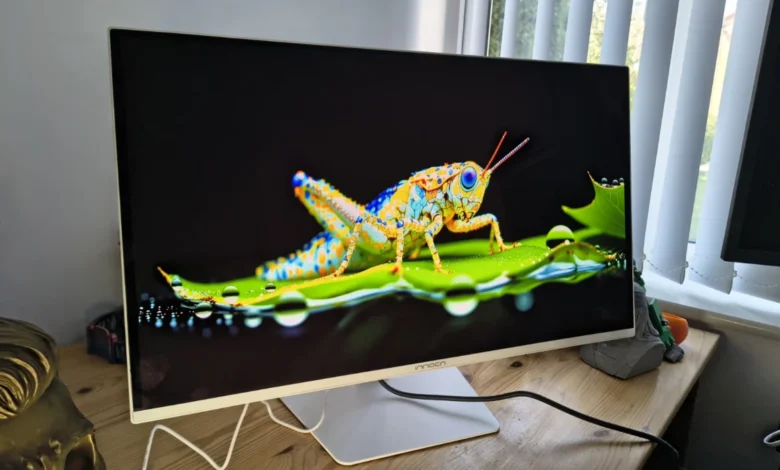
The consumer electronics market has long been dominated by a handful of established titans, but the arrival of the InnoCN GA27S1Q represents a significant shift in the accessibility of high-end display technology. Traditionally, Quantum Dot Organic Light Emitting Diode (QD-OLED) panels have been reserved for flagship models with price tags often exceeding the $800 mark. InnoCN, a brand that has rapidly gained a reputation for aggressive pricing and high-specification hardware, has challenged this status quo by launching the GA27S1Q—a 27-inch QD-OLED monitor that combines a blistering 280Hz refresh rate with a price point that undercuts major competitors by hundreds of dollars. This move marks a pivotal moment in the democratization of OLED technology, moving it from a luxury niche into the mainstream territory of both hardcore gamers and professional creative users.
Market Disruption and Strategic Pricing
Launched in early 2026, the InnoCN GA27S1Q entered the market with an initial MSRP of $549.99, though retail availability on platforms like Amazon has seen the price dip as low as $400. To put this into perspective, similar 27-inch OLED offerings from industry leaders such as LG, Samsung, and Asus typically retail between $700 and $1,000, depending on the specific refresh rate and feature set. By offering a 2560 x 1440 (QHD) resolution paired with the premium QD-OLED panel type at this price, InnoCN is effectively forcing a recalibration of value expectations across the industry.

The strategy appears to be a direct challenge to the "brand tax" associated with established manufacturers. While those brands offer extensive global service networks and proprietary software ecosystems, InnoCN is betting that a significant portion of the market prioritizes raw panel performance and cost-efficiency over brand heritage. This approach is particularly appealing to small-to-medium businesses (SMBs) and independent creators who require color-accurate displays but operate under strict budgetary constraints.
Technical Specifications and Panel Performance
At the heart of the GA27S1Q is a 27-inch flat QD-OLED panel. Unlike traditional WOLED (White OLED) panels, QD-OLED utilizes a blue OLED layer that passes through a Quantum Dot layer to produce red and green sub-pixels. This architecture generally results in higher color volume and superior brightness for colored highlights compared to standard OLED technologies.
The performance metrics provided by the manufacturer and confirmed through independent testing are formidable. The monitor boasts a 0.03ms Gray-to-Gray (GtG) response time, a figure that is physically impossible for traditional IPS or VA panels to match. This near-instantaneous pixel transition eliminates motion blur, making the 280Hz refresh rate feel even smoother than a 360Hz or 500Hz LCD equivalent.
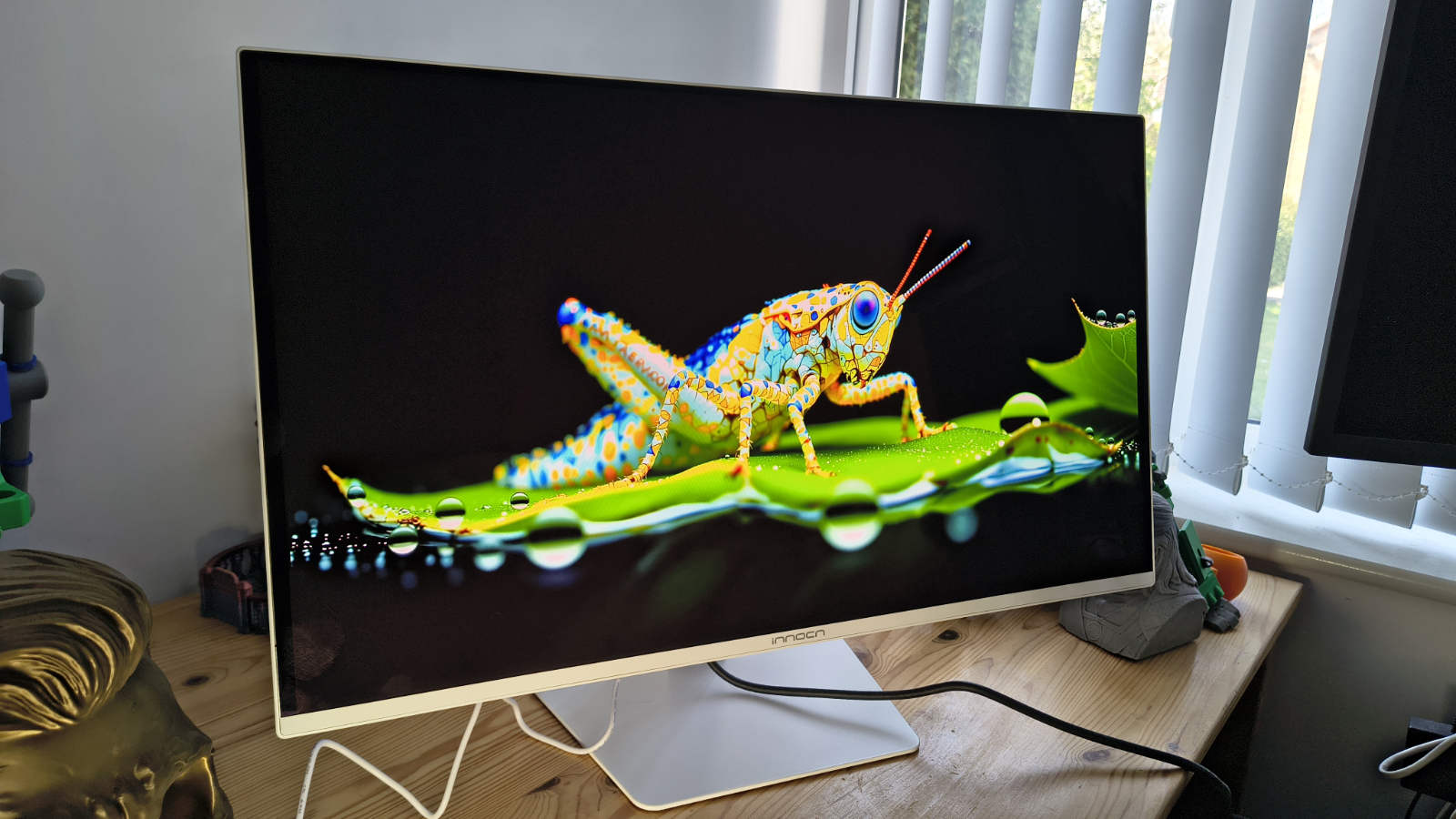
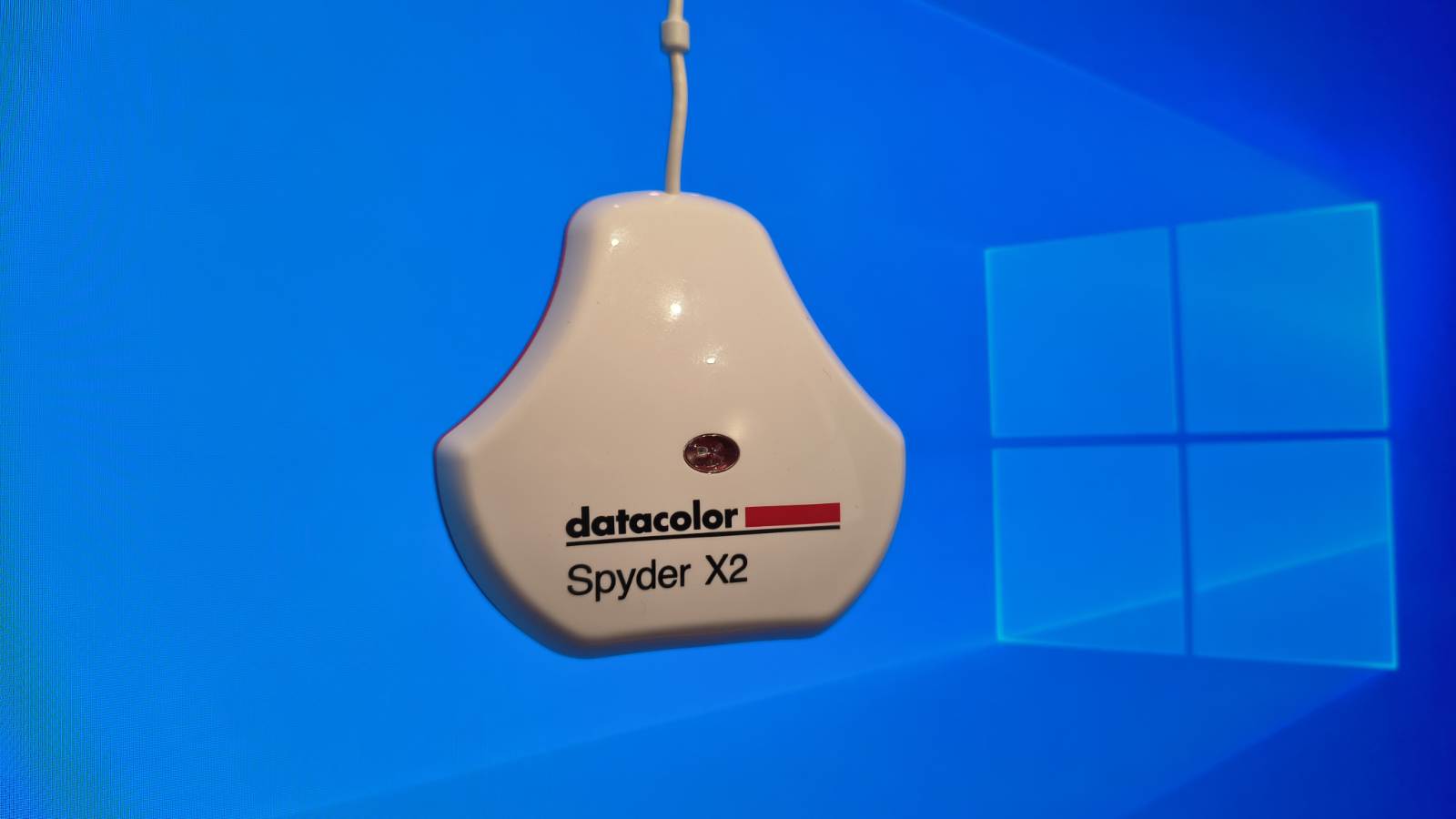
For creative professionals, the color gamut coverage is a primary selling point. The GA27S1Q achieves 100% sRGB, 99% AdobeRGB, and 98% DCI-P3 coverage. With a factory-calibrated Delta E of less than 2, the monitor is ready for professional photo editing and video grading right out of the box. The contrast ratio is rated at a staggering 1,500,000:1, providing the "infinite" blacks that are the hallmark of self-emissive pixel technology.
Design, Ergonomics, and Connectivity
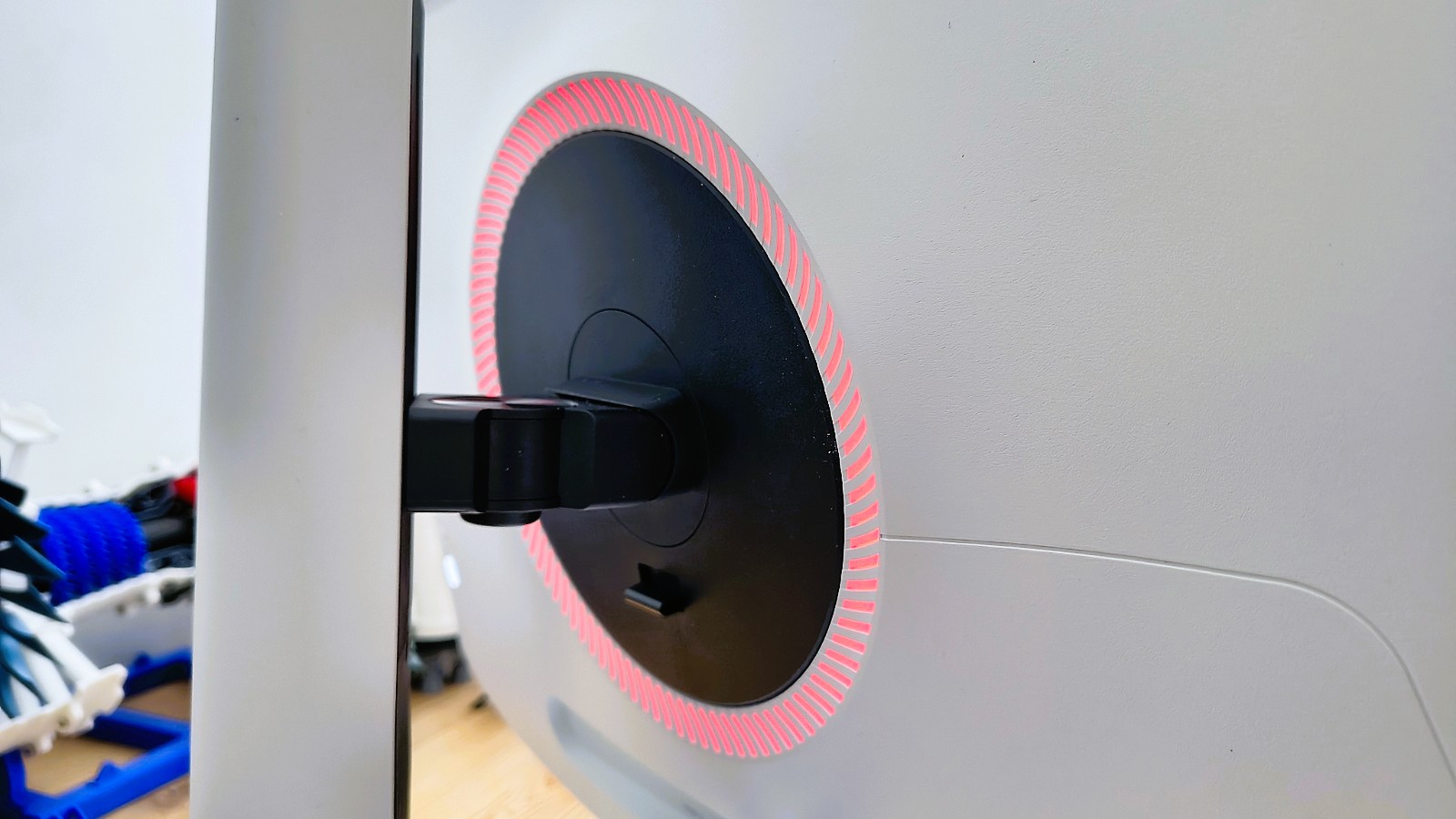
InnoCN has opted for a "functional-minimalist" design language for the GA27S1Q. The display features a three-sided frameless bezel that maximizes the screen-to-body ratio, making it an ideal candidate for multi-monitor setups. While the rear of the chassis includes customizable RGB lighting—a nod to its gaming DNA—the lighting can be disabled entirely, allowing the monitor to blend seamlessly into a professional office environment.
The stand is a highlight of the package, offering a level of ergonomic flexibility often omitted in "budget-friendly" high-end monitors. It provides 120mm of height adjustment, 22.5 degrees of swivel in either direction, a tilt range of -5 to +20 degrees, and a full 90-degree pivot capability for portrait orientation. For those who prefer custom mounting solutions, the monitor supports the VESA 100 x 100mm standard.
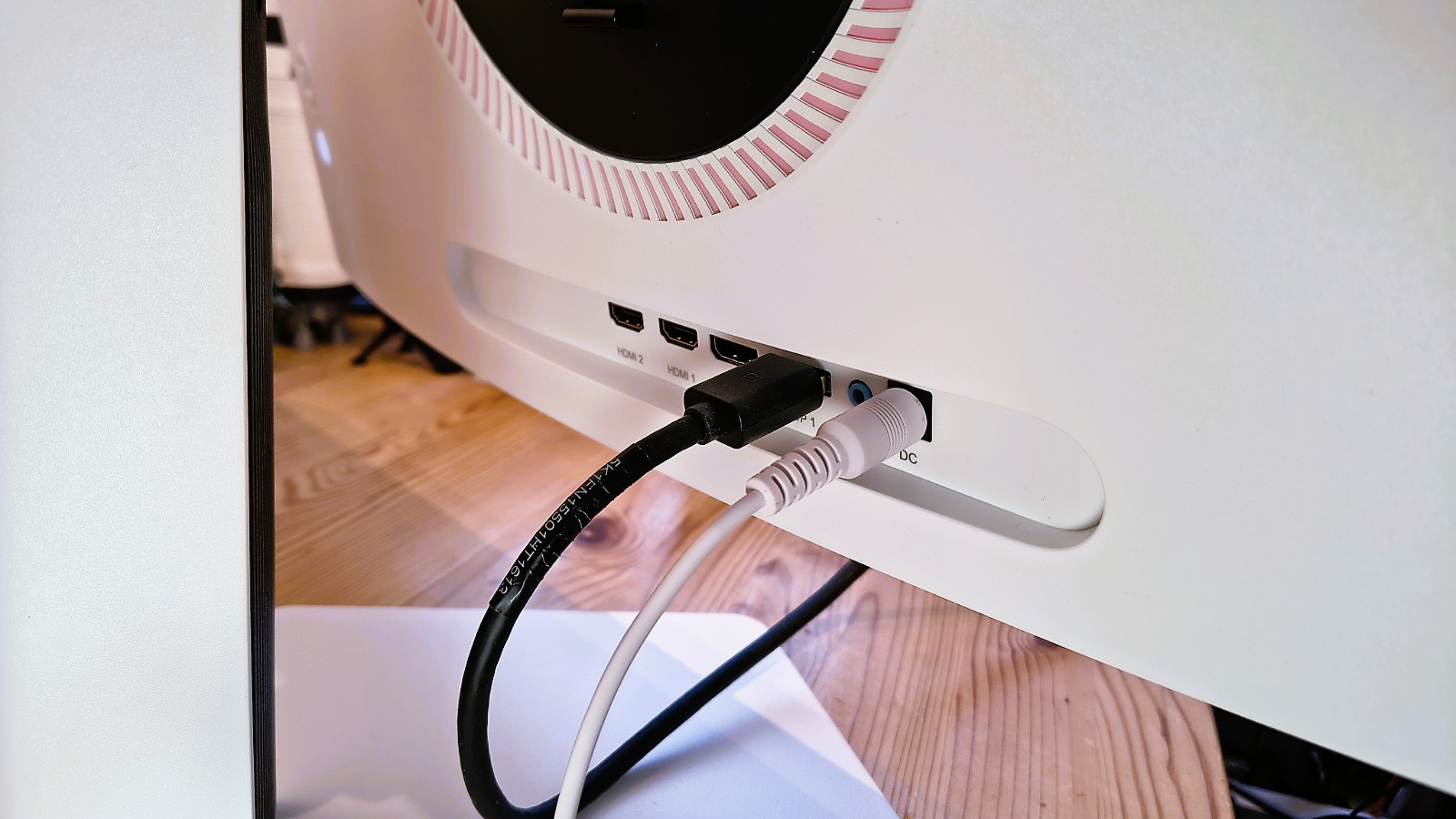
Connectivity is robust, featuring two HDMI 2.1 ports and two DisplayPort 1.4 inputs. The inclusion of dual HDMI 2.1 ports is particularly significant for users who juggle multiple high-bandwidth devices, such as a high-end PC and a current-generation gaming console (PlayStation 5 or Xbox Series X), both of which can take advantage of the 1440p resolution at high refresh rates. However, the design does have one notable omission: the lack of a built-in USB hub. Users who rely on their monitor to act as a docking station for peripherals will need to look toward external solutions.
The Longevity Challenge: Addressing OLED Degradation
A persistent concern with OLED technology, particularly in a desktop monitor context where static elements like taskbars and window borders are common, is the risk of "burn-in" or permanent image retention. This occurs because organic light-emitting diodes degrade over time at different rates based on usage intensity.
To mitigate these risks, InnoCN has integrated a comprehensive suite of protective features within the On-Screen Display (OSD). These include:
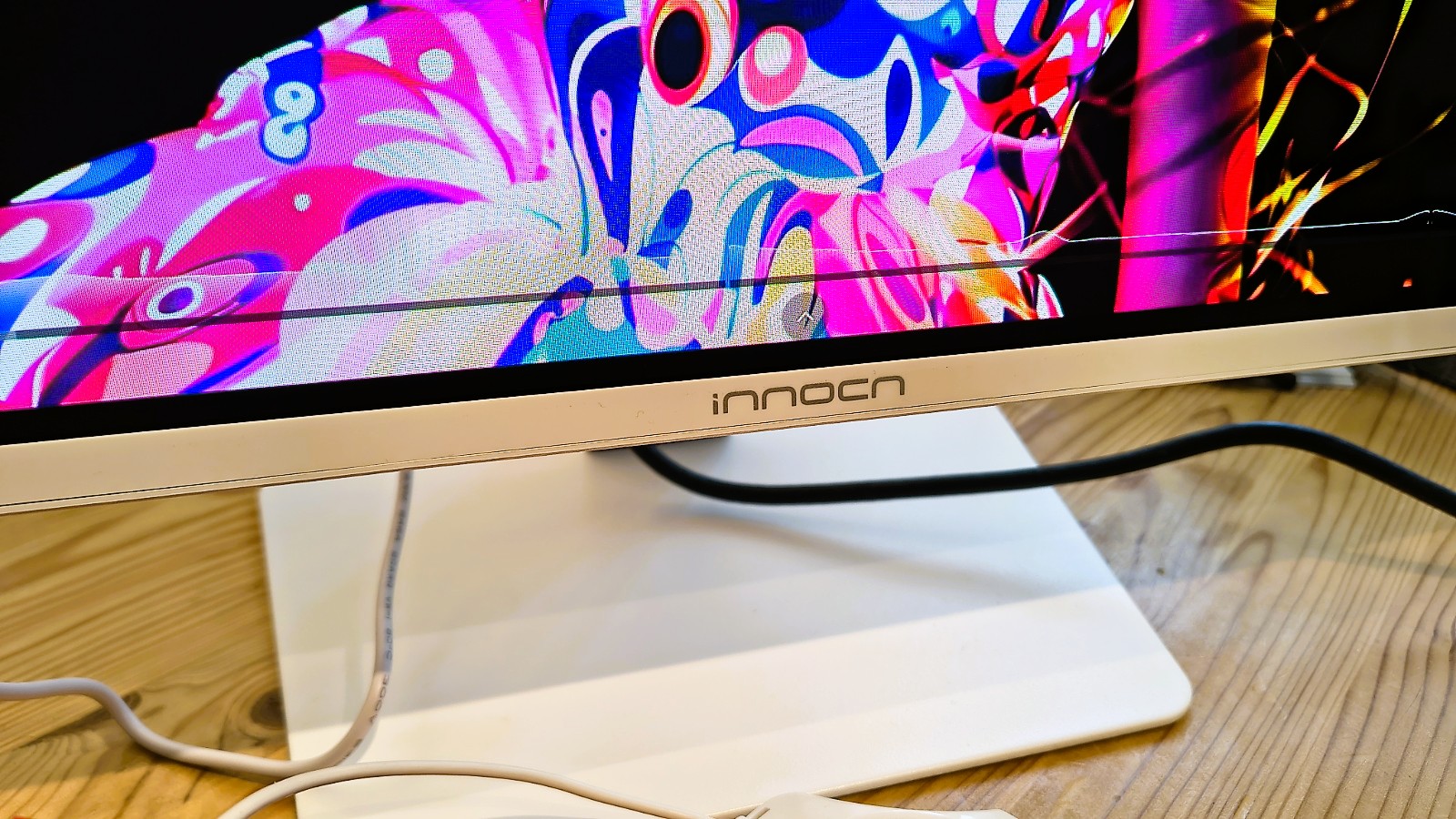
- Pixel Shifting: Periodically moving the entire image by a few pixels to ensure no single diode is constantly displaying the same color.
- Static Icon Dimming: Automatically detecting and lowering the brightness of persistent elements like taskbars or HUDs.
- Boundary Detection: Identifying high-contrast edges and adjusting luminance to prevent uneven wear.
- Care Mode: A dedicated maintenance cycle that refreshes the panel during downtime.
Industry experts suggest that while an OLED panel can technically last up to a decade, the "usable life" in a high-intensity monitor environment typically ranges from three to six years before noticeable degradation occurs. By including these mitigation tools, InnoCN is providing users with the necessary software to maximize the lifespan of their investment, though the company notes that proper usage habits—such as using dark modes and setting short screen-sleep timers—remain essential.
Comparative Analysis and Limitations
While the GA27S1Q excels in color and speed, it is not without its limitations, primarily centered on brightness. The panel is rated at a typical SDR brightness of 250 nits. While this is sufficient for a controlled lighting environment or a dim studio, it may struggle in offices with significant natural light or aggressive overhead fluorescent lighting.
Furthermore, while the monitor carries the VESA DisplayHDR True Black 400 certification, it lacks the peak luminance required for a "premium" HDR experience, which usually demands 1,000 nits or more. This makes it a stellar tool for color grading and content consumption, but perhaps less ideal for high-end HDR mastering compared to much more expensive Mini-LED or professional reference monitors.
Another quirk noted by early adopters is the OSD behavior during HDR mode. When HDR is active, many manual adjustments—including brightness and contrast—are locked out to maintain the HDR metadata integrity. Users looking to calibrate the screen manually must ensure HDR is disabled in the OS settings before making adjustments.
Broader Impact on the Display Industry
The introduction of the InnoCN GA27S1Q is likely to trigger a ripple effect across the monitor market. As boutique brands prove that high-quality QD-OLED panels can be sold profitably at the $400-$500 price point, larger manufacturers will face increased pressure to lower their margins or innovate further to justify their premium pricing.
For the professional sector, this monitor represents a "gateway" device. It allows smaller agencies and independent contractors to access the same visual fidelity used by major studios without the prohibitive overhead. The convergence of "gaming" specs (high refresh rates) and "pro" specs (color accuracy) in a single, affordable chassis reflects a growing trend where the line between work and play hardware is increasingly blurred.
Conclusion and Future Outlook
The InnoCN GA27S1Q is a testament to how quickly high-end technology can transition from the bleeding edge to the mainstream. By focusing on the essentials—panel quality, color accuracy, and ergonomic flexibility—and trimming non-essential luxuries like integrated USB hubs or premium branding, InnoCN has delivered a product that is difficult to ignore.
As the company continues to expand its footprint in North America and Europe, the GA27S1Q stands as a flagship for their "value-first" philosophy. For consumers and businesses willing to look past the lack of a household brand name, the reward is a visual experience that was, until very recently, priced out of reach for the average user. The monitor is not just a tool for gaming; it is a high-performance instrument for the modern digital economy, offering a glimpse into a future where OLED is the standard, rather than the exception.