South Korea proceeds with case over allegedly misleading Apple Intelligence ads

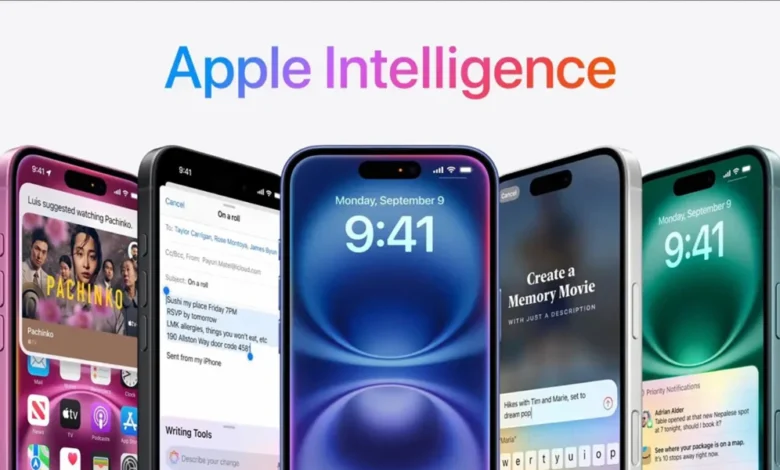
The regulatory action marks a significant escalation in the global scrutiny Apple has faced regarding the marketing of its generative AI suite. The Korea Fair Trade Commission (KFTC) has initiated formal deliberation procedures following an exhaustive investigation into whether Apple’s promotional materials for the iPhone 16 series misled consumers by overstating the availability and capabilities of "Apple Intelligence" features at the time of purchase.
The Core Allegations
At the heart of the dispute is the discrepancy between Apple’s aggressive marketing campaign and the actual delivery timeline of software features. Investigators at the KFTC have concluded that Apple’s advertising strategy, which relied heavily on the promise of an AI-integrated smartphone experience, failed to provide sufficient clarity regarding the staggered rollout of these technologies.
The regulator’s findings suggest that while Apple did include fine-print disclosures regarding a staggered release, these details were effectively buried or presented in a way that downplayed their importance to the average consumer. The KFTC alleges that by omitting material information—or concealing the true scale of the delays—Apple influenced purchasing decisions under false pretenses. Specifically, the commission pointed to features such as Genmoji, Image Playground, and the highly anticipated "personal context" awareness for Siri.

The investigation highlighted that Siri’s ability to understand personal context was marketed as a foundational feature of the iPhone 16. While Apple initially stated that these capabilities would arrive in US English by the end of 2024, with Korean language support following in early 2025, the reality diverged sharply. US English support did not reach full maturity until September 2026, and Korean-language integration—a critical factor for the South Korean market—did not arrive until October 2026, roughly eighteen months later than many consumers were led to expect.
A Chronology of the Dispute
The roots of this legal challenge trace back to early 2025. Shortly after Apple announced substantial delays to the rollout of its AI-powered Siri architecture, the Seoul-based civic organization Seoul YMCA filed a formal complaint. The organization argued that Apple had continued to aggressively market the iPhone 16 as an "AI-ready" device even after internal data presumably indicated that the feature set would be significantly delayed.
- September 2024: Apple launches the iPhone 16 with a global marketing blitz, including a high-profile store makeover at its Fifth Avenue location and advertisements featuring actress Bella Ramsey, positioning the device as a new era of AI.
- March 2025: Following public frustration over the missing features, the Seoul YMCA files a complaint with the KFTC, alleging deceptive advertising and calling for consumer compensation.
- May 2026: Apple faces international pressure, including a $250 million class-action settlement in the United States related to the same AI marketing claims, and separate regulatory scrutiny in Brazil.
- November 2026: The KFTC formally submits its investigation report to the Commission, moving the case into the deliberation phase.
Supporting Data and Financial Stakes
The financial implications for Apple in South Korea are substantial. The KFTC investigators have estimated that the revenue Apple generated from iPhone 16 sales during the period in which these advertisements were active is approximately 3.35 trillion South Korean won, or roughly $2.5 billion USD. While the specific fine has not yet been set, regulatory analysts suggest a penalty ranging between $21 million and $48 million.
This figure represents more than just a fiscal penalty; it serves as a signal that international regulators are becoming increasingly intolerant of "vaporware" marketing—a practice where companies advertise future software capabilities as if they are currently functional to drive initial hardware sales. The potential fine is calculated based on the severity of the violation of South Korea’s Labeling and Advertising Act, which prohibits the dissemination of false or misleading information that could influence the economic behavior of consumers.

Official Responses and Legal Defense
Apple has maintained a consistent stance throughout the investigation. In a statement provided to industry observers, the company confirmed that it has cooperated fully with the KFTC’s inquiry but strongly disagrees with the findings.
Apple’s defense emphasizes that the company communicated the staggered nature of the rollout through its official channels and that it has since fulfilled its commitments by delivering Korean-language support for both Apple Intelligence and Siri AI. The company is expected to leverage these updates as evidence of its commitment to the South Korean market. Apple now has a six-week window to submit a formal written defense. During this time, legal teams will likely focus on the nuances of their disclaimers and the technical complexity of localizing generative AI models, which require significantly more time for cultural and linguistic fine-tuning than standard software updates.
Broader Implications for the Tech Industry
The KFTC’s move against Apple is part of a growing trend of global regulatory bodies taking a closer look at the intersection of AI hype and consumer protection. As generative AI becomes a central pillar of smartphone marketing, the gap between "advertised potential" and "actual utility" is increasingly being treated as a legal liability rather than a marketing strategy.
For Apple, the precedent is troubling. The settlement in the United States and the ongoing investigations in South America and Asia indicate that the company’s "AI-first" marketing strategy for the iPhone 16 has created a global patchwork of legal challenges. If the KFTC decides to impose a heavy fine, it may embolden other national regulators to follow suit, potentially leading to a series of cascading penalties that could force the company to rethink how it communicates feature roadmaps to the public.

Furthermore, this case raises fundamental questions about the lifecycle of modern smartphones. As hardware manufacturers transition into "software-as-a-service" models, where the value of the device is tied to ongoing AI updates, consumers are increasingly viewing missing features as a failure of the product itself. If the KFTC rules in favor of the Seoul YMCA, it could set a standard that requires tech giants to provide clearer, more legally binding timelines for software features before they can be used as primary selling points in advertisements.
Looking Ahead
The upcoming KFTC deliberation will be a closely watched event in the technology sector. The outcome will determine not only the financial repercussions for Apple in the South Korean market but also establish a baseline for how regulators worldwide evaluate the legitimacy of AI-based advertising.
While Apple continues to argue that its efforts to localize and implement these complex features demonstrate a good-faith effort to serve its user base, the Commission’s investigators have clearly signaled that good intentions do not exempt a company from the requirement to be transparent with consumers. For now, the tech industry awaits a final verdict that could reshape the way premium devices are marketed in the era of artificial intelligence. As the six-week window for the defense begins, both the regulators and the tech giant are preparing for a confrontation that highlights the tension between rapid innovation and the necessity of consumer trust.