Tesla Full Self-Driving v15 rollout begins: full release notes and improvements

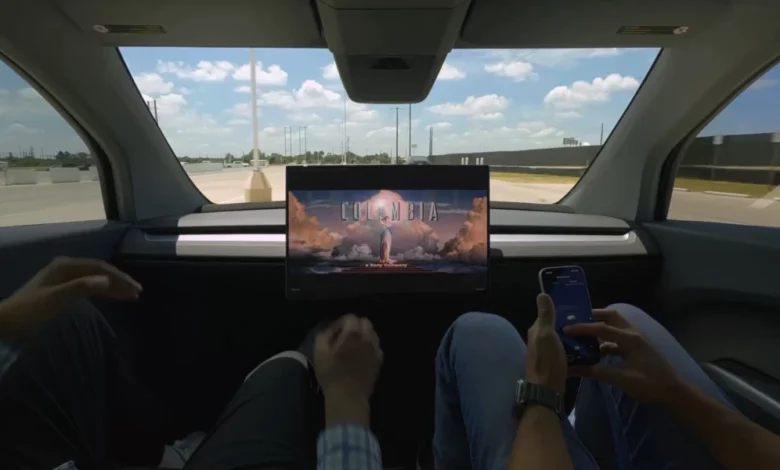
Tesla has officially initiated the rollout of Full Self-Driving (FSD) version 15, marking a significant milestone in the company’s ongoing efforts to achieve autonomous vehicle capabilities. Following a series of teasers and a confirmation from CEO Elon Musk earlier in November 2026, the software update is currently being distributed to members of the company’s Early Access Program (EAP). This release, which Tesla aims to push to a wider consumer base during the 2026 Holiday Update in December, represents a fundamental shift in how the vehicle’s end-to-end neural networks process real-world driving data.
The deployment of v15 arrives as the latest iteration of a platform that has seen rapid iteration throughout 2026. While previous versions focused on refining navigation and basic maneuverability, v15 introduces comprehensive architectural changes designed to improve safety-critical decision-making and human-machine interaction.
Technical Advancements and Architectural Changes
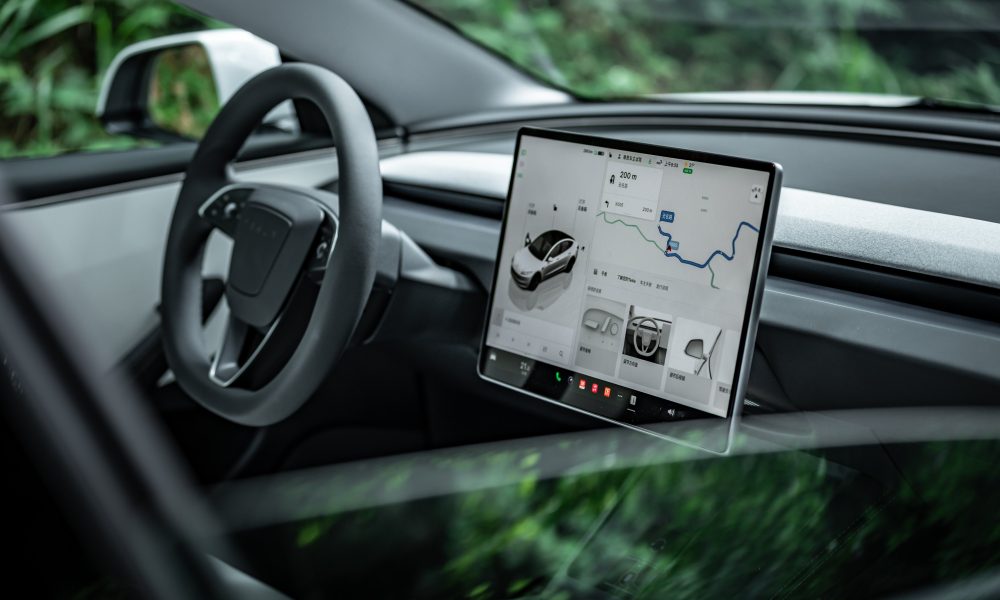
The core of the v15 release is centered on the modernization of Tesla’s end-to-end driving network. According to official release notes provided by the company, the update promises a 25-fold improvement in the handling of safety-critical scenarios. This specific metric underscores a pivot toward increased reliability in edge cases—situations where the system previously struggled, such as complex intersections, erratic human driver behavior, or unpredictable road hazards.
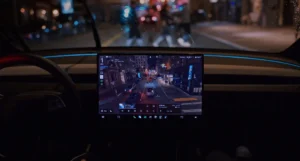
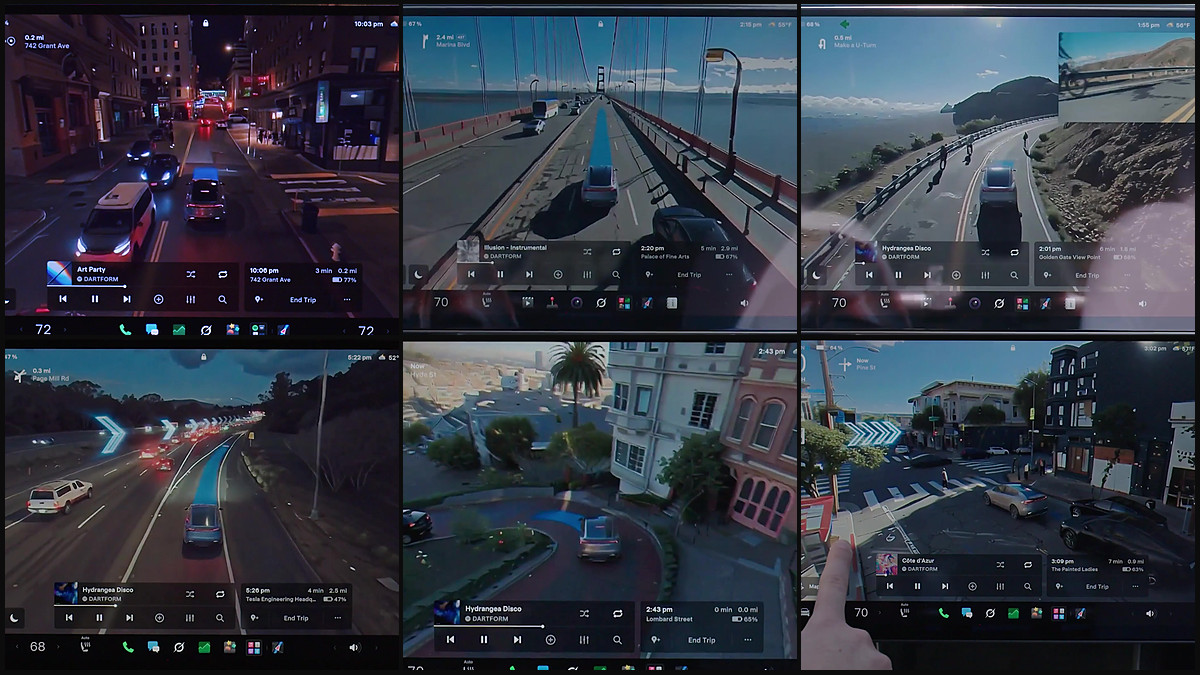
A standout feature in this update is the introduction of "Tesla Reality View." This feature provides a live, high-fidelity visualization of the vehicle’s surroundings, offering passengers a transparent look into how the FSD computer perceives and interprets the environment. Industry analysts have pointed to evidence suggesting that this visualization layer may leverage the Unreal Engine, allowing for a rendering quality that is significantly more detailed and responsive than previous iterations. By providing this transparency, Tesla aims to increase user trust by allowing drivers to see exactly what the system is planning to do before it executes a maneuver.
Addressing Longstanding Consumer Pain Points
The transition to v15 also serves to resolve several recurring criticisms that have persisted through the v14 cycle. User feedback regarding the software’s performance, particularly in urban and highway settings, often highlighted issues with lane selection, HOV lane usage, and abrupt lane changes. Elon Musk addressed these concerns directly, confirming that the new version includes logic updates to improve navigation efficiency and lane etiquette.

Furthermore, the update introduces enhanced detection capabilities for environmental variables that previously challenged the Autopilot suite. Drivers can expect improved recognition of road debris, animals, and potholes, as well as more natural speed modulation in school zones and during inclement weather. These refinements are critical for transitioning the system from a "supervised" tool to one that feels more intuitive and comfortable for the average driver.
One of the most requested features included in this update is "Bike Rack Mode." Previously, the presence of hitch-mounted accessories often triggered alerts or inhibited certain FSD functions. This new mode allows the system to remain active even when external gear is attached to the rear of the vehicle, effectively expanding the utility of the software for outdoor enthusiasts and families.
Chronology of Development
The path to the release of v15 has been marked by a transparent—and at times unconventional—development process. Throughout the third and fourth quarters of 2026, Tesla’s Head of AI, Ashok Elluswamy, signaled that the company was prioritizing collision avoidance and safety systems as the primary pillars of the upcoming software architecture.

- September 2026: Tesla leadership confirms that v15 will prioritize collision avoidance and general safety, signaling a shift away from feature-heavy updates toward stability and reliability.
- November 21, 2026: Elon Musk publicly announces that v15 will be released to the Early Access Program immediately, with a wide-scale rollout scheduled for the December 2026 holiday season.
- Late November 2026: Initial builds of v15 reach EAP users, with accompanying release notes outlining improvements to navigation, hazard detection, and user interface design.
This rapid-fire deployment schedule aligns with Tesla’s strategy of utilizing its vast fleet to gather real-world data, which is then fed back into the training pipeline. Musk has famously described the process of "supervised fine-tuning" for AI models as akin to "getting a haircut with a chainsaw," arguing that these behaviors should be integrated into the primary training phase of the neural network rather than treated as an afterthought.
Broader Implications for the Autonomous Industry
The implications of the v15 rollout extend far beyond simple software convenience. As Tesla prepares to shift its focus toward its dedicated robotaxi fleet—including the two-seat Cybercab and the proposed six-seat autonomous Model Y—the reliability of the underlying FSD software becomes the company’s most valuable asset.
The decision to move toward a "system-less" prompt approach, where default behaviors are sensible and embedded within the core logic of the AI, suggests that Tesla is moving closer to a model that requires less human intervention. By refining the "end-to-end" learning process—where the software learns directly from fleet route preferences—Tesla is effectively crowdsourcing the collective driving intelligence of millions of vehicles.

However, the industry remains divided on the timeline for fully unsupervised driving. While Tesla continues to make strides in capability, regulatory hurdles and the inherent unpredictability of human-controlled traffic remain significant barriers. The performance of v15 in the coming months will likely serve as a litmus test for whether the company can truly bridge the gap between advanced driver assistance and full Level 4/5 autonomy.
Market and Competitive Context
Tesla’s commitment to its proprietary hardware and software ecosystem continues to differentiate it from competitors who rely heavily on LiDAR and high-definition mapping. By leaning into vision-based AI and utilizing tools like the Unreal Engine for visualization, Tesla is betting on the scalability of its camera-based approach.
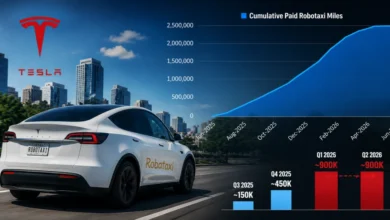
The success of this strategy is evidenced by the company’s manufacturing and software deployment volume. With Giga Shanghai operating at high capacity and the continued expansion of autonomous ride-hailing services in cities like Austin and Dallas, the software improvements contained in v15 are essentially the "operating system" for a new era of transportation.
As the December 2026 holiday rollout approaches, the automotive world will be watching closely to see if v15 delivers on its promise of a safer, more intuitive driving experience. For current Tesla owners, the update represents a significant leap in vehicle utility, potentially transforming the ownership experience from one of manual driving with assistance to one of shared collaboration with a highly capable, machine-learning-driven co-pilot.
Conclusion
The release of FSD v15 is a culmination of years of iterative development and a strategic focus on AI-driven vehicle intelligence. While the software still operates under a "supervised" framework, the improvements to safety-critical handling, environmental awareness, and user-facing visualizations mark a clear progression toward the company’s long-term goal of total autonomy.
Whether these changes will be enough to satisfy regulators and public demand for unsupervised driving remains to be seen. Nonetheless, by fixing fundamental navigation flaws and enhancing the system’s ability to "see" and "react" to the world, Tesla is solidifying its position at the forefront of the global race to solve the complex problem of self-driving transportation. As the December rollout nears, the focus will shift from the promise of the software to its real-world performance in the hands of millions of Tesla owners worldwide.