The Best Dell Laptops to Buy in 2025: A Comprehensive Guide to Performance and Reliability

For decades, the name Dell has been synonymous with the evolution of the personal computer. From its origins as a scrappy direct-to-consumer pioneer in 1989 to its status as a global enterprise hardware giant, the company has maintained a steadfast presence in the lives of students, professionals, and gamers alike. As 2025 progresses, the landscape of Dell’s product offerings has undergone a significant transformation, marked by a shift in naming conventions designed to simplify consumer choices while maintaining the high standards of the XPS, Inspiron, and Precision series.

The current market environment for laptops is characterized by intense competition, particularly with the rise of Windows on ARM and the continued efficiency gains in Intel’s latest silicon. As users seek to navigate these changes, understanding the distinction between legacy product tiers and the new, streamlined branding becomes essential.
A New Era of Naming Conventions
In January 2025, Dell initiated a major rebranding strategy, moving away from long-standing monikers like Inspiron, Latitude, and Precision. Under the new nomenclature, the company aims to emulate the clarity found in Apple’s MacBook lineup. The entry-level Inspiron lines are now simply designated as "Dell" and "Dell Plus," while the premium XPS series has transitioned to "Dell Premium." The professional-grade Latitude and workstation-class Precision lines have been rebranded as "Dell Pro" and "Dell Pro Max," respectively, with tiered sub-classifications such as "Plus" and "Premium" to denote hardware capability.
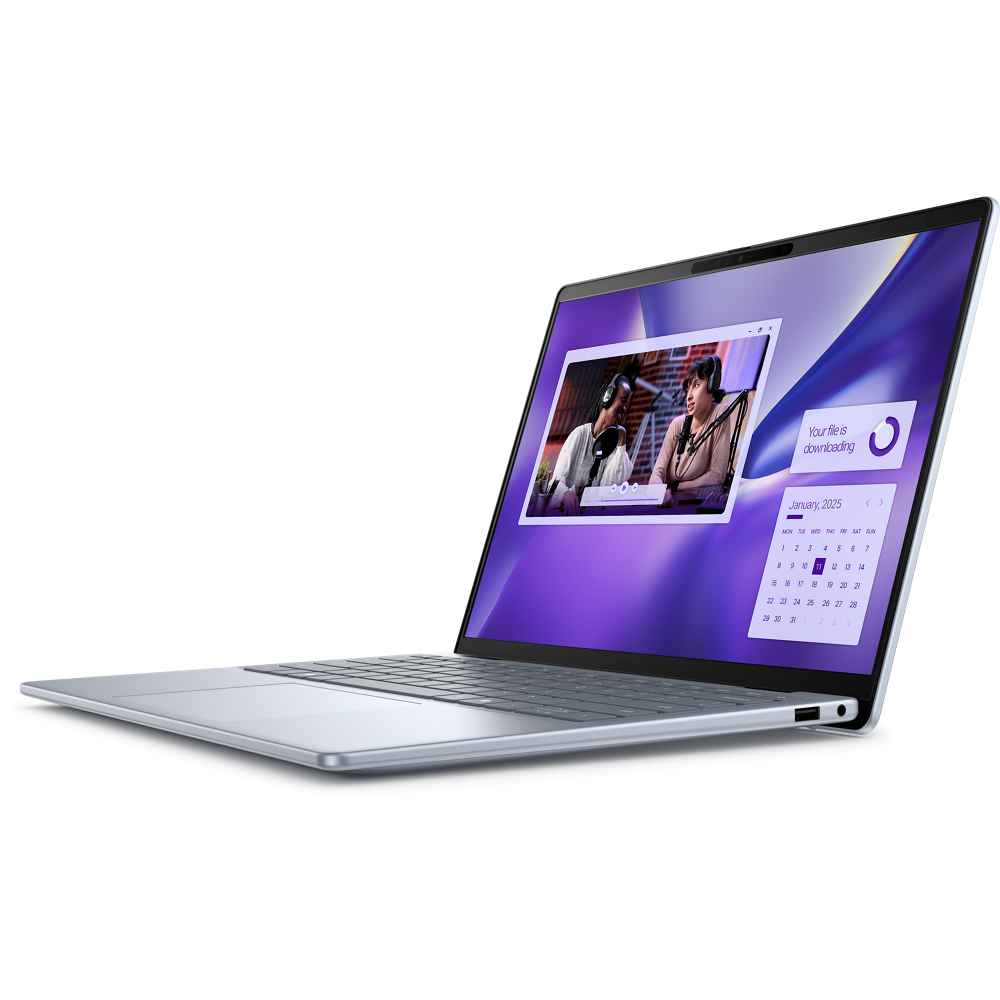
Despite these changes, the fundamental architecture of the machines remains consistent with the engineering excellence that defined their predecessors. For prospective buyers, this transition period offers a unique opportunity to secure high-performance hardware from the previous branding cycle at significant discounts, often found through current retail inventory clearance sales.
Performance Leaders: The Top Picks for 2025
The Best All-Rounder: Dell Inspiron 14 Plus (7441)
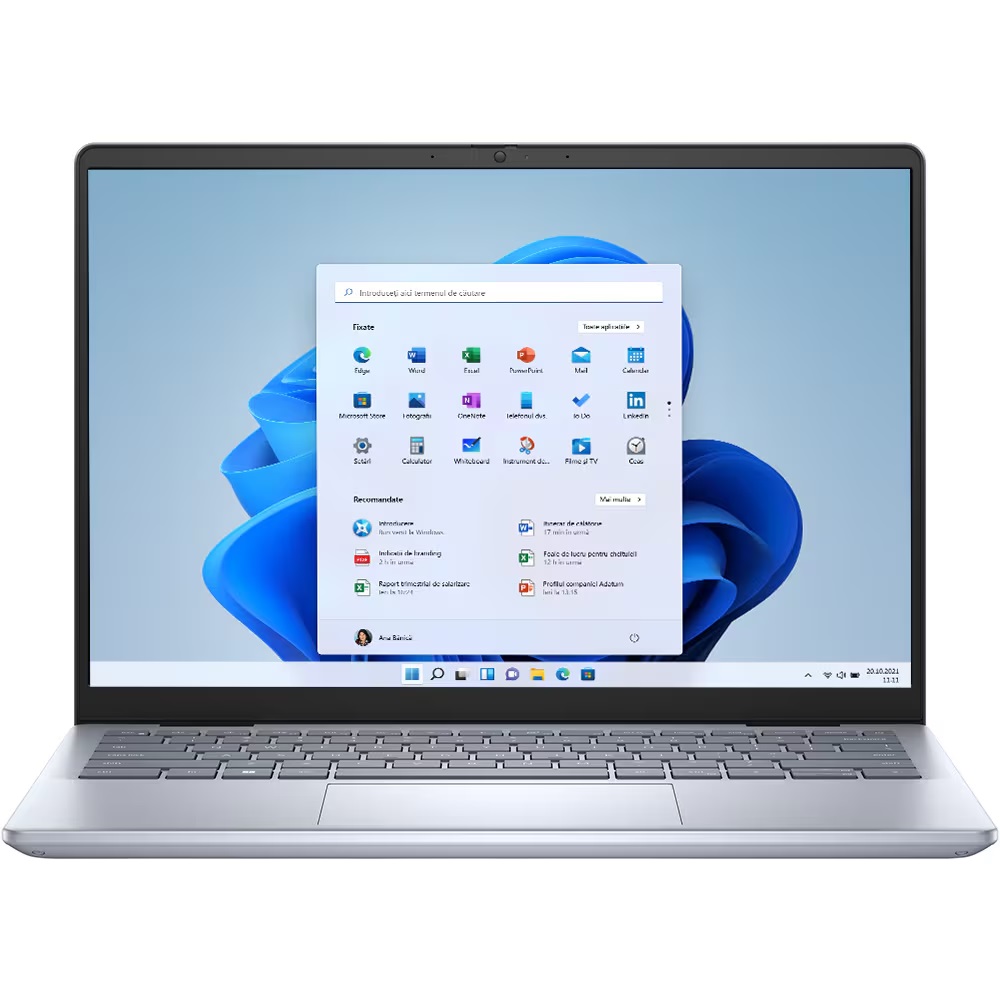
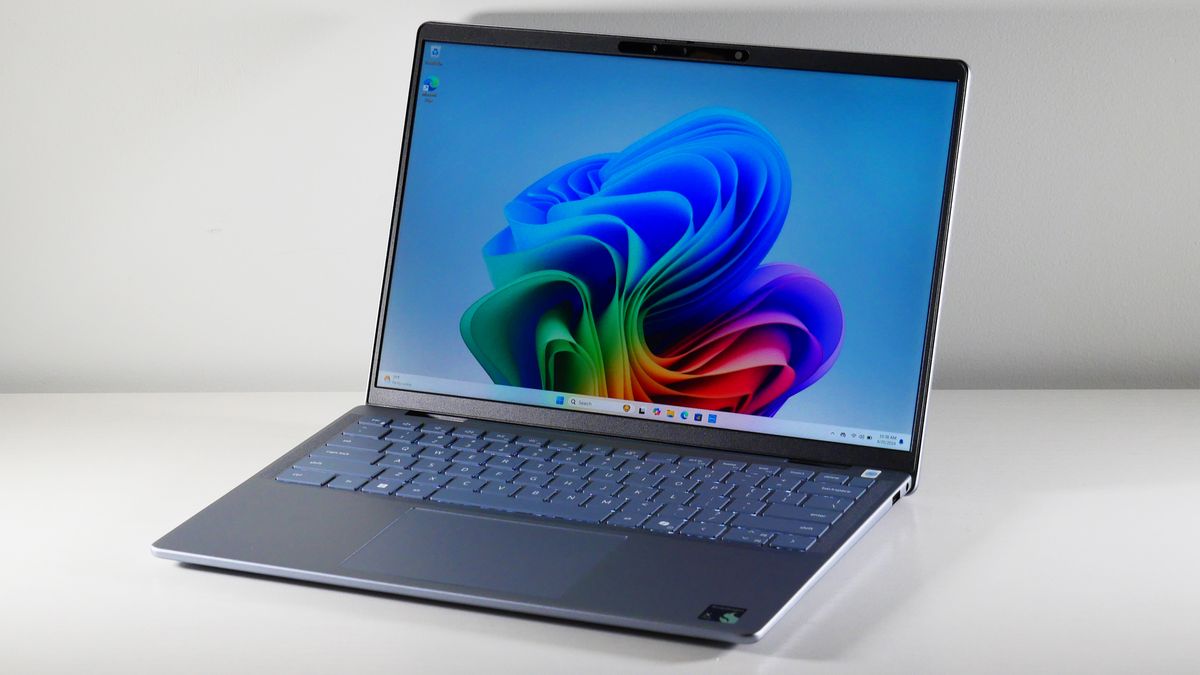
The Inspiron 14 Plus (7441), powered by the Qualcomm Snapdragon X Plus, currently stands as the most balanced laptop in the company’s portfolio. Achieving a Geekbench 6 multi-core score of 13,281, it outperforms the average premium laptop by approximately 22%. Its primary advantage lies in its power efficiency, enabling over 18 hours of battery life—a milestone that significantly eases the burden on mobile professionals. However, users should note that the transition to an ARM-based architecture may require verifying compatibility for specialized niche applications.
The Budget Champion: Dell Inspiron 14 Plus (7440)
For users prioritizing value, the Intel-based Inspiron 14 Plus (7440) remains an industry benchmark for budget-conscious performance. Utilizing the Intel Core Ultra 7 155H processor, this machine offers robust multi-tasking capabilities, scoring 12,729 in multi-core benchmarks. Unlike the ARM-based alternatives, this model features Intel Arc integrated graphics, which provide a tangible advantage in light gaming and legacy software compatibility. It maintains a solid battery life of over 15 hours, making it an ideal candidate for students and small business owners.
The Gaming Powerhouse: Dell G16 (7630)
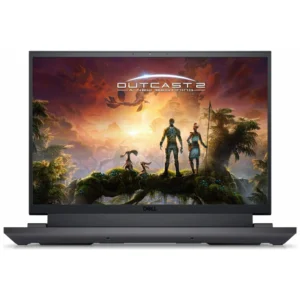
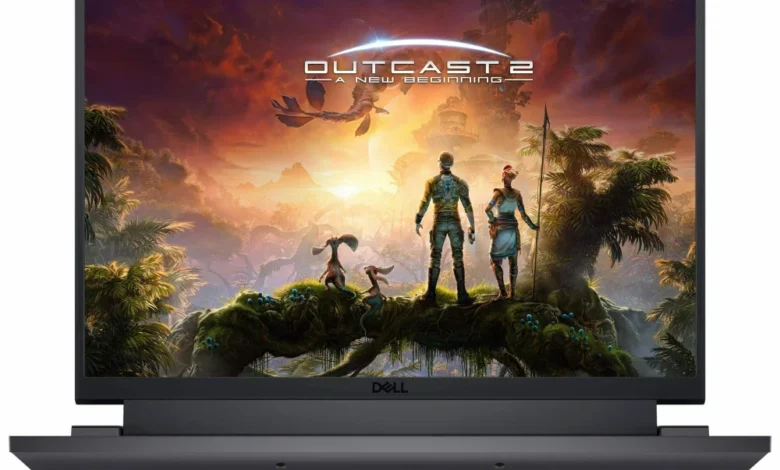
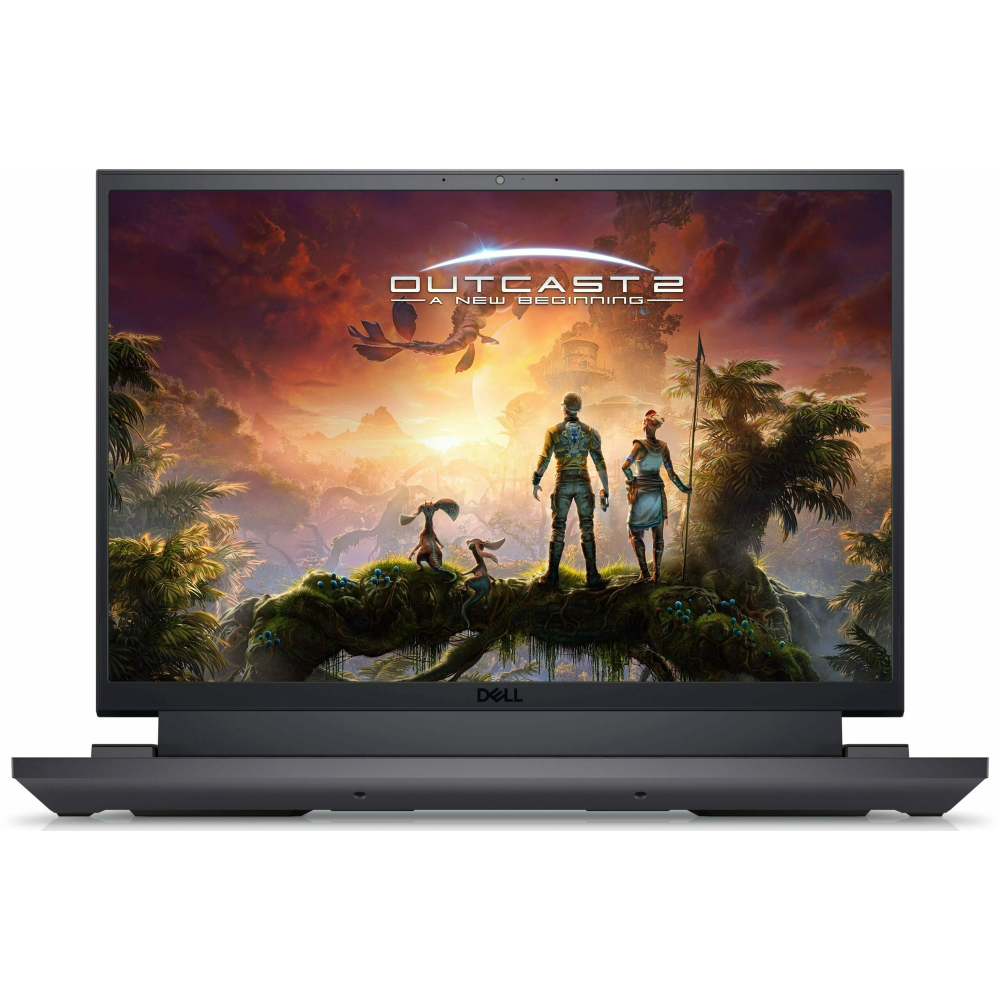
The gaming sector has seen a contraction in budget-friendly hardware, but the Dell G16 (7630) remains a notable exception. Priced aggressively under $1,000, it manages to integrate an Nvidia GeForce RTX 4060 GPU and a 240Hz display. The standout feature of this model is its inclusion of a Cherry MX tactile mechanical keyboard, a luxury component rarely seen in machines at this price point. While the internal speakers are considered a weak point, the performance-to-price ratio remains highly favorable for mobile gaming.
The Display Elite: Dell XPS 13 OLED (9350)
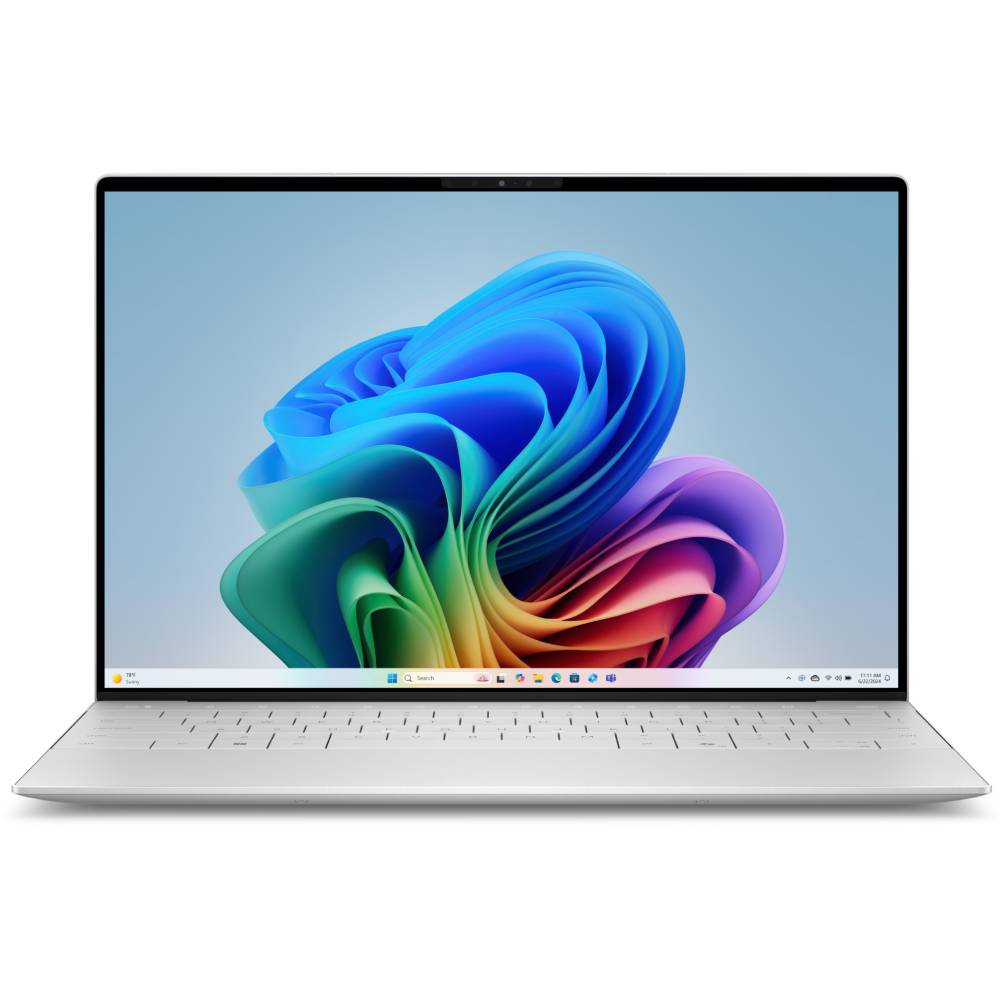
The XPS 13 has long been the flagship for design-forward computing. The 2024-2025 iteration, specifically the model equipped with the Intel Core Ultra 7 258V and a tandem OLED display, offers arguably the best visual experience in the Dell lineup. With 144.6% coverage of the DCI-P3 color gamut, the display renders vibrant, accurate colors that far exceed the performance of standard IPS panels. While the tandem OLED technology draws more power, resulting in a shorter battery life of approximately 8 hours and 40 minutes, the visual fidelity is unmatched for creative professionals.
Comparative Benchmarking and Technical Analysis
To understand how these machines compare in a controlled environment, it is necessary to look at standardized metrics. In synthetic graphics testing via 3DMark Fire Strike, the Intel-based Inspiron 14 Plus (7440) achieved a score of 8,082, outperforming the Snapdragon-based variant (5,965) by 27%. This data underscores the current divide between ARM efficiency and traditional x86 graphics prowess.
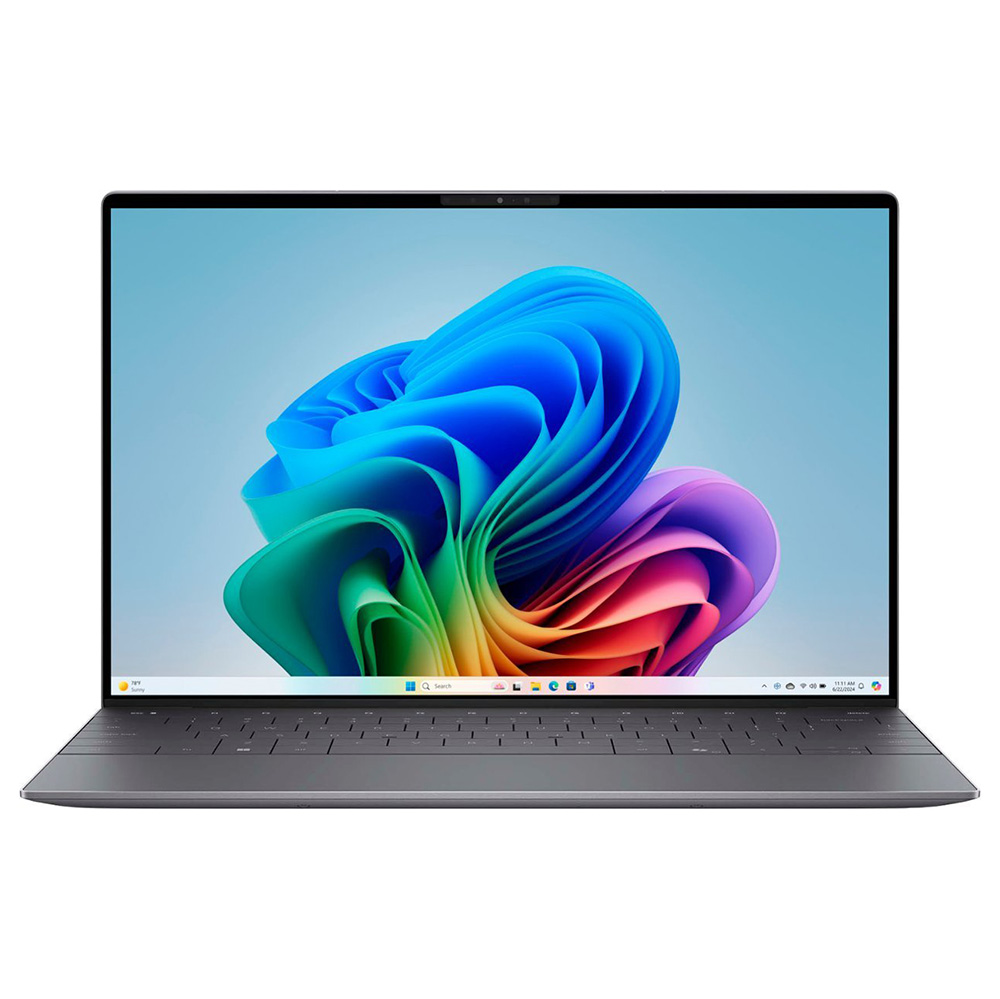
Conversely, when examining battery longevity in real-world web-surfing scenarios, the Snapdragon-based XPS 13 (9345) leads the pack, reaching 19 hours and 1 minute of uptime. These figures demonstrate the trade-offs inherent in modern laptop design: portability and battery life versus raw graphics performance and application compatibility.
Broader Implications and Strategic Shifts
Dell’s decision to move toward a simplified naming structure reflects a broader trend in the PC industry: the commoditization of hardware and the rise of service-oriented branding. By aligning their tiers with "Pro" and "Max" designations, Dell is attempting to capture the professional creative market that has historically gravitated toward the Apple ecosystem.
Furthermore, the integration of Qualcomm’s Snapdragon X series processors indicates a strategic pivot toward the "always-connected, all-day-battery" paradigm. This shift has implications for the entire software ecosystem, as Microsoft and its partners push for broader Windows on ARM support. For the average consumer, this means that the "best" laptop is increasingly defined not just by raw clock speed, but by the efficiency of the thermal design and the longevity of the battery.
How We Evaluate Hardware
At the core of these recommendations is a rigorous testing methodology. Each device is subjected to a series of synthetic benchmarks, including Geekbench 6 and 3DMark, combined with real-world stress tests. These include 4K video transcoding and large-file compression tasks to simulate professional workloads.

Heat management is a critical factor in our assessment; devices that consistently exceed the 95-degree Fahrenheit surface temperature threshold on the underside are flagged as less suitable for lap use. For display testing, we utilize a Klein K10 colorimeter to measure peak brightness in nits and color gamut coverage. By combining these quantitative data points with extensive, multi-day hands-on testing by our editorial team, we ensure that every recommended device meets the practical demands of daily use.
Final Considerations for Buyers
When selecting a Dell laptop in 2025, buyers should focus on their primary use case:
- For General Productivity: The Inspiron (Dell) or Inspiron Plus (Dell Plus) series provides the best value.
- For Creative Professionals: The XPS (Dell Premium) line, particularly with the OLED display, is the superior choice for color accuracy.
- For Intensive Workstations: The Precision (Dell Pro Max) series is essential for those handling 3D rendering or high-resolution video production.
- For Business Environments: The Latitude (Dell Pro) series remains the standard for durability, security, and enterprise-grade support.
As the industry continues to evolve, Dell’s commitment to providing a wide range of form factors ensures that there is a machine tailored to virtually every technical requirement. By staying informed about the underlying hardware transitions—specifically the shift toward ARM architecture—consumers can make educated investments that will remain viable for years to come. Whether one is a student, a gamer, or an enterprise professional, the current Dell lineup offers a sophisticated array of options designed to meet the rigorous demands of the modern digital landscape.