The landscape of personal audio is currently undergoing a significant shift as consumers move away from the traditional, noise-isolating "in-ear" design toward a category known as open-ear headphones. Unlike traditional silicone-tipped earbuds that create a pressurized seal within the ear canal, open earbuds function similarly to miniaturized, near-field speakers. By resting on the exterior of the ear, they allow ambient environmental noise to reach the user naturally. This design philosophy prioritizes situational awareness—a critical safety feature for urban commuters, outdoor athletes, and those who require sustained audio access without the fatigue associated with deep-canal insertion.
The Evolution of Open-Ear Technology
Since 2022, the market for these devices has expanded rapidly, moving from niche bone-conduction headsets to sophisticated, high-fidelity clip-on and hook-style wearables. This evolution was spurred by a consumer desire for multitasking. As the ubiquity of wireless audio grew, so did the friction caused by "transparency modes" on standard noise-canceling earbuds, which often rely on microphones that can introduce digital artifacts or artificial latency. Open earbuds bypass this by removing the physical barrier between the listener and their environment entirely.
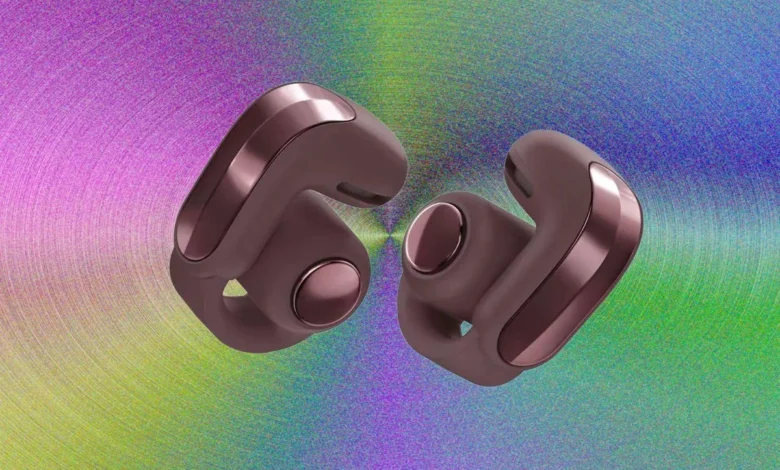
The current market is divided into two primary form factors: ear-hooks, which wrap behind the pinna for maximum stability during high-intensity movement, and clip-on styles, which mimic the aesthetic of jewelry and prioritize comfort and discretion.
Market Leaders and Performance Benchmarks
As of November 2026, industry testing confirms that specific models have risen to the top of the category based on ergonomics, battery efficiency, and audio clarity.
The Soundcore AeroClip 2 has been identified as the current leader for general-purpose use. Its design, which features a lightweight structure that leaves the upper ear clear for glasses or headwear, provides a balance of stability and comfort. Technical analysis indicates that the integration of an AI-powered processing chip—a technology borrowed from Soundcore’s flagship Liberty 5 Pro—significantly elevates call quality in windy or high-traffic environments, a common failure point for open-ear designs.
The Shokz OpenDots 2 remains the industry benchmark for battery endurance. Achieving 10 hours of continuous playback on a single charge and 40 hours of total capacity with its charging case, the OpenDots 2 serves as a preferred choice for long-duration activities. Furthermore, the device’s IP57 rating provides a level of durability often reserved for premium, high-end hardware, allowing for submersion in water and resistance to dust ingress.
Comparative Analysis of Leading Models
| Model | Primary Strength | Battery (Single Charge) | Key Feature |
|---|---|---|---|
| Soundcore AeroClip 2 | Call Quality/Value | 8 Hours | AI-Processing Chip |
| Shokz OpenDots 2 | Battery Life | 10 Hours | IP57 Water Resistance |
| Bose Ultra Open (2nd Gen) | Audio Fidelity | 7 Hours | Immersive Spatial Audio |
| Soundpeats PearlClip Pro | Price/Accessibility | 6 Hours | Budget-Friendly Entry |
The Premium Segment and Audio Fidelity
For audiophiles, the Bose Ultra Open Earbuds (2nd Gen) represent the high-water mark for the category. While these devices command a significantly higher price point, the justification lies in their proprietary audio processing. Bose has utilized a sophisticated spatial audio array that simulates a soundstage more expansive than the standard stereo separation found in lower-cost competitors. The introduction of wireless charging in this second-generation iteration addresses the most common critique of the initial 2024 launch, further cementing its position as a luxury, performance-oriented option.
Economic Considerations and Consumer Entry Points
The rapid proliferation of these devices has led to a tiered pricing structure, making the technology accessible to a wider demographic. Brands such as Soundpeats and CMF have introduced models—like the PearlClip Pro and the CMF Clip Pro—priced between $50 and $100. These devices offer an essential "proof of concept" for consumers who are wary of investing in premium open-ear hardware. While these budget models may lack the refined, tactile, and durable finishes of the Bose or Shokz lines, they effectively democratize the form factor, allowing users to determine whether the open-ear experience aligns with their daily workflows.
Addressing the "Semi-Open" Alternative
It is necessary to distinguish between "open-ear" and "semi-open" designs, such as the Apple AirPods 5. Semi-open designs sit within the concha but lack the invasive rubber eartips of traditional in-ear monitors. While they offer superior sound quality due to their proximity to the ear canal, they fail to provide the same level of comfort or secure fit required for rigorous physical activity. Data from user trials suggests that while semi-open earbuds are ideal for office environments, their tendency to dislodge during running or cycling makes them a secondary choice for active users.
The Role of Bone Conduction in Fitness
For those whose primary use case is athletic performance, the Shokz OpenRun Pro 2 continues to outperform standard "earbud" styles. By utilizing a hybrid system of bone conduction and localized air conduction, these devices provide a distinct advantage in noisy outdoor environments. The removal of the charging case—which is replaced by a more direct, simplified charging interface—reduces weight and increases reliability during long-distance endurance events. Recent trends show that athletes prefer this wraparound, headband-style architecture because it eliminates the risk of a single bud falling out and being lost in transit.
Practical Implications for the Consumer
When selecting an open-ear device, the consumer must weigh their specific priorities:
- Safety and Awareness: If the primary goal is to hear traffic or fellow pedestrians, the open-ear design is functionally superior to any software-based "transparency mode."
- Ergonomics: For those who wear prescription glasses or sunglasses, the interaction between the ear-hook and the spectacle frame is a critical failure point. Testing indicates that the Soundcore AeroClip 2 is particularly adept at accommodating eyewear without causing pressure points.
- Use Case Durability: For swimming or heavy perspiration, IP ratings are the most reliable metric. The IP57 rating found in the Shokz OpenDots 2 is the standard to look for if the user intends to subject the device to harsh weather or aquatic environments.
Future Outlook and Industry Trajectory
The industry is currently trending toward the miniaturization of internal components, which may soon allow for better battery density in smaller footprints. As more major manufacturers enter the space, we can anticipate a reduction in the "price premium" currently associated with high-end open-ear audio.
Furthermore, the integration of health-tracking sensors into these wearables is an area of active development. Because these devices already rest on the ear—a prime location for monitoring pulse and blood oxygen levels—the next generation of open-earbuds may transition from simple audio output devices to comprehensive biometric monitors.
In conclusion, while traditional noise-canceling earbuds remain the standard for travel and deep-focus work, open-earbuds have established a permanent and growing foothold in the consumer electronics market. They offer a necessary solution for the modern user who requires a seamless, safe, and comfortable bridge between their digital content and the physical world. Whether choosing the high-fidelity experience of a premium Bose headset or the entry-level accessibility of a CMF or Soundpeats unit, the consumer is now empowered with a variety of choices that were non-existent only a few short years ago. As the technology matures, the line between traditional audio and wearable computing will likely continue to blur, providing even greater utility for the active, connected user.