The Global Photographic Landscape: Capturing the Transitory Beauty of Autumnal Transitions Across the Globe

As the Northern Hemisphere progresses through the month of November, the convergence of late-autumn foliage and early winter weather patterns has created a distinct window of opportunity for photographers and environmental observers alike. From the temperate woodlands of Central Europe to the high-altitude terrain of the Sierra Nevada, the current seasonal shift provides a vivid case study in how climate variations dictate the timing and intensity of biological changes. This week’s collection of nature photography serves as more than just a visual catalog; it acts as a record of environmental health and the delicate, shifting timelines of the natural world.
The Science of Seasonal Transitions and Photography
The phenomenon of "peak color"—the period when chlorophyll degradation in leaves reveals underlying carotenoids and anthocyanins—is highly sensitive to local climatic conditions. In 2026, shifting meteorological patterns have resulted in varied foliage schedules. While coastal regions and lower latitudes are experiencing a delayed, vibrant autumn, mountainous regions are already grappling with the arrival of early-season snow, creating a rare "mixed-season" visual aesthetic.
For professional photographers, this period demands a precise understanding of both equipment and timing. The technical challenges of capturing these shifts involve managing high-contrast lighting, rapid shutter speeds to freeze movement, or, conversely, intentional motion blur to convey the fluidity of the changing seasons. The images highlighted this week demonstrate the use of advanced digital hardware—ranging from high-resolution mirrorless cameras to sophisticated aerial drone platforms—to document these fleeting landscapes.
A Chronology of the 2026 Autumnal Peak
The progression of autumn in 2026 has been marked by a series of distinct regional peaks, providing a clear timeline of the season’s movement from north to south and high to low altitudes:
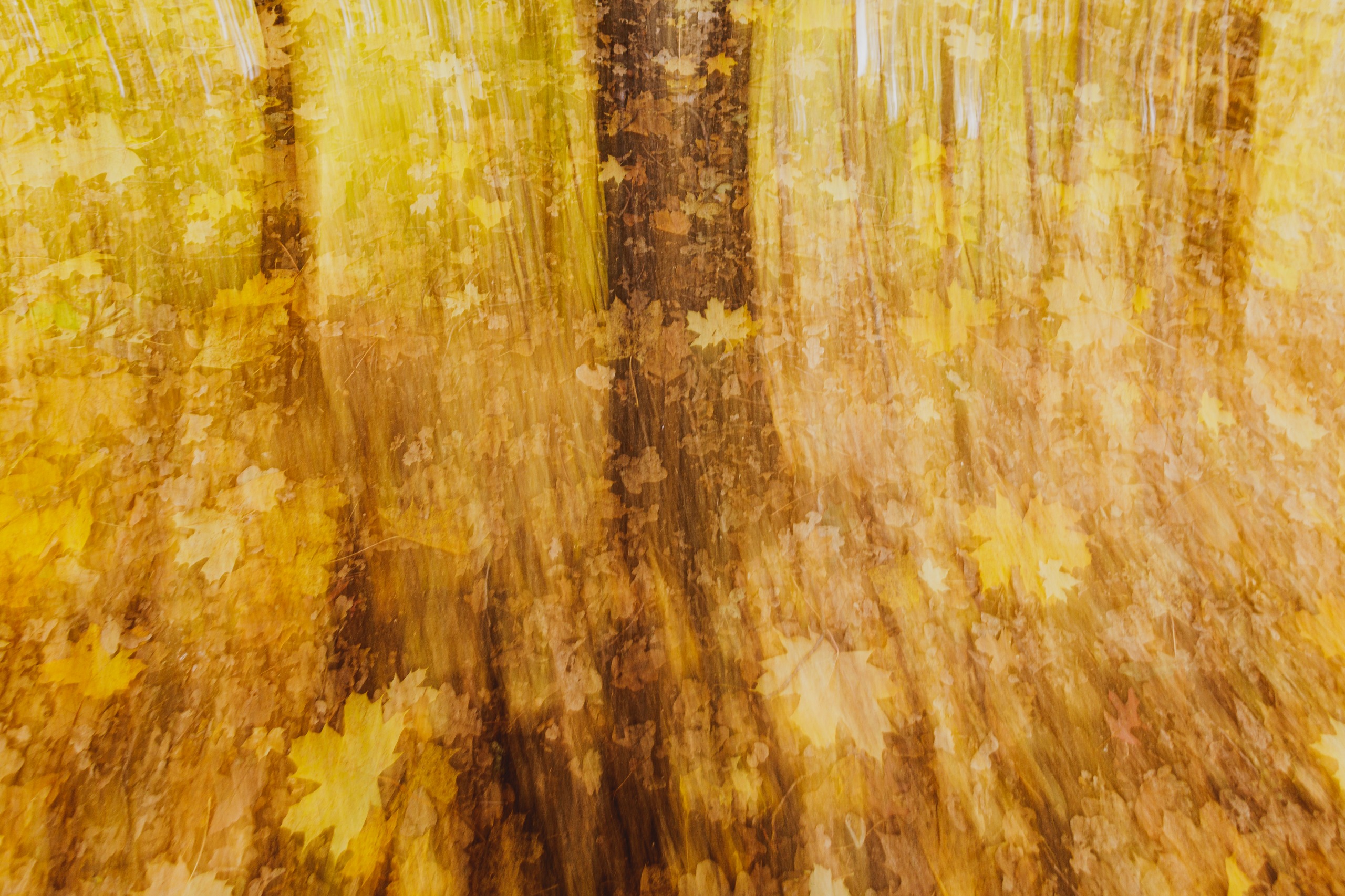
- Late October (Berlin, Germany): The Wuhlheide forest served as a primary site for early-season documentation. The rapid transition of deciduous trees, captured using long-exposure techniques (approximately 0.5 seconds), highlighted the "painterly" quality of the canopy.
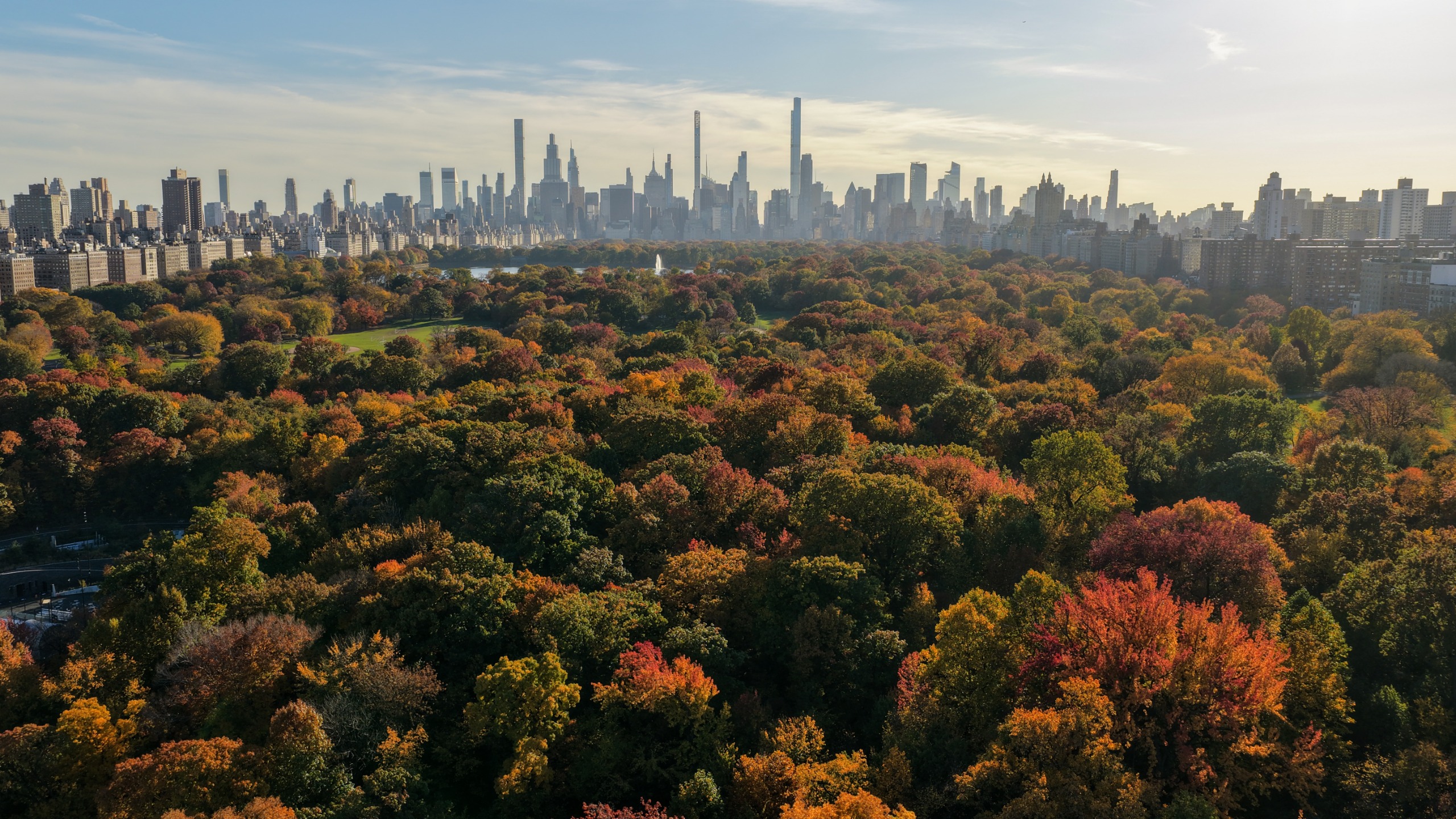
- Early November (New York City, USA): As of November 2, Central Park reached its peak autumnal intensity. Unlike rural areas in upstate New York, which passed their peak by mid-October due to earlier frost, the urban heat island effect in Manhattan provided a late-stage display of red, orange, and yellow hues, creating a sharp contrast against the steel-and-glass skyline.
- Early November (Eastern Sierra, California): The high-altitude aspen groves in Bishop Creek experienced a collision of seasons. The presence of snow alongside the final remnants of golden foliage marks a critical inflection point in the alpine ecosystem, where winter precipitation begins to finalize the transition into dormancy.
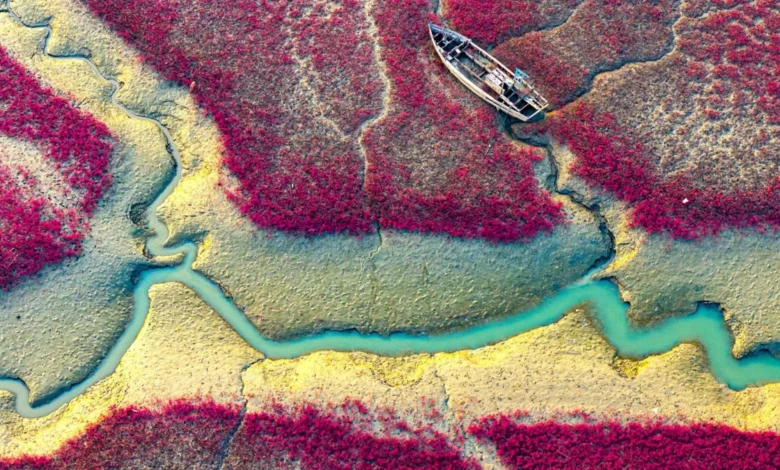
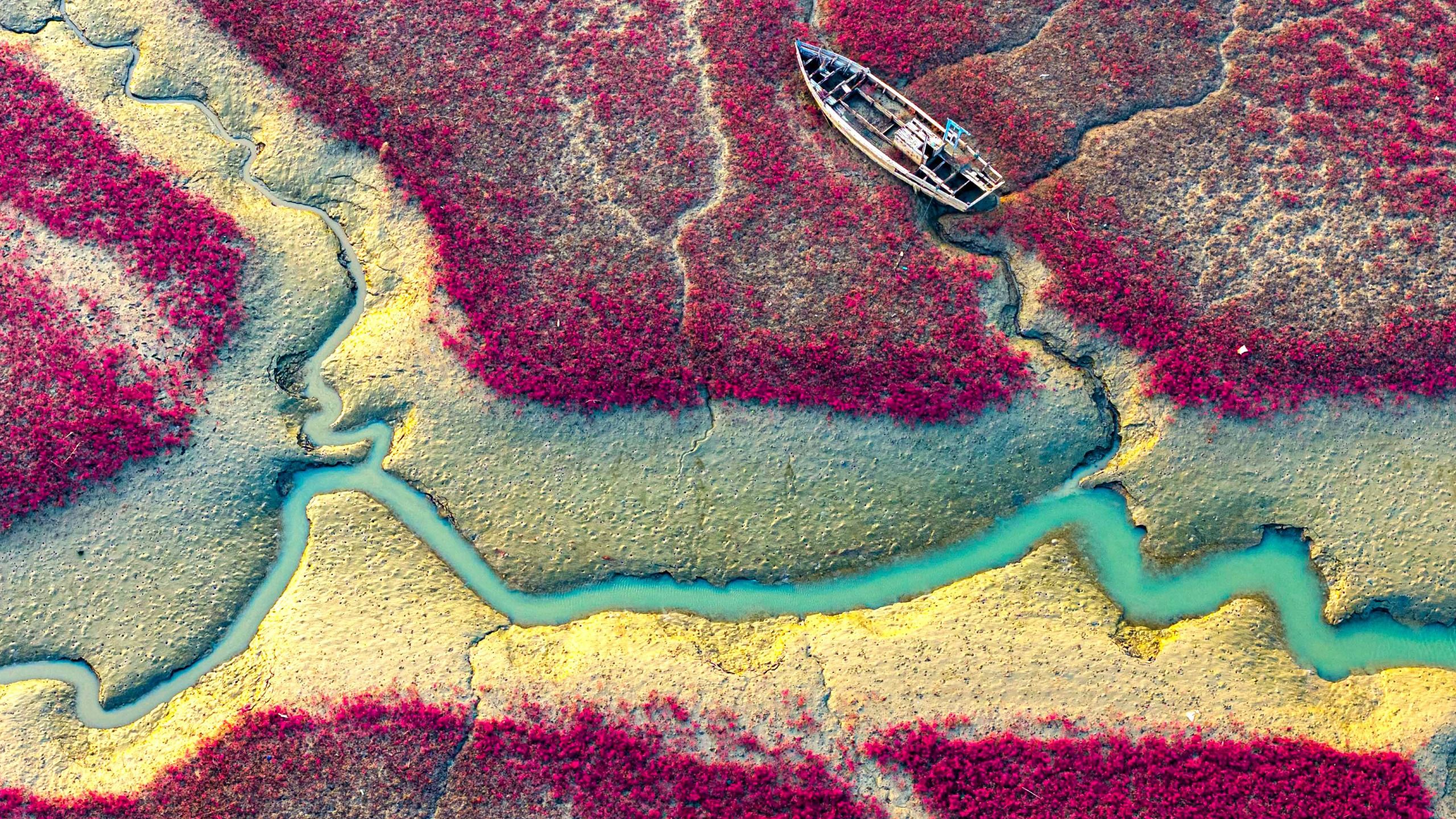
- Early November (Qingdao, China): The Hesi Wetland in the Shandong Province reached its most visually striking state on November 5. The "Red Beach," a result of Suaeda salsa (seepweed), becomes a focal point of environmental interest during this time. The plant turns a vibrant crimson as it matures in the saline-alkaline soil, a process that is highly dependent on the water levels and salinity of the wetland.
Technical Analysis of Environmental Imaging
The evolution of nature photography has shifted significantly with the integration of aerial technology. The use of drones, such as the DJI Mavic 4 Pro, has allowed photographers to move beyond traditional eye-level landscape shots. By utilizing specific lens equivalents—such as the 70mm focal length often employed in aerial mapping and high-end cinematography—photographers can now capture the structural patterns of wetlands and forests that were previously inaccessible.
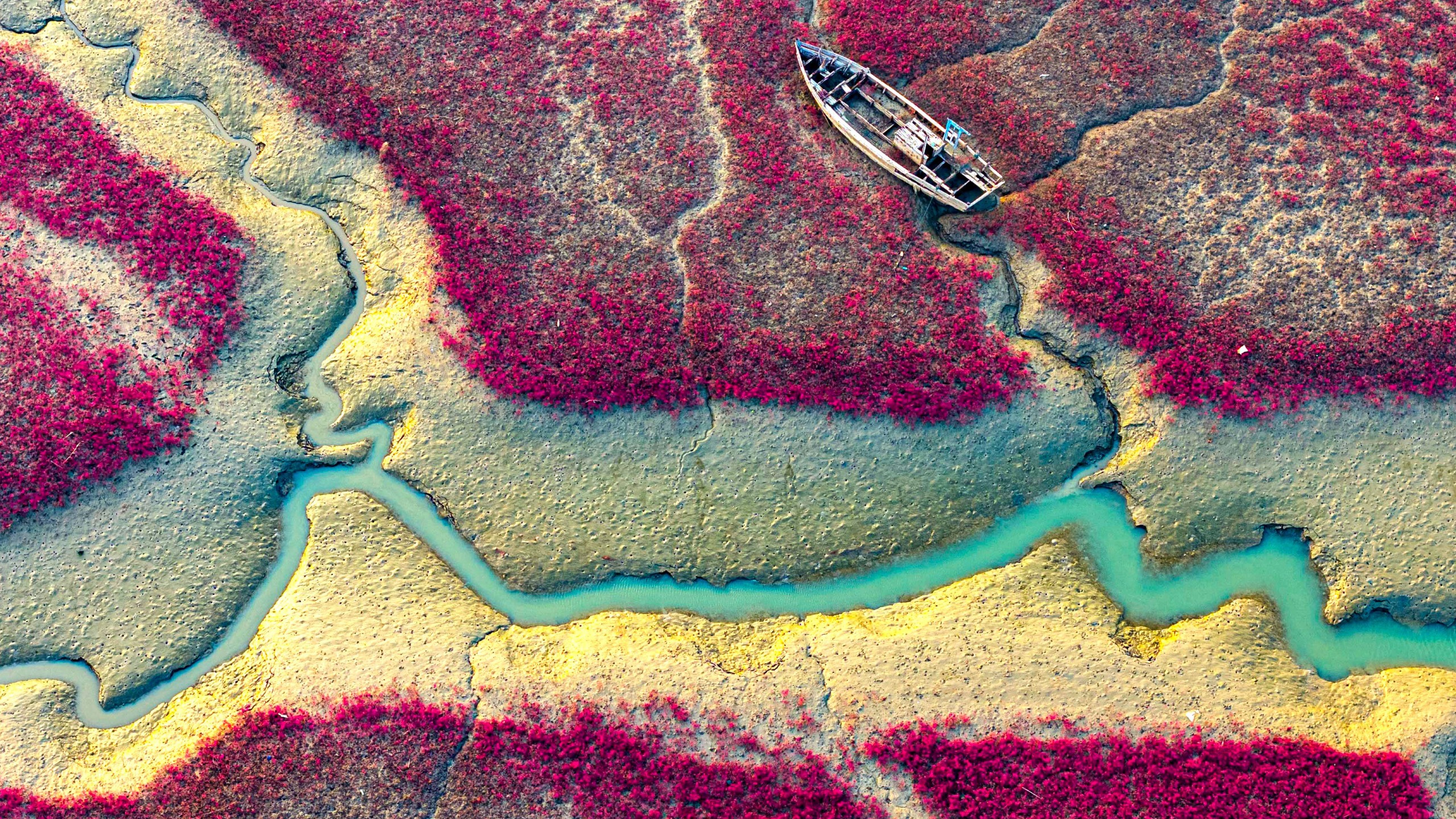
In the case of the Red Beach in Qingdao, the use of a 70mm equivalent lens allows for a compressed perspective. This technical choice is significant because it flattens the distance between the blue tidal streams and the crimson vegetation, emphasizing the color contrast that defines the landscape. Similarly, in the Scottish West End of Glasgow, aerial photography has become the standard for documenting the intersection of urban architecture and nature, where the historic stonework of the Kirklee Bridge mirrors the warm tones of the surrounding deciduous woodland.
Environmental Implications and Climate Trends
While the aesthetic appeal of these photographs is clear, they also provide useful data for phenology—the study of periodic plant and animal life cycle events and how these are influenced by seasonal and interannual variations in climate.
The fact that some regions are seeing "past peak" conditions while others are only just entering them underscores the increasing variability of climate trends. Botanists and environmental scientists often utilize such photographic documentation to track "leaf-out" and "senescence" dates. A consistent delay or early shift in these dates can indicate broader changes in regional precipitation levels and mean temperatures.
For instance, the early snowfall in California’s Eastern Sierra is a vital indicator of the mountain range’s water storage potential. A heavy, early snowpack can insulate the ground, affecting the survival rate of certain plant species during the winter months. By observing these changes through the lens of photography, the public gains a tangible, albeit anecdotal, view of how global climate patterns are manifesting at a hyper-local level.
Professional Perspectives on Nature Documentation
The role of the photographer in documenting these environments has evolved from simple artistic expression to a form of environmental stewardship. By utilizing professional-grade equipment—such as the Canon EOS R3 paired with wide-angle RF lenses—photographers are able to capture the intricate details of forest floors and canopy structures with unprecedented clarity.
"The goal," according to industry analysts who monitor equipment usage in the field, "is to bridge the gap between the observer and the environment." Whether it is a slow-shutter shot in a German forest or a high-altitude aerial view of California’s mountain ranges, the current trend in photography emphasizes a "journalistic" approach. This style prioritizes the accurate representation of the landscape, focusing on the interplay between natural light, architectural elements, and the biological reality of the changing seasons.
Future Outlook: Managing the Transition
As the 2026 season concludes, the focus for nature photographers will shift from the vivid, high-contrast colors of autumn to the monochromatic textures of winter. The data gathered during this recent peak period will likely be archived as a reference point for the 2027 cycle.
For those interested in landscape photography, the shift in seasonal timing serves as a reminder of the importance of location scouting and timing. The use of foliage tracking reports—such as those provided by regional environmental agencies in New York and other jurisdictions—remains a critical tool for any photographer hoping to document these cycles.
As urban centers continue to expand and wetland areas like those in Qingdao face pressure from development and climate shifts, the documentation of these sites becomes increasingly vital. These images serve as a permanent record of the ephemeral, ensuring that even as seasons cycle and landscapes evolve, the beauty of the 2026 autumnal transition remains preserved for future analysis and appreciation. The intersection of technology and nature continues to be the most effective medium for both artistic exploration and environmental observation, providing a window into the complex, changing rhythms of our planet.