Google Nest Hello doorbell owners report widespread live feed failures in the Google Home app

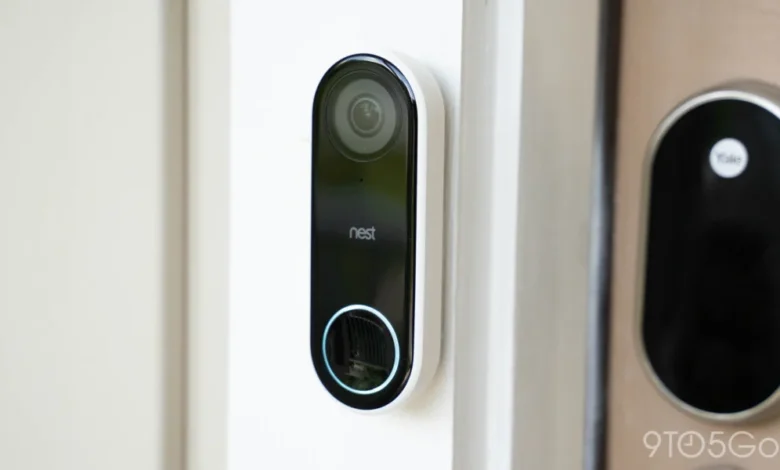
The reliability of smart home security ecosystems is currently under scrutiny as a growing number of Google Nest users report a persistent failure of live video feeds within the Google Home application. The issue appears to be disproportionately affecting the first-generation Nest Doorbell, colloquially known as the "Nest Hello," and has left thousands of users without the ability to monitor their doorsteps in real-time. Despite an increasing volume of reports spanning multiple community forums and official support channels, Google has yet to provide a definitive explanation or a concrete timeline for a software patch.
The Scope of the Outage
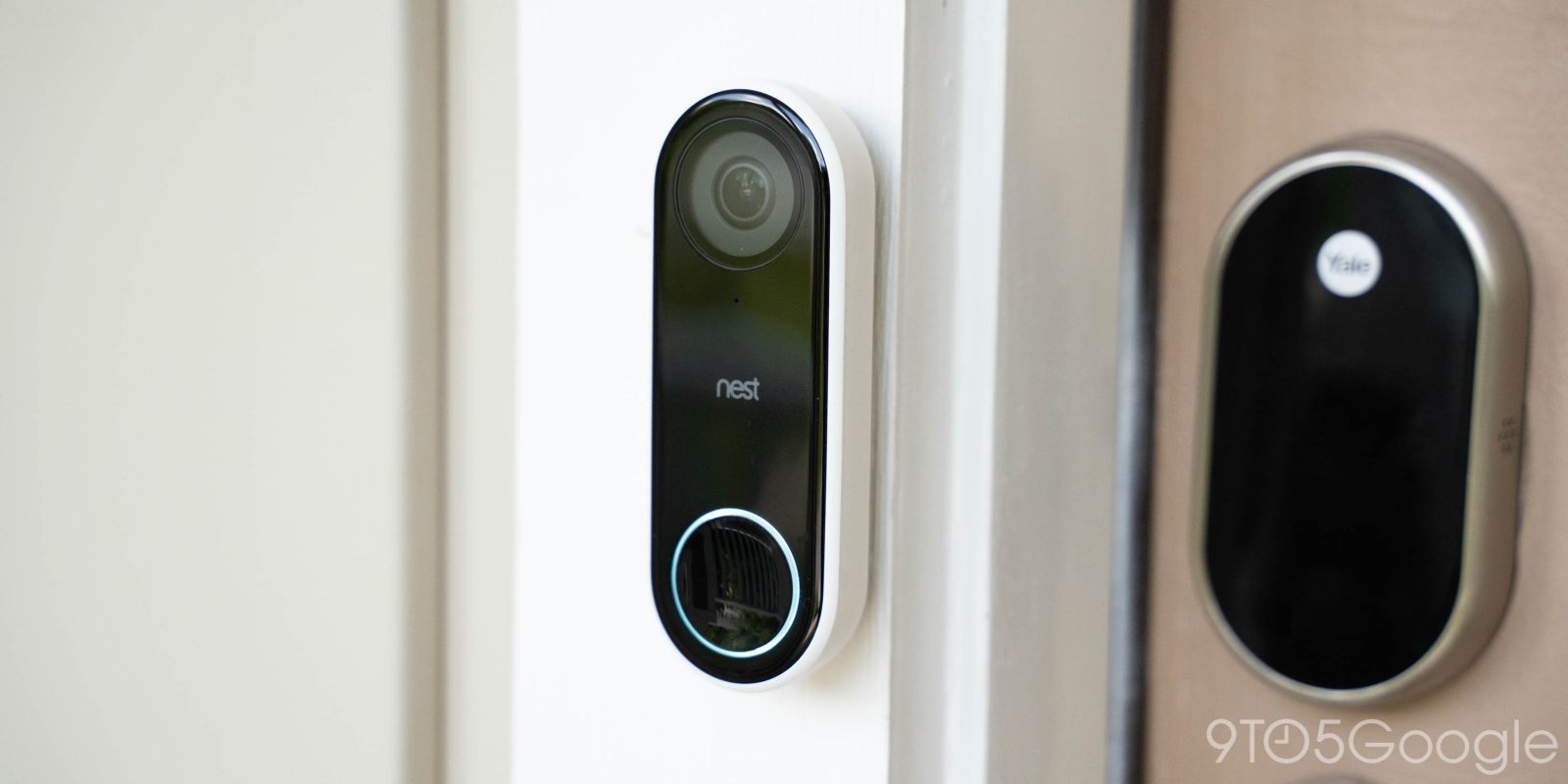
The current disruption primarily impacts the Nest Doorbell (wired, 1st gen), a device that has been a cornerstone of the Google Nest smart home lineup since its launch. Users attempting to access the live stream through the Google Home app are frequently met with infinite loading screens or error messages indicating that the camera is unavailable.
While the issue is most prevalent among Nest Hello users, anecdotal reports indicate that some other legacy Nest camera models are also experiencing sporadic connectivity problems. This pattern suggests a potential underlying failure in the communication protocols between older hardware and the updated backend infrastructure that powers the modern Google Home ecosystem. Notably, the issue appears to be specific to the live streaming function; other critical features, such as motion alerts, event recording, and audible notifications on smart displays like the Nest Hub, continue to function as intended. This discrepancy is particularly frustrating for consumers, as the primary utility of a video doorbell—the ability to visually verify a visitor—is the only component that has been rendered non-functional.
Chronology of the Disruption
The emergence of these technical difficulties correlates with recent updates deployed by Google. At the end of October 2026, Google initiated a series of firmware updates for older Nest hardware. While these updates were ostensibly intended to improve security and performance, they appear to have triggered a cascade of compatibility issues for legacy devices.
Following the deployment of these updates, reports began to surface on Reddit and the official Google Nest Help community. Initial complaints were dismissed by some as isolated network errors; however, the velocity of new reports increased significantly in the first week of November. By early November, the Google Nest support forums were flooded with threads documenting the same phenomenon: the migration of legacy Nest accounts to the unified Google Home environment, combined with the latest firmware, has effectively severed the live video link for the first-generation wired doorbell.
Technical Speculation and Potential Causes
While Google has remained silent regarding the root cause, the developer and smart home enthusiast community has been active in analyzing the potential failure points. One prevailing theory centers on Google’s transition to WebRTC (Web Real-Time Communication) for its video streaming architecture. WebRTC is designed to provide low-latency, peer-to-peer communication, which is ideal for video doorbells. However, implementing this protocol requires strict synchronization between the device firmware and the cloud server.
Some users have hypothesized that the recent firmware update may have introduced a mismatch in how the first-generation hardware negotiates its connection to the Google Home server via WebRTC. While tech-savvy users have attempted to force a resolution by clearing application caches, re-linking accounts, or toggling network settings, these workarounds have proven unreliable at best and ineffective at worst. The fact that the devices still send notifications to Nest Hubs confirms that the hardware is successfully communicating with the cloud, suggesting the fault lies specifically within the video stream initialization process during the "live view" request.
The Impact on Consumer Trust
The Nest Hello, despite its age, remains a popular device due to its high-quality video and reliable performance record. For many, it represents a significant investment in home security. When core features fail, it raises broader questions about the longevity of "smart" hardware. The incident highlights a recurring tension in the Internet of Things (IoT) industry: the challenge of maintaining legacy hardware in a rapidly evolving software environment.
For Google, the situation presents a reputational risk. As the company pushes users toward the consolidated Google Home app—moving away from the legacy Nest app—any failure in the transition process erodes consumer confidence. If a user’s primary security tool fails without notice, it diminishes the value proposition of the entire ecosystem. The lack of an official statement from Google, beyond generic troubleshooting steps provided by support agents, has only exacerbated user frustration. Customers are currently left in a "wait and see" pattern, unsure if their devices have reached their end-of-life or if a fix is forthcoming.
Implications for the Smart Home Industry
This situation serves as a case study in the risks associated with cloud-dependent hardware. Unlike traditional security systems, which operate on localized protocols, modern smart doorbells are entirely reliant on the manufacturer’s cloud infrastructure to deliver video. When that link is broken, the device becomes effectively "bricked" for its primary purpose.
Industry analysts suggest that as more companies move toward unified control platforms, they must prioritize backward compatibility testing. The failure of the Nest Hello highlights that even minor firmware adjustments can have major ramifications across a vast, heterogeneous network of legacy devices. For the consumer, this underscores the necessity of considering the manufacturer’s track record of long-term software support before investing in smart home infrastructure.

The Path Forward
As of this report, the official channels of communication from Google remain largely silent regarding a specific fix for the live feed issue. Typically, in such scenarios, a company would eventually issue a patch or a firmware rollback once the engineering team identifies the specific bug in the WebRTC handshake process.
For the average user, the advice remains to monitor official Google support threads and ensure their Google Home app is updated to the latest version. However, until a formal acknowledgement and a corrective update are issued, users may be forced to rely on secondary alerts or notifications to monitor their property.
The continued success of the Google Nest ecosystem depends on its ability to provide seamless integration across generations of devices. If this issue is not addressed promptly, it may serve as a deterrent for customers considering future upgrades within the Google hardware ecosystem. As the company continues its strategy of centralizing control within the Google Home app, the stability of these older devices becomes a bellwether for the overall health of the platform.
The tech community expects that, given the volume of reports, an official resolution is likely in development. Whether that takes the form of a hotfix for the app or a secondary firmware update to rectify the WebRTC negotiation failure remains to be seen. In the meantime, the silent front door—a staple of the modern connected home—remains a source of anxiety for thousands of households awaiting a fix for their darkened video feeds. The situation remains fluid, and affected users are encouraged to report their specific symptoms to Google Support to ensure their hardware is included in the diagnostic data being collected by the engineering teams.
As Google looks to the future of the smart home, the "Nest Hello" incident serves as a critical reminder that hardware is only as good as the software supporting it. Ensuring that yesterday’s technology remains compatible with tomorrow’s infrastructure is not merely a technical challenge—it is a fundamental requirement for maintaining the trust of the millions of users who rely on these devices for their daily peace of mind.