Tesla to end Cybertruck production in mid-2027 to prioritize Cybercab manufacturing

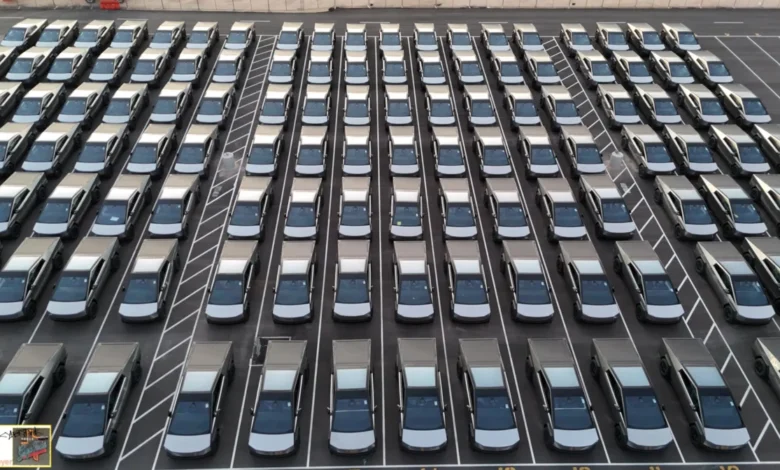
Tesla has officially confirmed plans to wind down production of the Cybertruck at its Gigafactory Texas facility by mid-2027. This strategic pivot, announced by CEO Elon Musk via the social media platform X, marks a definitive shift in the company’s long-term product roadmap. The decision comes as Tesla seeks to reallocate resources and factory floor space to accelerate the mass production of the Cybercab, the company’s dedicated autonomous robotaxi platform.
This announcement represents a significant departure for a vehicle that has become one of the most recognizable icons of the electric vehicle (EV) movement. Since its initial unveiling in 2019 and subsequent market entry in late 2023, the Cybertruck has served as a technological flagship, showcasing advancements in stainless steel exoskeleton design, steer-by-wire systems, and 48-volt vehicle architecture. However, the move reflects a broader transition within Tesla, which is increasingly prioritizing autonomous transportation services over the consumer-owned vehicle market.
A Chronology of the Cybertruck Era
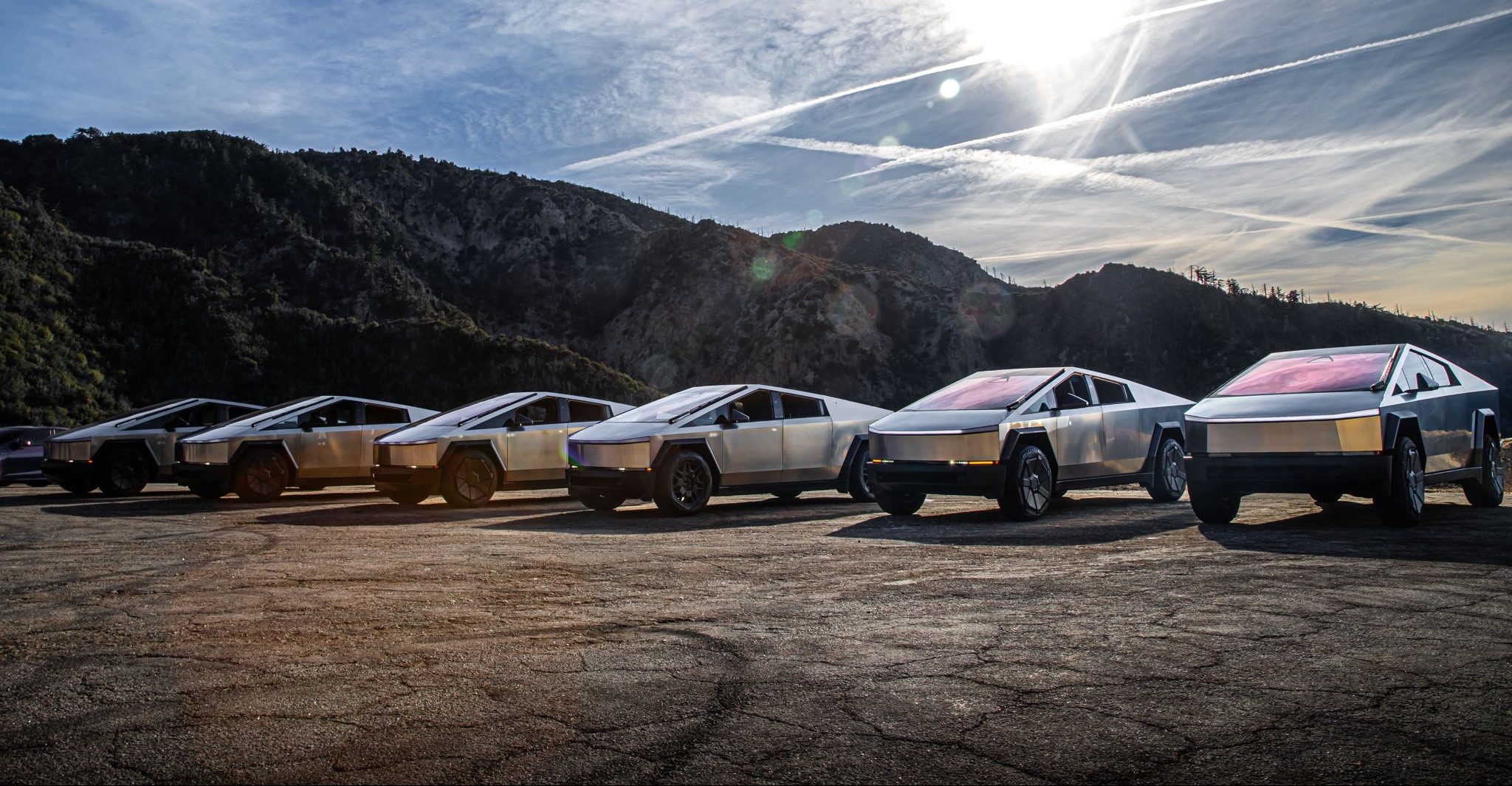
The lifecycle of the Cybertruck has been characterized by high expectations and complex engineering hurdles. When the vehicle was first announced, it promised to redefine the pickup truck segment with its polarizing angular aesthetic and performance specifications. The journey from the 2019 prototype to the first deliveries in November 2023 was marked by multiple production delays, supply chain challenges, and the necessity of perfecting manufacturing processes for the vehicle’s unique stainless-steel body panels.
Throughout 2024 and 2025, Tesla focused on scaling production at Giga Texas, gradually introducing features such as Powershare—a bidirectional charging capability that allows the truck to function as a mobile power plant for tools, appliances, and, eventually, residential home energy systems. By late 2026, the company was still actively refining the vehicle, introducing subtle hardware improvements like the redesigned side repeater cameras that utilize passive airflow to maintain lens clarity in inclement weather. The fact that Tesla was still iterating on the vehicle’s design as recently as September 2026 underscores the company’s "living product" philosophy, where continuous improvement replaces the traditional automotive model year cycle.
The Shift Toward Autonomous Infrastructure
The decision to sunset the Cybertruck is not merely a production adjustment; it is a fundamental realignment of Tesla’s corporate thesis. Tesla has signaled for years that its ultimate valuation and operational focus would center on artificial intelligence, robotics, and full self-driving (FSD) capability. By prioritizing the Cybercab, Tesla is doubling down on its vision of a future where personal vehicle ownership is superseded by on-demand, autonomous transportation networks.

The Cybercab is designed from the ground up to be a purpose-built vehicle, devoid of traditional controls like steering wheels or pedals, intended for high-utilization robotaxi fleets. The transition of floor space at Gigafactory Texas—a facility currently optimized for the complex manufacturing of the Cybertruck—to Cybercab production suggests that Tesla anticipates significant global demand for its autonomous taxi service.
Industry and Market Reactions
The news of the production end date has elicited a polarized response from analysts, shareholders, and the enthusiast community. Market observers have long noted the discrepancy between the Cybertruck’s high profile and its actual sales volume relative to more traditional models like the Model Y or Model 3. While the Cybertruck has been a successful proof-of-concept for new manufacturing techniques, it has struggled to achieve the mass-market price points originally teased at its debut, largely due to the high cost of its specialized materials and labor-intensive assembly.
Prominent market analysts, including Gary Black, have previously suggested that the long-term viability of Tesla’s truck lineup might depend on a more conventional pickup design that appeals to the broader American market. With the confirmation that the Cybertruck is slated for discontinuation rather than a redesign, it appears that Tesla has opted to bypass the traditional truck segment entirely in favor of the robotaxi platform.

For the existing owner base, the announcement has triggered discussions regarding long-term serviceability and the future of the Cybertruck’s software ecosystem. However, Tesla has a track record of supporting its vehicles well beyond production cycles, and the company’s commitment to ongoing over-the-air (OTA) updates remains a primary selling point for its current fleet.
The Financial and Technical Implications
The retirement of the Cybertruck by mid-2027 will allow Tesla to streamline its manufacturing footprint. The Cybertruck currently utilizes a complex structural battery pack and a unique die-casting methodology that, while innovative, is resource-heavy. Shifting to the Cybercab, which is expected to utilize more standardized parts and a design optimized for automated assembly, could significantly improve Tesla’s overall gross margins.
Furthermore, this pivot addresses the "opportunity cost" of the Gigafactory Texas lines. By mid-2027, the focus on the Cybercab will likely be at its peak, requiring massive throughput to meet the aggressive deployment targets for autonomous networks. The company’s focus on energy integration, as evidenced by the recent rollout of Powerwall 3 compatibility for the Cybertruck, suggests that while the vehicle itself will be phased out, the technology developed for it—specifically in power electronics and energy management—will continue to influence Tesla’s broader energy product roadmap.

Broader Impact on the EV Market
The end of the Cybertruck era marks the conclusion of a singular chapter in automotive history. Regardless of its sales performance, the vehicle forced the entire automotive industry to reconsider the possibilities of material science and vehicle architecture. The use of cold-rolled stainless steel and the implementation of 48-volt electrical systems in the Cybertruck have already begun to influence other manufacturers, accelerating the industry’s shift toward more efficient, modular vehicle designs.
As Tesla transitions away from the Cybertruck, the industry will watch closely to see if the Cybercab can successfully bridge the gap between niche technological innovation and mass-market autonomous utility. The company is effectively betting its future on the thesis that the utility of a vehicle is no longer defined by its physical size or capability, but by its ability to provide seamless, autonomous mobility.
Looking Ahead: The Post-Cybertruck Roadmap
As the 2027 deadline approaches, Tesla is expected to manage the transition through a phased ramp-down. Current reservation holders and those awaiting deliveries will likely see the order window narrow over the coming eighteen months. The company has not yet provided specific details on a potential "collector’s edition" or a final manufacturing run, but such moves are often seen in the industry when an iconic model concludes its production life.

For the automotive sector, this development serves as a reminder that in the era of software-defined vehicles, no product—no matter how disruptive—is exempt from the company’s broader mission. Tesla’s focus has always been the acceleration of sustainable energy and the advancement of autonomous systems. If the Cybercab proves to be the linchpin for these goals, the sacrifice of the Cybertruck will be viewed by future historians as a calculated, albeit difficult, transition toward the next generation of transportation.
The legacy of the Cybertruck will likely remain in the manufacturing techniques it pioneered, the polarizing design language it introduced, and the intense conversation it sparked regarding the future of personal transport. As the focus shifts to the robotaxi, the industry enters a period of intense transformation, with Tesla aiming to lead the way into a future where vehicles are not just driven, but operate as autonomous members of a smarter, more efficient urban infrastructure.