Google Find Hub rolls out Notify when left behind alerts for Bluetooth trackers

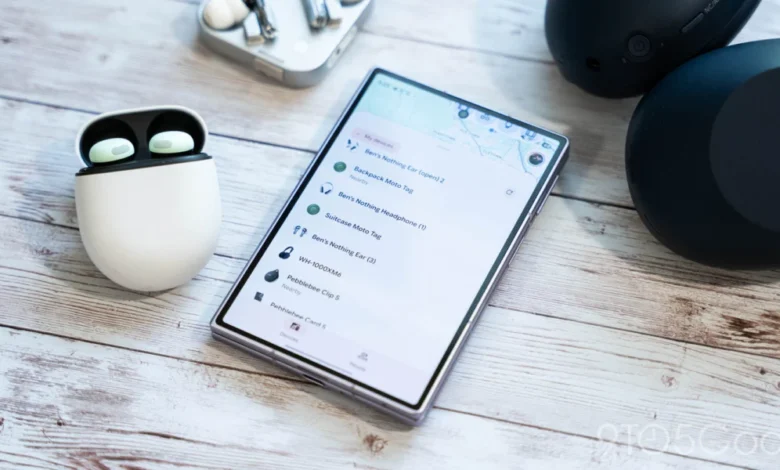
Google has officially begun the rollout of the "Notify when left behind" feature for its Find Hub network, a significant enhancement for users of Bluetooth-enabled trackers. First previewed in October, this update marks a critical step forward for the platform, bringing it in line with competing item-finding ecosystems that have long utilized proximity-based alerts to prevent the loss of personal belongings. As of the latest update, version 3.1.787-06 of the Find Hub application, users in the United States and Europe can now receive proactive notifications if their tracked items are separated from their mobile devices.
Enabling the Feature and Functionality
The implementation of this feature is designed to be intuitive for the average user. By navigating to the Find Hub app and selecting a specific registered tag, users will find a settings gear icon located in the top-right corner of the device’s information sheet. Within this menu, a dedicated "Notify when left behind" section has been added.
When activated, the system triggers an alert whenever the connection between the tracker and the user’s smartphone is severed, suggesting that the item may have been inadvertently abandoned. To minimize "false positives"—such as receiving an alert while simply leaving an item at home—the system intelligently integrates with the user’s Google Maps profile. By default, the application excludes the user’s designated "Home" address from triggering these alerts, ensuring that notifications are reserved for instances where the user is genuinely away from their residence.
Currently, this functionality is restricted to specific hardware, including the Moto Tag and various Chipolo tracker models. Notably, the feature does not yet extend to other device categories, such as wireless headphones or earbuds, which often rely on different connectivity protocols within the Find Hub ecosystem.
Chronology of the Find Hub Development
The road to this feature release has been marked by a series of incremental updates and strategic announcements from Google.
- Early 2024: Google began heavily promoting the expansion of its Find My Device network, emphasizing the integration of third-party Bluetooth trackers to compete with established players like Apple and Tile.
- October 2026: Google first teased the "Left-Behind Reminders" capability within the release notes for Google Play services. This announcement signaled a shift in the platform’s focus from purely reactive searching to proactive item management.
- Late October 2026: A broader preview of the alert system provided technical details on how the network would handle separation notifications, confirming that the system would require specific hardware support to function correctly.
- November 2026: The official public rollout began with version 3.1.787-06, bringing the long-awaited feature to Android users across North American and European markets.
The Role of NFC and Future Hardware Integration
Beyond the current software update, Google has signaled a broader strategy for the Find Hub platform, particularly regarding physical interaction with devices. The company has confirmed that it is working on NFC support that will allow users to tap their smartphones against a tracker to immediately retrieve details, status updates, or identify the owner of a lost item.
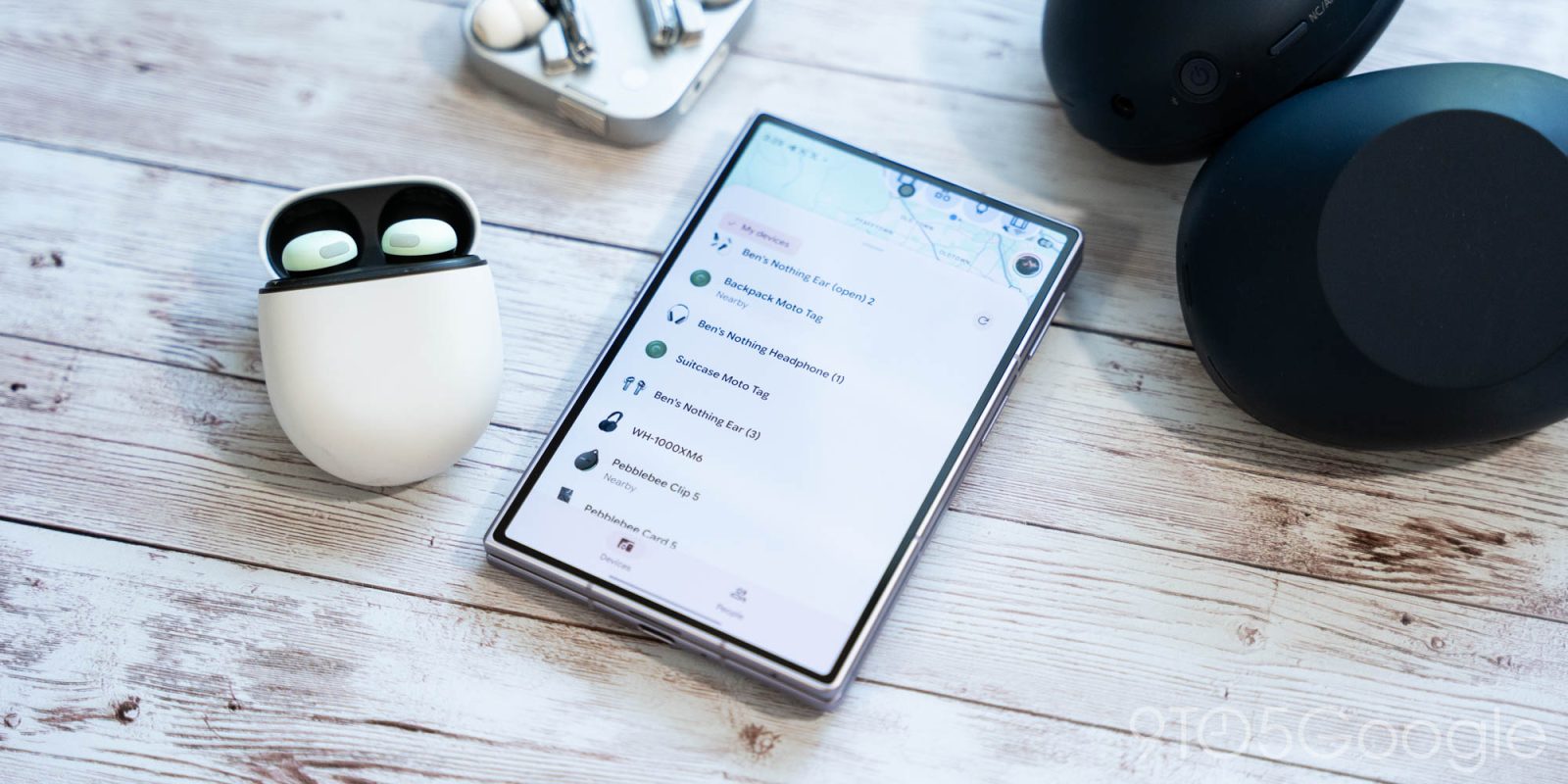
This, combined with the new registration flow that allows users to assign category icons—such as luggage, wallets, or bicycles—and rename devices, suggests that Google is moving toward a highly granular, user-customizable tracking environment. By allowing users to tag items with specific categories, the software can better tailor its alert sensitivity and search parameters, providing a more robust security net for a wide variety of personal belongings.
Market Context and Competitive Landscape
The introduction of "left behind" alerts is a fundamental necessity in the current market for location-tracking technology. Apple’s "Find My" network, which launched its AirTag hardware in 2021, established the industry standard for these notifications. For years, Android users have relied on third-party apps or hardware that lacked the deep system-level integration that Apple offered.
Google’s decision to standardize these alerts across its own Find Hub network is a calculated move to retain users within the Android ecosystem. By utilizing the massive scale of the Android user base to create a mesh network for tracking, Google is attempting to create a reliable, low-latency search environment that functions even in areas with poor cellular coverage.
However, the efficacy of these systems relies heavily on the density of the network. While Apple’s ubiquity has been a significant advantage, Google’s strategy of opening the Find Hub network to third-party manufacturers like Chipolo and Motorola is intended to accelerate the growth of the network’s reach, effectively closing the gap between the two major mobile operating systems.
Analysis of Implications for Privacy and Security
While the utility of "left behind" alerts is clear, the expansion of such tracking technology continues to raise questions regarding privacy. Google has consistently emphasized that its Find Hub network is built with privacy-first principles, including end-to-end encryption for location data. The new "Notify when left behind" feature relies on Bluetooth proximity, which does not necessarily broadcast the exact location of a user to the cloud, but rather informs the user’s local device of a state change (i.e., a broken connection).
The challenge for Google moving forward will be maintaining this balance between functionality and security. As the network grows, the potential for misuse—such as "stalking" via Bluetooth trackers—remains a concern. Google has already implemented "unknown tracker alerts" that warn Android users if a tracker is moving with them, and the addition of "left behind" notifications is a natural extension of this protective framework, helping users stay aware of their own devices while remaining vigilant against unauthorized ones.
Technical Limitations and User Expectations
Industry observers have noted that "Notify when left behind" is a basic capability that should have been present at the launch of the Find Hub network. The delay in implementation may have been caused by the complexities of balancing battery life on the tracker side with the frequency of pings required to maintain a persistent, reliable connection.

If a tracker pings the phone too often to check for distance, the battery in a small tag—often a coin-cell battery—would deplete rapidly. Conversely, if the check-in interval is too long, the user might be several blocks away before receiving an alert. Finding the "sweet spot" in this power-performance trade-off is likely why the rollout has been phased, starting with specific hardware partners before moving to a broader device ecosystem.
Broader Impact on the IoT Ecosystem
The standardization of these features also has implications for the Internet of Things (IoT) sector. As more devices become "trackable" via the Find Hub network, the expectation for seamless connectivity increases. We are approaching a point where a user’s entire inventory—from keys and wallets to laptops and smart bags—is indexed and managed by a centralized location service.
For manufacturers, the pressure is now on to ensure that their hardware is "Find Hub-ready." This includes integrating the necessary hardware for NFC communication and optimizing Bluetooth profiles to support long-range, low-power alerts. Companies that fail to integrate with the dominant networks risk becoming obsolete, as consumers increasingly prioritize interoperability and ease of use when choosing their personal accessories.
Conclusion
The arrival of "Notify when left behind" alerts on Android represents a significant milestone for the Google Find Hub network. By closing the gap in feature parity with its competitors, Google is not only enhancing the daily experience for Android users but also strengthening the overall value proposition of its device ecosystem. As the company continues to integrate NFC support and refine its registration flows, the platform is poised to become an indispensable tool for personal organization and security.
For the average consumer, the immediate benefit is peace of mind. The ability to receive a proactive notification before an item is truly lost represents a shift from "finding" to "preventing loss," a distinction that significantly enhances the utility of Bluetooth tracking technology. As the rollout continues and expands to include more devices and broader geographic regions, the Find Hub network is set to become a cornerstone of the modern, connected lifestyle, provided Google can continue to manage the inherent technical and privacy challenges that come with such a pervasive tracking infrastructure.