The New Standard in Mobile Graphics
The arrival of the Nvidia GeForce RTX 50-series, including the flagship RTX 5090 and the performance-oriented RTX 5080, marks a significant departure from the thermal and power limitations that plagued high-end laptops in years past. These GPUs leverage advanced DLSS 4 technology to maintain high frame rates at native resolutions, effectively bridging the gap between desktop workstations and mobile gaming rigs.
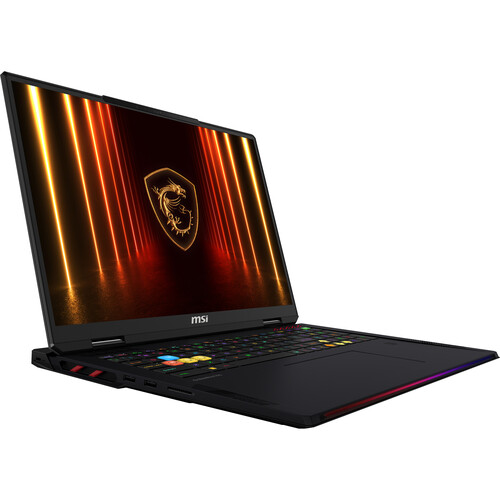
Early testing of these units, such as the MSI Raider 18 HX AI, confirms that the architecture is not merely an incremental update. The Raider 18, equipped with an RTX 5080, consistently delivers frame rates exceeding 150 fps in demanding titles like Assassin’s Creed: Mirage. This represents a tangible performance gain of roughly 15% over comparable RTX 40-series models from the previous year, providing users with the overhead necessary for high-fidelity ray tracing and uncompromised graphical settings.
Chronology of the 2025 Hardware Shift
The progression toward these high-performance machines began in early 2025 with the unveiling of next-generation mobile CPUs from Intel and AMD, specifically the Intel Core Ultra 9 285HX and the AMD Ryzen AI 9 HX 370. These processors were designed to operate in tandem with the RTX 50-series, emphasizing AI-driven thermal management.
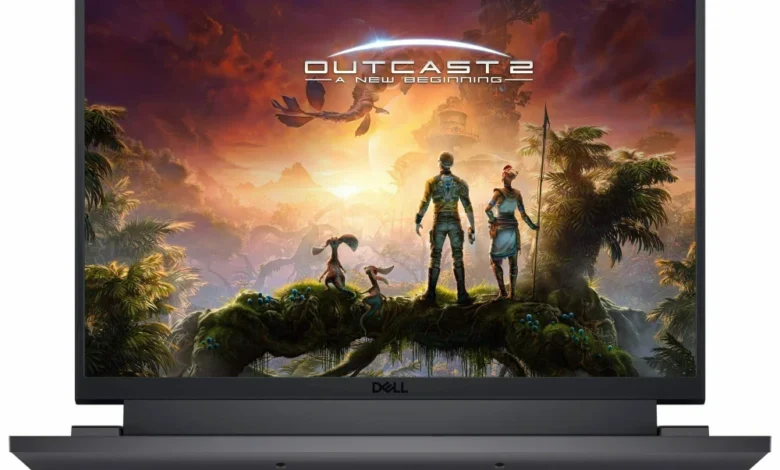
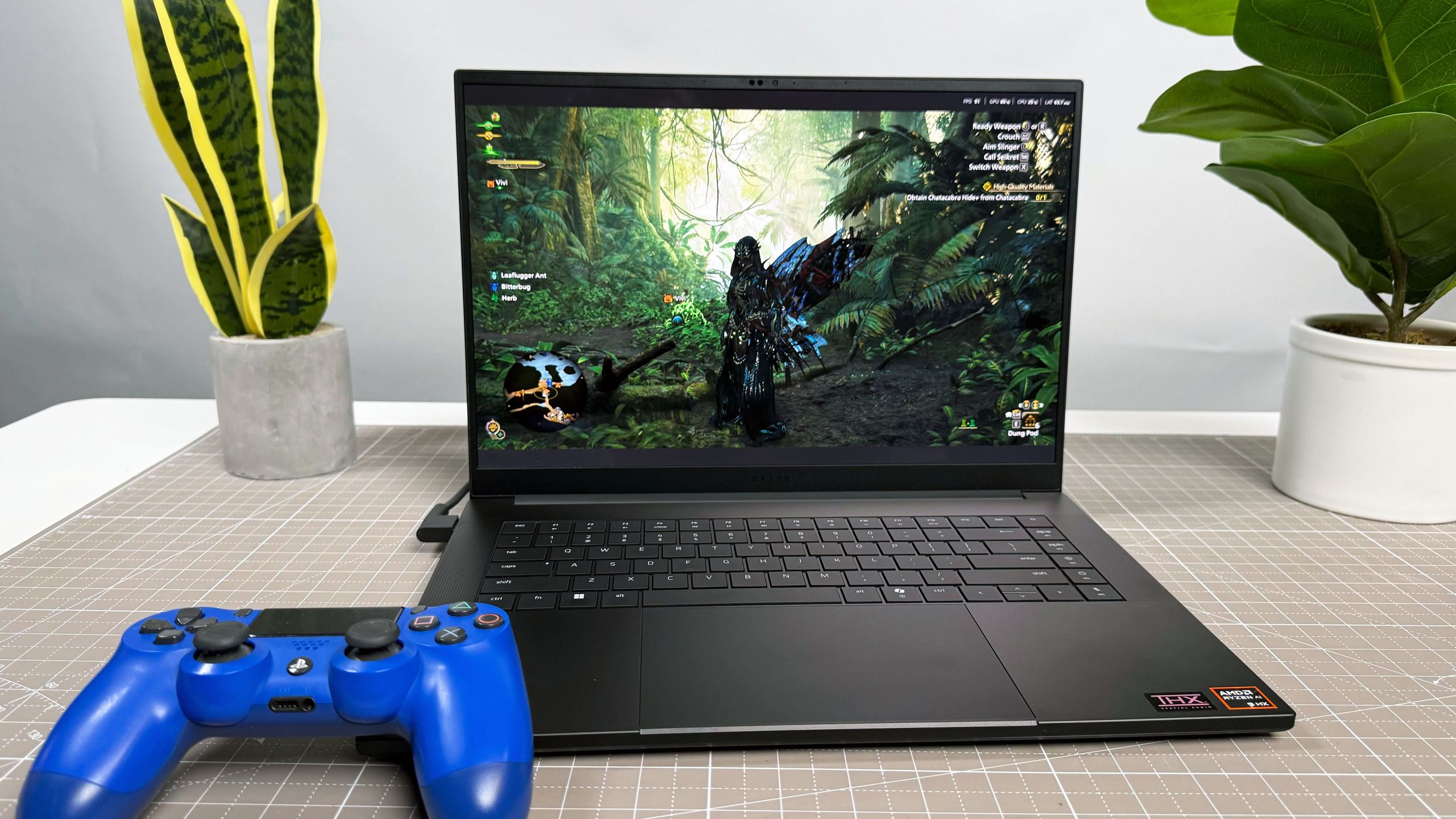
Following the initial hardware announcements, manufacturers began releasing their flagship refreshes. The Alienware 16 Area-51, for instance, signaled a return to aggressive, high-performance aesthetics combined with internal architecture that prioritizes modular cooling. By mid-year, the market saw a diversification of the "thin-and-light" segment, with the Razer Blade 16 proving that an RTX 5090 could be housed in a chassis weighing under five pounds without immediate thermal throttling.
Benchmark Data and Performance Metrics
A comparative analysis of current market leaders reveals that the raw power gap is widening between mid-range and enthusiast-grade machines. The following table summarizes key performance metrics observed in recent laboratory testing:
| Model | GPU | Geekbench 6 Score | Far Cry 6 (FPS) | Battery Life (Web) |
|---|---|---|---|---|
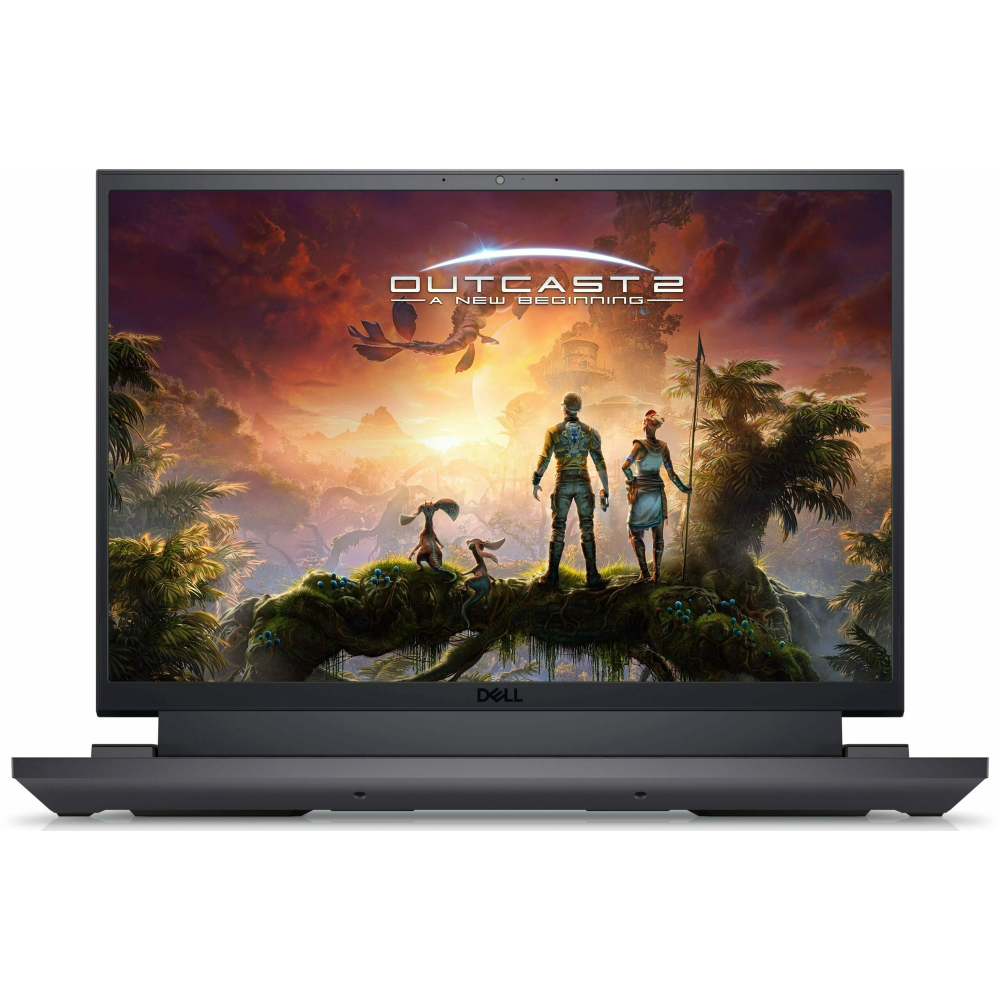
| MSI Raider 18 HX | RTX 5080 | 21,851 | 118 | 2.33 hrs |
| Alienware 16 Area-51 | RTX 5080 | 20,498 | 121 | 4.10 hrs |
| Razer Blade 16 (2025) | RTX 5090 | 16,025 | 97 | 7.22 hrs |
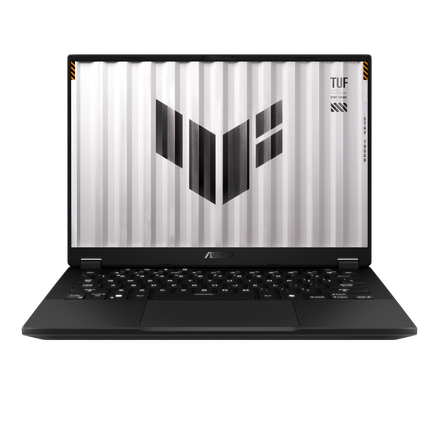
| Asus TUF Gaming A14 | RTX 4060 | 11,330 | 77 | 10.04 hrs |
These figures underscore a critical trade-off for consumers: while the RTX 50-series offers unparalleled throughput, the power demands significantly impact battery longevity. The exception remains the Asus TUF Gaming A14, which utilizes a more conservative RTX 4060 configuration to achieve an industry-leading 10-hour battery life, positioning it as the premier choice for students and professionals who require gaming capability without constant tethering to an AC outlet.
The Evolution of Display Technology
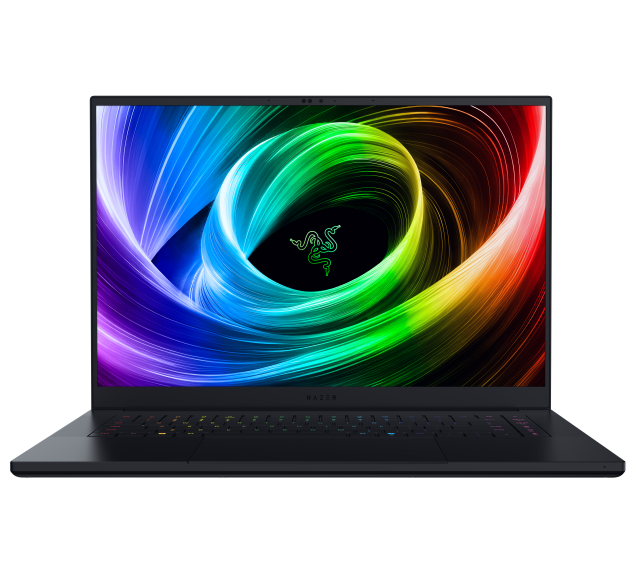
In 2025, screen technology has become a primary differentiator. The industry is moving away from standard IPS panels toward MiniLED and OLED as the baseline for premium gaming laptops. The Razer Blade 16’s 240Hz OLED display, which covers 144.6% of the DCI-P3 color gamut, represents the current pinnacle of visual immersion.
Analysts note that this shift is a direct response to consumer demand for color accuracy that mirrors professional creative work. Consequently, gaming laptops are increasingly being marketed as dual-purpose machines for both competitive gaming and professional media production.
Market Implications and Future Outlook
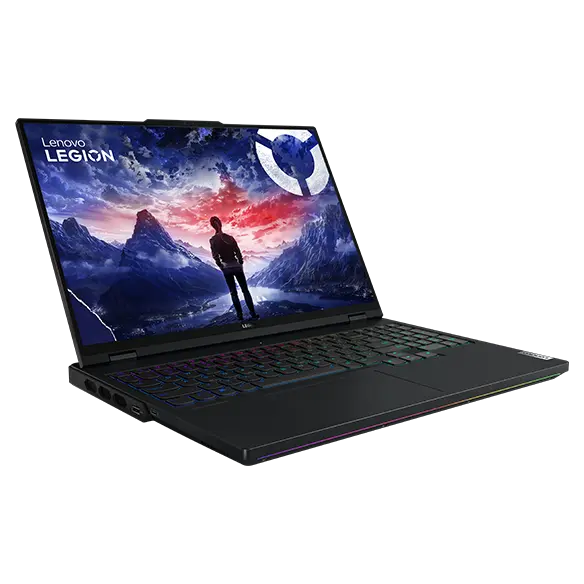
The introduction of the RTX 50-series has created a bifurcated market. On one end, premium, high-cost machines offer cutting-edge features like mechanical keyboards and 4K MiniLED panels at price points exceeding $3,000. On the other, the availability of high-performance 40-series laptops, such as the Lenovo Legion Pro 7i, has created a "value-sweet-spot" for consumers who prioritize price-to-performance ratios over the absolute latest GPU generation.
Experts suggest that the current pricing trends will stabilize as the RTX 5060 and 5050 variants enter the market. These entry-level 50-series chips are expected to displace the 4060 as the standard for budget-conscious gamers, likely driving the cost of high-refresh-rate gaming laptops below the $1,000 threshold by late 2025.
Strategic Considerations for Consumers
When selecting a gaming laptop in this cycle, the decision should be dictated by the specific use case rather than raw specs alone.
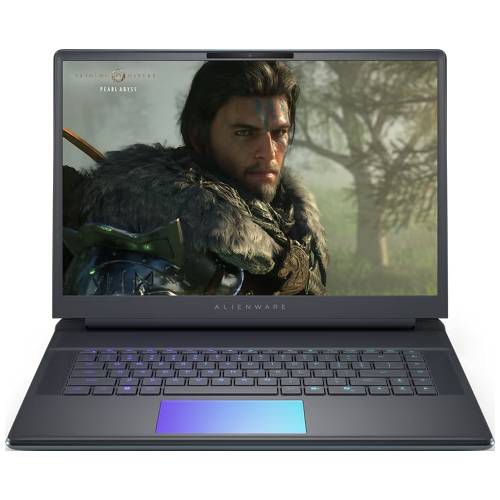
- The Desktop Replacement: For users who rarely travel, the MSI Raider 18 or Alienware 16 Area-51 provide the necessary thermal headroom to sustain maximum clock speeds for hours, effectively replacing a desktop PC.
- The Hybrid Professional: For those who need to balance heavy workloads with portable gaming, the Razer Blade 16 offers the most efficient balance of thin-and-light portability and high-end graphical output.
- The Mobile All-Rounder: For students or mobile workers, the Asus TUF Gaming A14 remains the most logical choice. Its longevity and durability outweigh the raw performance gains of the 50-series, which would be throttled by a mobile user’s lack of consistent power access.
Thermal Management and Sustainability
A recurring observation in 2025 reviews is the increased heat output of the latest high-performance components. Manufacturers have responded with improved vapor chamber cooling and liquid metal thermal interfaces. However, the physical reality remains: high-end mobile silicon generates significant heat. Prospective buyers should be prepared for the audible fan noise that accompanies intensive gaming sessions.
The industry’s move toward more efficient, lower-voltage components in the "AI-ready" class of laptops suggests a long-term goal of balancing performance with energy sustainability. While the 2025 generation pushes the boundaries of raw power, the integration of intelligent software to manage power states during non-gaming tasks indicates a maturation of the category.
Conclusion
The gaming laptop market in 2025 is more robust and varied than ever before. While the RTX 50-series provides an undeniable performance leap, the continued relevance of the 40-series ensures that there is a viable machine for every budget. By focusing on benchmarks that account for both synthetic power and real-world endurance, consumers can navigate this complex landscape to find a device that serves their specific needs for years to come. Whether the priority is the aesthetic flair of the Alienware Area-51 or the endurance of the Asus TUF line, the hardware of 2025 offers a level of sophistication previously unseen in the mobile gaming space.
Related posts: