JBL’s Summit Ama stands as a testament to the company’s nearly eight decades of audio engineering prowess, aiming to redefine the high-end standmount loudspeaker category. Positioned as the pinnacle of JBL’s compact speaker offerings, the Ama represents a culmination of experience honed in diverse acoustic environments, from intimate home listening rooms to the grandest concert halls and meticulous recording studios. This ambition is underscored by its place within the elite Summit series, a lineup of premium loudspeakers named after formidable Himalayan peaks, signifying a commitment to unparalleled performance and sophisticated design.
The Summit Ama is the smallest of the three speakers in the Summit range, which also includes the larger floorstanding models, Summit Pumori and Summit Makalu. While these speakers occupy a distinct tier below JBL’s flagship Everest DD67000 and K2 S9900 tower loudspeakers, they embody the same dedication to sonic excellence and advanced acoustic principles. The Ama, in particular, is designed for listeners who seek the immersive soundstage and detailed resolution of a high-fidelity system without the imposing footprint of floorstanding speakers.
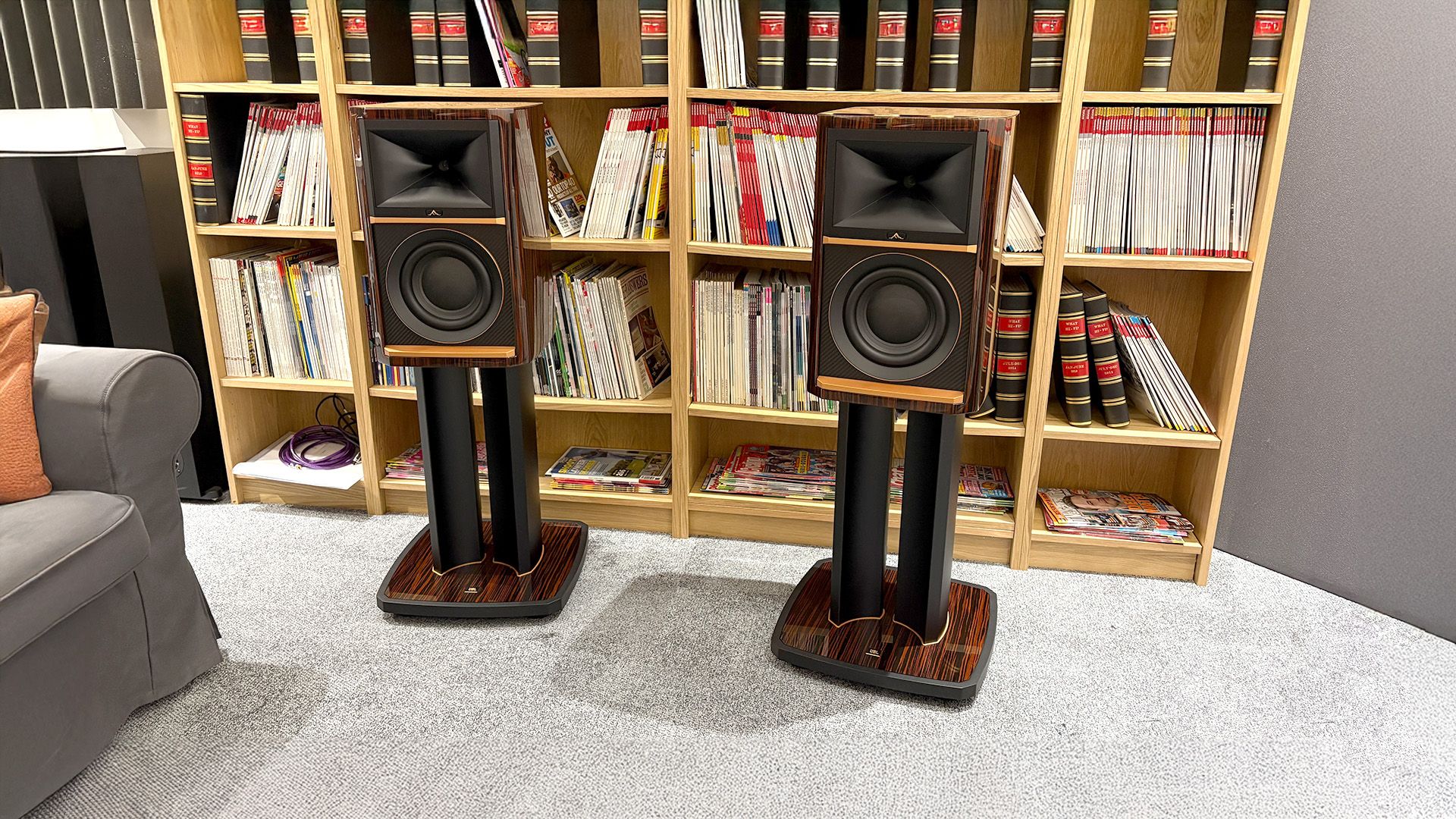
Design and Engineering: A Fusion of Heritage and Innovation
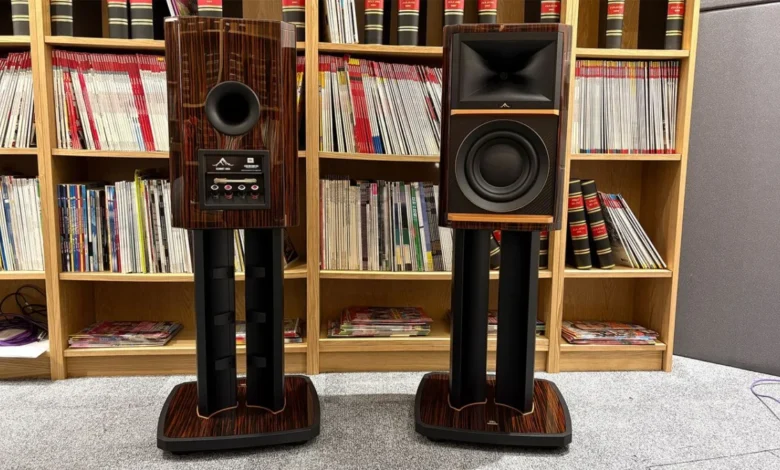
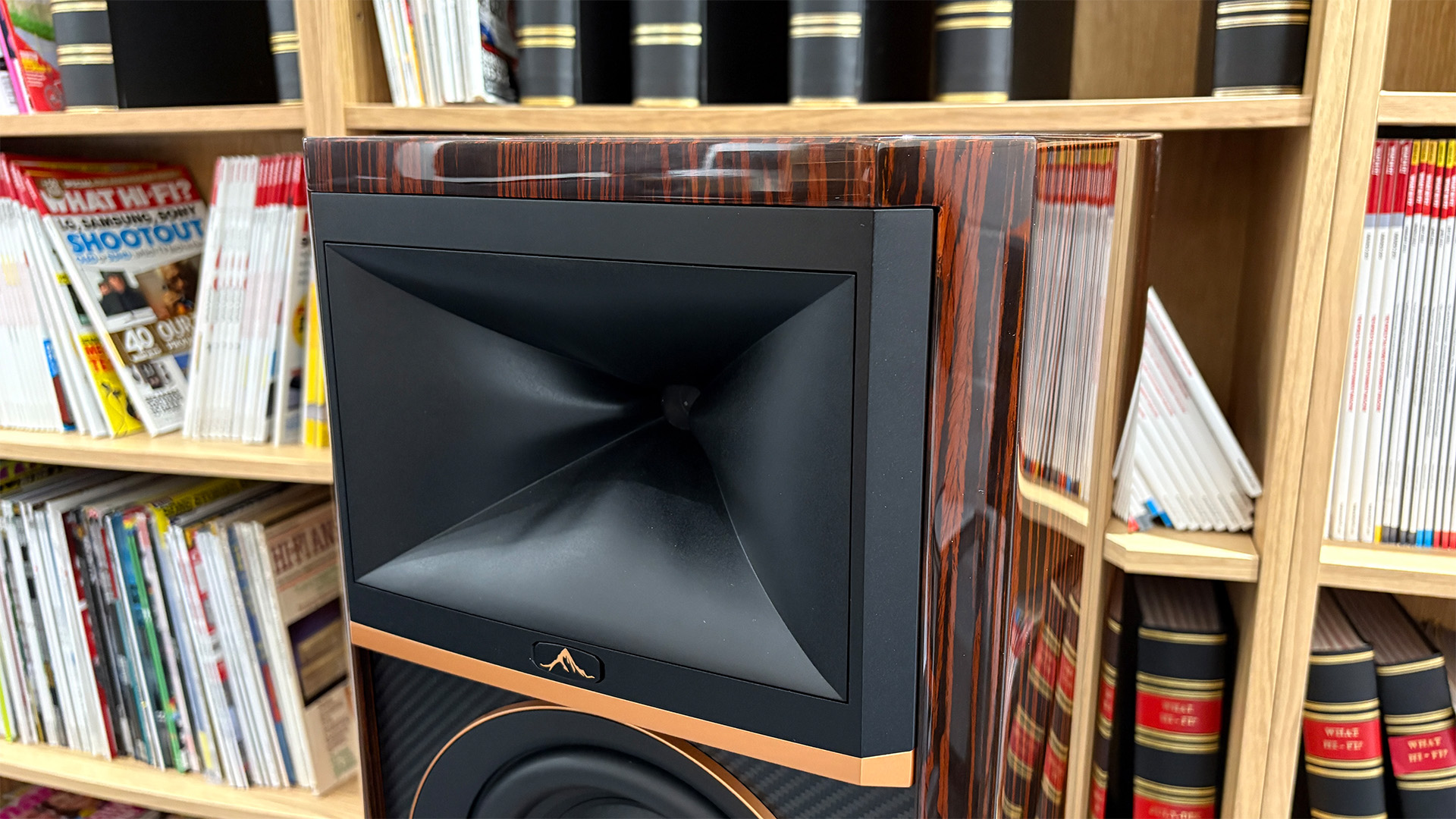
At the heart of the Summit Ama’s exceptional performance lies its advanced driver technology, most notably the horn-loaded compression tweeter. JBL’s mastery of horn technology, cultivated over decades, is evident in the D2815K compression driver employed here. This unit features dual 38mm annular Teonex diaphragms, each driven by its own motor system, ensuring precise and dynamic high-frequency reproduction. The diaphragms are coupled to JBL’s proprietary HDI (High Definition Imaging) horn, meticulously engineered from Sonoglass, a specialized fiberglass-based composite. The horn’s unique geometry is critical for controlled dispersion of high frequencies, both horizontally and vertically, while simultaneously minimizing distortion traditionally associated with such designs. This focus on controlled sound dispersion is a hallmark of professional audio systems, ensuring a consistent and immersive listening experience across a wider listening area.
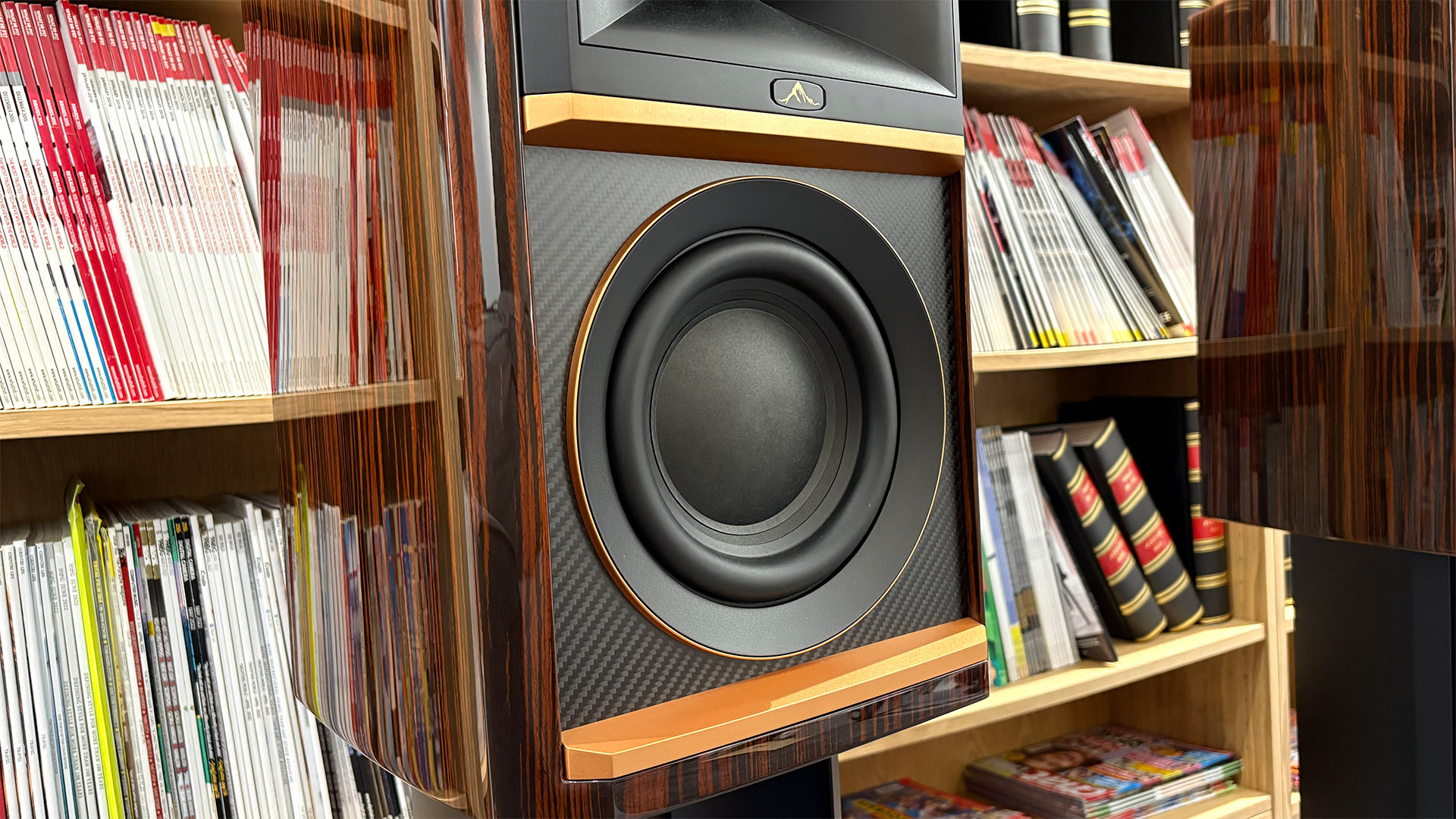
Complementing the sophisticated tweeter is a substantial 20cm hybrid mid/bass driver. This driver utilizes a three-layer diaphragm construction, combining carbon fiber and cellulose with a closed-cell foam core. This innovative material science approach achieves a critical balance of stiffness, low mass, and internal damping, essential for accurate and powerful mid-bass reproduction. The driver is housed in a rigid cast aluminum chassis and features a ferrite magnet motor system, engineered to deliver high sound pressure levels with exceptional low-frequency extension and minimal distortion. The speaker’s low-end output is further augmented by a large, rear-facing port, carefully flared to ensure smooth airflow and prevent chuffing, even at high playback levels. This port design is crucial for maximizing bass response without compromising sonic clarity.
The integration of these drivers is managed by a meticulously calibrated crossover network. JBL has opted for an advanced design that eschews traditional large-value capacitors in favor of multiple smaller, lower ESR (Equivalent Series Resistance) components. This engineering choice contributes to reduced distortion, enhanced power handling, and improved overall dynamic range, allowing the speaker to reproduce the subtle nuances and dramatic shifts in musical performances with greater fidelity.
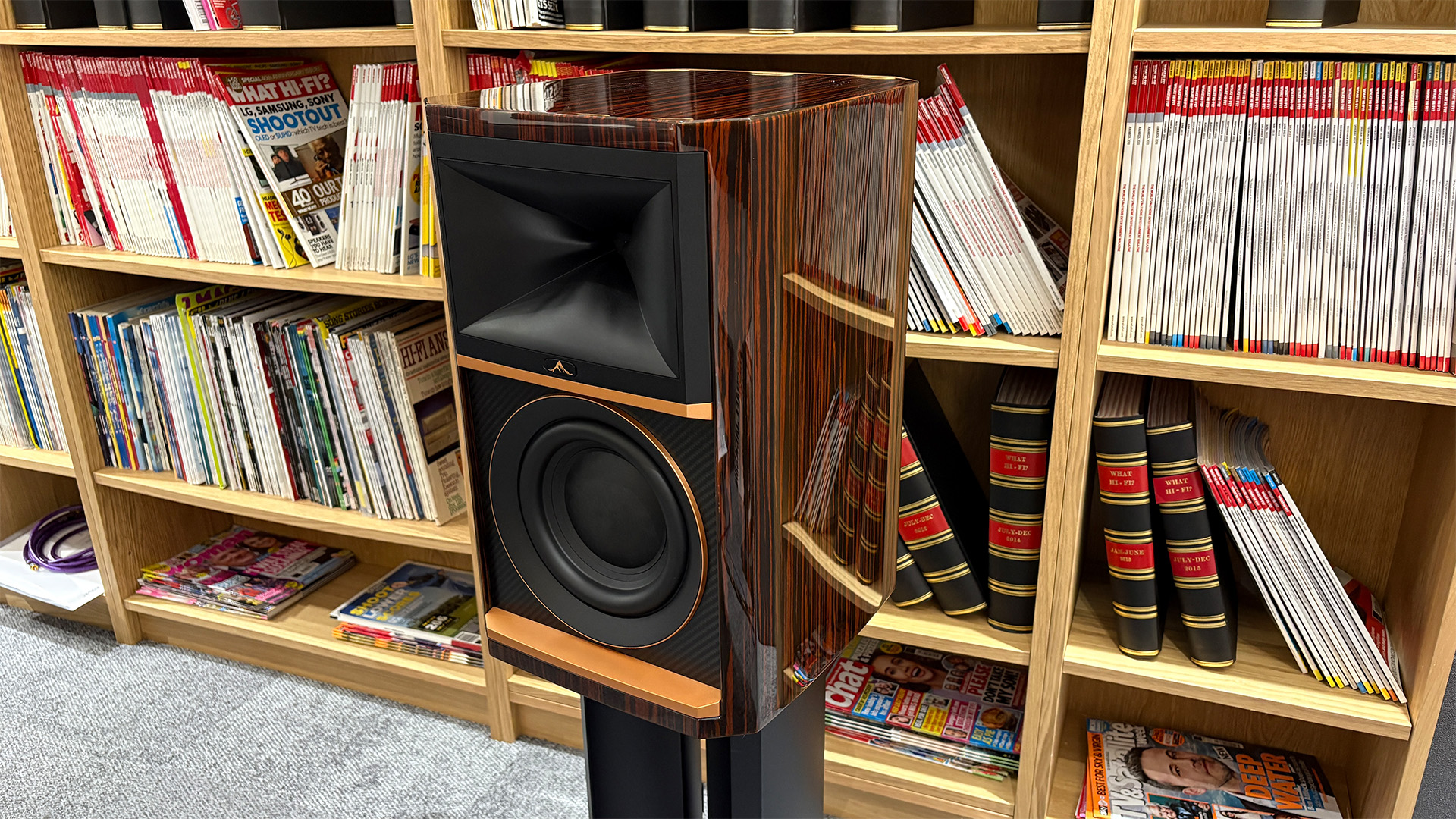
Physicality and Construction: A Statement of Quality
The JBL Summit Ama is a speaker of considerable physical presence, even as a standmount design. Standing at approximately 47.6cm tall, 30.8cm wide, and with a substantial cabinet depth of 33.6cm, these speakers are designed to command attention in a listening space. Their robust construction is immediately apparent; the cabinets are exceptionally solid, demonstrating excellent damping properties, which are vital for preventing unwanted resonance and coloration of the sound. Each speaker weighs in at a hefty 26.3kg, a testament to the quality of the internal bracing and dense cabinet materials used. This weight necessitates careful consideration during installation, particularly when mounting them on their dedicated stands.
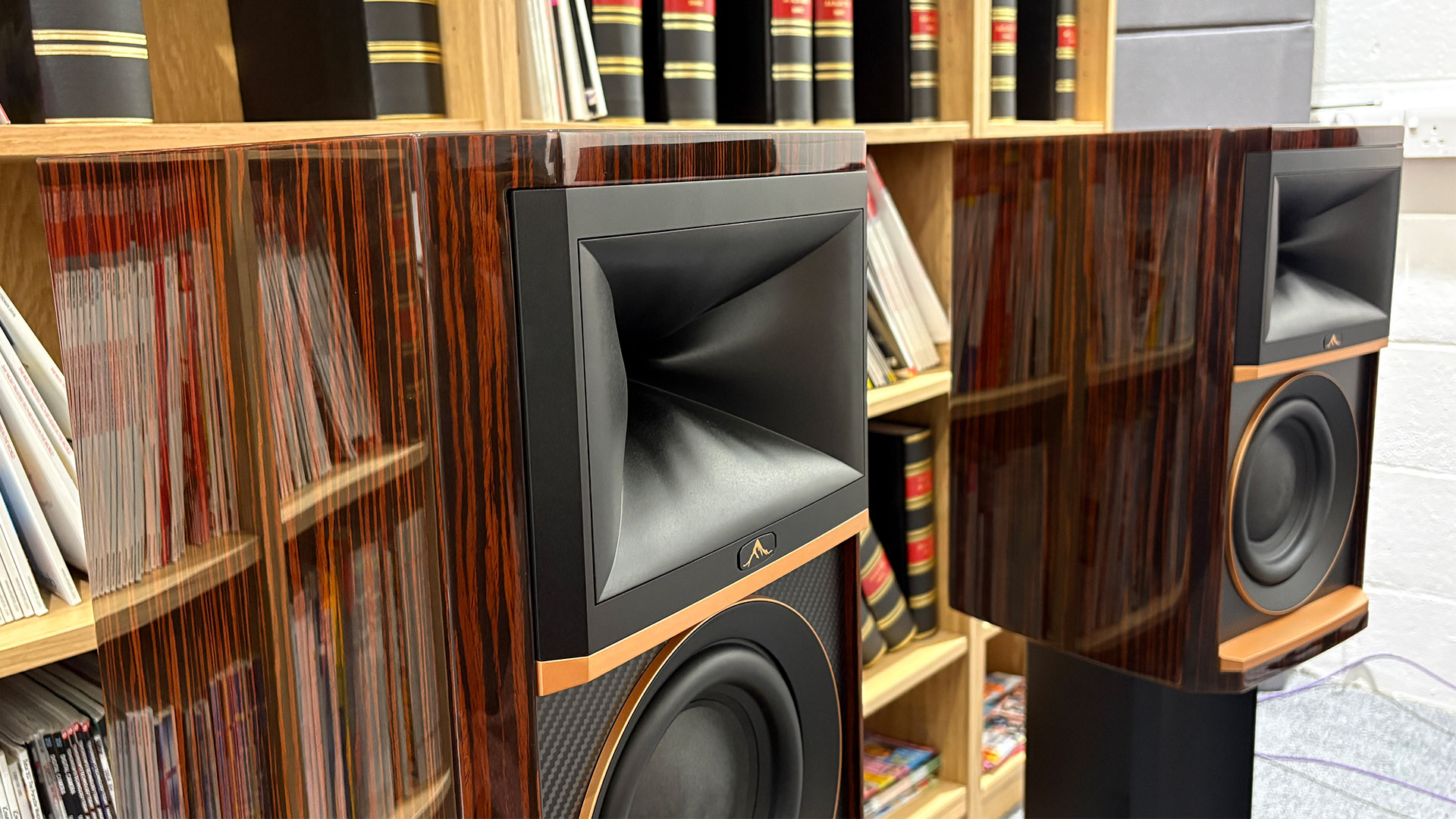
JBL offers the Summit Ama in two premium finishes: a high-gloss black and a high-gloss ebony veneer. While the aesthetic may be described by some as imposing or "brutish," there is an undeniable sense of meticulous craftsmanship in the fit and finish. The precision with which the drivers are integrated into the cabinet, and the flawless execution of the high-gloss finishes, speak to a high level of manufacturing precision.
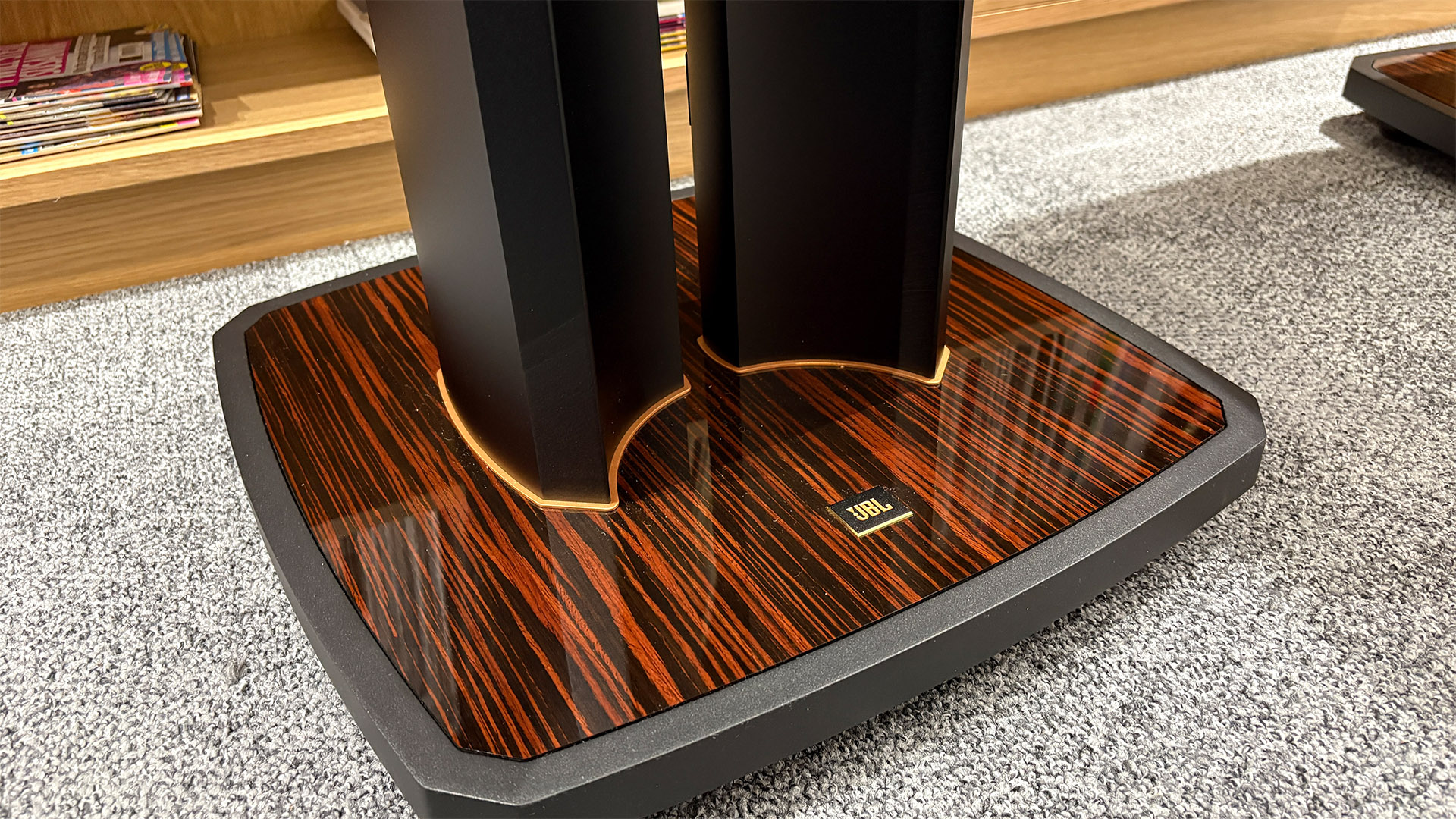
The dedicated stands for the Summit Ama are equally impressive. Constructed with substantial twin pillars, they provide a stable platform for the speakers. Rather than traditional spikes, these stands incorporate IsoAcoustics soft feet, designed to isolate the speakers from the floor and further reduce the transmission of vibrations, thereby enhancing sonic clarity and bass definition. JBL has also thoughtfully integrated cable management solutions into the stand design, helping to maintain a clean and organized aesthetic, a detail often overlooked by other manufacturers. The Summit Ama speakers securely bolt onto these stands, ensuring stability and optimal acoustic coupling.
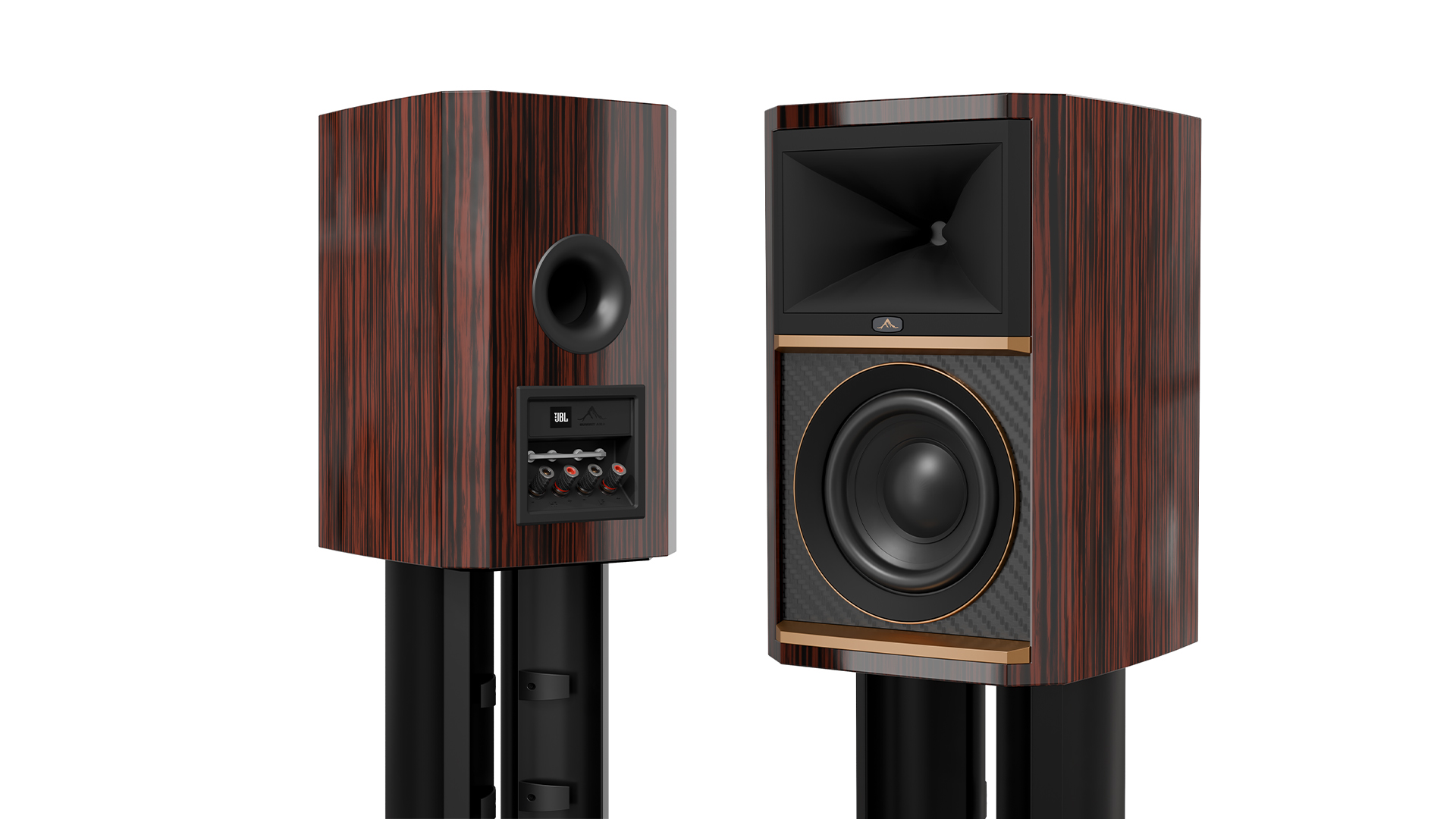
Compatibility and System Synergy: Demanding the Best
JBL specifies the Summit Ama with a sensitivity of 84dB/W/m and a nominal impedance of 4 ohms. These figures indicate that the Ama speakers are not particularly demanding in terms of amplification sensitivity but do benefit significantly from an amplifier with ample power reserves and a robust power supply. To unlock their full potential, a high-quality amplifier is essential. During testing, an 180-watt-per-channel Burmester 088/911 MkIII pre/power amplifier combination proved to be an excellent match, providing the necessary drive and control to reveal the speakers’ full capabilities.
The review team emphasizes that investing in such high-caliber speakers necessitates a similarly capable accompanying system. The sources used for evaluation included Naim’s ND555/555 PS DR music streamer and a Technics SL-1000R turntable fitted with a Kiseki Purpleheart cartridge. These sources were connected either to the aforementioned Burmester amplification or a PMC Cor high-end integrated amplifier. Premium cabling from Chord Cables and Vertere Acoustics were employed to ensure no bottlenecks in the signal chain.
Regarding room placement, the Summit Ama proved to be relatively forgiving, though they do require space to perform optimally. Positioned in a 3 x 7 x 5 meter (hwd) test room, the speakers were found to sound best when placed approximately 90cm from the rear wall, with a slight toe-in towards the listening position. Care was taken to optimize the toe-in angle, as this proved crucial for achieving a balanced soundstage, with a well-defined stereo image and a wide, immersive soundscape. Placing them too close to walls or corners can compromise their sonic performance, particularly their bass extension and overall clarity.
Sonic Performance: A Spellbinding and Authoritative Delivery
Once correctly set up, the JBL Summit Ama speakers produce a sound that is nothing short of awe-inspiring, far exceeding what one might expect from a standmount design. Listening to tracks like "Heat Death Infinity Splitter" by 65daysofstatic, the Ama speakers deliver a colossal wall of sound, characterized by boldness, confidence, and an authoritative presence rarely encountered in high-end standmounts. They project an earthy, physical sound that, while perhaps lacking the ethereal spaciousness of some rivals, compensates with an outgoing, brawny character that is immensely engaging.
This muscular presentation is underpinned by a bass performance that is both weighty and remarkably articulate. The speakers delve deep into the low frequencies, delivering a fullness and power that is exceptional for their size. This robust bass foundation allows the listener to comfortably turn up the volume, as the JBLs maintain their composure, smoothness, and refinement even under demanding playback conditions. While their treble may not be the absolute sweetest ever heard, it remains free from harshness or unwanted edge, exhibiting an excellent level of resolution.
The Summit Ama excels in both high and low-level dynamic contrasts, rendering them with conviction. Few competitors can match their ability to resolve subtle dynamic shifts, and even fewer can maintain listener engagement at low volumes. While the speakers actively encourage higher listening levels, they remain an entertaining proposition even at whisper volumes, showcasing their remarkable versatility.
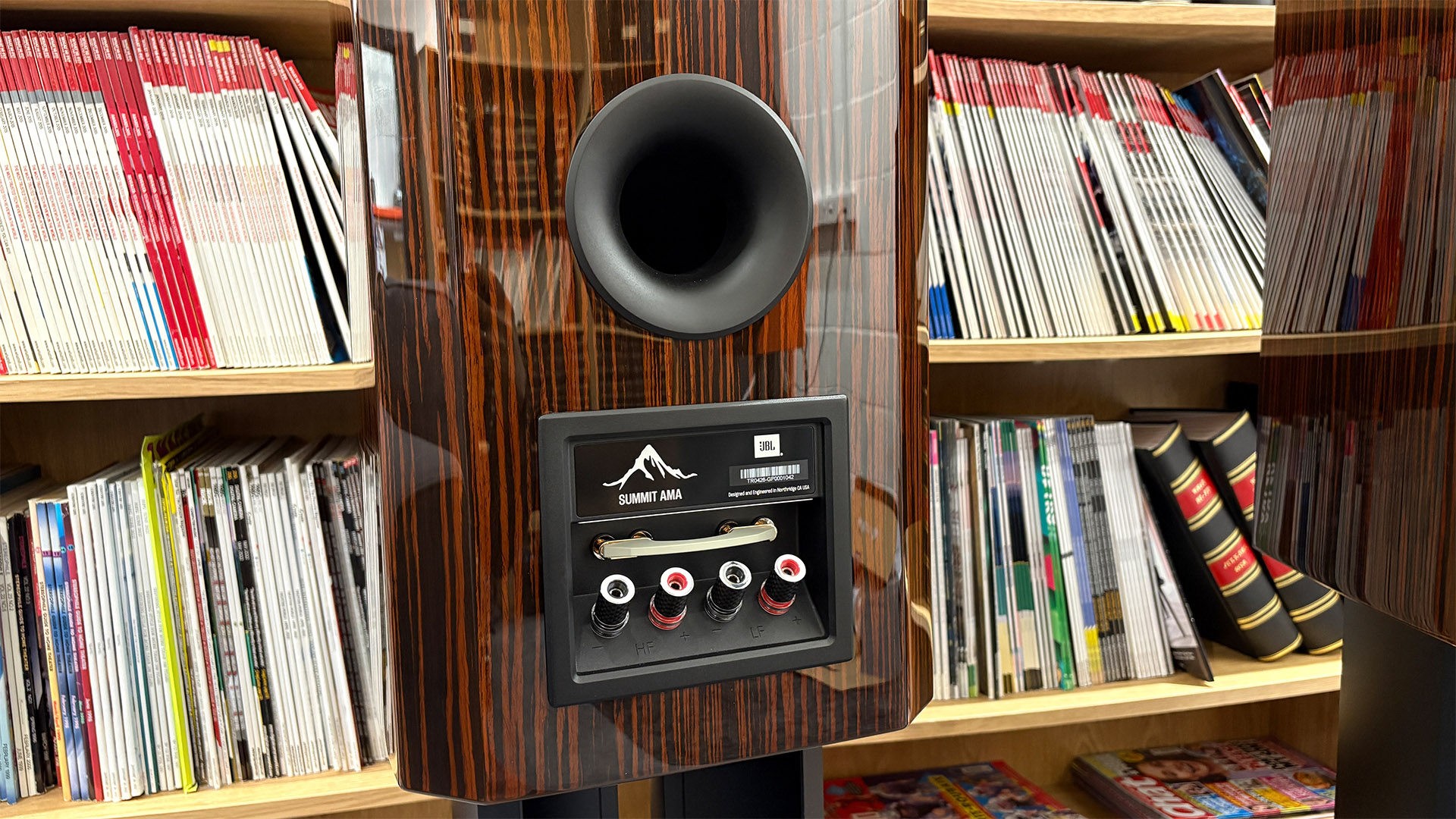
The careful engineering of the HDI horn pays dividends in the consistency of the Ama’s sound. The expansive imaging remains remarkably stable as the listener moves away from the optimal listening position, offering a wide listening area without significant degradation in focus or soundstage layering. When subjected to demanding test recordings, such as Hans Zimmer’s score for The Dark Knight, Massive Attack’s Mezzanine, and Stravinsky’s The Rite Of Spring, the Summit Ama demonstrates an impressive sonic unflappability. They maintain tight control during moments of intense musical drama, extracting a wealth of information and organizing it into a cohesive and musical presentation.
Tonally, the Summit Ama lean towards richness, offering a pleasantly full-bodied and robust character. This imbues voices and instruments with an appealing palpability, rendering instrumental textures with remarkable fidelity and conveying the emotional depth of vocal performances, such as Nina Simone’s rendition of "Sinnerman," with striking skill. Rhythmically, the speakers are sure-footed, effectively conveying musical momentum and drive. Whether the music calls for energetic rock or introspective ambient pieces like Olafur Arnald’s Found Songs, the Summit Ama proves equally adept at capturing the intended mood and emotion.
The Verdict: A Masterclass in High-End Audio
The JBL Summit Ama stands as one of the most expensive standmount loudspeakers to be reviewed by What Hi-Fi?, but its extensive array of talents justifies its premium positioning. While JBL’s heritage in delivering powerful, dynamic sound is well-established, the Ama distinguishes itself with an exceptional blend of insight, dynamic expression, and refined finesse that elevates it beyond mere sonic prowess.
For audiophiles who prioritize the analytical dissection of recording and production quality, there may be alternative speakers that offer a more clinical approach. However, for those who seek to be fully immersed in the music, to have fun, and to lose themselves in the emotional landscape of their favorite recordings, the JBL Summit Ama should undoubtedly be at the very top of their consideration list. They offer a spellbinding performance that combines raw power with sophisticated clarity, making them a truly special addition to the high-end audio landscape.
Why you can trust What Hi-Fi?
Our expert team reviews products in dedicated test rooms, to help you make the best choice for your budget. Find out more about how we test.
Review published: 20th April 2026
Scores
(Scores would typically be detailed here, but are absent in the provided text.)
MORE:
Read our ATC SCM 50 review
Also consider the Magico A1
Best speakers: budget to premium models tested by our expert reviewers.