Nikon Z 70-200mm f/2.8 VR S Lens Plummets to All-Time Low Price Amidst Industry Shifts

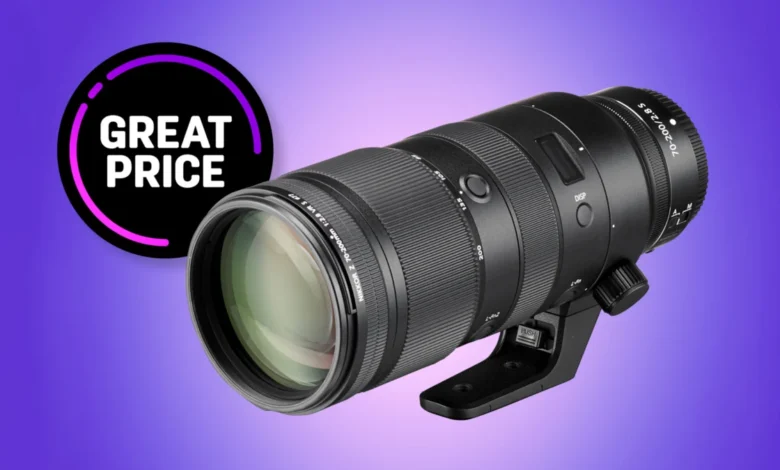
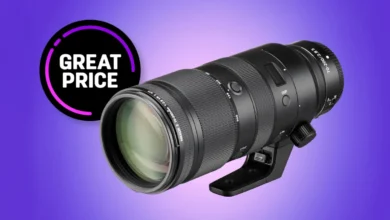
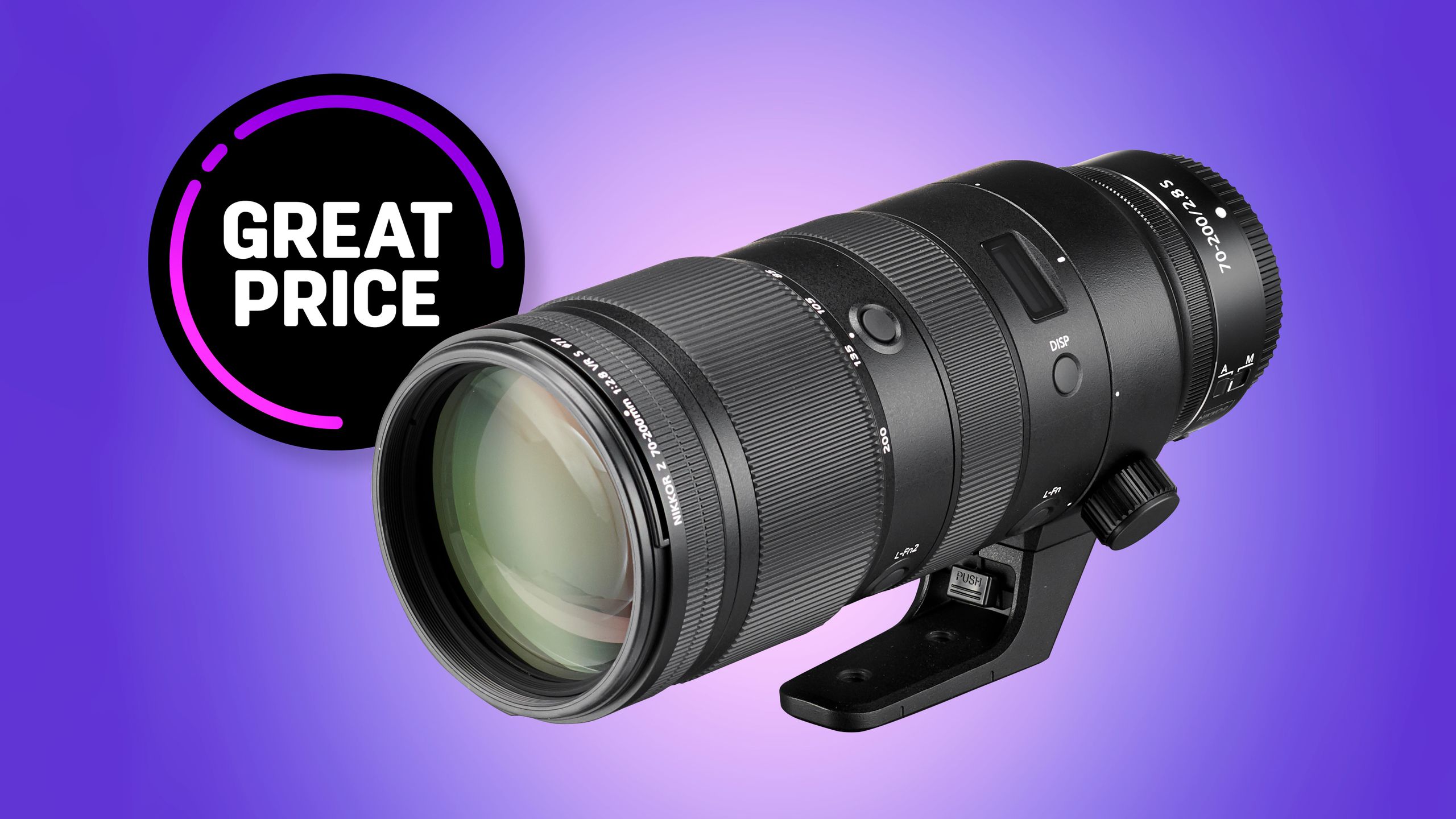
A significant opportunity has emerged for Nikon Z-mount camera users, as the highly acclaimed Nikon Z 70-200mm f/2.8 VR S telephoto zoom lens has experienced its most substantial price reduction to date. Currently available for £1,784 at Amazon UK, this represents a remarkable saving of £815 off its regular retail price of £2,599. This substantial discount arrives at a pivotal moment for the lens, with reports indicating that major Japanese retailers are now listing it as discontinued, suggesting a potential shift in Nikon’s telephoto lens strategy or an impending successor.
This price drop is particularly noteworthy given the lens’s pedigree. In reviews, the Nikon Z 70-200mm f/2.8 VR S has been lauded as potentially "the best 70-200mm zoom in the world… ever," a testament to its exceptional optical performance and robust build quality. Its positioning as a premium professional-grade optic has historically meant a considerable investment, making this current offer a compelling proposition for photographers seeking top-tier telephoto capabilities.
The Nikon Z 70-200mm f/2.8 VR S is built upon the formidable legacy of its DSLR predecessor, the Nikon AF-S 70-200mm f/2.8E FL ED VR, a lens that has long been a trusted companion for professional Nikon photographers across various genres, including sports, wildlife, and event photography. The transition to the Z system, however, has allowed Nikon to refine and enhance the optical design and operational characteristics, resulting in a lens that excels in image sharpness, autofocus precision, and overall handling for mirrorless camera bodies.
A Legacy of Excellence and Technological Advancement
The demand for versatile, high-performance telephoto zoom lenses like the 70-200mm f/2.8 focal range has remained consistently high within the professional photography community. This particular focal length is often considered a workhorse, offering a broad spectrum of creative possibilities, from intimate portraits with beautifully blurred backgrounds to capturing distant subjects in sports and wildlife photography. The f/2.8 maximum aperture is crucial, enabling photographers to work effectively in challenging low-light conditions and to achieve shallow depth-of-field effects that isolate subjects from their surroundings.
Nikon’s engineering prowess is evident in the sophisticated optical construction of the Z 70-200mm f/2.8 VR S. The lens incorporates an impressive 21 elements arranged in 18 groups. This complex arrangement includes advanced optical elements designed to minimize aberrations and maximize image quality. Specifically, the inclusion of two aspherical elements helps to control distortion and improve edge-to-edge sharpness. Six Extra-Low Dispersion (ED) elements are crucial for reducing chromatic aberration, a common issue in telephoto lenses that can lead to color fringing. Furthermore, the integration of a fluorite element and an SR (short-wavelength refractive) element contributes to superior color rendering and sharpness across the entire zoom range.
Performance Under Scrutiny: Autofocus and Stabilization
Beyond its optical sophistication, the Nikon Z 70-200mm f/2.8 VR S delivers exceptional performance in its autofocus system. Photographers will appreciate its speed, accuracy, and remarkably quiet operation, a characteristic that also makes it a highly desirable tool for videographers who require smooth and unobtrusive focus transitions. The lens’s ability to track moving subjects with precision is a critical factor for sports and wildlife photographers, ensuring that fleeting moments are captured with clarity.
A significant advantage of this Z-mount lens, distinguishing it from some other mirrorless offerings that rely solely on in-body image stabilization (IBIS), is its integrated optical Vibration Reduction (VR) system. This built-in VR provides effective stabilization, reducing camera shake and allowing photographers to shoot at slower shutter speeds without compromising image quality. This feature is particularly beneficial when working at the longer end of the zoom range, where camera shake can be more pronounced, ensuring that even handheld shots remain sharp and clear. The effectiveness of this system is underscored by its consistent performance, even when the lens is fully extended.
A Photographer’s Perspective: Real-World Application
The capabilities of the Nikon Z 70-200mm f/2.8 VR S are not merely theoretical. Finnish landscape and astro-landscape photographer Jonas Lindell has shared his experiences using the lens, highlighting its performance in demanding conditions. Lindell’s work, often captured in sub-zero temperatures and challenging environments, demonstrates the lens’s ability to produce stunningly detailed and vibrant images. His testament to the lens’s prowess, particularly in the context of landscape photography where critical sharpness and rendering are paramount, further validates its "best in class" reputation. His insights, available in a detailed feature, offer a compelling look at the lens’s real-world application and artistic potential.
Industry Context and Market Dynamics
The current pricing phenomenon and the reported discontinuation of the Nikon Z 70-200mm f/2.8 VR S from some retailers warrant a closer look at the broader market dynamics within the interchangeable lens camera industry. Nikon, like other major manufacturers, continuously evolves its product lines. The introduction of new lens designs, often optimized for the specific characteristics of their mirrorless mounts, is a standard practice.
The discontinuation of a high-end lens like this can signal several possibilities:
- Transition to a New Model: Nikon may be preparing to launch an updated version of the 70-200mm f/2.8 lens for the Z system, perhaps with further advancements in autofocus, optical design, or features.
- Strategic Product Portfolio Adjustment: Manufacturers sometimes streamline their product lines to focus on newer technologies or to manage inventory.
- Supply Chain Factors: Global supply chain challenges can also influence product availability and discontinuation decisions.
Regardless of the specific reasons, the current significant price reduction on the existing Z 70-200mm f/2.8 VR S presents an unparalleled opportunity for photographers who have been awaiting a more accessible entry point into owning this exceptional piece of equipment. For existing Nikon Z users, particularly those who may have been considering this lens as a long-term investment for their photographic toolkit, this deal offers substantial financial savings without compromising on the lens’s renowned performance.
Broader Implications for the Photography Market
This event underscores the cyclical nature of the camera gear market. High-end equipment, while offering unparalleled quality, often comes with a premium price tag. However, as new technologies emerge and manufacturers refine their offerings, older, yet still highly capable, lenses can become available at significantly reduced prices. This benefits both professional photographers looking to expand their kit affordably and advanced hobbyists seeking to elevate their photographic output.
For Nikon Z system users, the availability of such a versatile and optically superior lens at a historic low price point is a significant boon. It enables a wider range of photographers to access the professional-grade telephoto capabilities that have been a hallmark of Nikon’s lens heritage. The lens’s adaptability across multiple photographic genres—from portraiture and events to sports and wildlife—makes it a truly indispensable tool for many.
Conclusion: A Moment for Strategic Acquisition
The Nikon Z 70-200mm f/2.8 VR S remains a benchmark in telephoto zoom lens performance. Its combination of optical brilliance, rapid and silent autofocus, effective image stabilization, and robust construction makes it a top-tier choice for demanding photographic applications. The current unprecedented price drop, coupled with its potential discontinuation, creates a unique window for photographers to acquire a lens that has been consistently ranked among the best in its class. For those invested in the Nikon Z system, this offer represents a strategic opportunity to enhance their creative capabilities with an instrument that promises years of exceptional service and stunning image capture.
For photographers considering the broader Nikon ecosystem, exploring the best Nikon cameras currently available can provide further context on how such a lens would integrate with a complete imaging system. The evolution of camera and lens technology continues, but the enduring quality and performance of lenses like the Nikon Z 70-200mm f/2.8 VR S ensure their relevance and desirability, especially when offered at such an attractive price point.