The Revolutionary Leap of William Henry Fox Talbot and the Dawn of Modern Photography

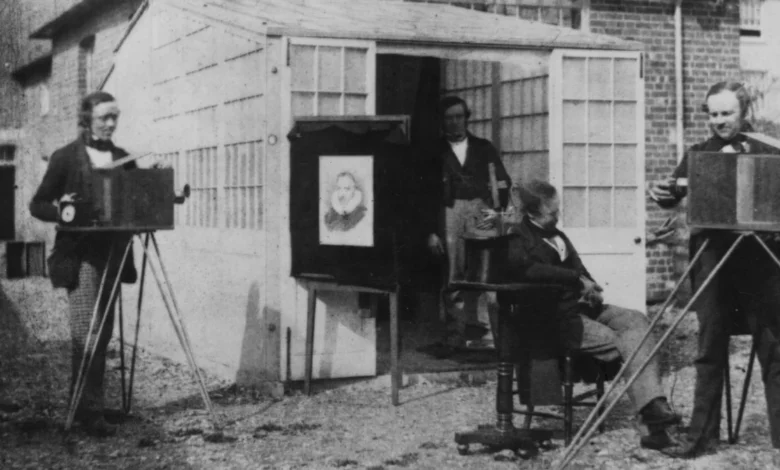
In the early 19th century, capturing a permanent image of reality was a process of extreme endurance, requiring subjects to sit motionless for minutes or even hours under the harsh glare of the sun. While modern digital cameras record images in fractions of a millisecond, the genesis of photography was a slow, chemical labor. In 1840, however, the English scientist and polymath William Henry Fox Talbot fundamentally altered the trajectory of visual history by discovering a method to reduce the required exposure time to under a minute. This breakthrough, known as the calotype process, moved photography away from the singular, fragile plates of his contemporaries and toward the reproducible, negative-to-positive workflow that would define the next 150 years of the medium.
The Landscape of Early Imaging: A Chronology of Discovery
The quest to "fix" the image formed by a camera obscura had occupied researchers for decades. The earliest surviving photograph, Joseph Nicéphore Niépce’s View from the Window at Le Gras (circa 1826), required an exposure time estimated at eight hours. The image was captured on a pewter plate coated with bitumen of Judea—a primitive, light-sensitive asphalt. By the time Louis Daguerre announced his "daguerreotype" to the French Academy of Sciences in 1839, the process had been refined, yet still necessitated between three and fifteen minutes of exposure, depending on the intensity of the light.
Talbot, working independently in England, had been experimenting with light-sensitive paper since the mid-1830s. His initial "photogenic drawings" involved soaking high-quality writing paper in a solution of sodium chloride and silver nitrate. While these experiments successfully produced silhouettes of botanical specimens, they lacked the speed and detail required for portraiture or landscape photography. When Daguerre unveiled his mirror-like silver plates in 1839, the public was enthralled by their clarity and sharpness. Talbot, feeling the pressure of being eclipsed by his French rival, raced to refine his own paper-based methodology.
The 1840 Breakthrough: The Science of the Latent Image
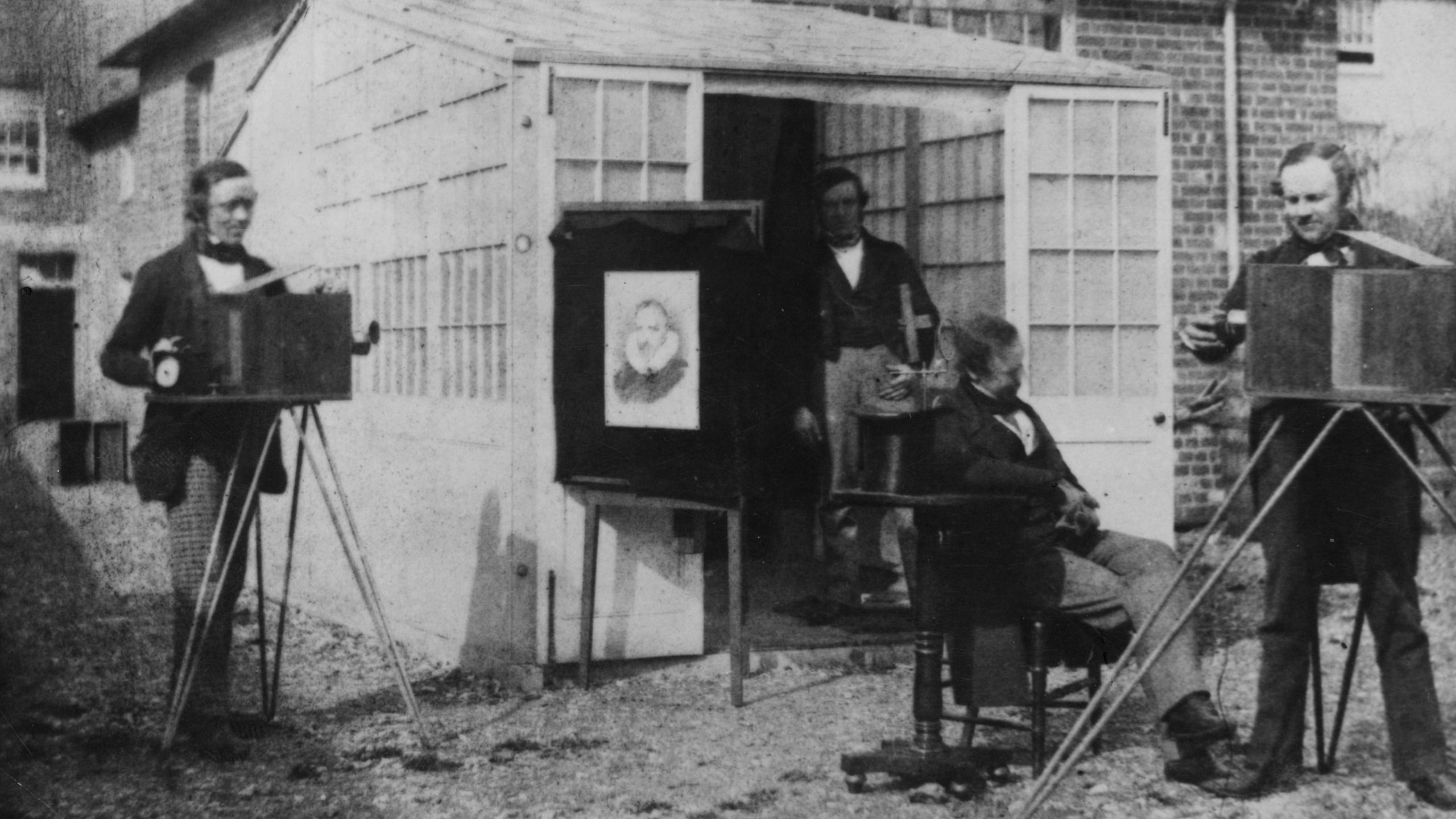
Between September 21 and 23, 1840, at his estate in Lacock Abbey, Talbot made a serendipitous discovery that would elevate photography from a curiosity to a viable craft. He observed that paper exposed for only a few seconds—an amount of time so short that no image was visible to the naked eye—could be coaxed into revealing a photograph if treated with a specific chemical bath.
Talbot identified that gallic acid acted as an "exciting liquid," or a developer, which amplified the invisible "latent image" on the paper. This was a paradigm shift: the exposure was no longer a total process, but a two-stage event. By decoupling the act of capturing light from the act of visualizing the image, Talbot slashed exposure times from the ten-minute mark down to roughly sixty seconds. This speed meant that, for the first time, human subjects could sit for portraits without the need for agonizingly long periods of rigidity or mechanical headrests.
The Mouse Trap Cameras and Technical Refinement
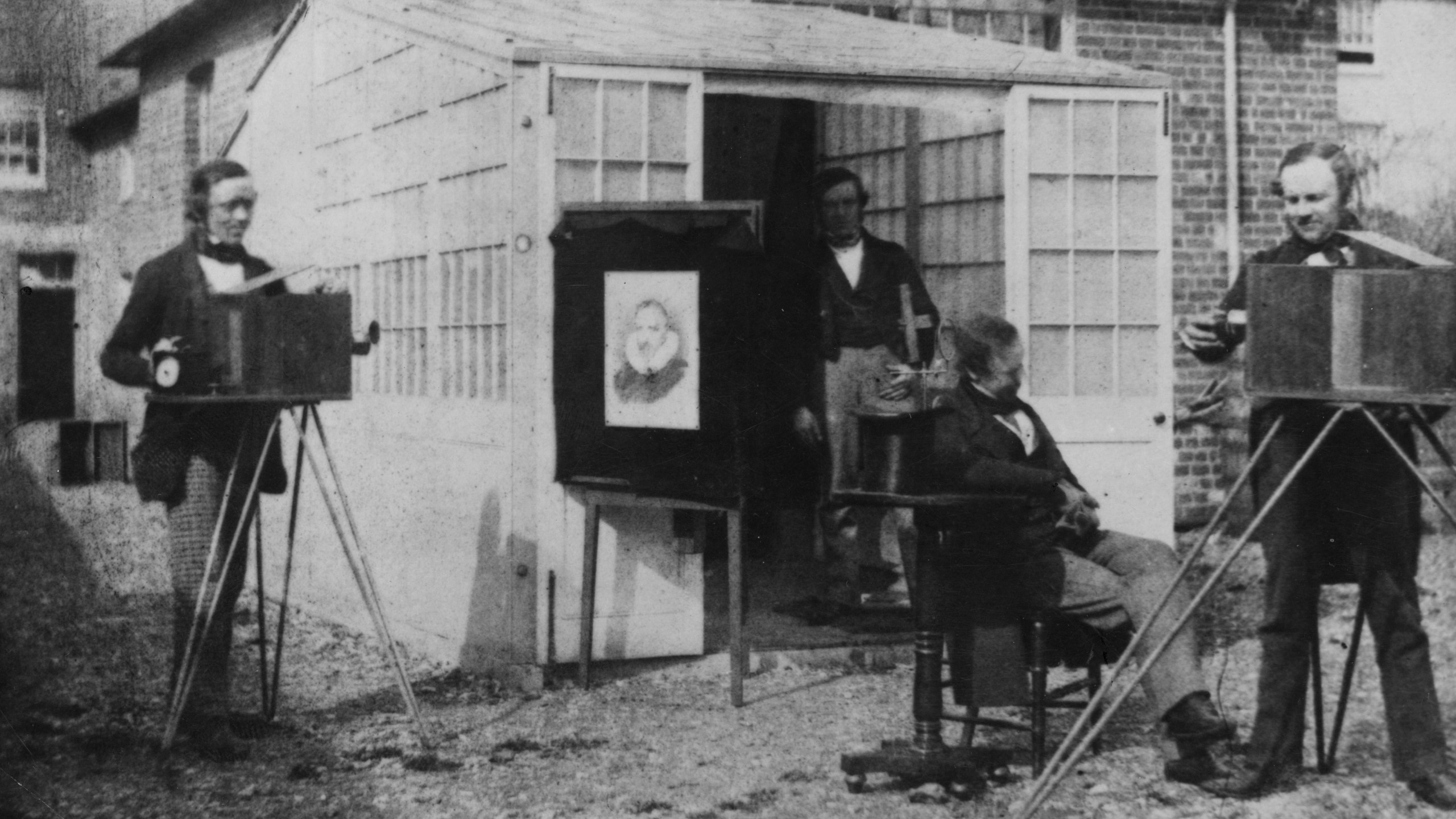
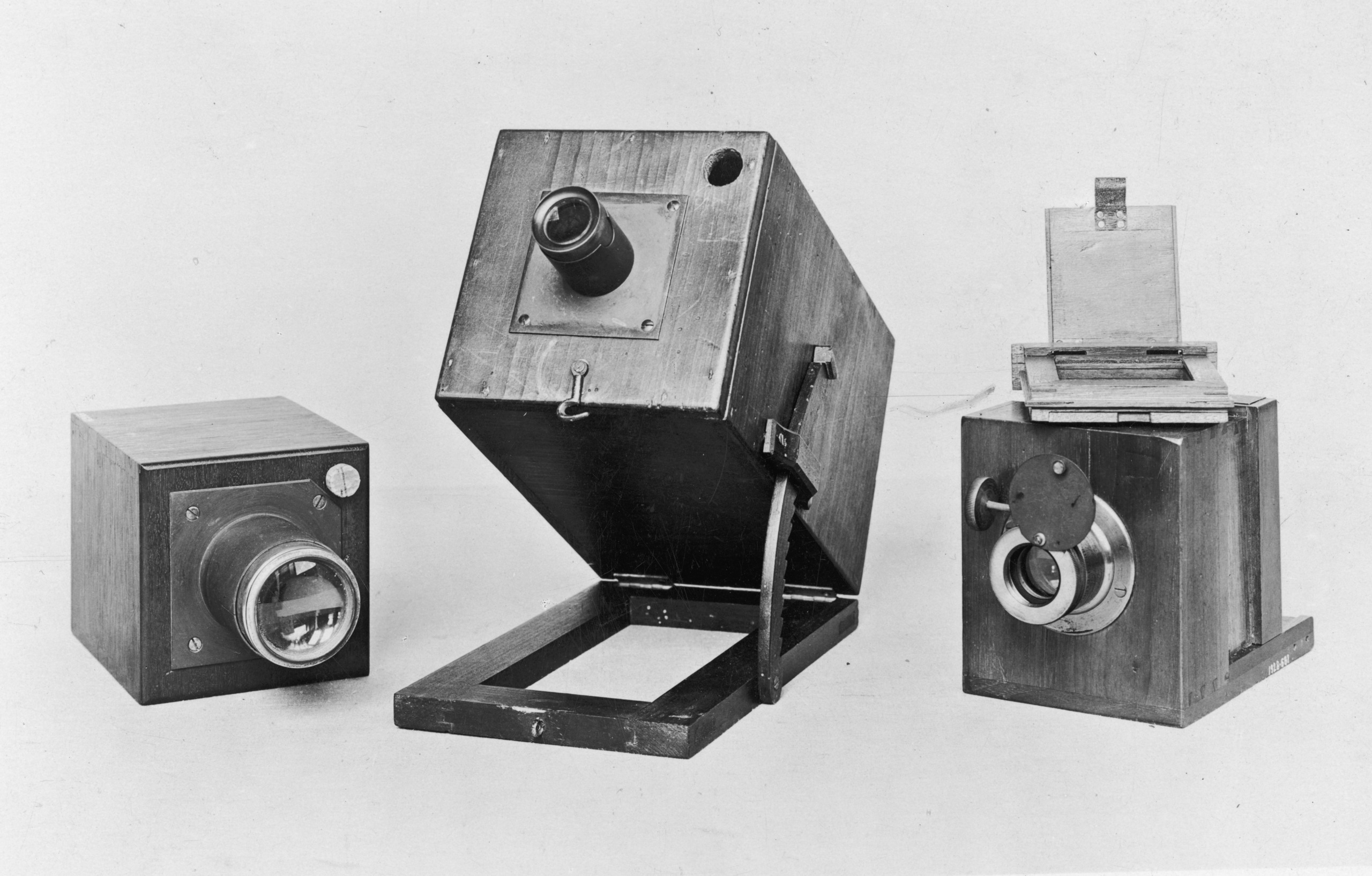
Talbot’s equipment, affectionately dubbed "mouse traps" by his wife, Constance, were small, portable wooden boxes fitted with simple lenses. These cameras were central to his field experiments. Because the calotype process used paper as both the initial capture medium and the final print, the cameras could be lightweight compared to the heavy metal-plate equipment required for daguerreotypes.
However, the process was not without its hurdles. Early calotypes often suffered from the graininess of the paper fibers, which prevented them from achieving the "razor-sharp" clarity that made daguerreotypes so popular among the elite. Furthermore, the images were prone to fading if not properly preserved. It was only through the scientific intervention of his friend, the astronomer and chemist Sir John Herschel, that the solution to this problem was found. Herschel suggested using a solution of hyposulfite of soda—often shortened to "hypo"—to dissolve the unexposed silver salts, effectively "fixing" the image and preventing further chemical reaction when the photograph was exposed to light.
Economic and Cultural Implications
The competition between the daguerreotype and the calotype was as much about economics as it was about chemistry. Daguerre’s process was released to the world with the support of the French government, effectively making it a public resource, though patents were aggressively pursued in England. Conversely, Talbot patented his calotype process in 1841. This move was controversial; he was widely criticized for his litigious approach to protecting his invention, which many in the scientific community felt hindered the rapid adoption of photography as an art form.
Despite the licensing fees, the calotype offered a distinct advantage: reproducibility. A daguerreotype was a singular, unique object. If one wanted a copy, one had to re-photograph the original. A calotype, however, was a negative. Once the paper negative was produced, any number of positive prints could be made by placing the negative over another sheet of light-sensitive paper and exposing it to sunlight. This laid the foundation for the modern photographic industry, where a single capture could be replicated infinitely.
Legacy and the Evolution of the Medium
The calotype was eventually superseded by the albumen silver print and the wet collodion process in the 1850s, which combined the sharpness of metal plates with the reproductive capability of paper. However, the conceptual architecture Talbot established—exposure, development, fixing, and printing—remains the bedrock of analog photography. Even as digital sensors have replaced chemical baths, the fundamental logic of the negative-to-positive workflow, or the processing of raw sensor data into a viewable image, traces its lineage back to the laboratory at Lacock Abbey.
The rivalry between Talbot and Daguerre, while often framed as a zero-sum game, resulted in a dual-track advancement for the field. Daguerre pushed the aesthetic limits of the image, while Talbot pushed the functional and scalable potential of the medium. Today, the "mouse trap" cameras and the original paper negatives held in archives like the National Science and Media Museum serve as a testament to a time when chemistry was the only bridge between the fleeting moment and history.
Comparative Analysis of Early Processes
| Process | Inventor | Capture Medium | Exposure Time | Reproducible? |
|---|---|---|---|---|
| Heliography | Niépce | Pewter plate | 8+ hours | No |
| Daguerreotype | Daguerre | Silver-plated copper | 3–15 minutes | No |
| Calotype | Talbot | Paper | 1 minute | Yes |
The transition from the hours-long exposure of 1826 to the sub-minute exposure of 1840 remains one of the most significant technological leaps in human history. It fundamentally altered the way society viewed itself, transforming the photograph from a scientific experiment into a democratic tool for documentation, memory, and art. Talbot’s insistence on the negative-positive process ensured that photography would not remain a luxury of the few, but a medium capable of mass distribution, setting the stage for the visual culture that dominates the 21st century.