Beyond the Spec Sheet: How the Apple Watch Series 12 Redefines Everyday Wearable Utility

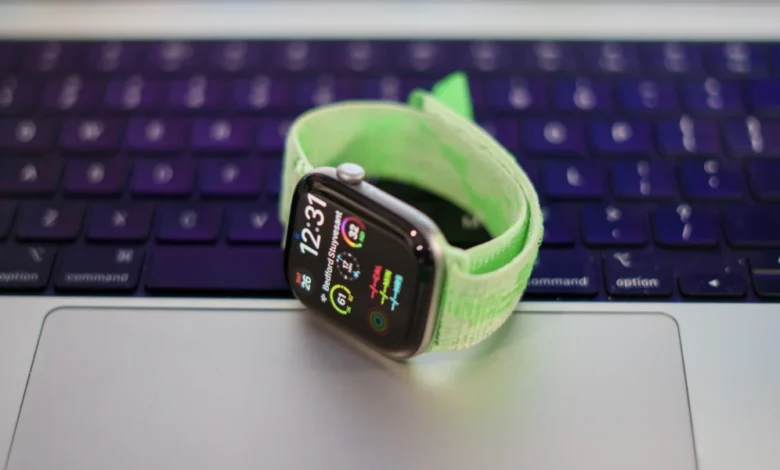
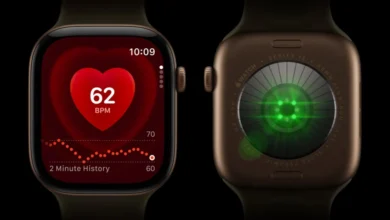
When Apple introduced the Apple Watch Series 12 during its annual autumn product showcase, initial public attention naturally gravitated toward headline-grabbing capabilities such as the AI-driven Siri Recap feature and a significantly overhauled heart rate monitoring system. However, beyond the marketing highlights, extended daily usage reveals that the device’s true evolution lies in architectural efficiency, practical battery management, and deeper health integration. For years, dedicated fitness enthusiasts often found themselves juggling hybrid ecosystems—pairing smartwatches for daytime notifications with specialized recovery trackers, such as WHOOP rings or bands, for overnight sleep and strain analysis. The Apple Watch Series 12 addresses this historical friction, signaling a maturing product category focused less on superficial cosmetic alterations and more on holistic operational longevity.
Chronology and Background of the Series 12 Launch
The development trajectory of the Apple Watch Series 12 stems from years of incremental hardware and software refinements that began in earnest with the Apple Watch Series 4, which introduced the revolutionary electrical heart sensor. Successive generations focused on display real estate, edge-to-edge OLED integration, and minor processor bumps, but users frequently cited battery limitations as the primary bottleneck for continuous health surveillance.
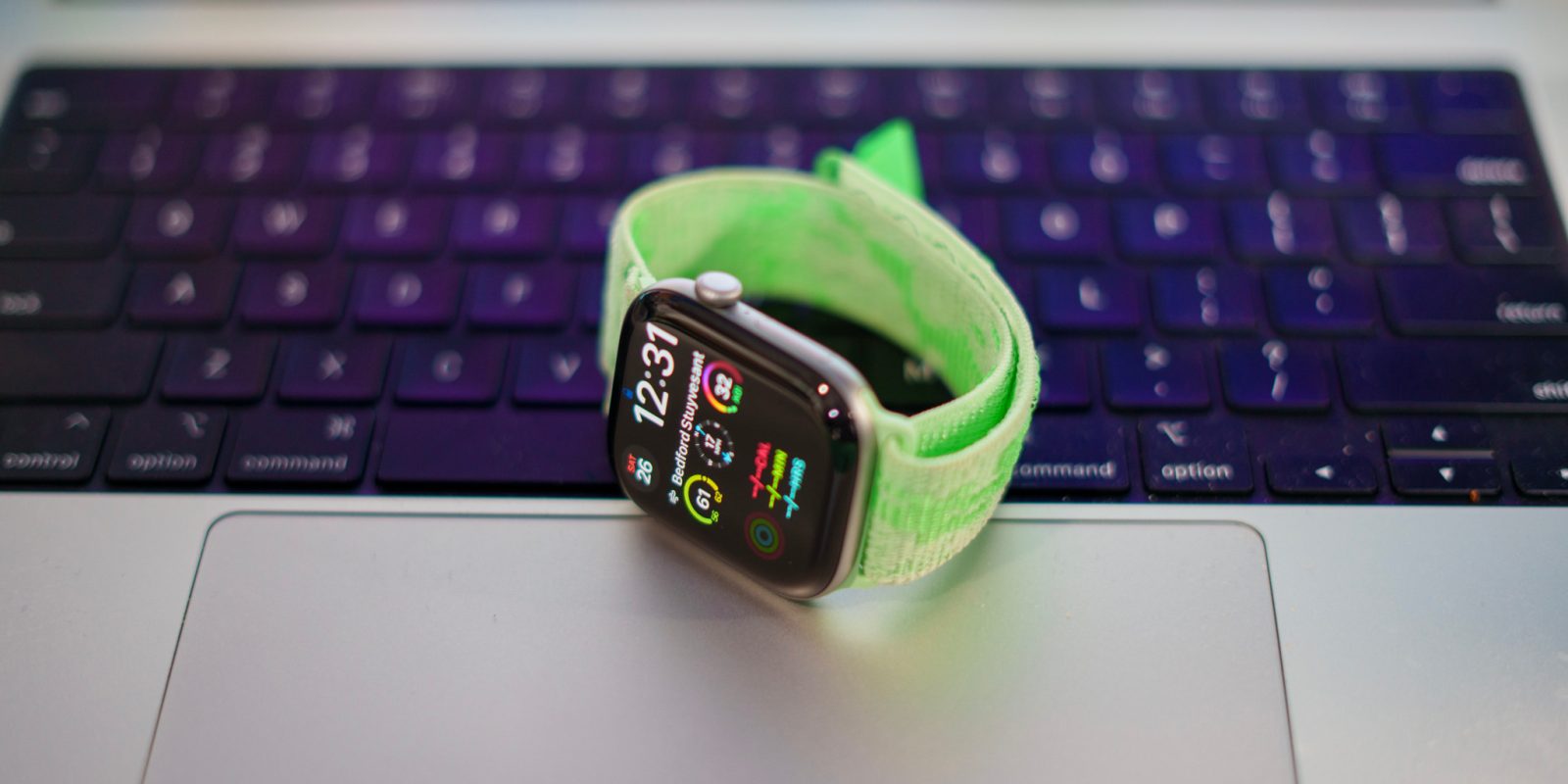
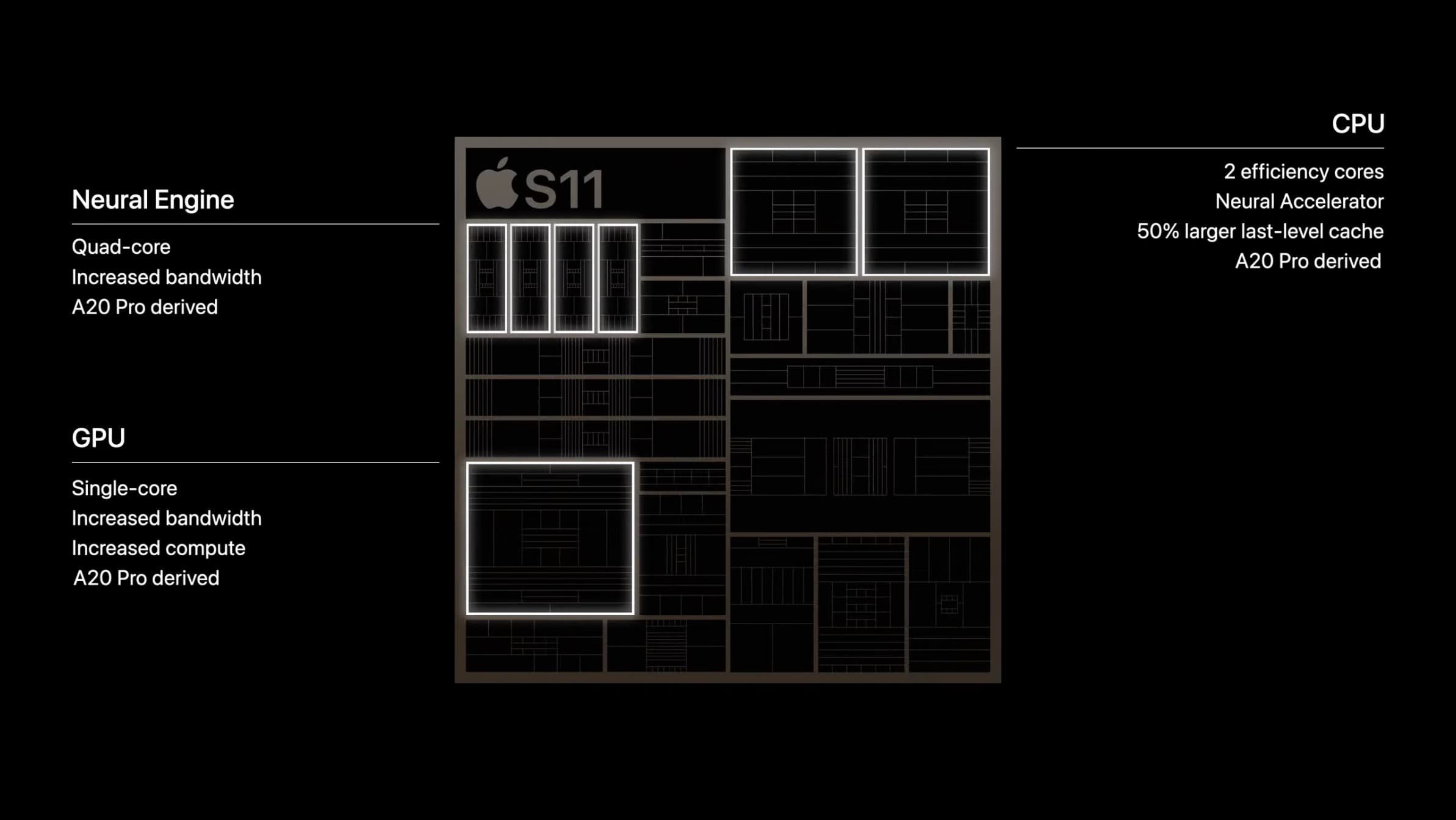
During the September product launch keynote, Apple executives emphasized the integration of the new S11 chip, a specialized silicon architecture derived from the 2nm design principles of the A20 Pro. This architectural leap provided the processing headroom necessary to execute complex on-device machine learning tasks without sacrificing thermal efficiency. Industry analysts noted that while the exterior footprint remained largely consistent with its immediate predecessors, the internal restructuring allowed Apple to optimize power delivery across all operational states. Consequently, the Series 12 launch marks a transitional phase where the smartwatch shifts from a companion display to an autonomous health monitoring node.
Battery Optimization and Charging Dynamics
One of the most persistent operational hurdles for previous Apple Watch iterations was the management of power cycles, particularly for users wishing to leverage native sleep tracking. Historically, owners of the Series 11 and earlier models faced a logistical inconvenience: utilizing the device for overnight biometric analysis required carving out dedicated charging windows twice a day—once before bed and once immediately upon waking.
With the Series 12, power management has been streamlined significantly. Although official technical specifications published on Apple’s corporate portal do not quote an expanded raw milliamp-hour capacity compared to the Series 11, real-world utilization demonstrates marked improvements in endurance. The integration of the 2nm-derived S11 chip enables aggressive power throttling during low-activity states, allowing the wearable to easily sustain a full diurnal cycle alongside continuous nocturnal monitoring.
Furthermore, charging speeds have been markedly accelerated. Apple’s official benchmarks indicate that a rapid 15-minute charge supplies up to 12 hours of standard usage. This enhancement effectively eliminates the charging anxiety that previously deterred users from adopting native sleep tracking, aligning the user experience more closely with dedicated fitness bands that prioritize uninterrupted data collection.
Advanced Health Metrics and Software Exclusives
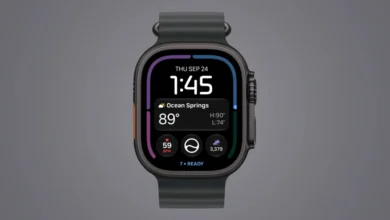
Software integration on the Series 12 introduces deeper analytical tools that bridge the gap between casual fitness tracking and professional-grade physiological monitoring. Among the notable additions is the inclusion of a dedicated step-counter complication accessible within the revamped Smart Stack interface. While step-counting algorithms have existed within watchOS for years, the Series 12 refines accelerometer precision, delivering more accurate stride metrics.
More substantial is the introduction of the Readiness app, a proprietary software feature designed to synthesize disparate biometric data points into a single, actionable recovery score. By evaluating metrics gathered during overnight sleep—including heart rate variability (HRV), resting heart rate, respiratory rate, and skin temperature—alongside the physical strain of the previous day’s activities, the Readiness app provides users with a comprehensive index of their physical preparedness.
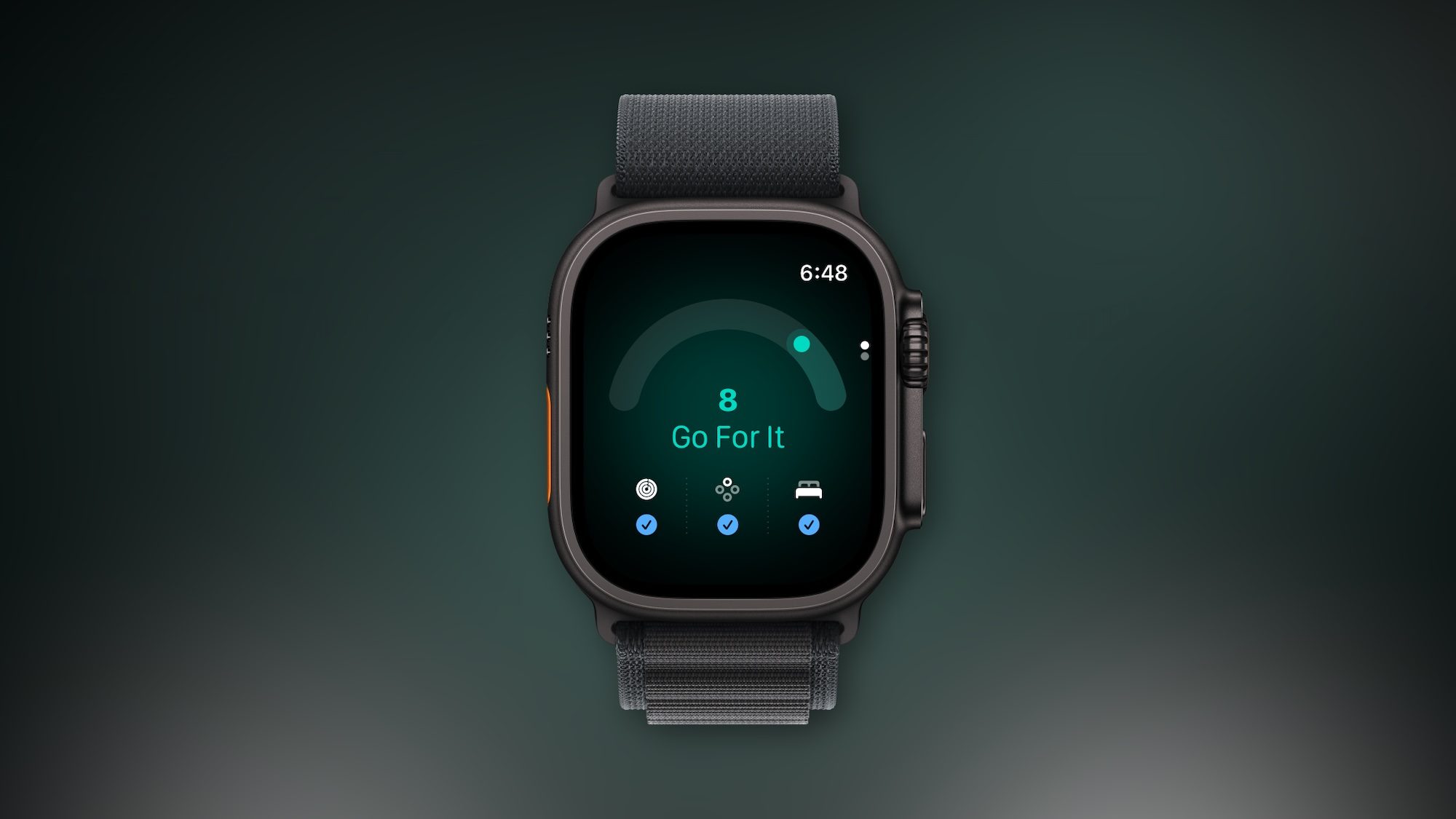
This functionality mirrors the recovery metrics popularized by dedicated athletic ecosystems. While the exclusivity of the Readiness app to the Series 12 sparked discussions among owners of older hardware generations, technical analysts suggest that the advanced sensor array and computational demands of the S11 processor are prerequisites for processing these multi-variable health algorithms with clinical-grade reliability.
Hardware Refinements, Durability, and Design Trade-offs
A macroscopic analysis of the Apple Watch Series 12 reveals a measured approach to physical design. Eschewing radical aesthetic overhauls, Apple opted for functional durability improvements. Notably, aluminum variants of the Series 12 now incorporate Ceramic Shield 2 glass protection, substantially increasing resistance to surface scratches and high-impact abrasions compared to older aluminum models. This material upgrade addresses long-standing consumer feedback regarding the vulnerability of lightweight watch casings during rigorous outdoor activities.
Concurrently, subtle dimensional adjustments resulted in slightly thicker display bezels compared to the ultra-slim profiles seen on the Series 10 and 11. While design purists noted the modification, practical testing indicates that for users utilizing watch faces configured with deep black backgrounds—which leverage the infinite contrast ratios of OLED technology—the variance in bezel thickness remains virtually imperceptible during normal daily interactions.

Implications for the Wearable Technology Market
The introduction of the Apple Watch Series 12 carries broader implications for the global consumer electronics and digital health markets. By successfully closing the gap in sleep tracking endurance and recovery analytics, Apple has directly challenged single-purpose fitness wearables. Industry observers suggest that as smartwatches achieve parity with dedicated recovery bands, consumers are increasingly consolidating their digital health infrastructure into a single multi-functional device.
Moreover, the integration of advanced 2nm-class silicon into wrist-worn form factors demonstrates the rapid trickle-down of bleeding-edge semiconductor technology from flagship smartphones to wearable accessories. This trend underscores Apple’s broader strategy: establishing deep ecosystem lock-in through proprietary health insights processed locally on-device, thereby ensuring enhanced user data privacy while driving hardware upgrade cycles in a mature market.
As regulatory bodies continue to scrutinize digital health claims, the inclusion of sophisticated biometric tracking tools like the Readiness app positions Apple not merely as a consumer technology vendor, but as a significant participant in preventive health and wellness monitoring.