Tether Tools launches new tripod hammocks to optimize workspace management for professional photographers

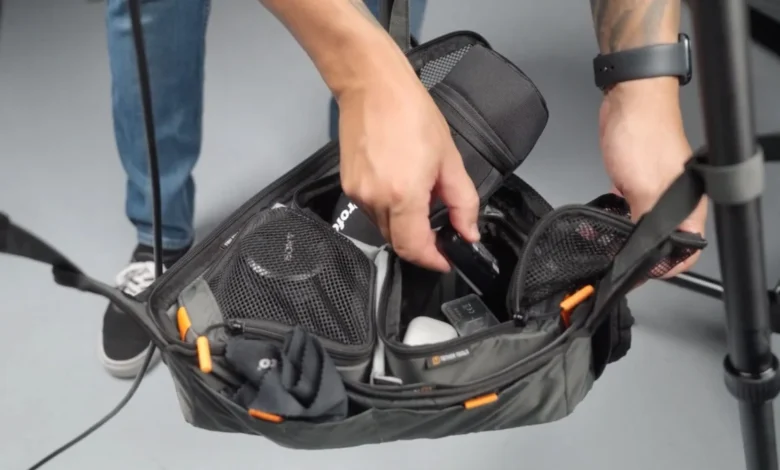
The professional photography landscape is frequently defined by the frantic pace of location shoots, where the difference between a seamless workflow and a chaotic environment often comes down to organizational efficiency. Tether Tools, a company long recognized for its innovative solutions in tethered shooting and studio workflow management, has introduced a new product category designed to solve a perennial problem for on-location photographers: the lack of accessible, safe storage space for essential gear. By transforming the "dead space" between the legs of a tripod into a functional storage station, the company has released the Tripod Hammock Multi-Pro and the Tripod Hammock Sport, both of which aim to keep vital equipment off the ground and within arm’s reach.
The Evolution of Studio Workflow Management
For decades, photographers working on location have relied on cumbersome solutions to manage their gear. Often, lenses, batteries, and memory cards are placed on the ground, on unstable makeshift surfaces, or kept in deep camera bags that require constant zipping and unzipping. This downtime can be costly, particularly in fast-paced commercial, portrait, or architectural photography environments where lighting conditions or subjects may shift at a moment’s notice.
The concept of utilizing the central area beneath a tripod for storage is not entirely new in the DIY community; many photographers have historically used makeshift nets or improvised pouches to weight their tripods or hold small accessories. However, Tether Tools’ formal entry into this space represents a shift toward standardized, purpose-built gear designed to integrate seamlessly with professional-grade camera support systems. The development of these hammocks addresses the dual needs of storage efficiency and equipment security, providing a dedicated space that remains tethered to the photographer’s most important tool—the tripod itself.
Technical Specifications: The Multi-Pro vs. The Sport
The product launch includes two distinct tiers of storage, catering to different levels of equipment complexity.
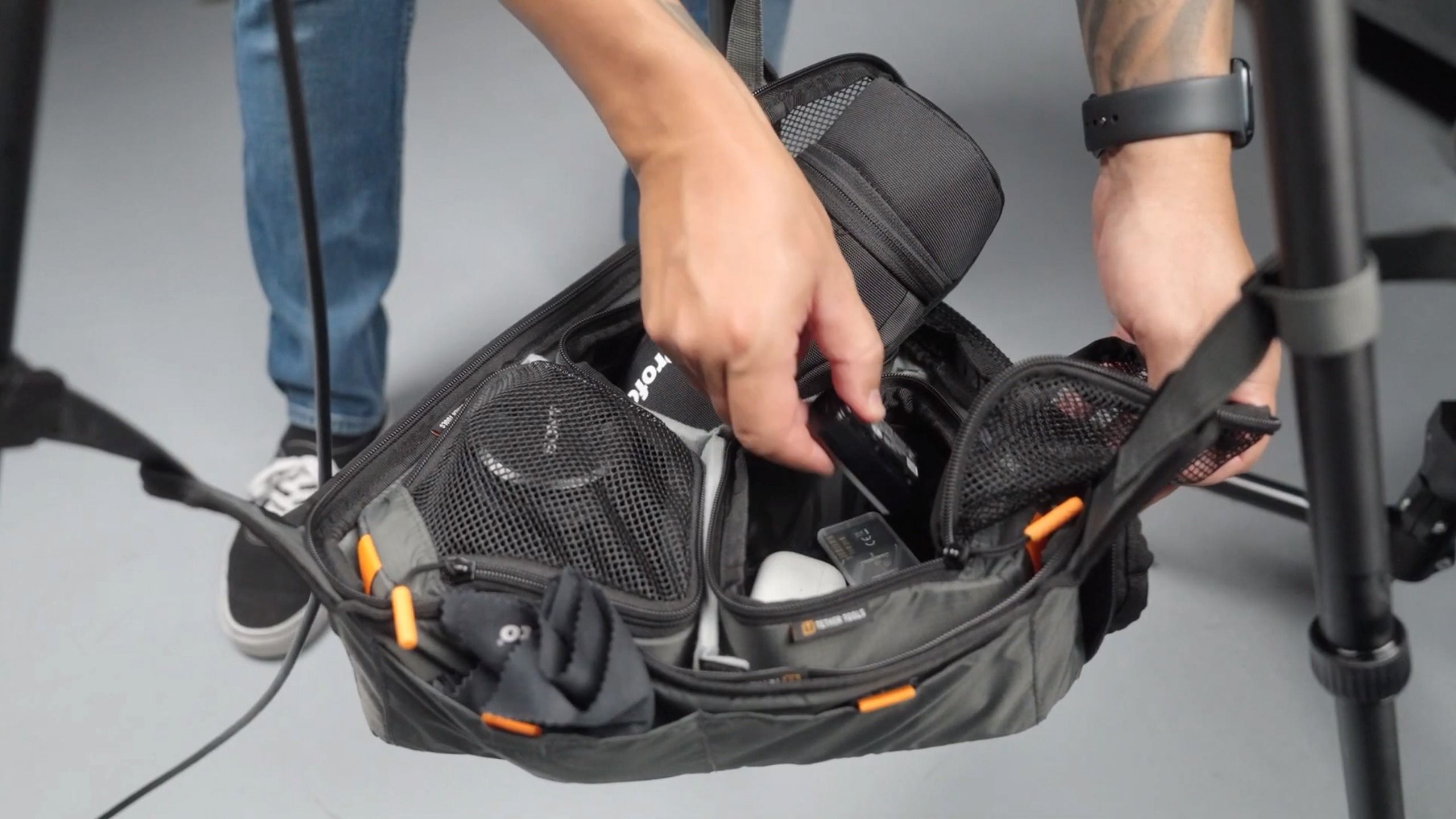
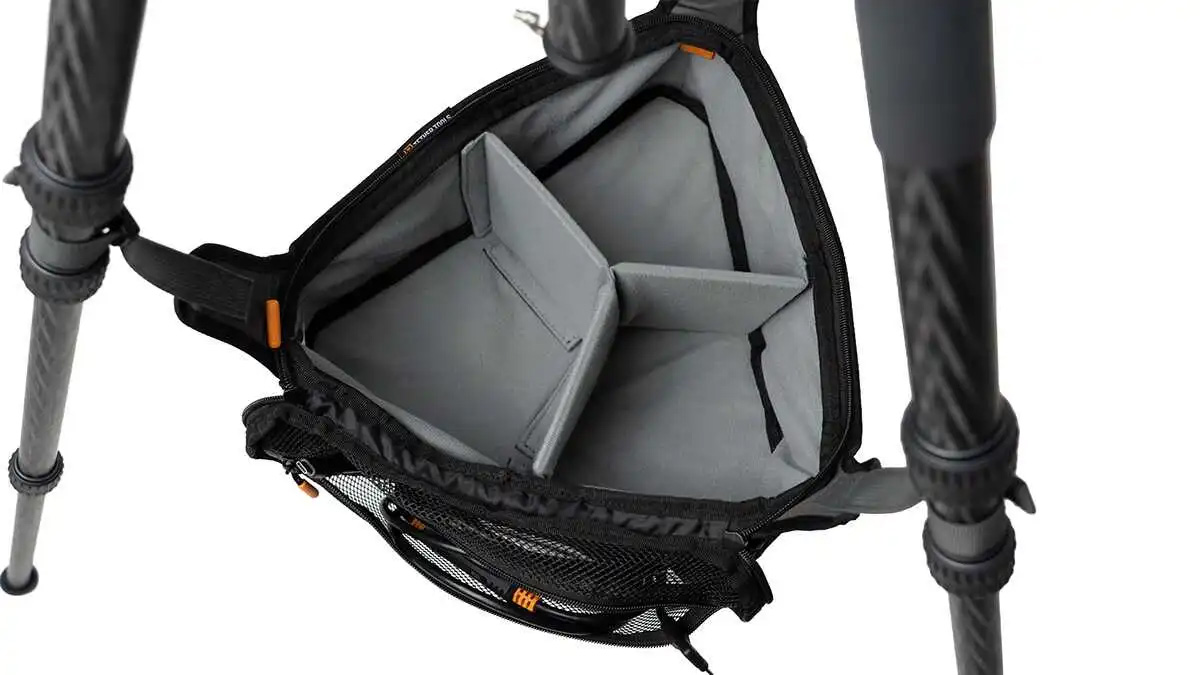
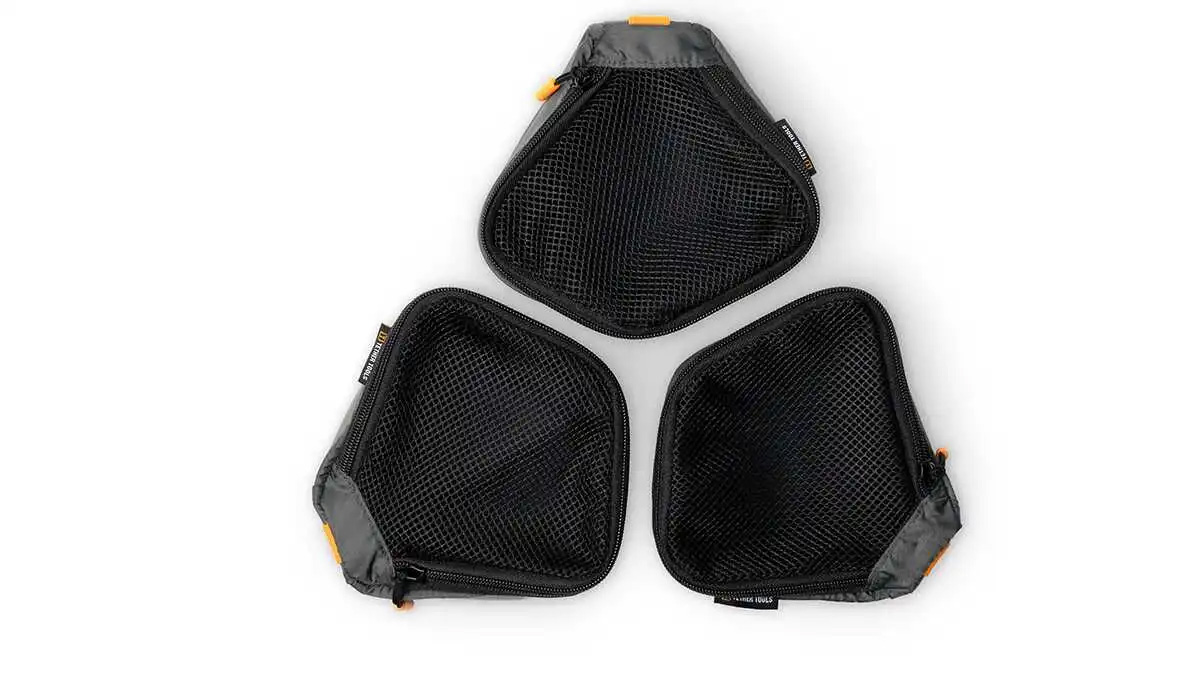
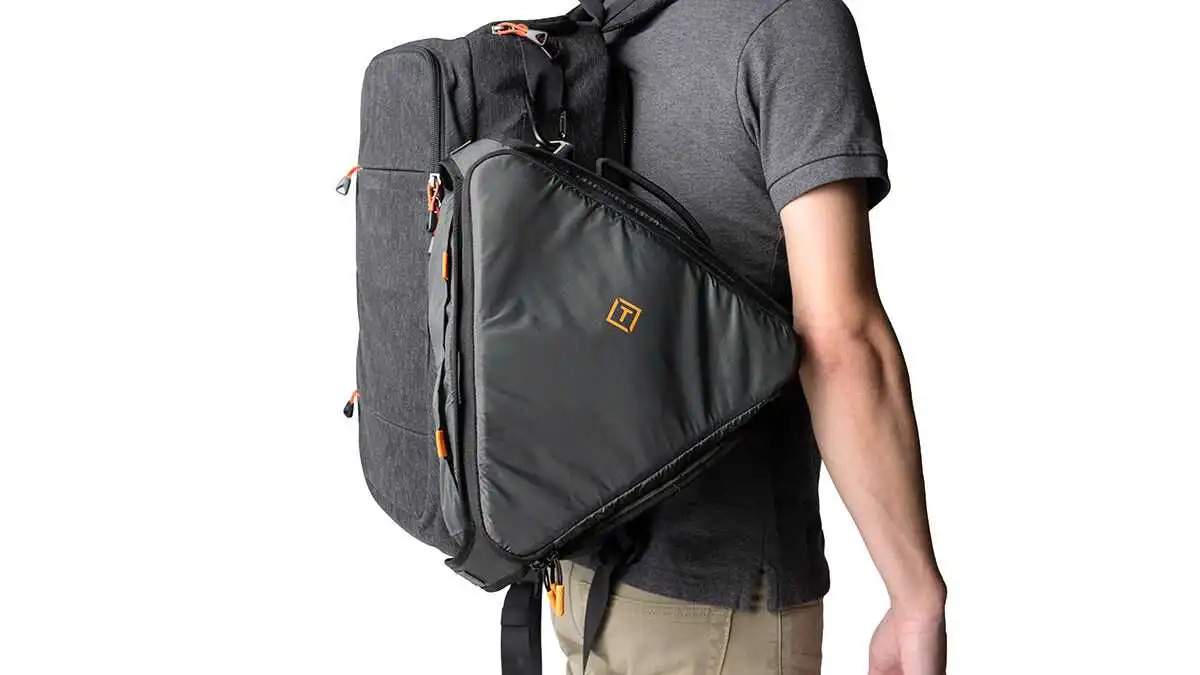
The Tripod Hammock Multi-Pro, retailing at $99.99, is positioned as a comprehensive mobile studio station. Its design focuses on modularity and security. The interior is divided into three distinct segments, each equipped with removable padded dividers, allowing users to customize the space based on the size of their lenses or the quantity of their accessories. Beyond the main storage area, the Multi-Pro features a series of peripheral quick-access pockets specifically designed to secure small items like SD cards, CFexpress cards, or backup batteries. Perhaps its most significant feature is the ability to transform from an open-air hammock into a fully enclosed triangular kit bag. This transition allows photographers to move their equipment between locations without needing to remove items from the organizer, effectively functioning as a "grab-and-go" solution.
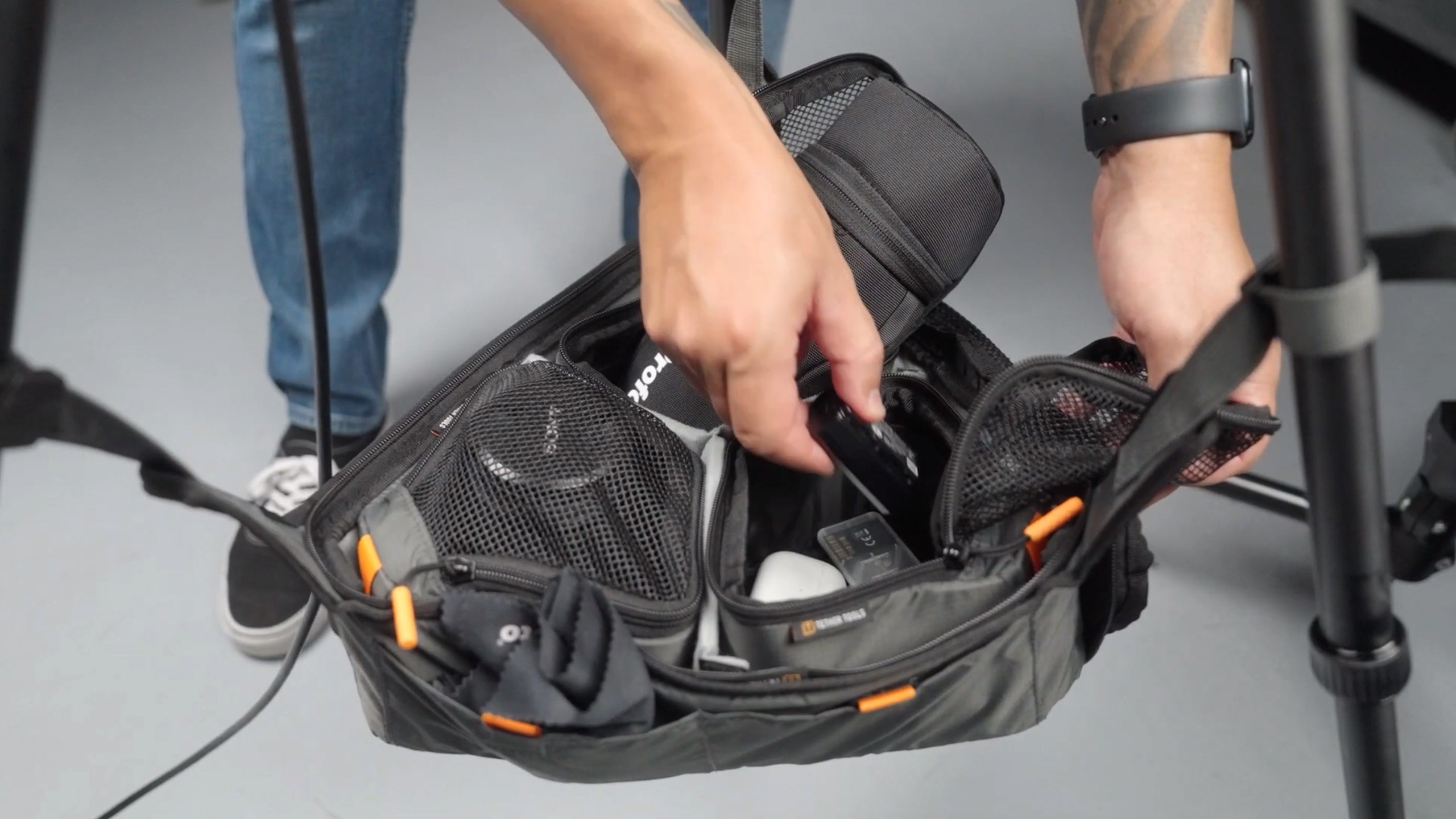
In contrast, the Tripod Hammock Sport, priced at $49.99, is designed for the minimalist photographer. It omits the zippered enclosure and internal dividers, offering a single, open-access basin for high-frequency items. While it retains the side-mounted pockets for smaller essentials, its primary value proposition lies in its compact footprint. When not in use, the Sport model collapses into a small, portable package, making it an ideal candidate for photographers who prioritize weight reduction and space-saving during travel. Both models are constructed from durable, weather-resistant rip-stop material, ensuring they can withstand the rigors of outdoor environments, including moisture, dust, and mechanical abrasion.
Chronology and Market Positioning
The announcement follows a multi-year trend of manufacturers shifting focus toward "accessory ecosystems." In recent years, companies like Peak Design, SmallRig, and Tether Tools have moved away from selling standalone hardware toward building interconnected systems. The release of the Tripod Hammocks fits into a broader timeline of workflow optimization tools:
- 2015–2018: The rise of dedicated "tethering" software and cables, positioning Tether Tools as a leader in studio connectivity.
- 2019–2021: A pivot toward mobile photography hardware, with an increased focus on portable workstation components, such as laptop trays and mountable hubs.
- 2022–2024: The current phase, focusing on "environmental management," where the physical space around the camera and the photographer is being optimized through modular bags, organizers, and specialized mounting hardware.
By launching these products now, Tether Tools is responding to an increasingly mobile workforce. With the rise of "run-and-gun" video production and high-end street photography, the ability to maintain an organized kit without a static base station has become a premium requirement.
Analysis of Implications for Professional Workflow
The introduction of these hammocks carries significant implications for the ergonomic health and productivity of photographers. When gear is stored on the ground, it is susceptible to damage from moisture, dirt, or accidental impact from foot traffic. Furthermore, the act of repeatedly bending down to retrieve gear from a camera bag causes physical strain and, more importantly, causes the photographer to break eye contact with their subject or the frame.
By elevating essential tools, Tether Tools is facilitating a more "heads-up" shooting experience. This allows the photographer to maintain focus on the scene, reducing the cognitive load required to manage equipment. From an economic perspective, the $50 to $100 price point for these accessories is relatively low compared to the cost of replacing a damaged lens or a lost memory card, suggesting that the company is marketing these as essential "insurance" for professional kits.
Official Design Considerations
While Tether Tools has not released formal performance data, the design of the "magnetic quick-connect system" utilized in the Multi-Pro suggests a focus on user experience during high-pressure scenarios. Magnetic attachments allow for rapid deployment, which is critical when a photographer needs to move their tripod quickly to capture a fleeting moment or transition between different setups.
The materials selected—specifically the rip-stop fabric with a polyurethane (PU) coating—indicate that the product is intended for professional use in adverse weather conditions. Professional photographers often operate in environments where gear protection is non-negotiable. The decision to prioritize durability over lightweight aesthetics highlights that this is not a consumer-grade accessory for casual hobbyists, but rather a tool intended for sustained, long-term use in demanding environments.
Future Outlook and Industry Impact
The release of these hammocks may trigger a wave of imitation or further innovation in the tripod accessory market. As cameras become more capable and photographers perform more complex tasks on location—such as live-streaming, complex flash setups, and multi-lens swapping—the need for dedicated storage solutions will likely grow.
Furthermore, this product line reinforces the importance of the tripod not just as a camera support, but as a central hub for the photographer’s workspace. As the industry continues to emphasize efficiency and speed, the integration of smart storage into standard support gear is likely to become a standard expectation.
Photographers looking to integrate these new tools into their workflow can currently find both models available through major photography retailers such as B&H Photo Video. As the photography community begins to adopt these systems, the industry will likely see feedback regarding the long-term structural integrity of these hammocks when loaded with heavy prime lenses or multiple camera bodies, which will ultimately dictate the success and potential iteration of the product line.
In conclusion, Tether Tools’ expansion into tripod-mounted storage represents a logical step in the company’s ongoing mission to refine the professional photography workflow. By addressing the logistical challenges of on-location equipment management, these hammocks provide a practical, durable, and highly accessible solution that reflects the evolving needs of modern digital creators. Whether for the minimalist shooter opting for the Sport model or the gear-heavy professional requiring the organizational capacity of the Multi-Pro, these tools serve as a testament to the fact that in professional photography, the smallest organizational details often lead to the most significant results.